BhuRakshak AI-Powered Underground Coal Mine Subsidence Monitoring System
Inspiration
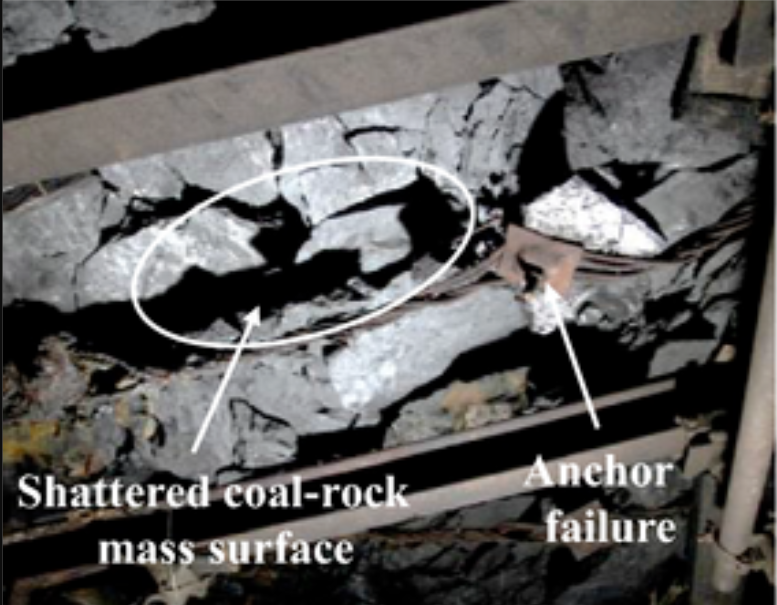
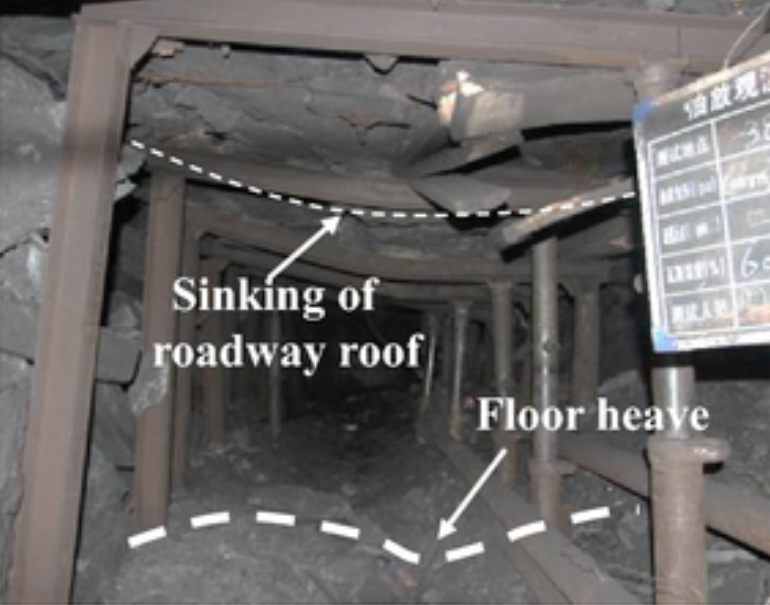
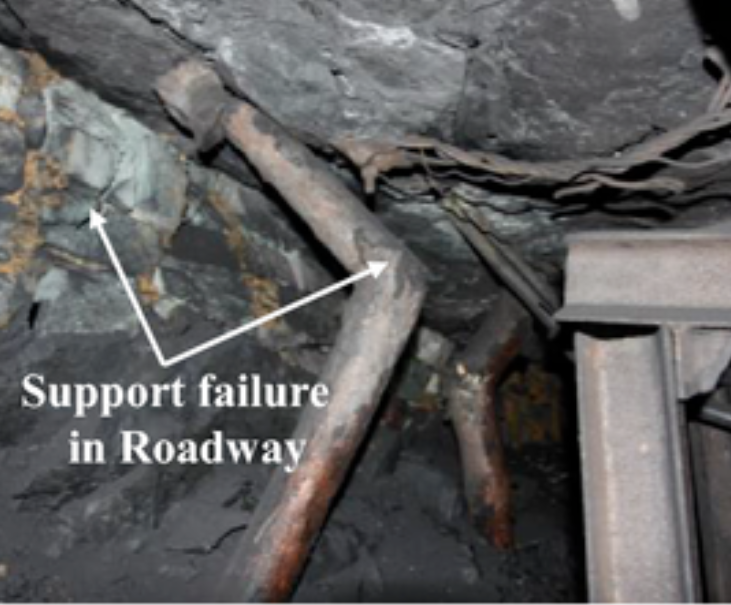
Underground coal mines are exposed to serious risks such as roof instability, ground deformation, vibration, and hazardous gas accumulation. Traditional monitoring methods often depend on periodic inspections and expensive monitoring infrastructure, which may not provide continuous, real-time information about changing mine conditions.
We were inspired to develop a low-cost, intelligent, and continuous monitoring system that can identify early warning signs of instability and alert mine workers before a situation becomes critical. Our goal was to combine IoT sensing, wireless communication, and Machine Learning into a practical safety solution for underground coal mines.
What it does
Our system continuously monitors underground mine conditions using distributed sensor nodes.
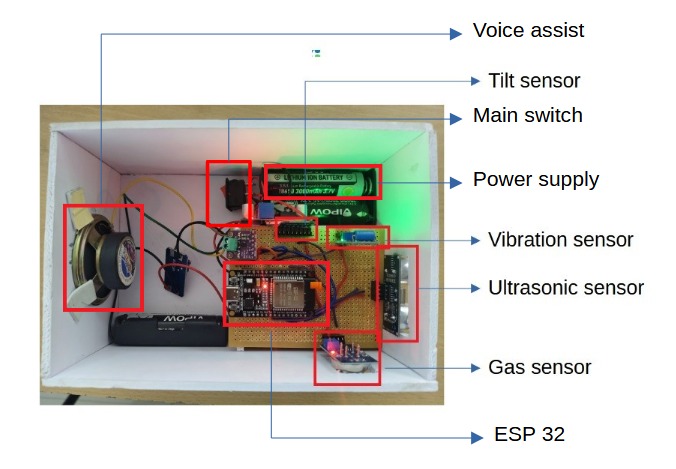
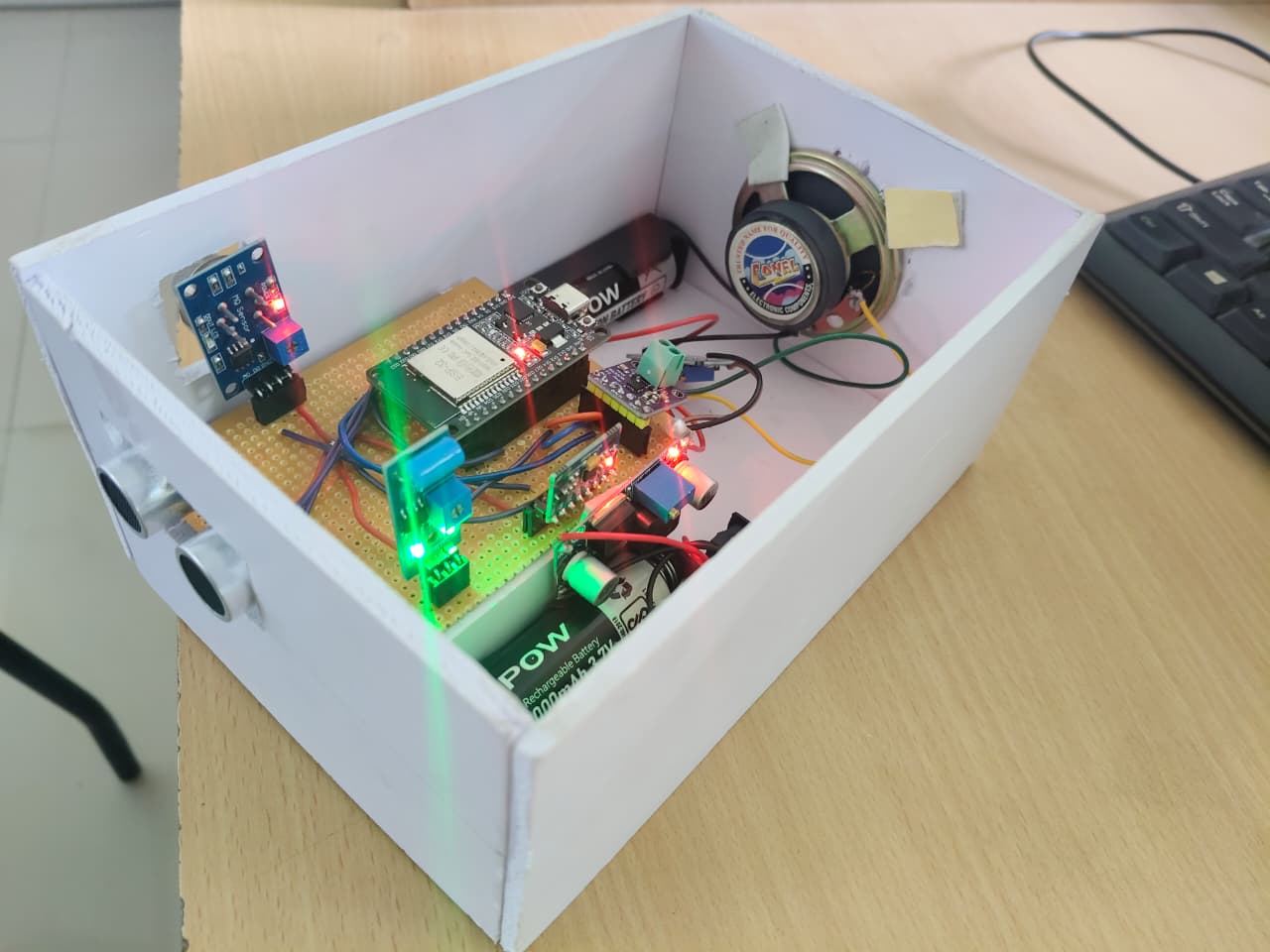
Each node uses an ESP32 to collect:
Ultrasonic sensor — monitors displacement/deformation
MPU6050 — measures tilt/inclination and vibration
MQ-2 gas sensor — detects combustible gas accumulation
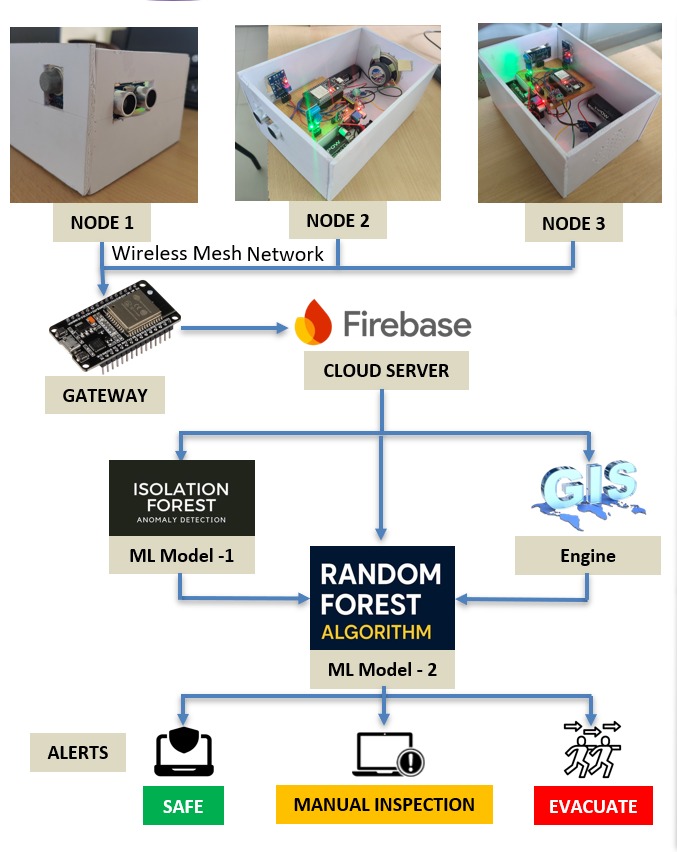
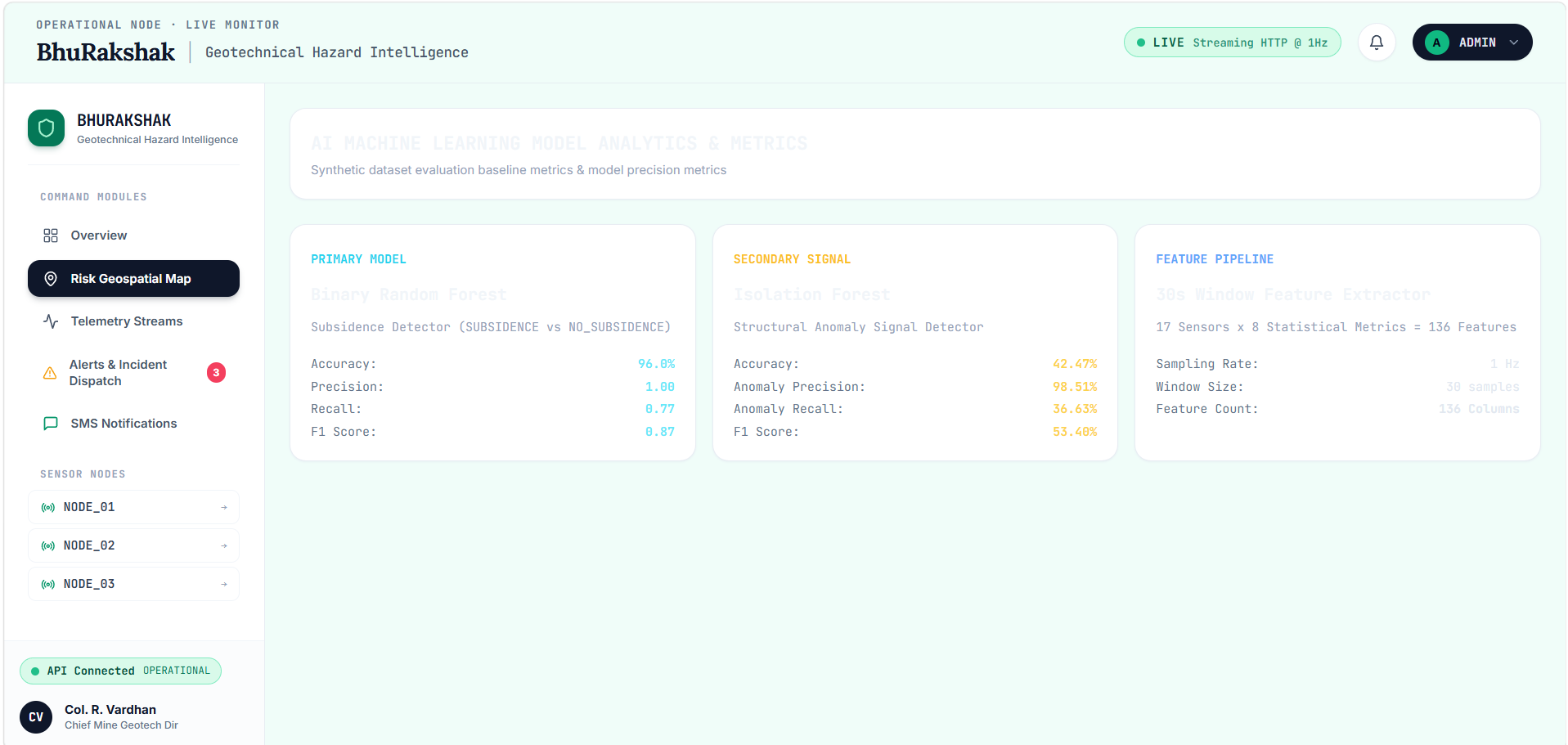
The sensor data is transmitted using MQTT to a central gateway/server. The system processes the incoming data using threshold-based analysis, time-series analysis, spatial correlation, and Machine Learning techniques such as Random Forest and Isolation Forest.
When abnormal conditions are detected, the system classifies the risk and generates alerts through:
Local siren/strobe indication
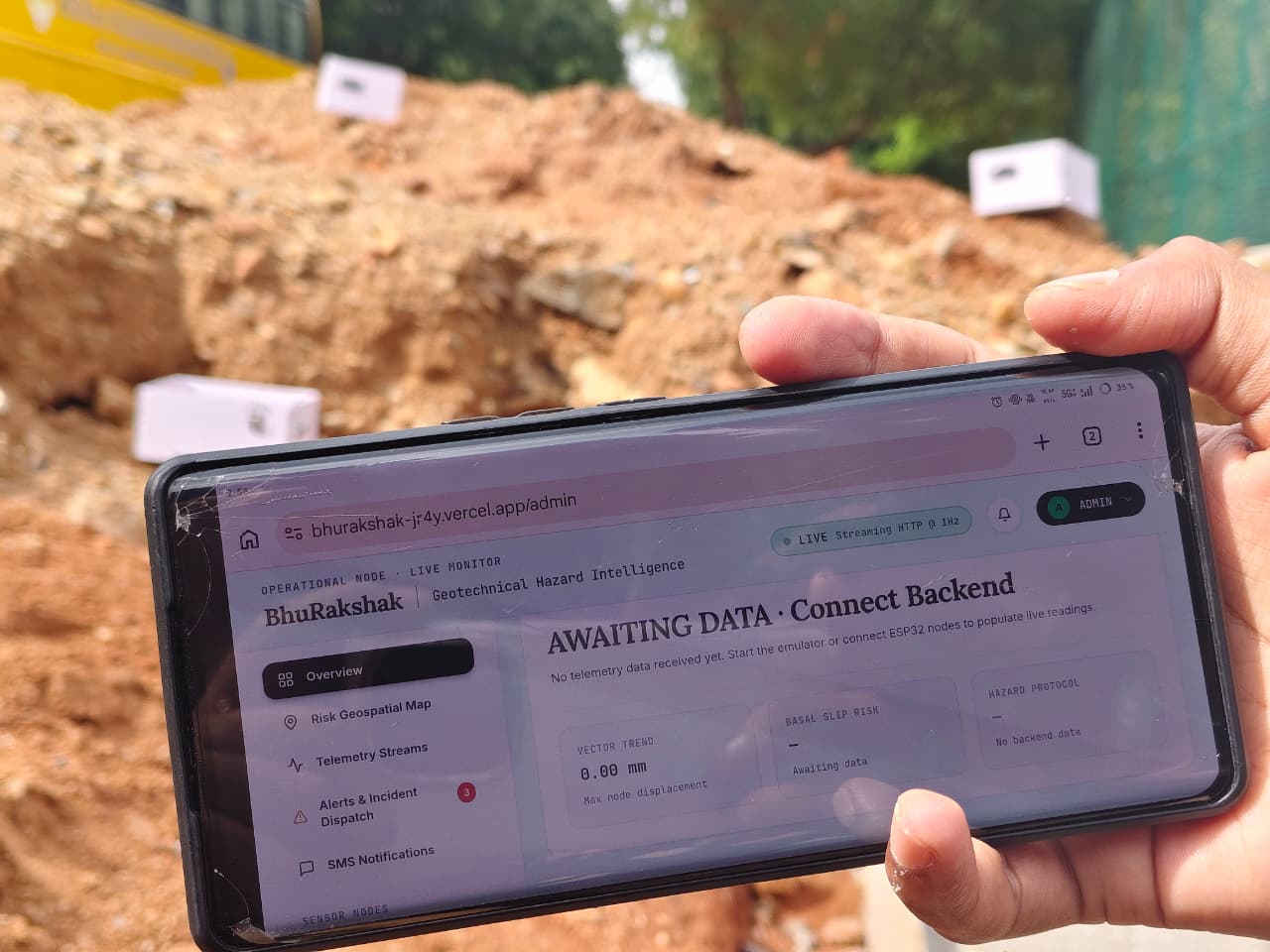
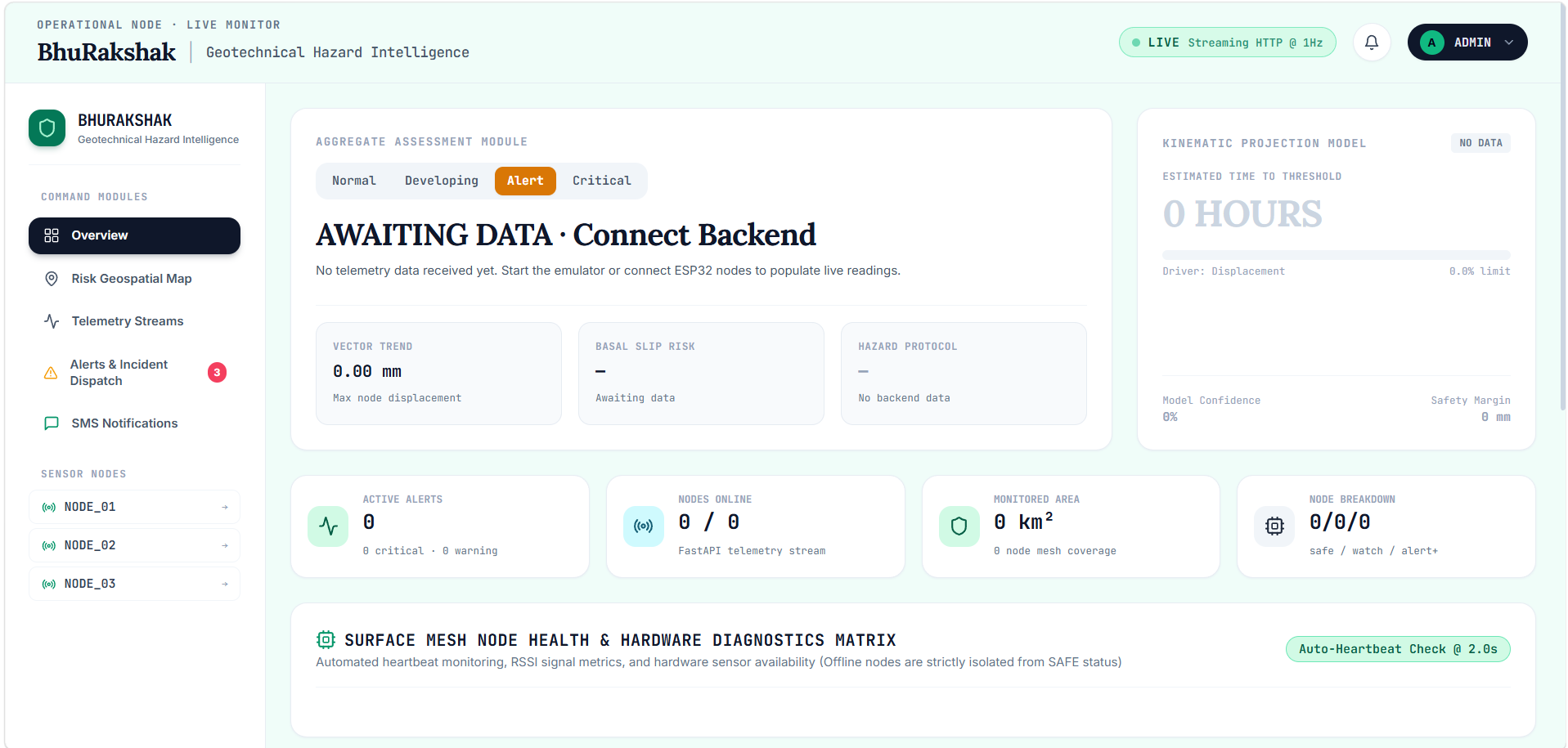
Real-time monitoring dashboard
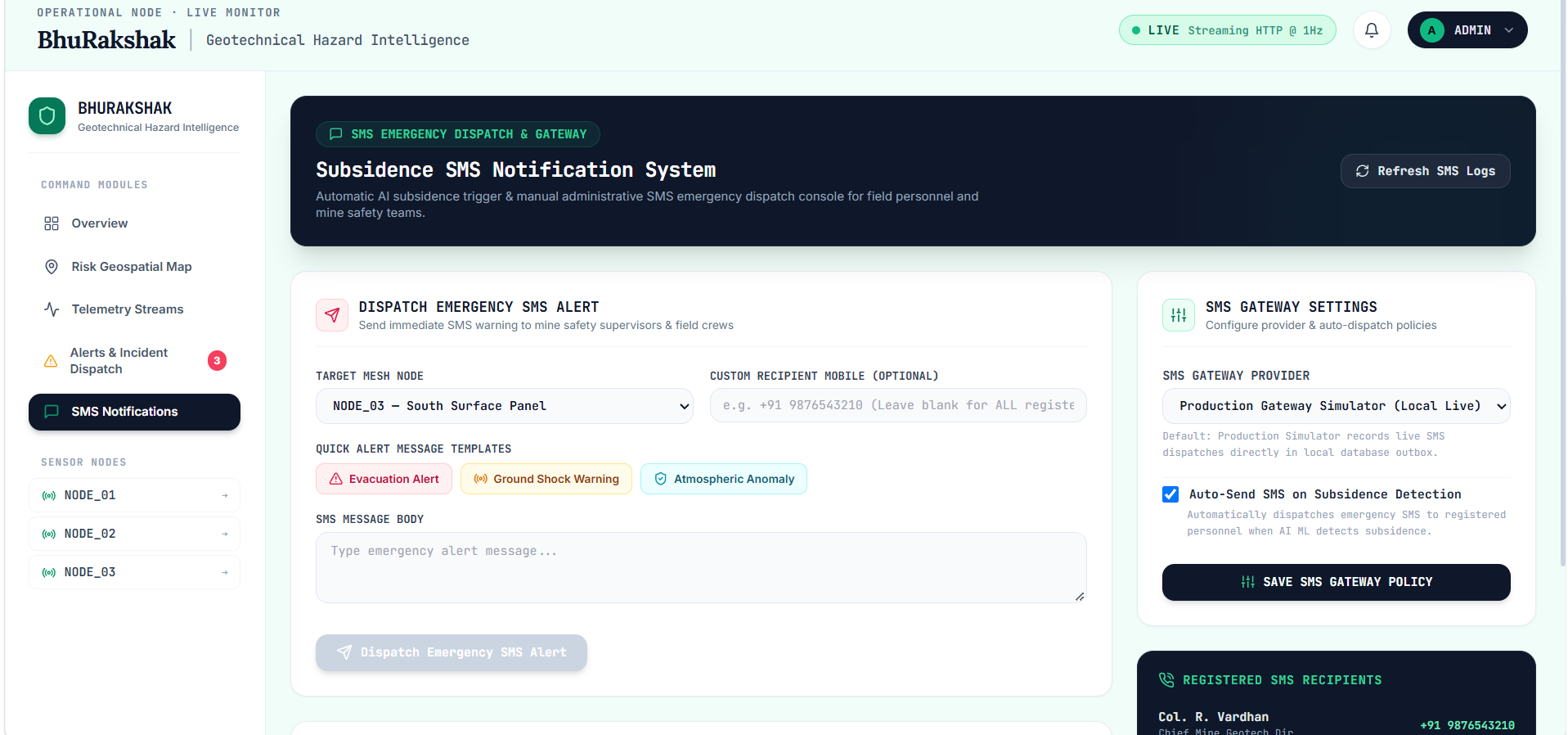
SMS/e-mail notifications for remote personnel
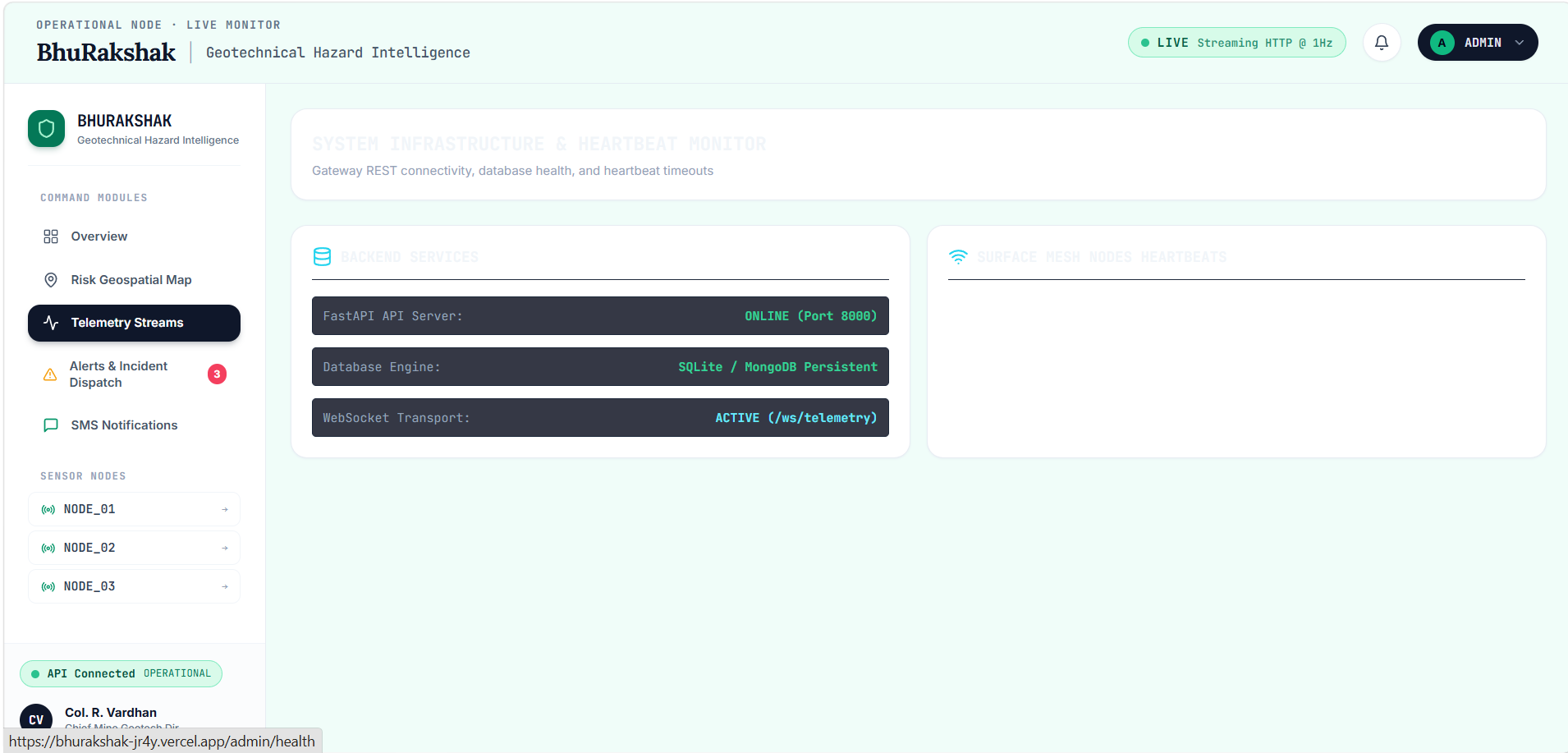
The system also monitors node health, helping identify sensor or communication failures.
How we built it
We developed the project in multiple stages:
Problem identification — Studied underground mine subsidence and the limitations of existing monitoring approaches.
Sensor selection — Selected affordable sensors capable of monitoring displacement, tilt, vibration, and gas.
Sensor node development — Integrated the sensors with an ESP32 microcontroller.
Data acquisition — Programmed the ESP32 to continuously collect and transmit sensor readings.
Communication — Implemented MQTT for lightweight communication between sensor nodes and the central system.
Backend development — Created a system for receiving, processing, storing, and visualizing sensor data.
Machine Learning — Developed anomaly-detection and classification approaches using Random Forest and Isolation Forest.
Risk analysis — Combined sensor thresholds with temporal and spatial patterns to identify abnormal conditions.
Alert system — Added local and remote warning mechanisms for critical conditions.
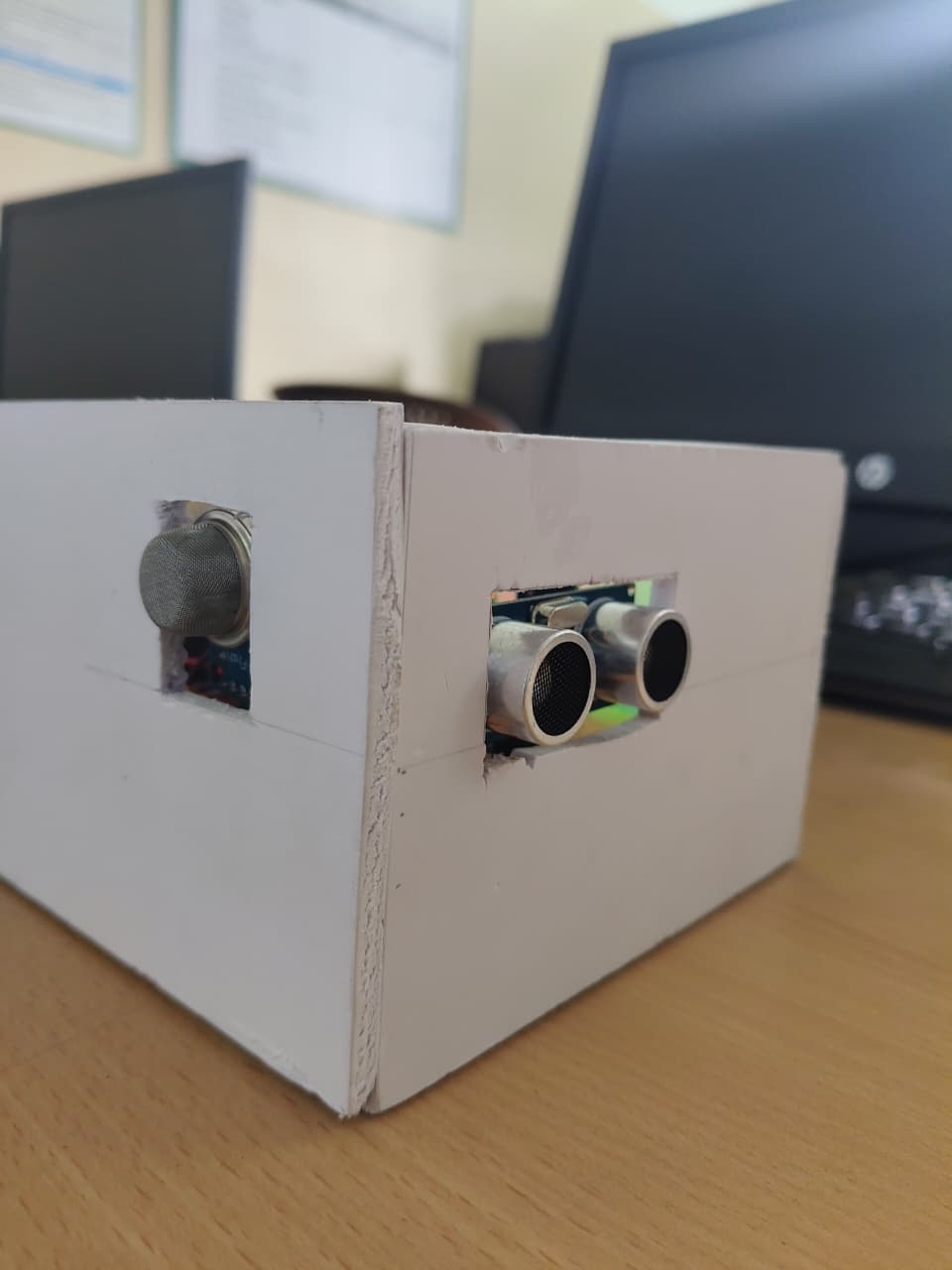
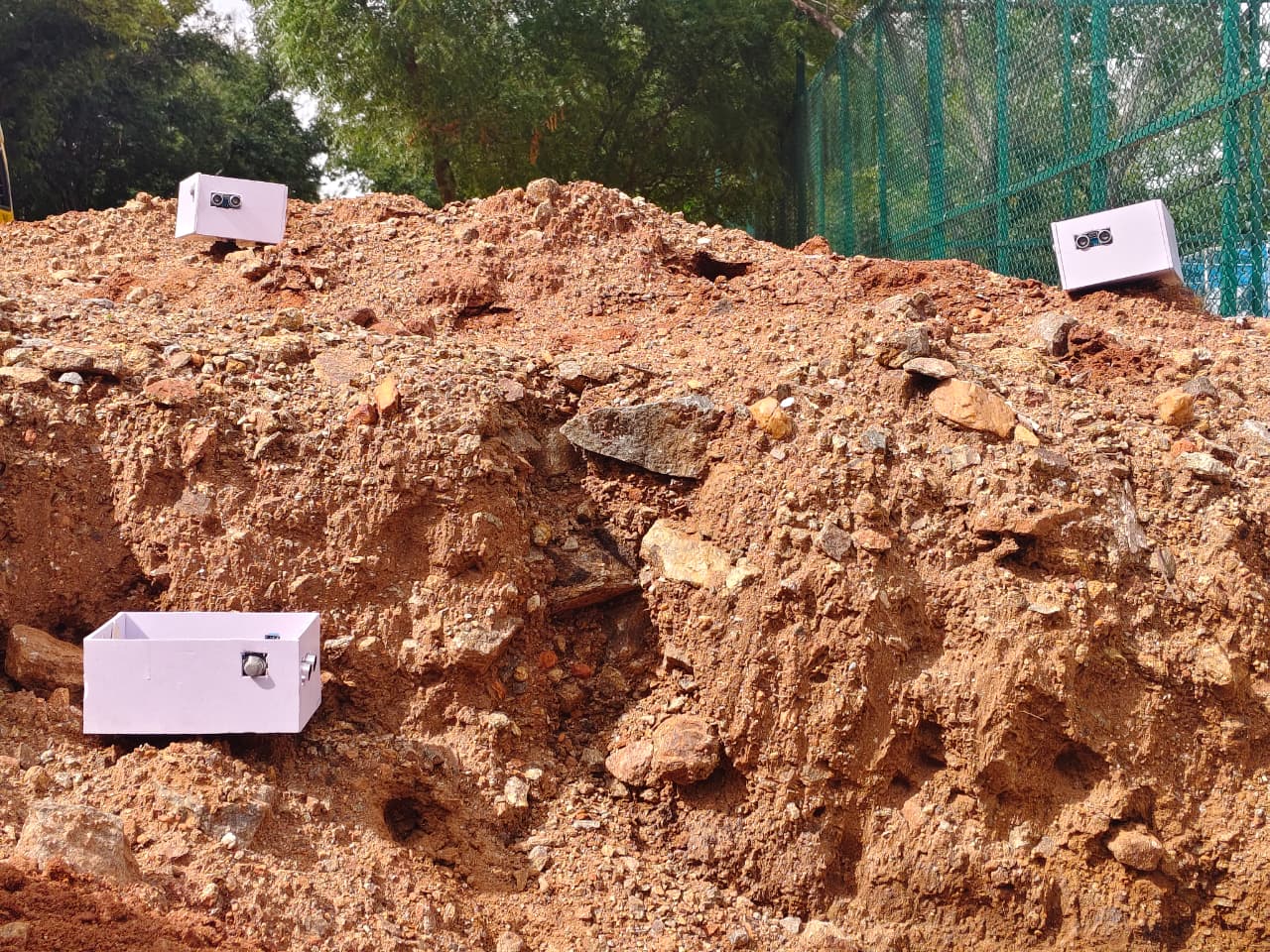
Prototype demonstration — Built multiple sensor nodes and a gateway to demonstrate how the system can be deployed across mine panels.
System Architecture
Sensor Nodes ESP32 + Sensors | v MQTT Network | v Gateway | v Data Processing + ML Analysis | +----------------+ | | v v Dashboard Alerts
Challenges we ran into
One of our major challenges was determining how to monitor multiple physical parameters using a compact and affordable sensor node.
We also faced challenges in:
Integrating multiple sensors with the ESP32
Obtaining stable and meaningful sensor readings
Handling sensor noise and fluctuations
Establishing reliable MQTT communication
Managing communication between sensor nodes and the gateway
Determining meaningful thresholds for abnormal conditions
Generating realistic datasets for Machine Learning
Distinguishing genuine anomalies from normal sensor variations
Designing a system that can scale from a few nodes to multiple mine panels
Balancing low cost, reliability, power consumption, and scalability
Another important challenge was ensuring that the Machine Learning component was not treated as a black box. We had to understand why particular readings were considered abnormal and how sensor trends and correlations could contribute to risk detection.
Accomplishments that we're proud of
We successfully developed a working prototype that combines IoT sensing, MQTT communication, Machine Learning, and real-time alerting into a single monitoring architecture.
We are particularly proud of:
Building functional multi-sensor ESP32 nodes
Monitoring displacement, tilt, vibration, and gas
Establishing MQTT-based sensor-to-gateway communication
Developing a centralized monitoring architecture
Implementing anomaly detection using Machine Learning
Adding node-health monitoring
Designing a multi-level warning mechanism
Creating a scalable architecture that can support additional sensor nodes
Building a physical prototype suitable for demonstrating the concept
Most importantly, we transformed the concept from a theoretical safety solution into a working prototype that demonstrates how continuous underground mine monitoring can be implemented at relatively low cost.
What we learned
Throughout the project, we learned that developing an IoT safety system involves much more than connecting sensors to a microcontroller.
We gained practical experience in:
ESP32 programming and sensor interfacing
IoT architecture and MQTT communication
Real-time data acquisition
Backend and dashboard development
Data preprocessing and filtering
Machine Learning and anomaly detection
Time-series analysis
Spatial correlation between sensor nodes
Designing hardware for field deployment
Debugging communication and sensor issues
Understanding the importance of sensor calibration and reliable data
We also learned that real-world safety systems require reliability, redundancy, validation, and fail-safe mechanisms, not just high Machine Learning accuracy.
What's next for your project
Our next goal is to move from a prototype toward a more robust field-deployment system.
Advanced Sensors
Integrate dedicated sensors for:
Crack width
Roof pressure
Ground deformation
Methane (CH₄)
Carbon monoxide (CO)
Carbon dioxide (CO₂)
Temperature and humidity
Improved Machine Learning
We plan to explore:
LSTM/GRU-based time-series prediction
Multi-sensor data fusion
Advanced anomaly detection
Predictive subsidence modeling
Mine-specific risk scoring
The goal is to progress from:
Detecting abnormal conditions → Predicting potential instability
Mine Digital Twin
A future version could include a 3D digital representation of the mine, displaying sensor locations, deformation trends, historical data, and dynamically changing risk zones.
Robust Communication
We plan to explore communication technologies better suited for underground environments, along with mesh networking and automatic network recovery.
Energy-Efficient Nodes
Future sensor nodes could incorporate:
Low-power operation
Battery optimization
Energy harvesting
Long-term autonomous operation
Large-Scale Deployment
The ultimate vision is to scale the system from:
Prototype → Multiple Nodes → Mine Panel → Mine-wide Monitoring Network
This would create a continuous, intelligent monitoring platform capable of providing mine personnel with real-time situational awareness and early warnings while complementing existing certified mine-safety systems and procedures.
Built With
- anomaly-detection
- arduino
- c++
- data
- esp32
- iot
- isolation-forest
- machine-learning
- mpu6050
- mq-2
- mqtt
- node-health-monitoring
- python
- random-forest
- real-time-monitoring
- sensors
- spatial-analysis
- time-series-analysis
- ultrasonic-sensor


Log in or sign up for Devpost to join the conversation.