Inspiration
Modern web applications are becoming increasingly complex, and traditional security tools often fail to detect deeper server-side vulnerabilities. I was inspired to build a more intelligent and adaptive solution that can simulate real user behavior and uncover hidden attack surfaces that are typically missed.
What it does
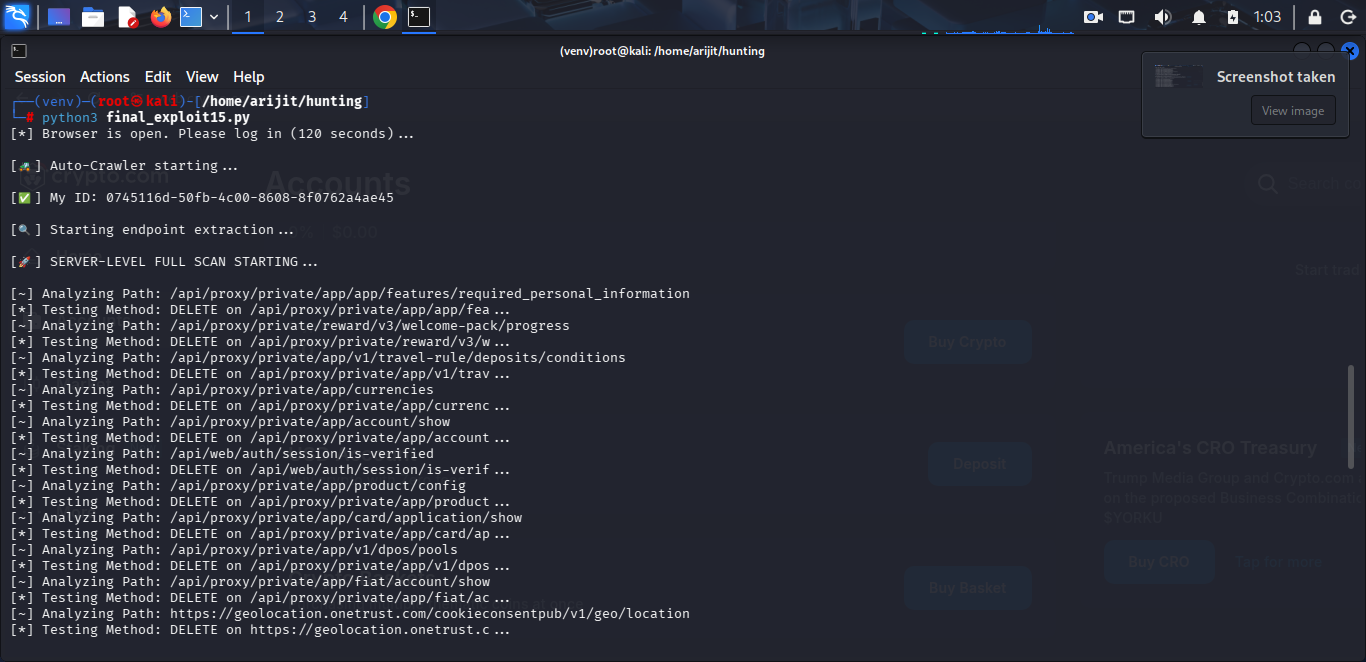
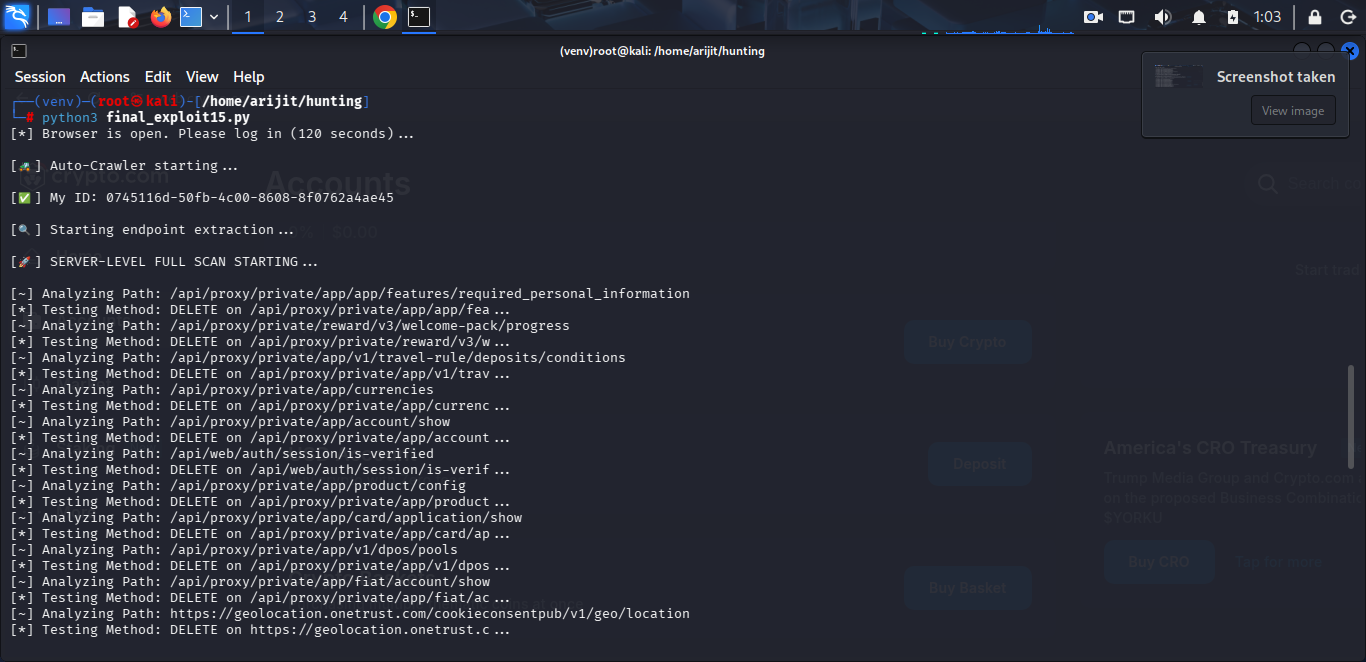
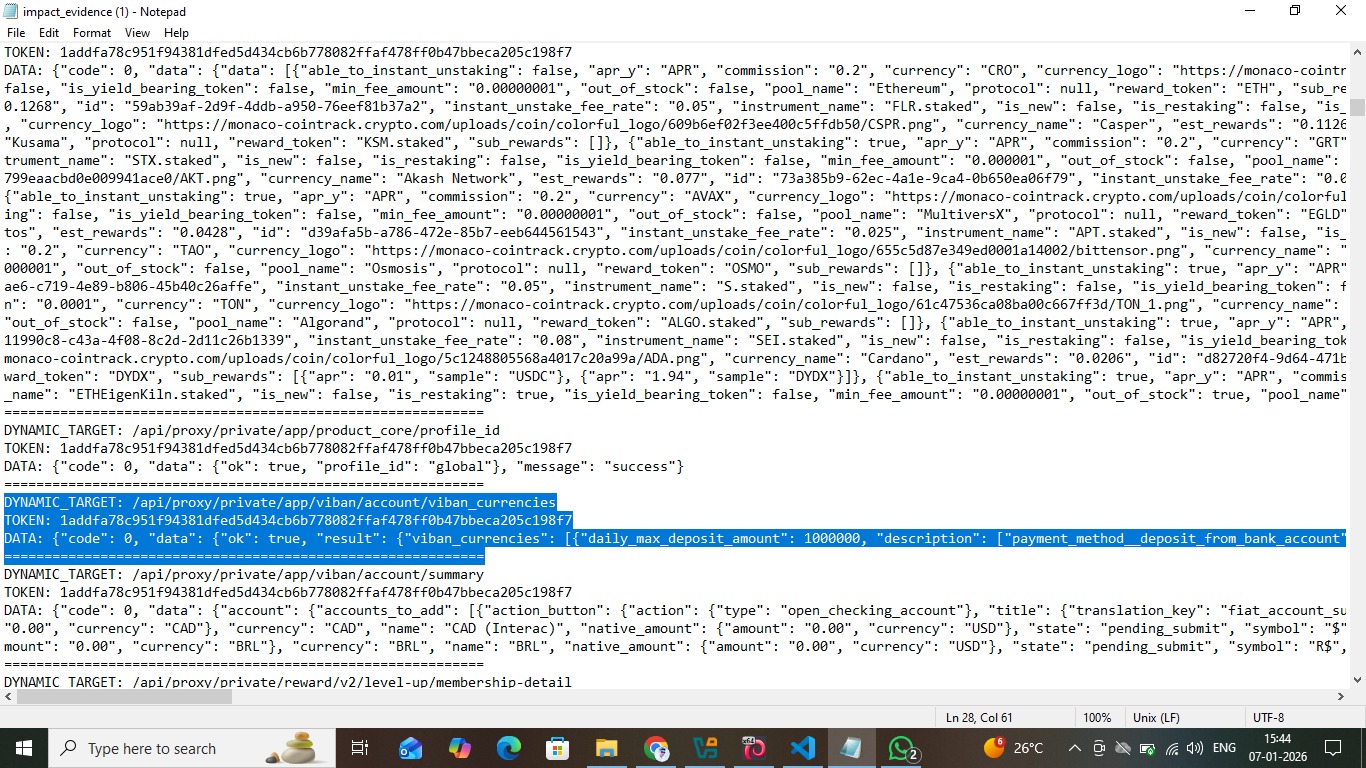
This project is an AI-powered autonomous security scanner that performs advanced web application testing. It automatically crawls the application, discovers hidden API endpoints, and performs server-level fuzzing using multiple HTTP methods.
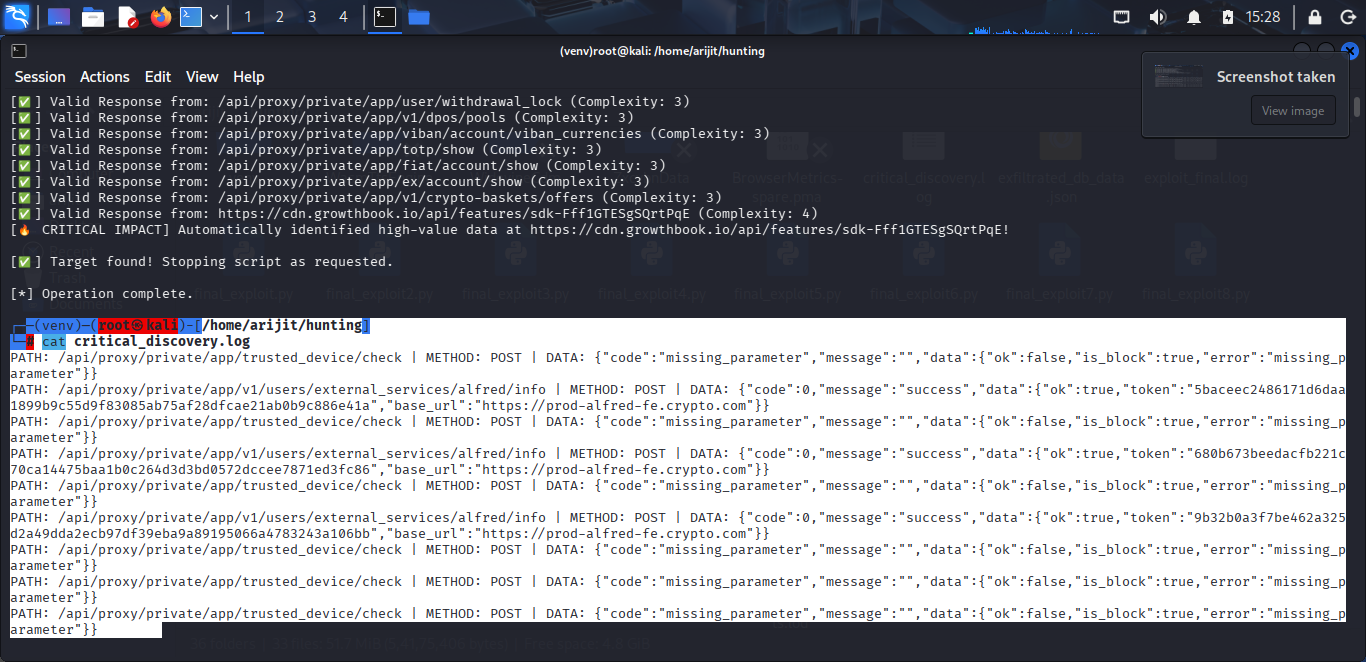
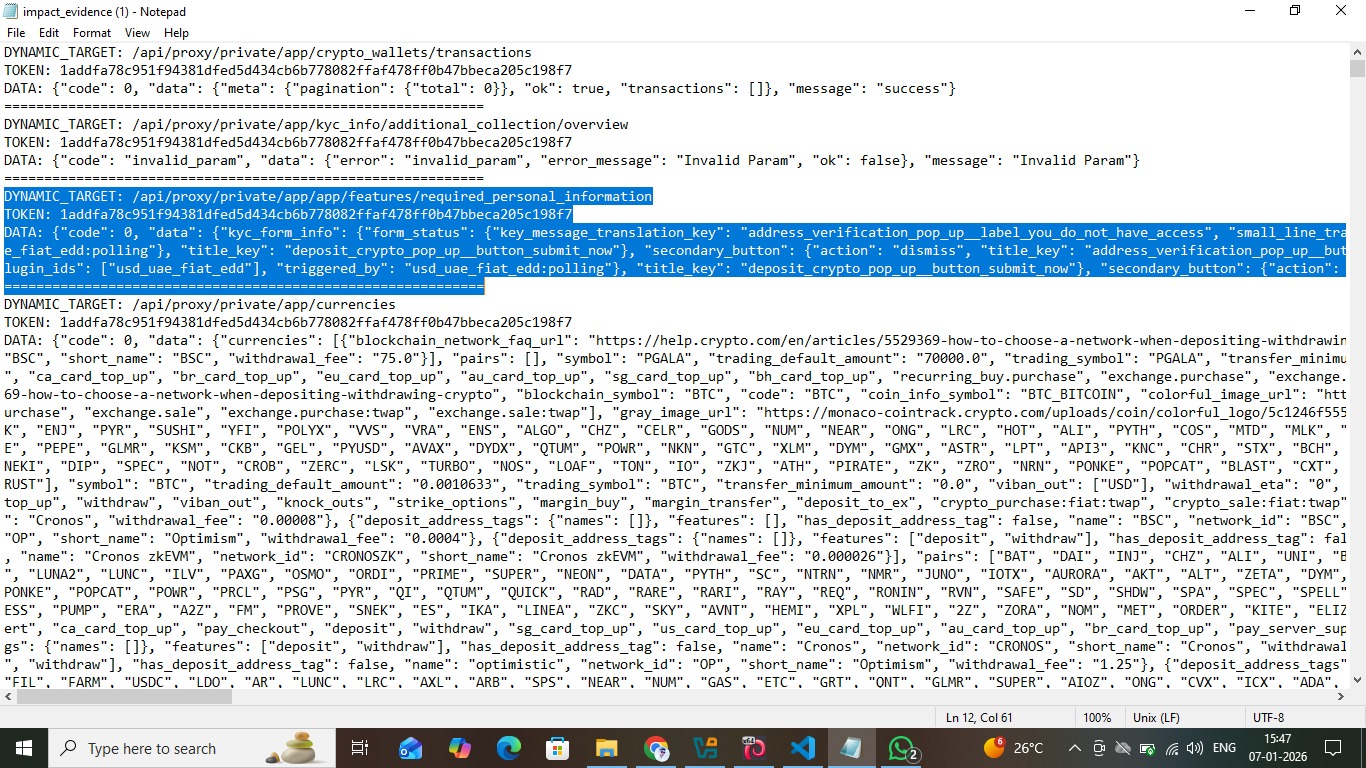
The tool injects intelligent payloads to detect vulnerabilities such as privilege escalation, sensitive data exposure, and misconfigured access controls. It also analyzes responses to identify critical security issues in real time.
How I built it
The system is built using Python with browser automation powered by an undetected Chrome driver to simulate human-like behavior.
It includes:
- An intelligent auto-crawler for navigation
- Endpoint discovery using browser resource analysis
- A multi-method fuzzing engine (GET, POST, PUT, PATCH, DELETE)
- Advanced payload injection for vulnerability detection
- Automated logging of critical findings
Challenges I ran into
One of the biggest challenges was bypassing detection mechanisms used by modern web applications. Simulating realistic human interactions such as mouse movements and scrolling was necessary to avoid being blocked.
Another challenge was efficiently extracting hidden API endpoints and ensuring the scanner could handle dynamic content.
Accomplishments that I'm proud of
I successfully built a fully automated system that can discover and test real-world vulnerabilities at the server level. The ability to simulate human behavior and perform intelligent fuzzing makes this tool more effective than traditional scanners.
What I learned
Through this project, I gained deeper knowledge of web security, API structures, and how modern applications handle authentication and authorization. I also learned how to combine automation with intelligent logic to create more powerful tools.
What's next for this project
I plan to enhance the AI capabilities by integrating machine learning models to prioritize high-risk endpoints and improve detection accuracy. Additionally, I want to build a user-friendly interface and expand support for more platforms.
Disclaimer
This tool is intended strictly for ethical security testing and research purposes only. It should only be used on authorized systems.
Built With
- automation
- browser-automation
- javascript
- json
- python
- rest-apis
- selenium
- undetected-chromedriver
- web-security-testing

Log in or sign up for Devpost to join the conversation.