-
-
-
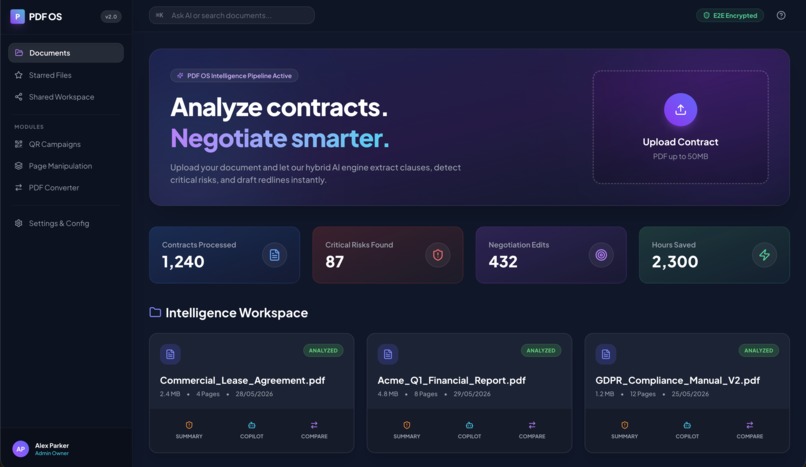
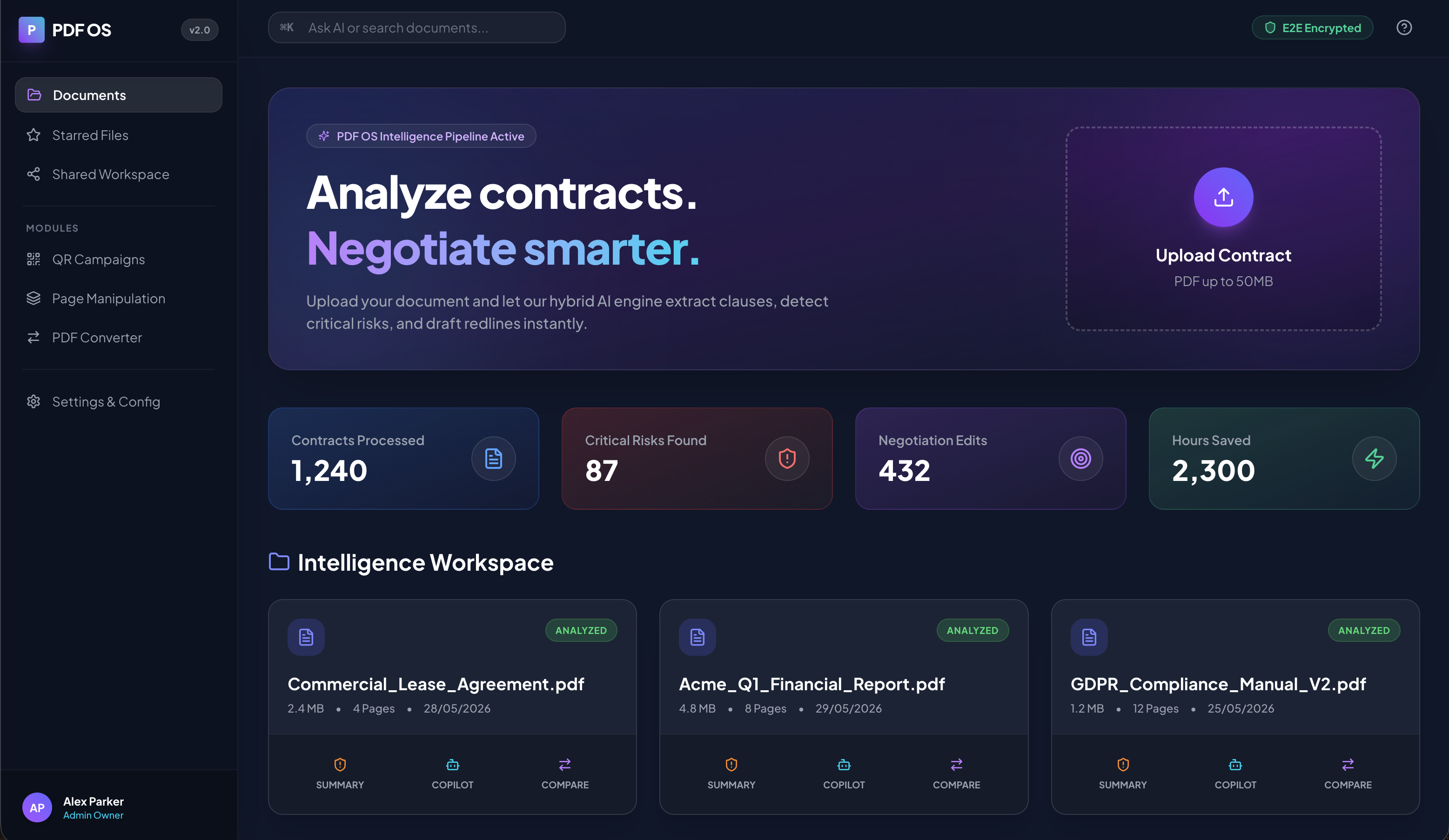
Dashboard
-
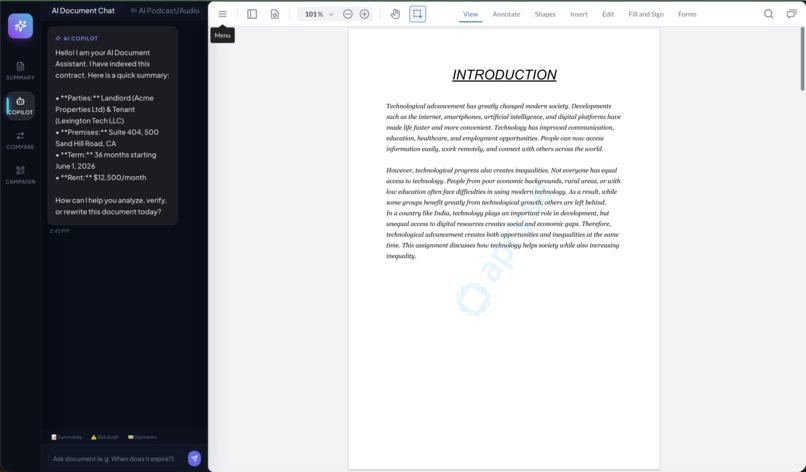
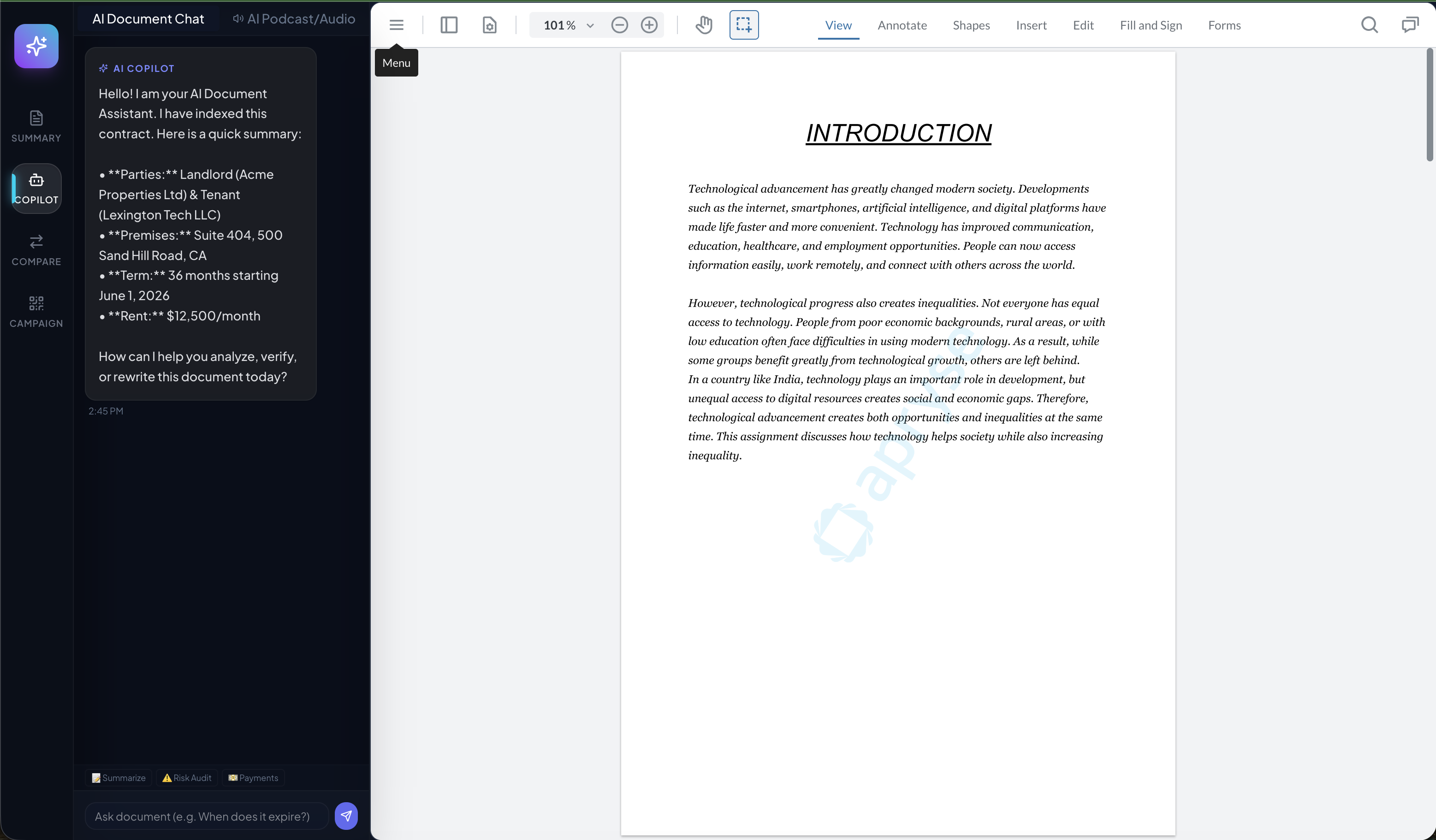
PDF Editing Interface
-
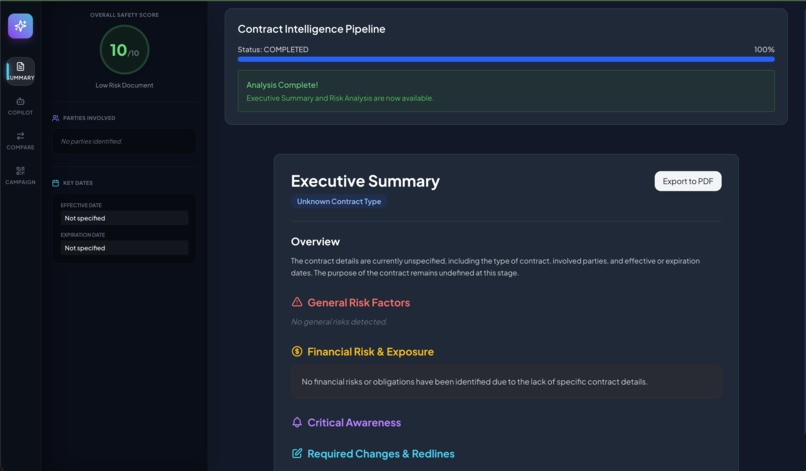
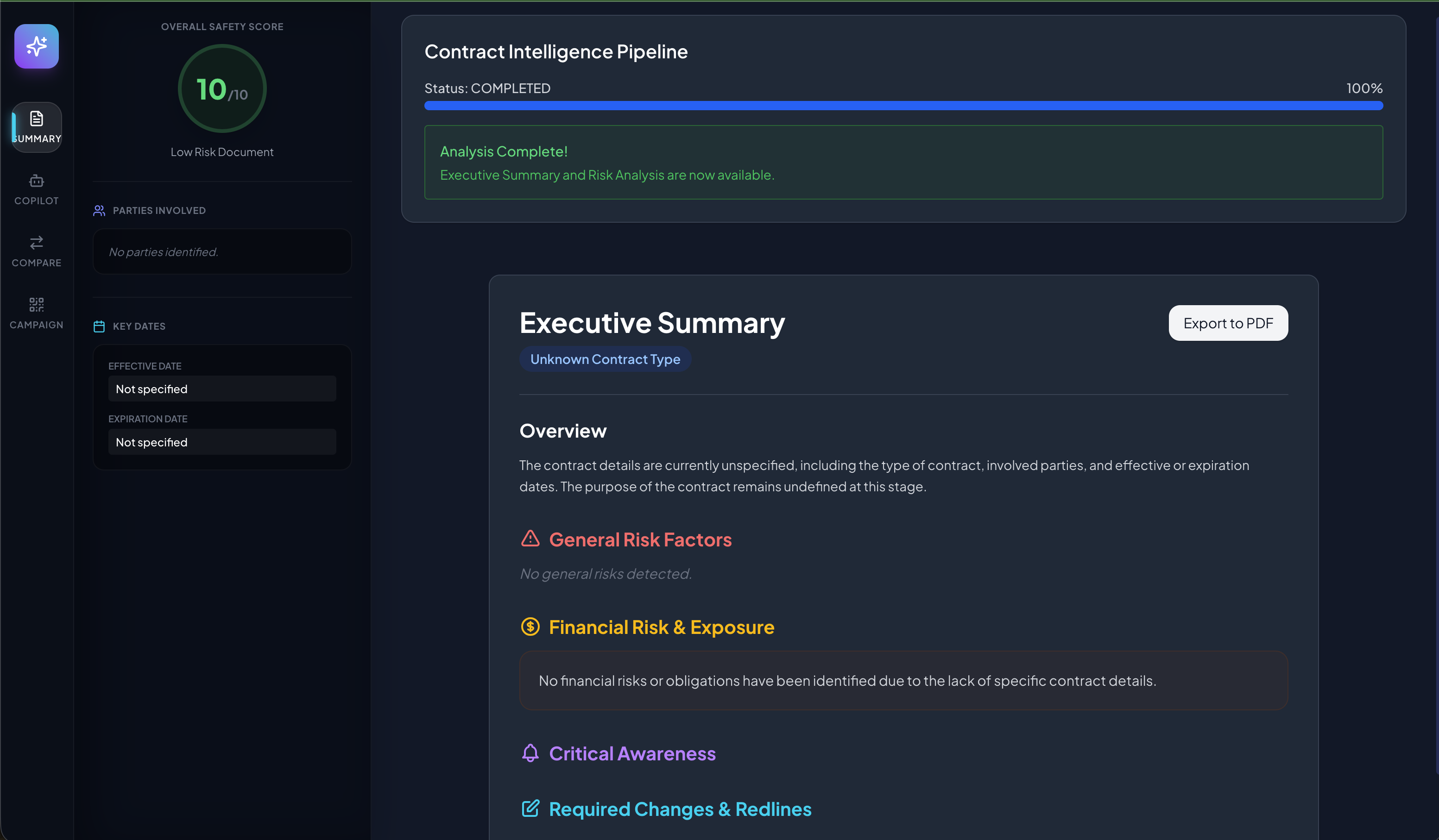
AI Legal and Financial Risk Summary
-
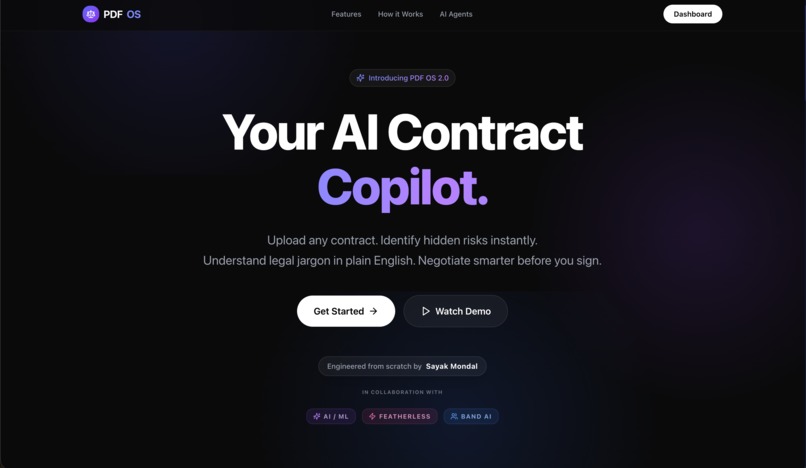
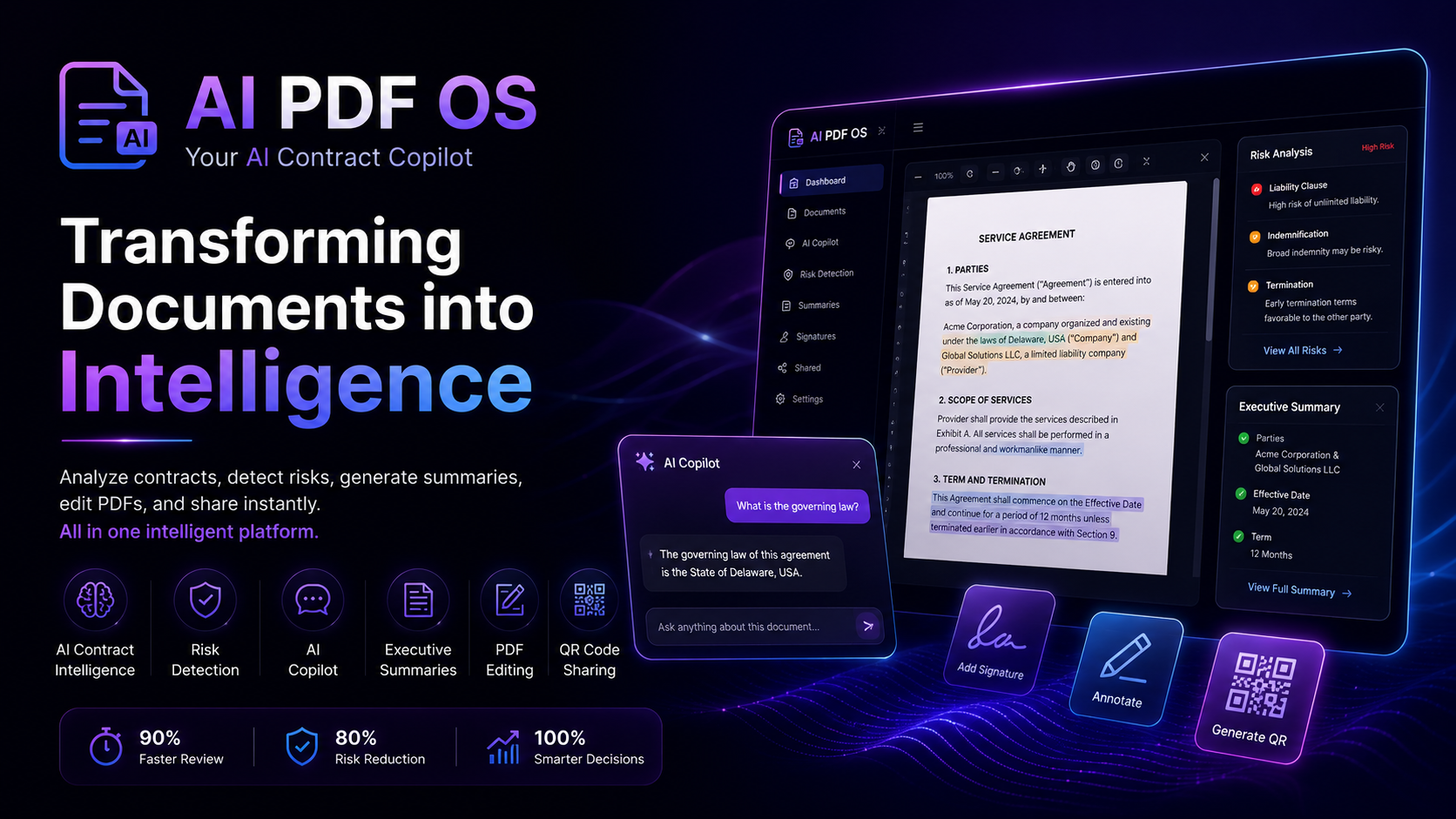
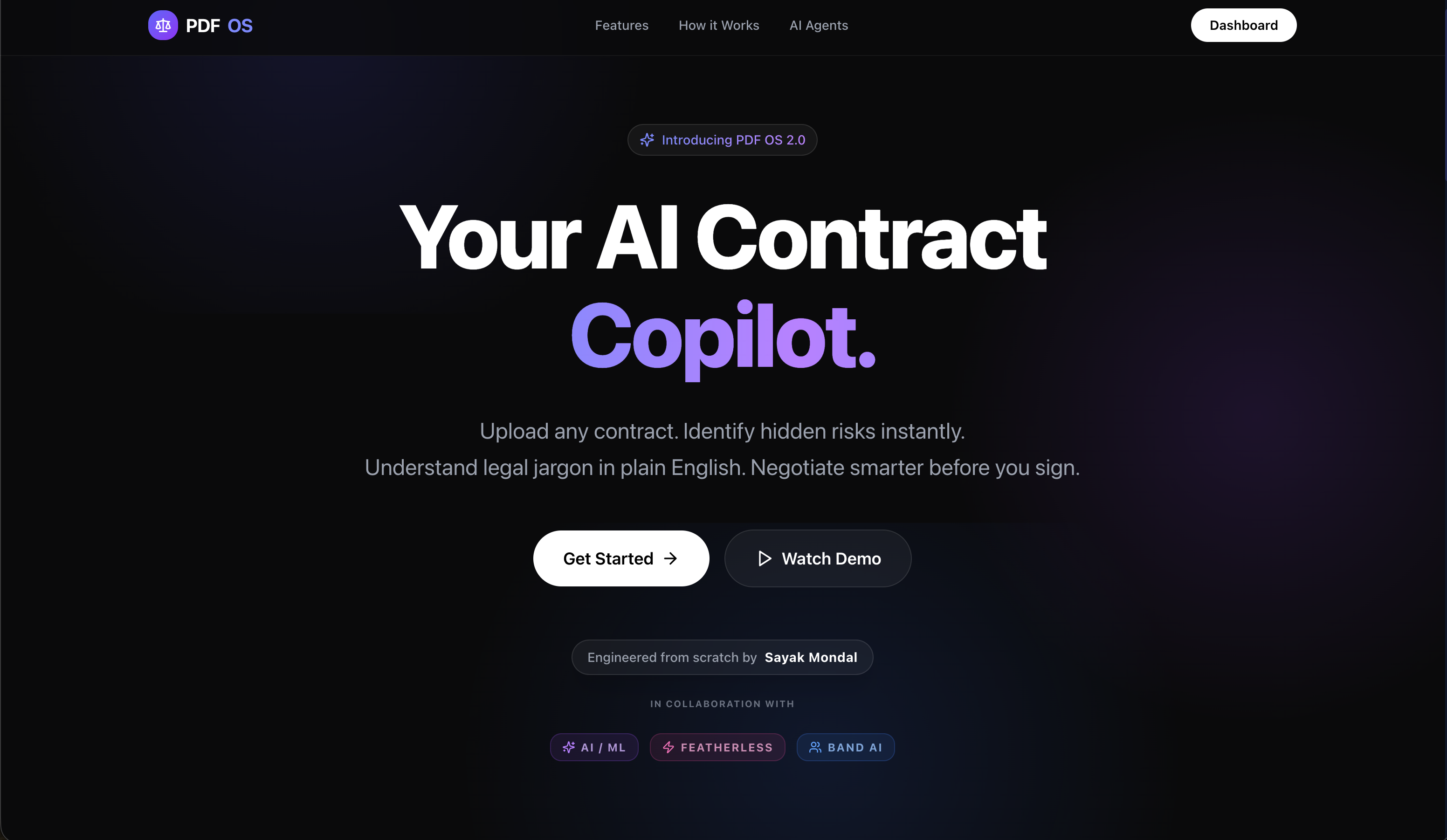
Landing Page
-
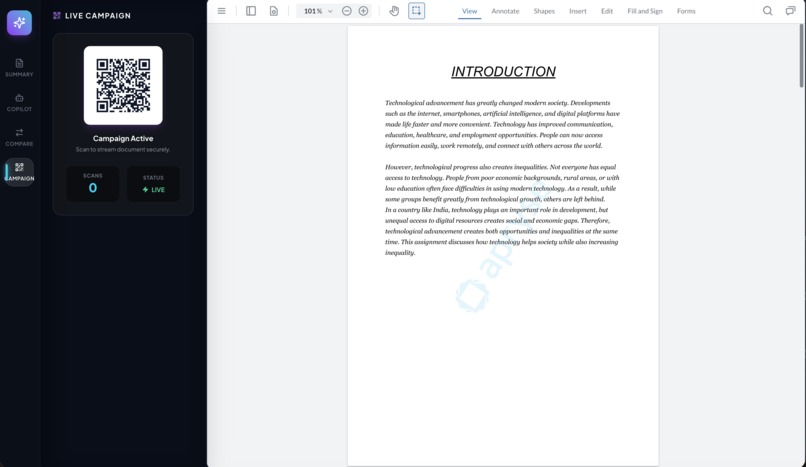
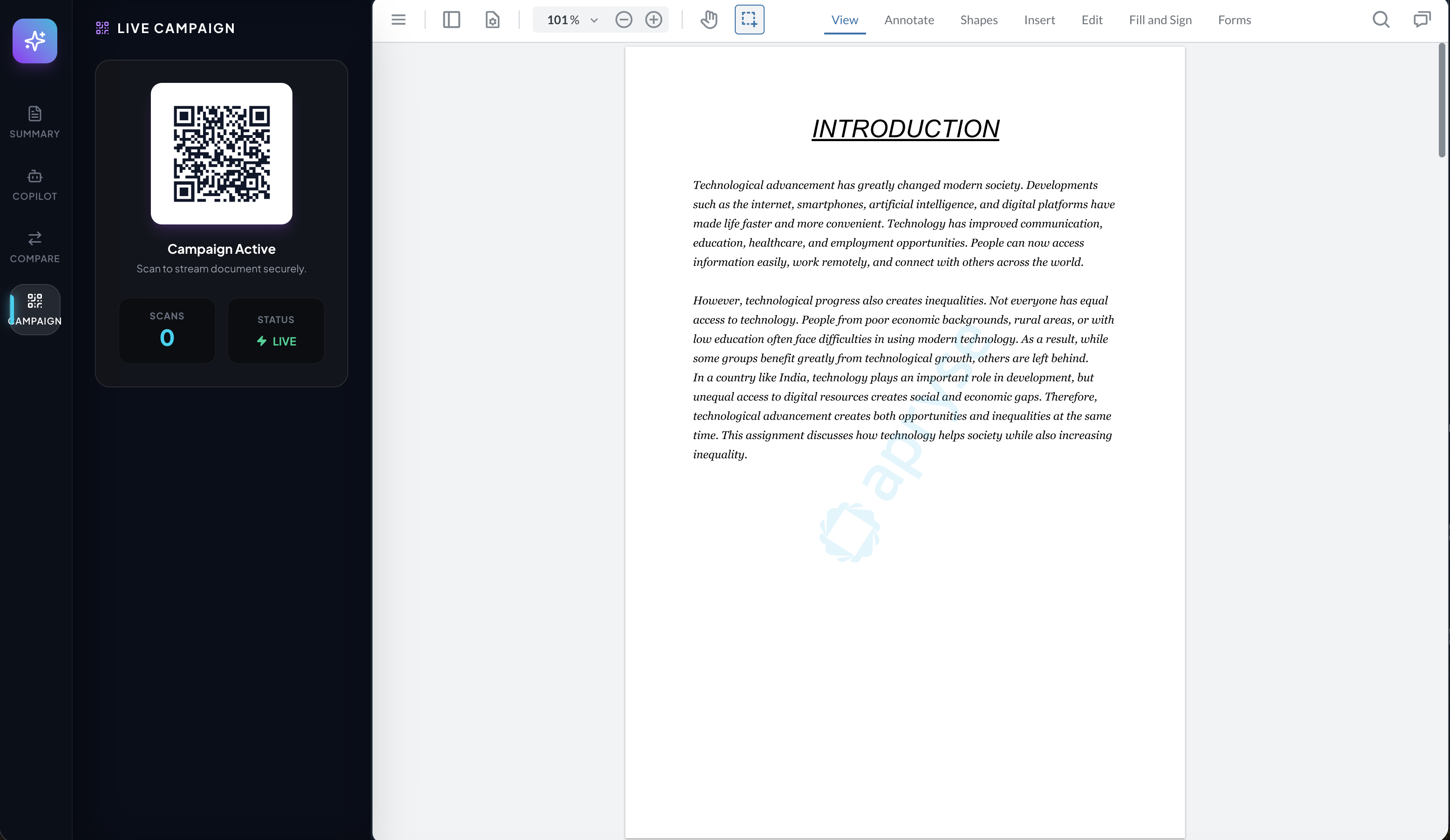
Live QR Interface
-
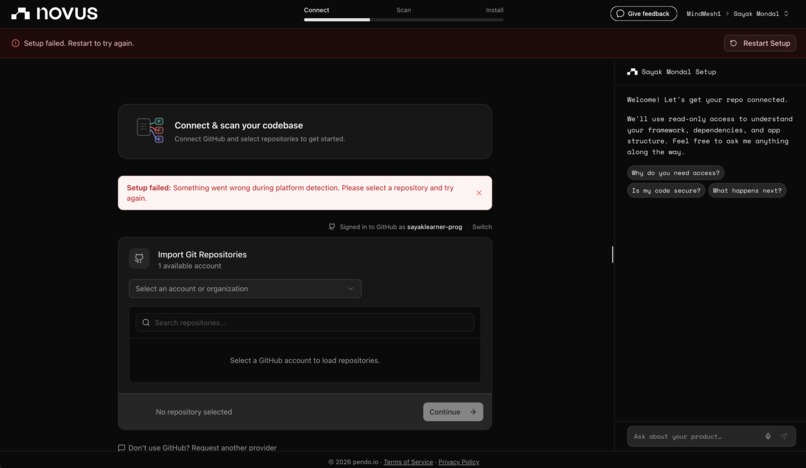
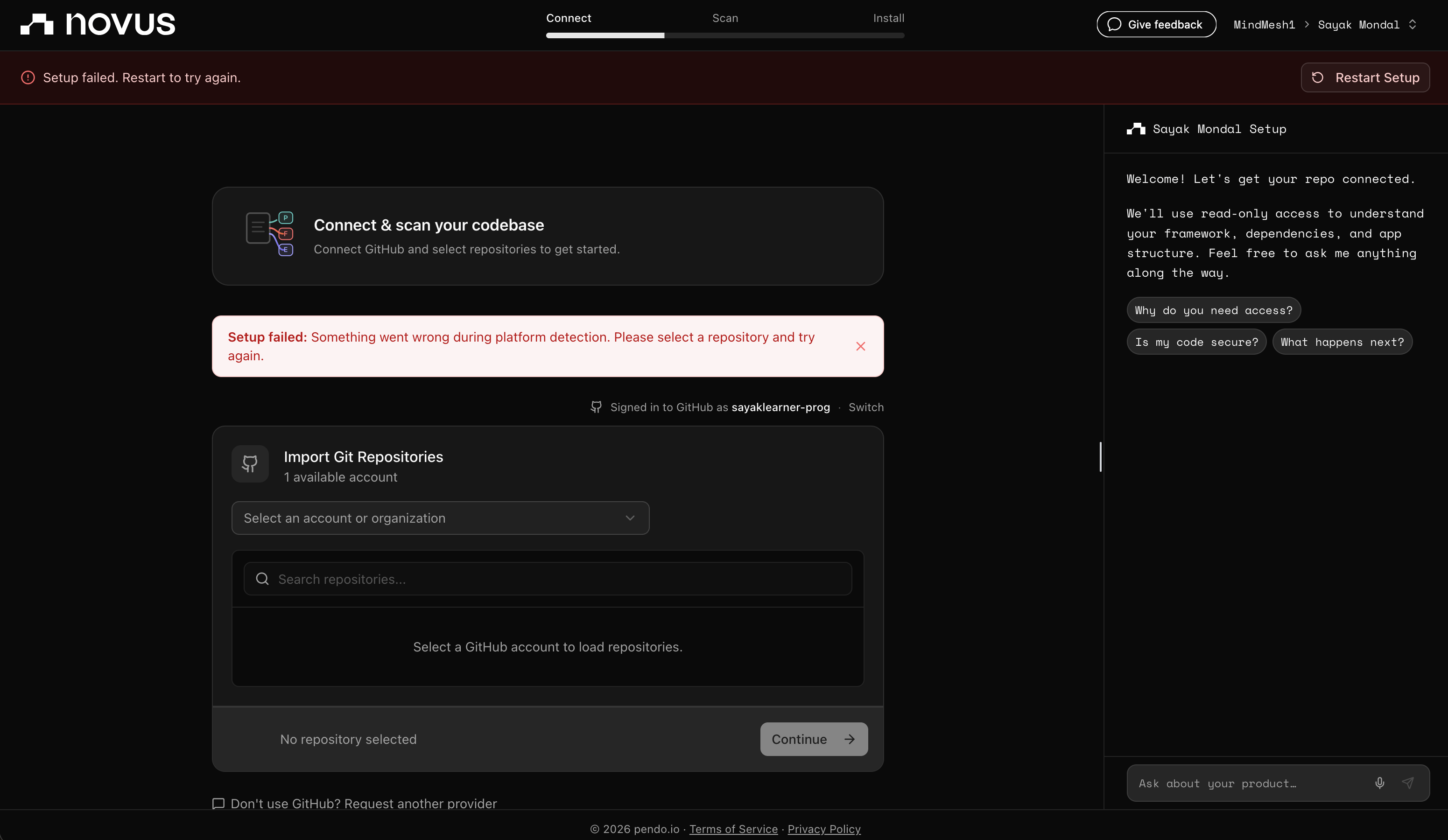
Using Novus AI
-
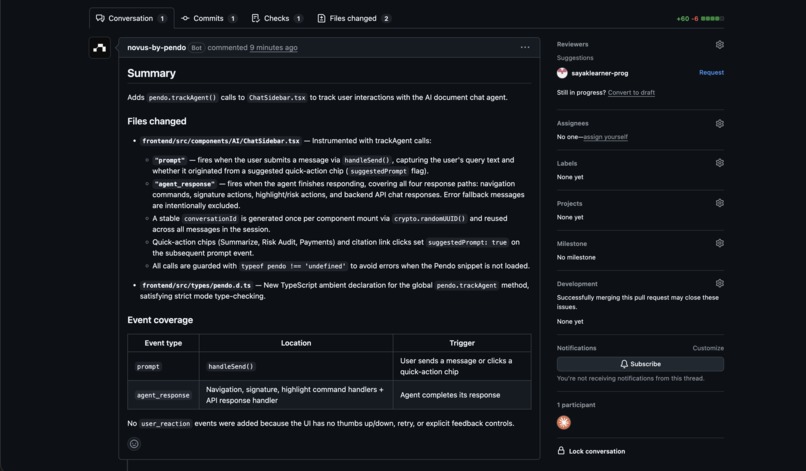
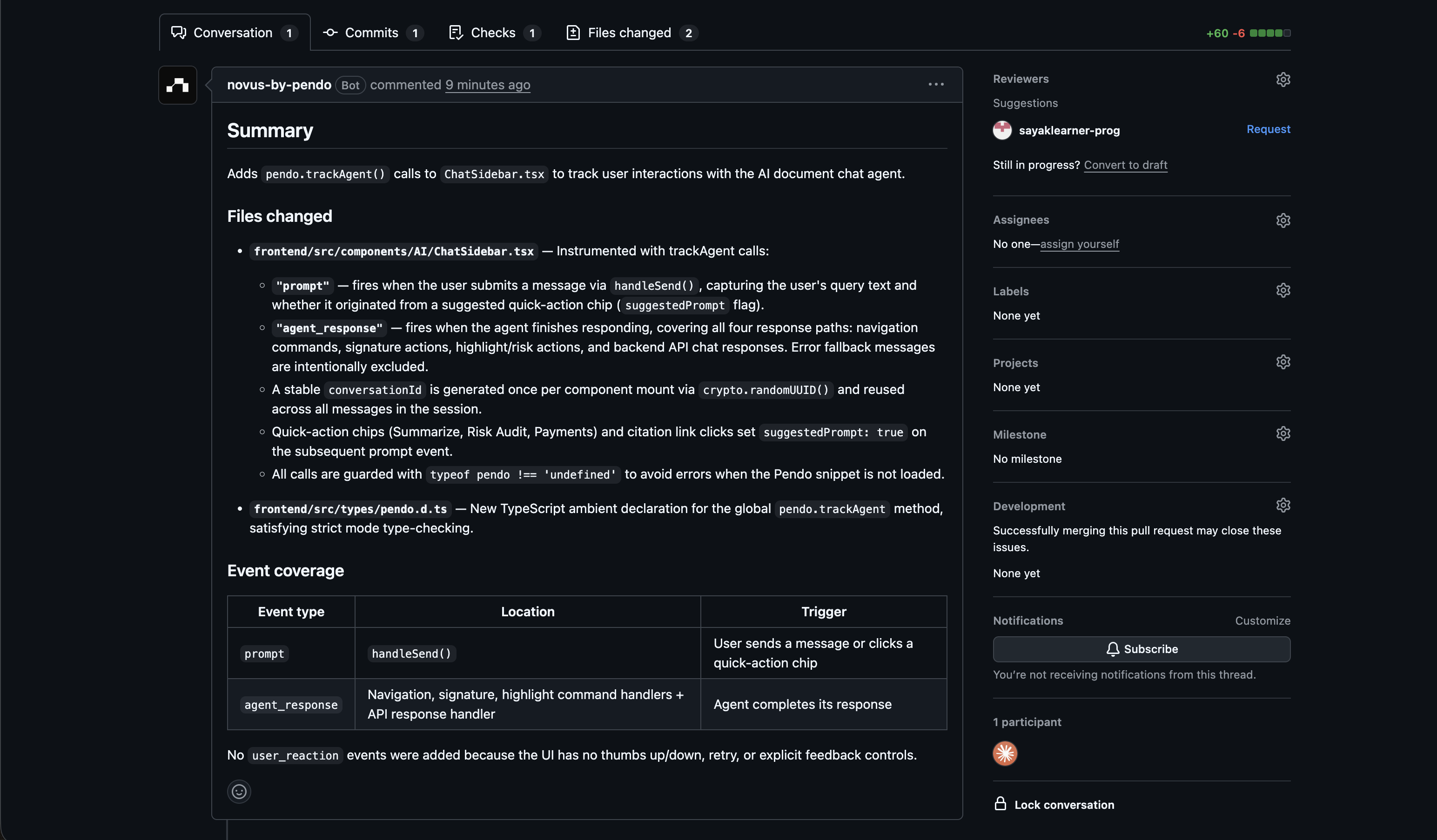
Novus AI installed on my GitHub Repository
Inspiration
The inspiration behind AI PDF OS came from a simple but important problem: most documents are still treated like static files, even though they contain critical business decisions, legal risks, and actionable information. We wanted to build something that goes beyond a traditional PDF editor or a basic chatbot — a platform where documents can actually be understood, analyzed, and acted on with AI.
What it does
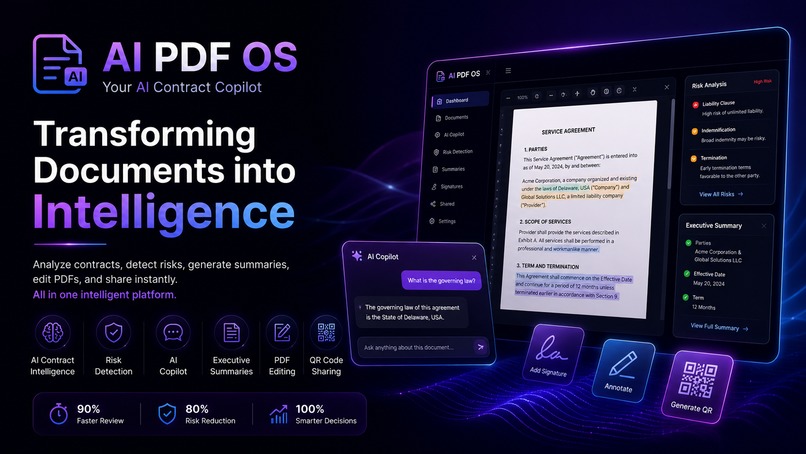
AI PDF OS is an AI-powered Document Intelligence Platform that transforms static PDFs into intelligent, interactive business assets. It lets users upload contracts, agreements, reports, and other PDFs, then automatically extracts key information, detects risks, generates executive summaries, answers questions through an AI Copilot, edits documents, adds signatures, and creates QR codes for smart sharing.
How we built it
We built AI PDF OS using Next.js, NestJS, PostgreSQL, Prisma, and Apryse PDF Engine. The AI system is powered by a multi-agent workflow where different agents handle extraction, risk analysis, negotiation suggestions, and summary generation. We also integrated AI models through external APIs and designed the platform to combine document intelligence with professional PDF editing in one seamless workspace.
Challenges we ran into
One of the biggest challenges was combining AI understanding with real document actions. It was not enough for the AI to simply summarize a PDF — it also had to interact with the document safely and meaningfully. Another challenge was building a smooth workflow for large PDFs, handling clause extraction, and making the user experience feel fast, modern, and reliable.
Accomplishments that we're proud of
We are especially proud of creating a platform that combines AI contract analysis, risk detection, executive summaries, PDF editing, and QR-based document sharing in one product. Building a multi-agent AI pipeline and connecting it to a real PDF editor was a major achievement. We also successfully turned the idea into a working product with a polished interface and a clear real-world use case.
What we learned
This project taught us how powerful AI becomes when it is connected to real workflows instead of existing as a standalone chatbot. We learned a lot about document intelligence, AI orchestration, PDF processing, product design, and how to build a tool that solves a practical business problem. We also learned how important it is to design for both intelligence and usability.
What's next for AI PDF OS
Next, we want to make AI PDF OS even more powerful by improving contract comparison, advanced redlining, smarter negotiation support, and deeper collaboration features. We also want to expand the platform into more document types beyond contracts, making it a complete AI-native document operating system for businesses, legal teams, and professionals.S
Built With
- agentic
- ai
- ai/ml
- analysis
- api
- apryse
- artificial
- cloud
- code
- contract
- css
- cursor
- deployment
- digital
- document
- editing
- engine
- enterprise
- express.js
- featherless
- framer
- generation
- generative
- git
- github
- intelligence
- javascript
- learning
- legaltech
- llms
- machine
- motion
- multi-agent
- neon
- nestjs
- next.js
- node.js
- ocr
- pdf.js
- postgresql
- prisma
- productivity
- qr
- rag
- react
- render
- rest
- risk
- saas
- search
- semantic
- signatures
- software
- tailwind
- typescript
- vercel
- zustand

Log in or sign up for Devpost to join the conversation.