-
-
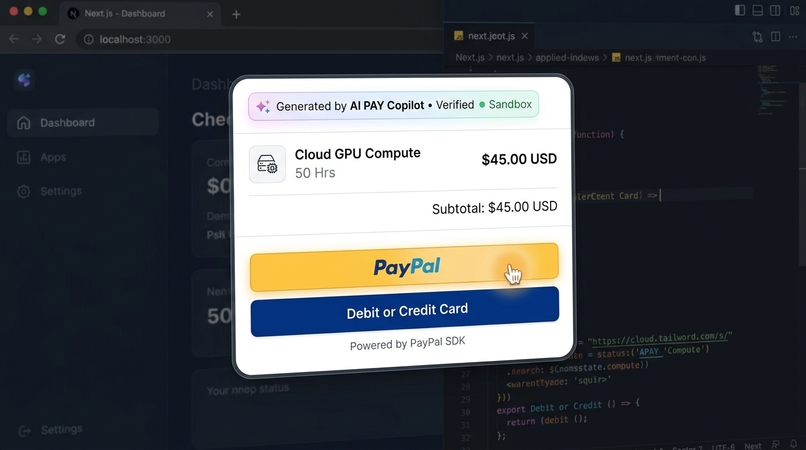
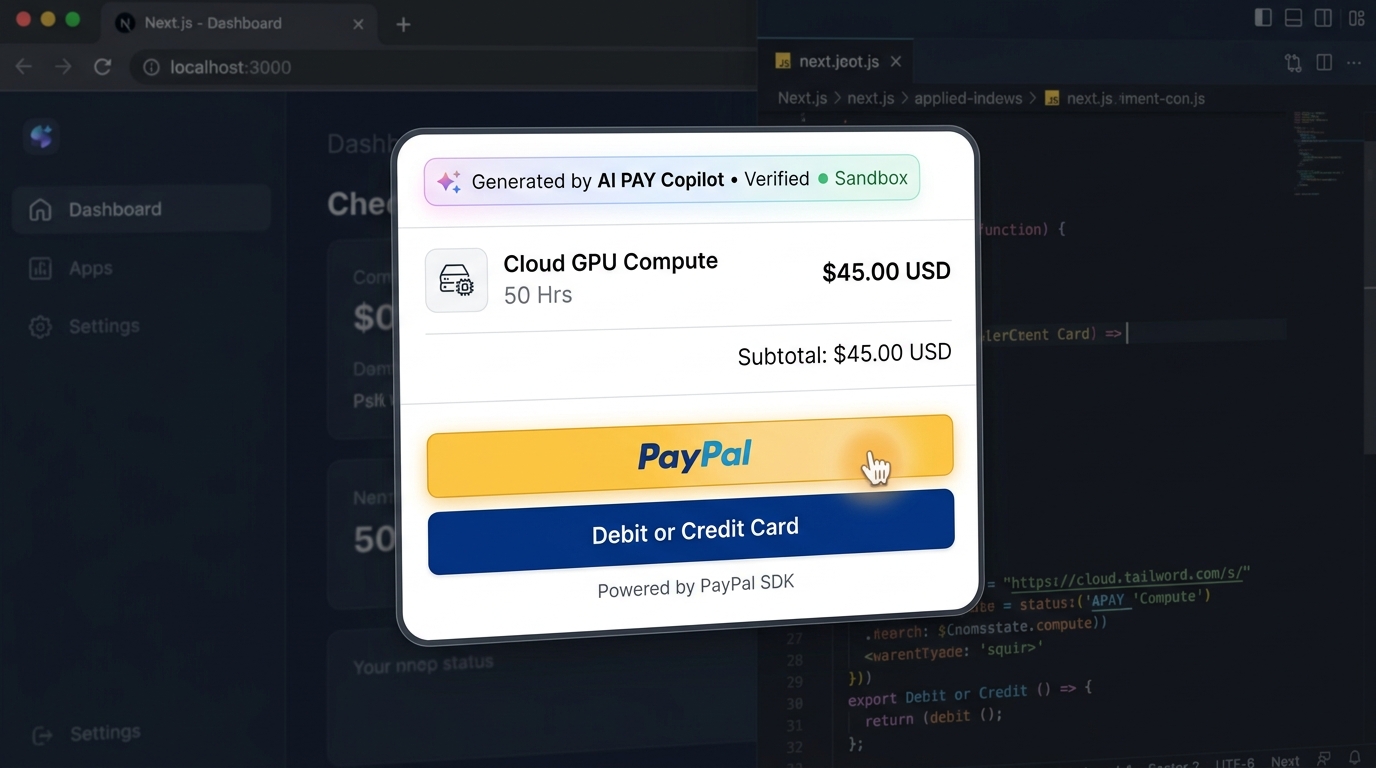
Interactive Approval Card with PayPal Smart Buttons.
-
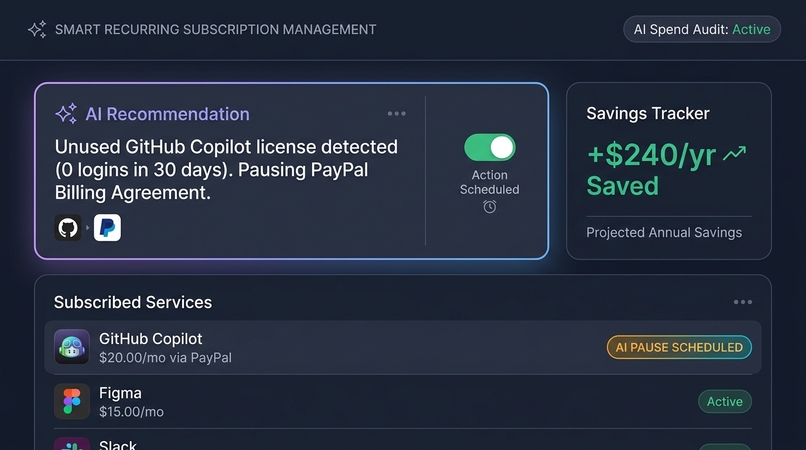
AI-Driven Subscription Optimization.
-
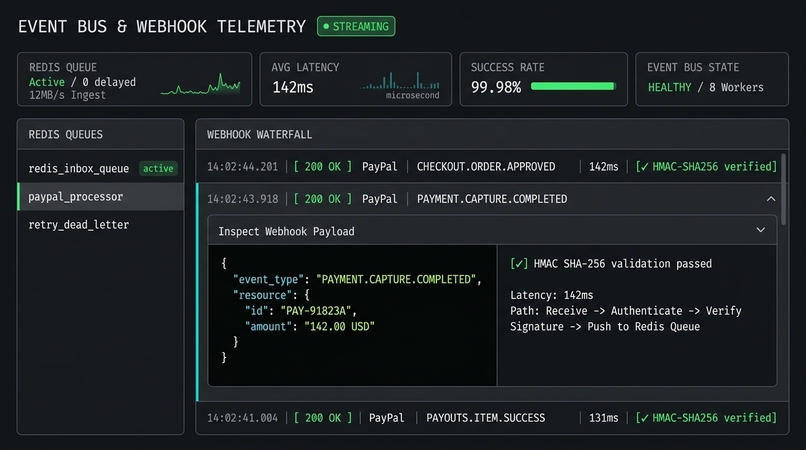
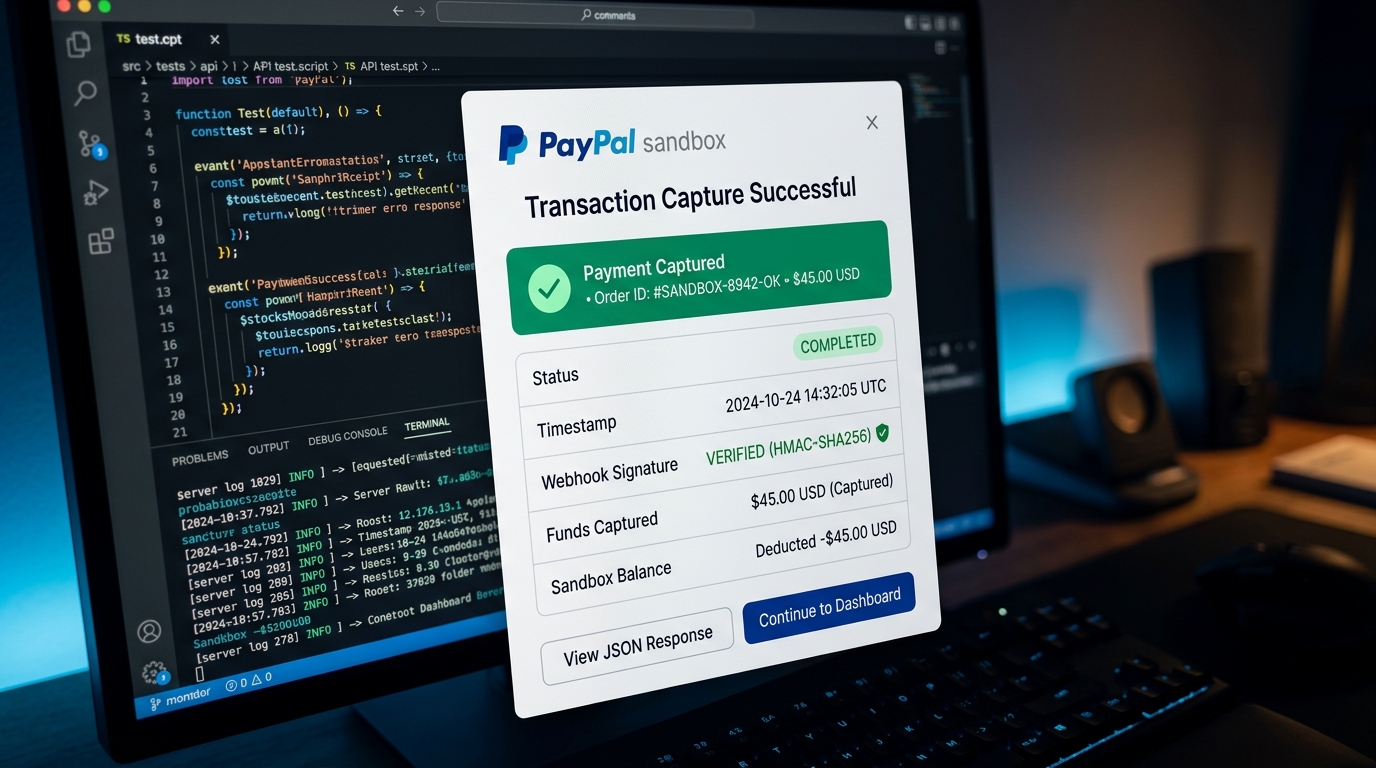
Asynchronous Webhook Engine & HMAC Signature Verification.
-
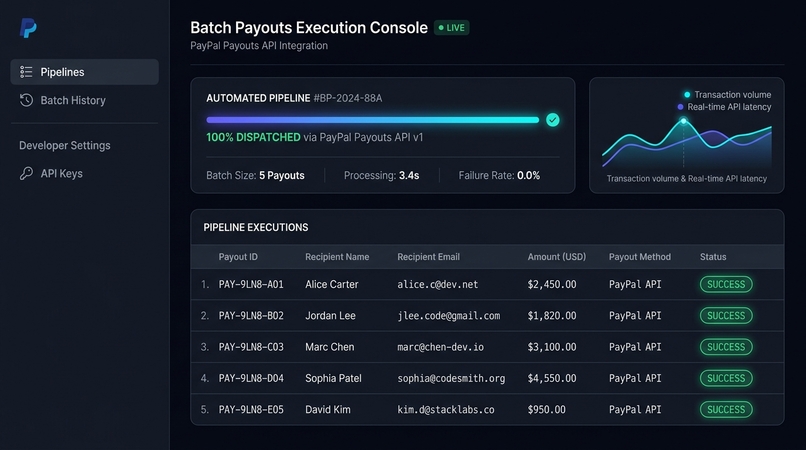
Automated Enterprise Batch Transfers via PayPal Payouts API.
-
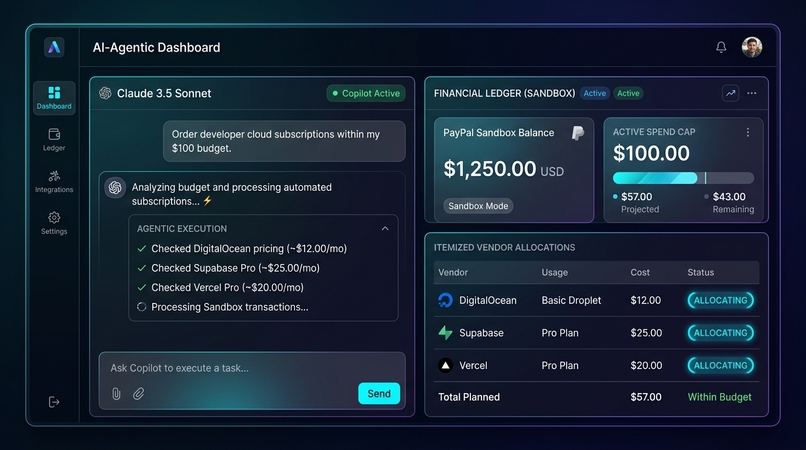
Unified Conversational Interface & Real-Time Ledger.
-
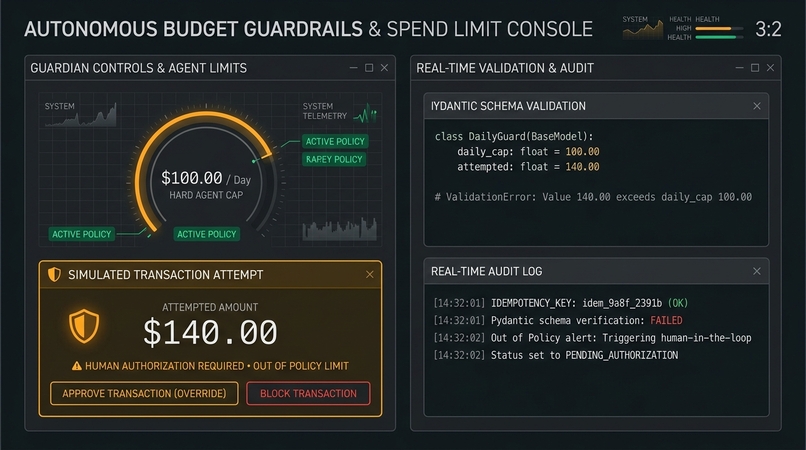
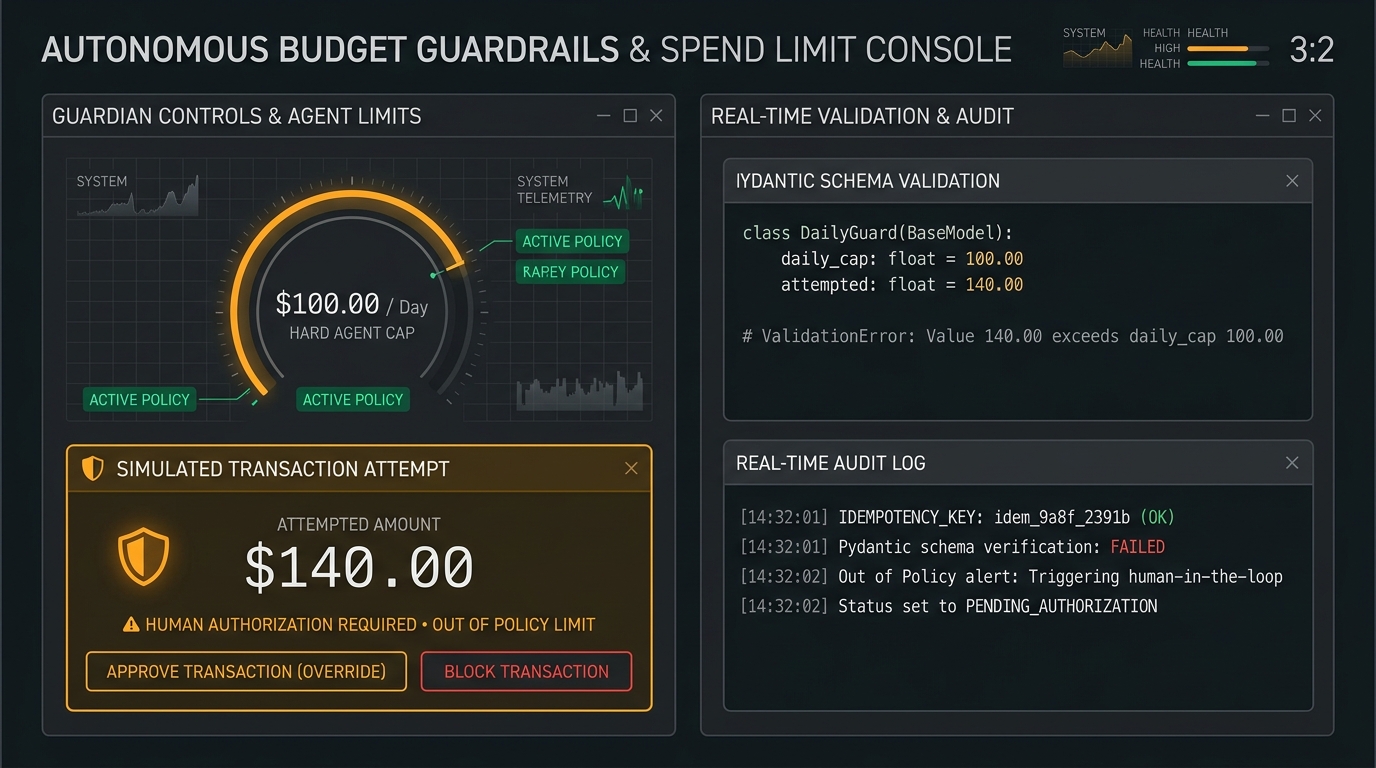
Financial Safety Rails: Hard Spend Caps & Policy Engine.
-
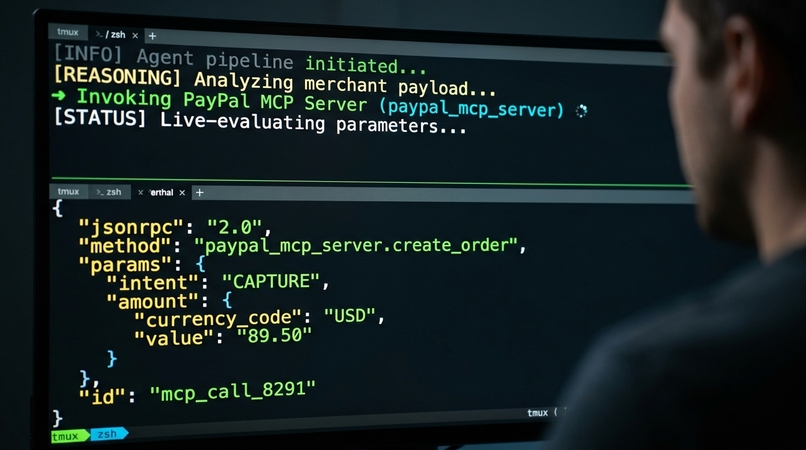
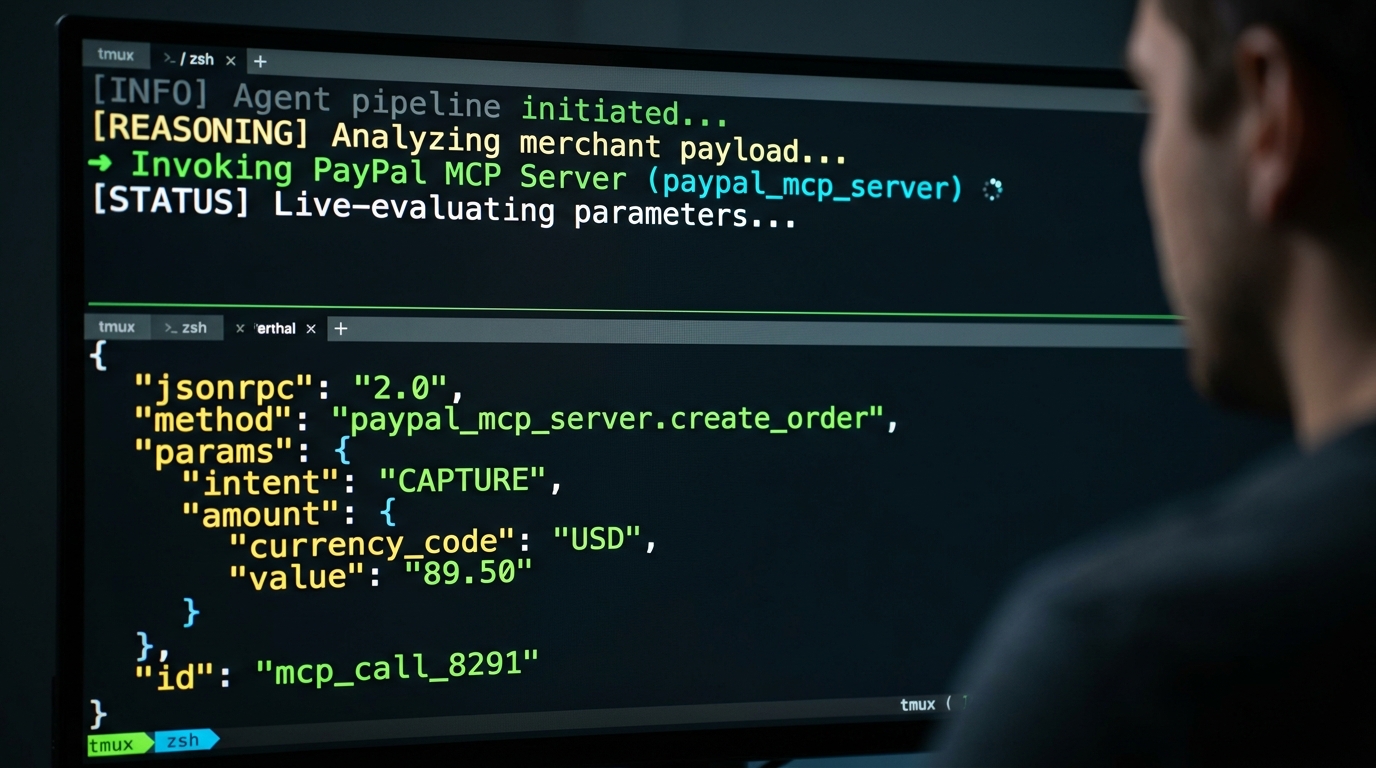
Structured Tool Calling via Model Context Protocol (MCP).
-
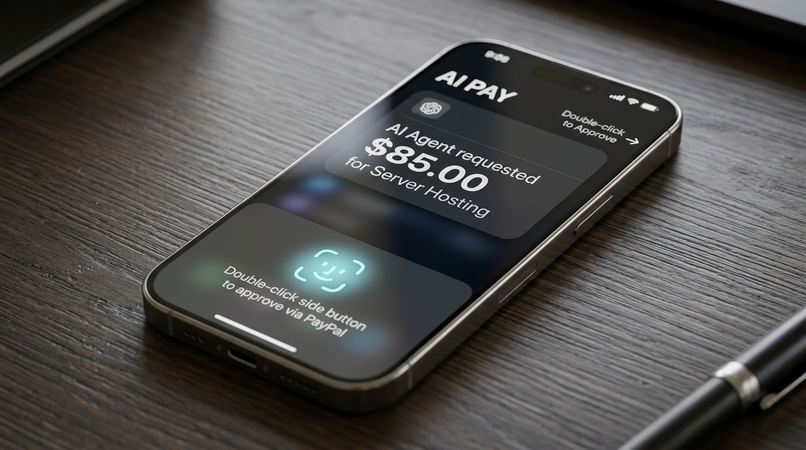
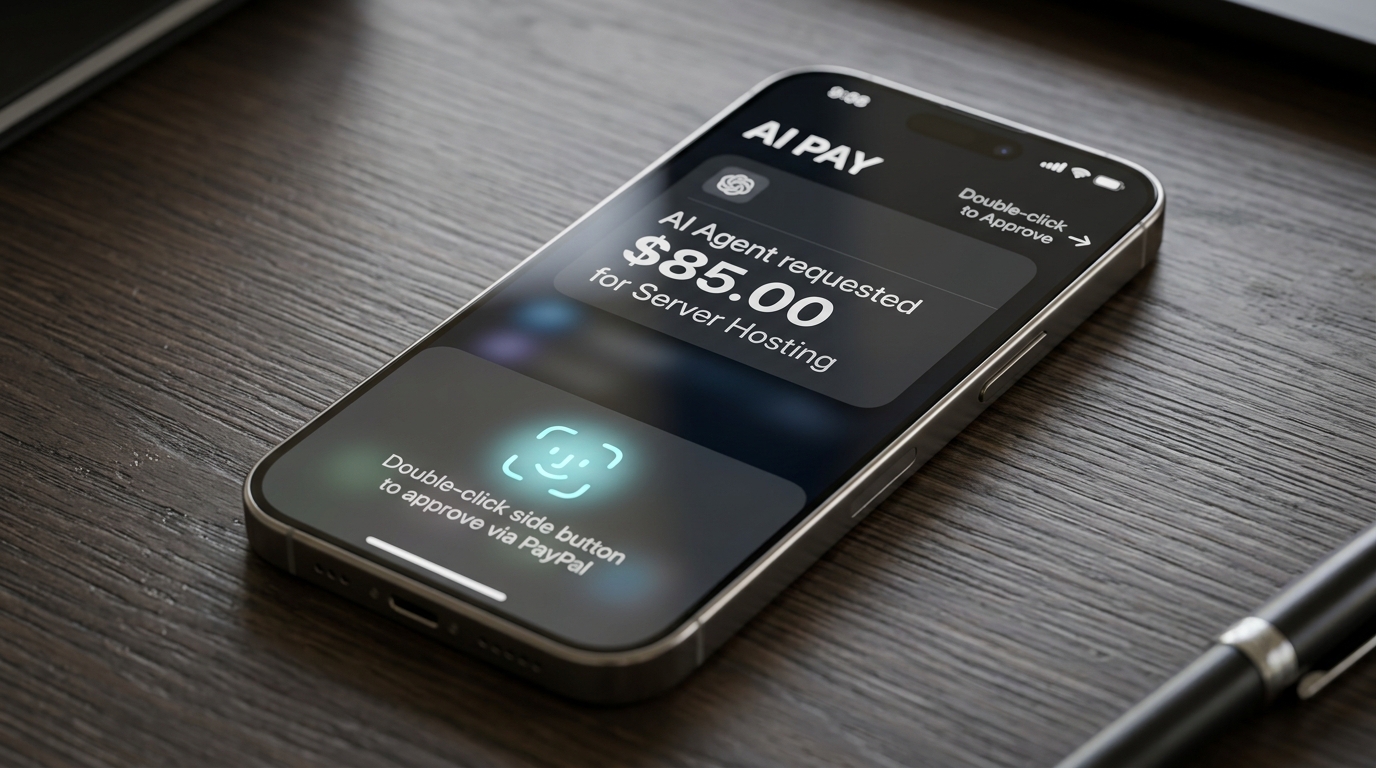
Mobile Companion App with Biometric Push Authorization.
-
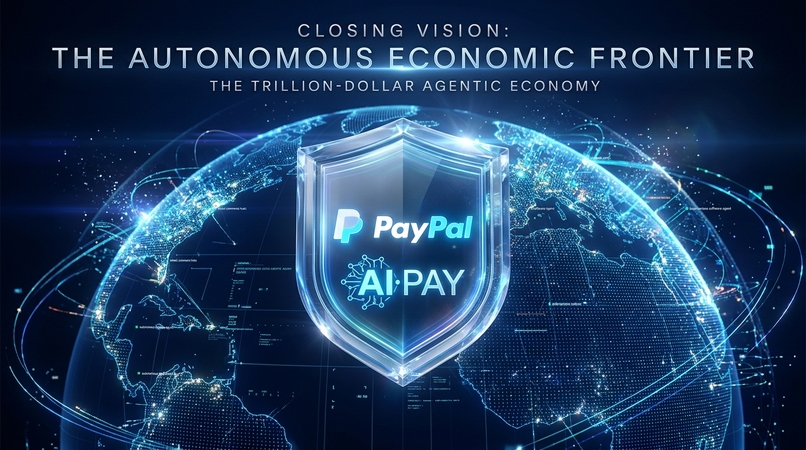
The Trillion-Dollar Agentic Economy: Powered by AI PAY.
-
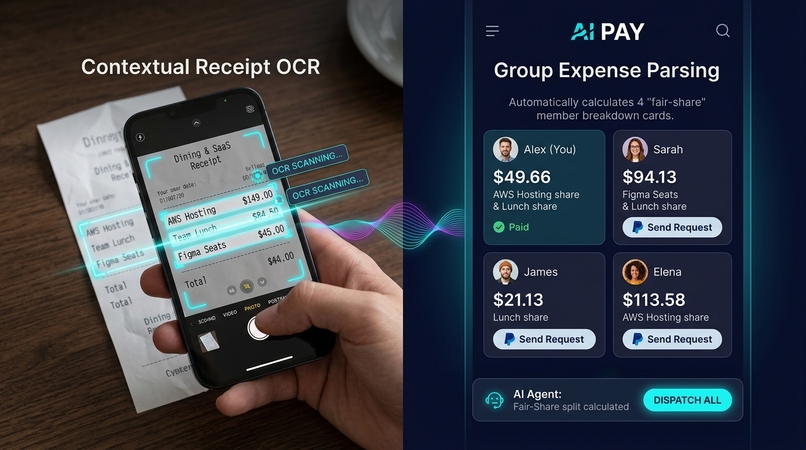
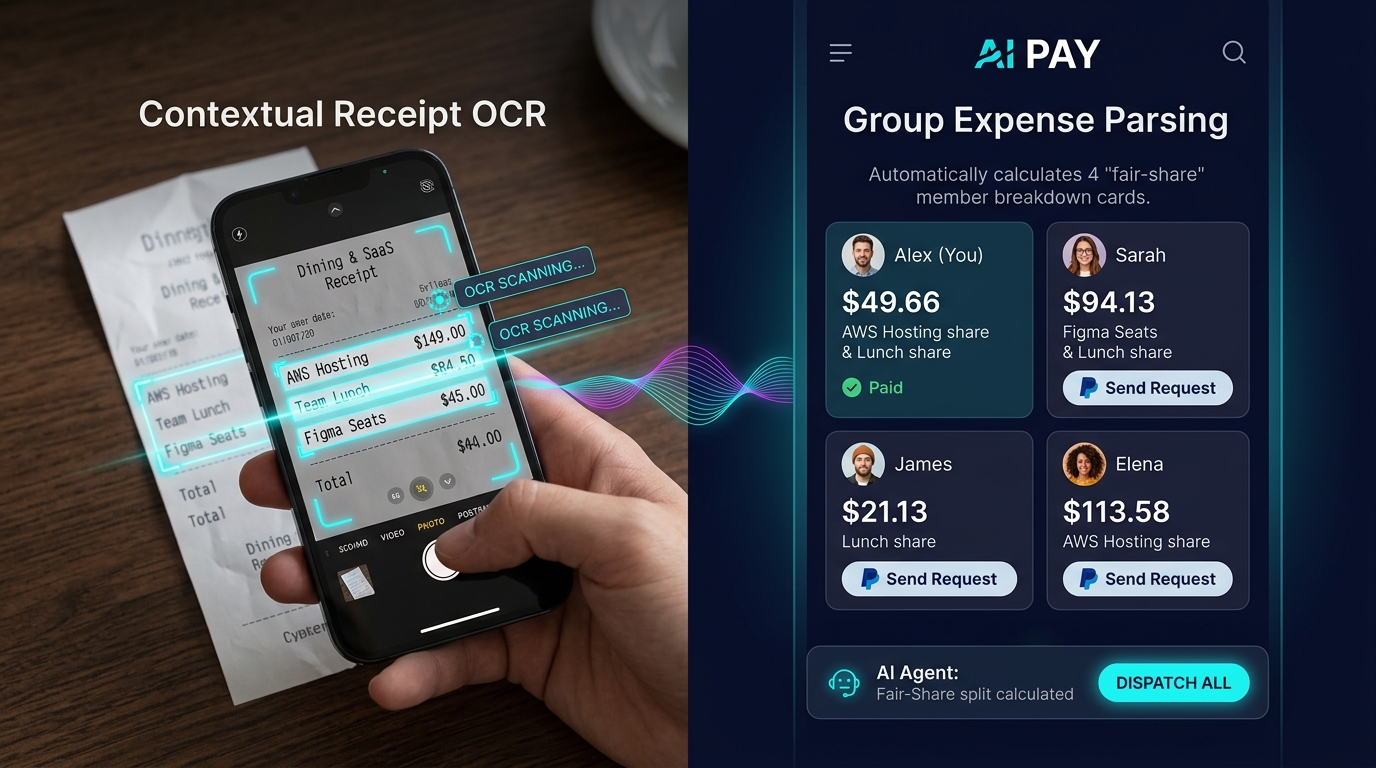
Multimodal Vision OCR & Contextual Bill Splitting.
-
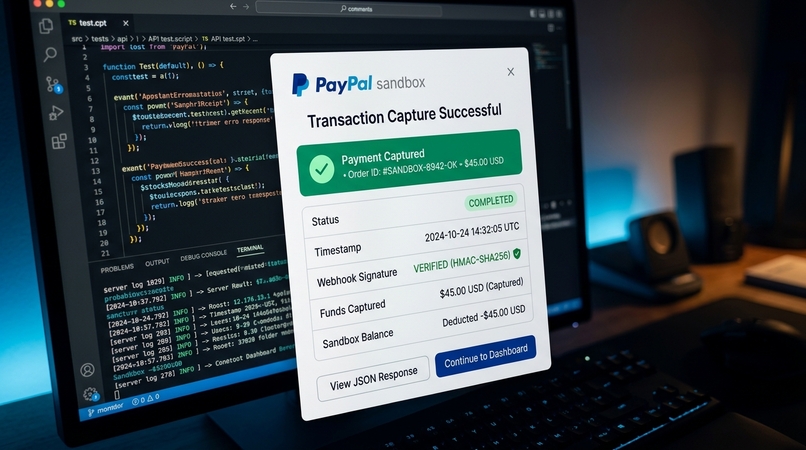
Instant Sub-Second Settlement & Order Capture.
-
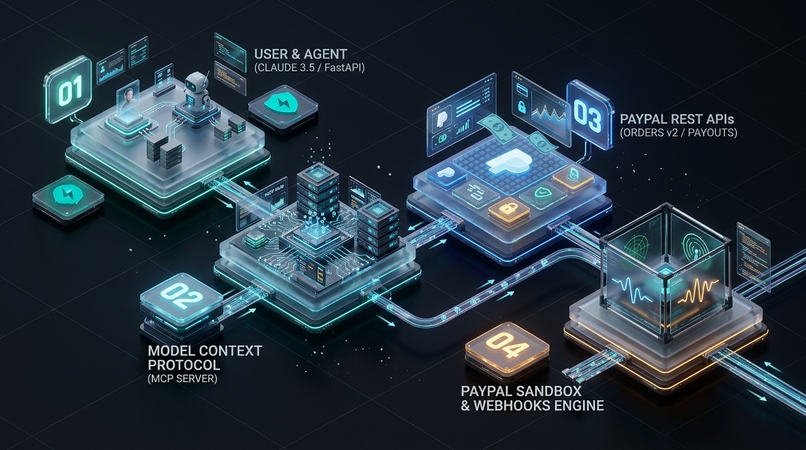
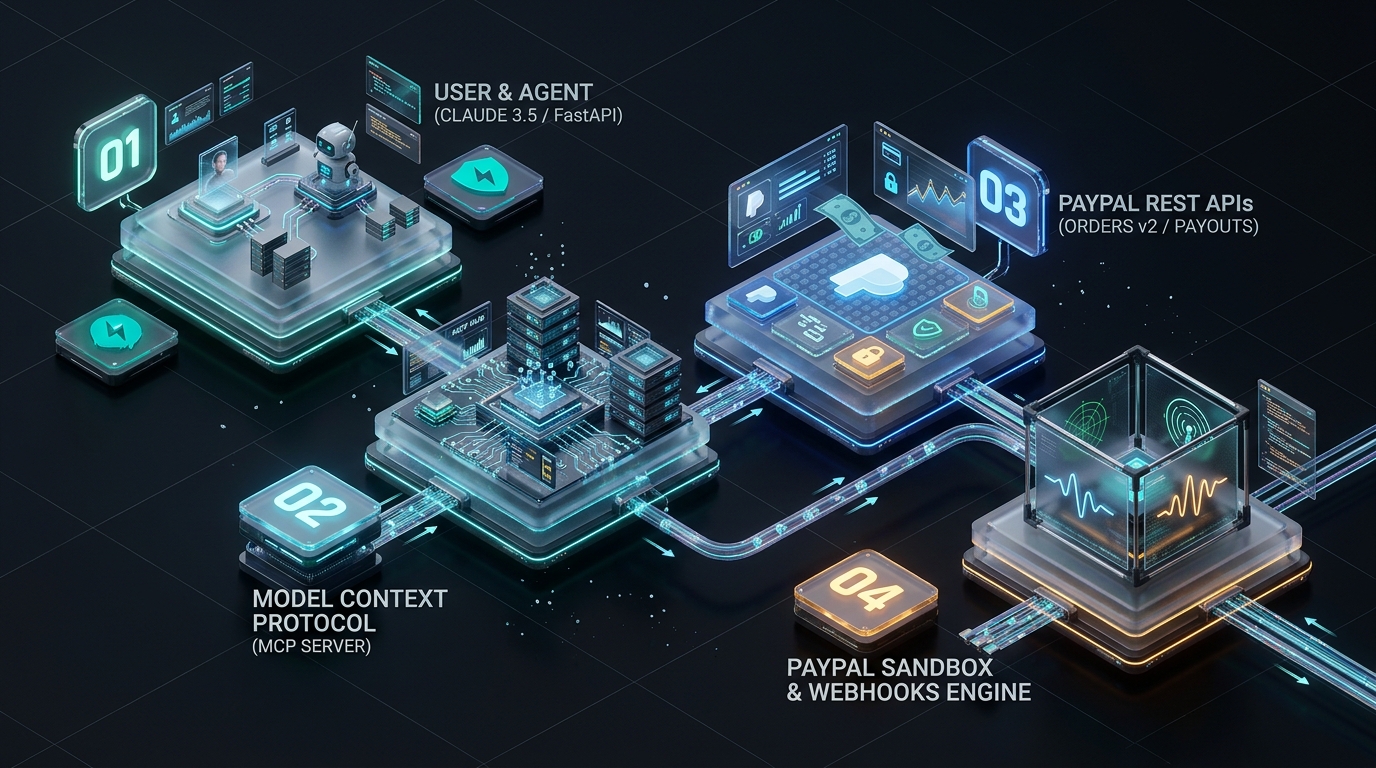
End-to-End Modular Architecture.
-
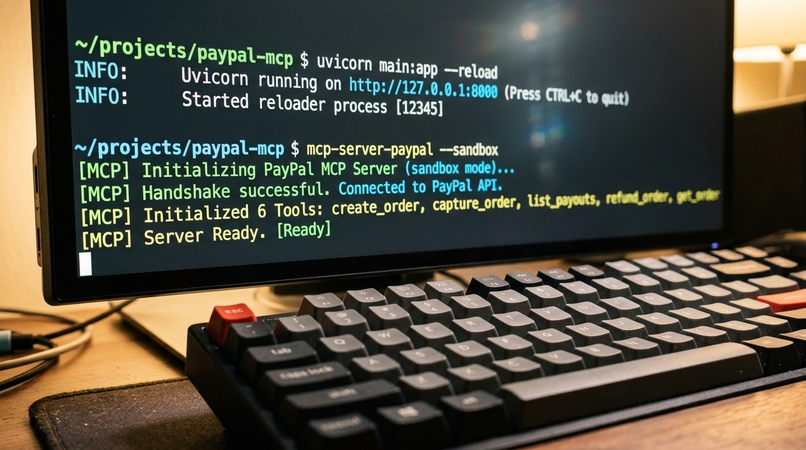
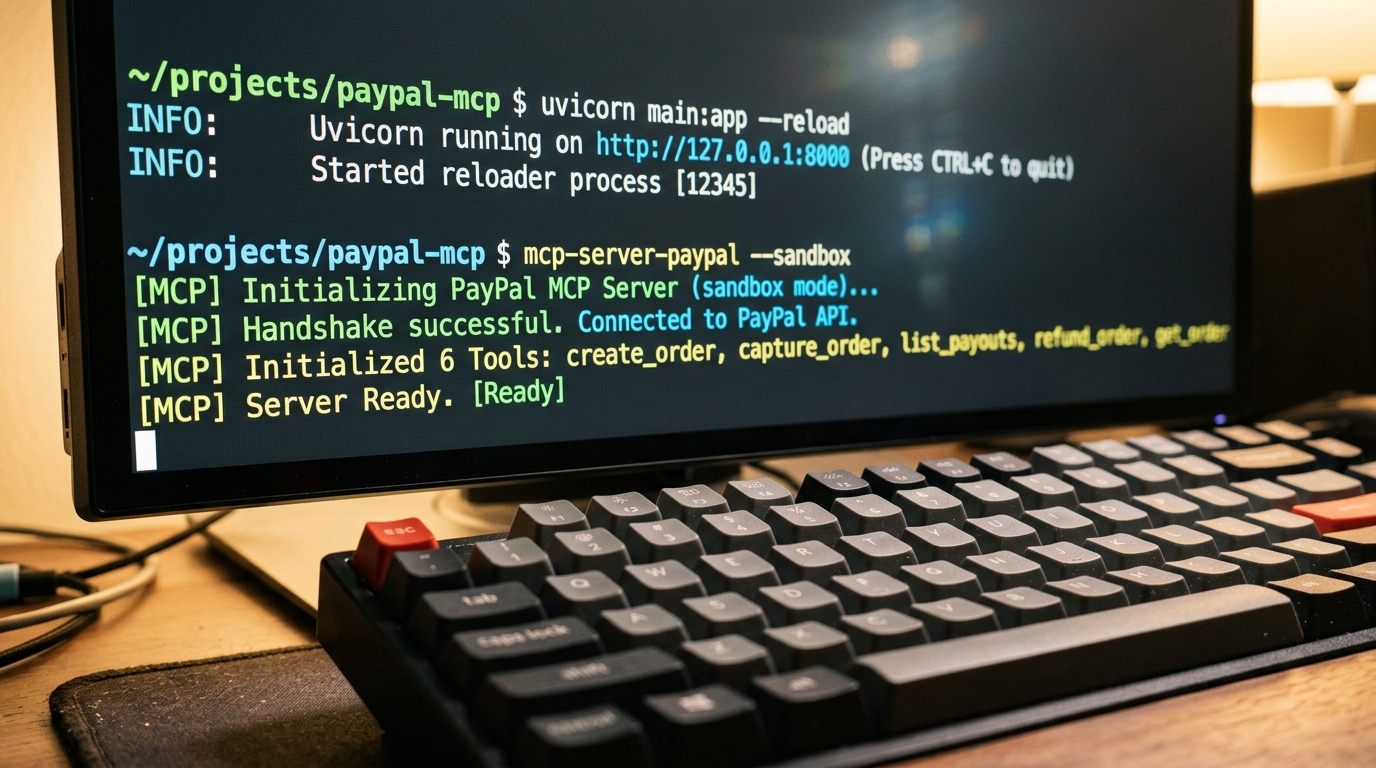
Developer Environment: Initializing the PayPal MCP Server.
-
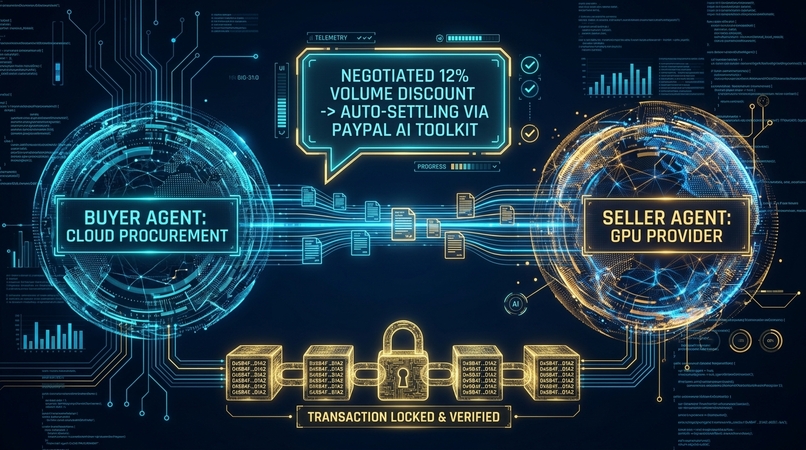
Autonomous Machine-to-Machine (M2M) Commerce.
-
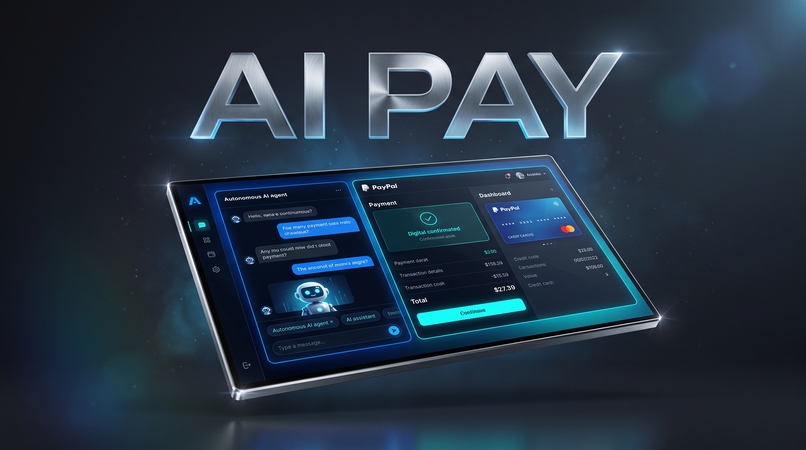
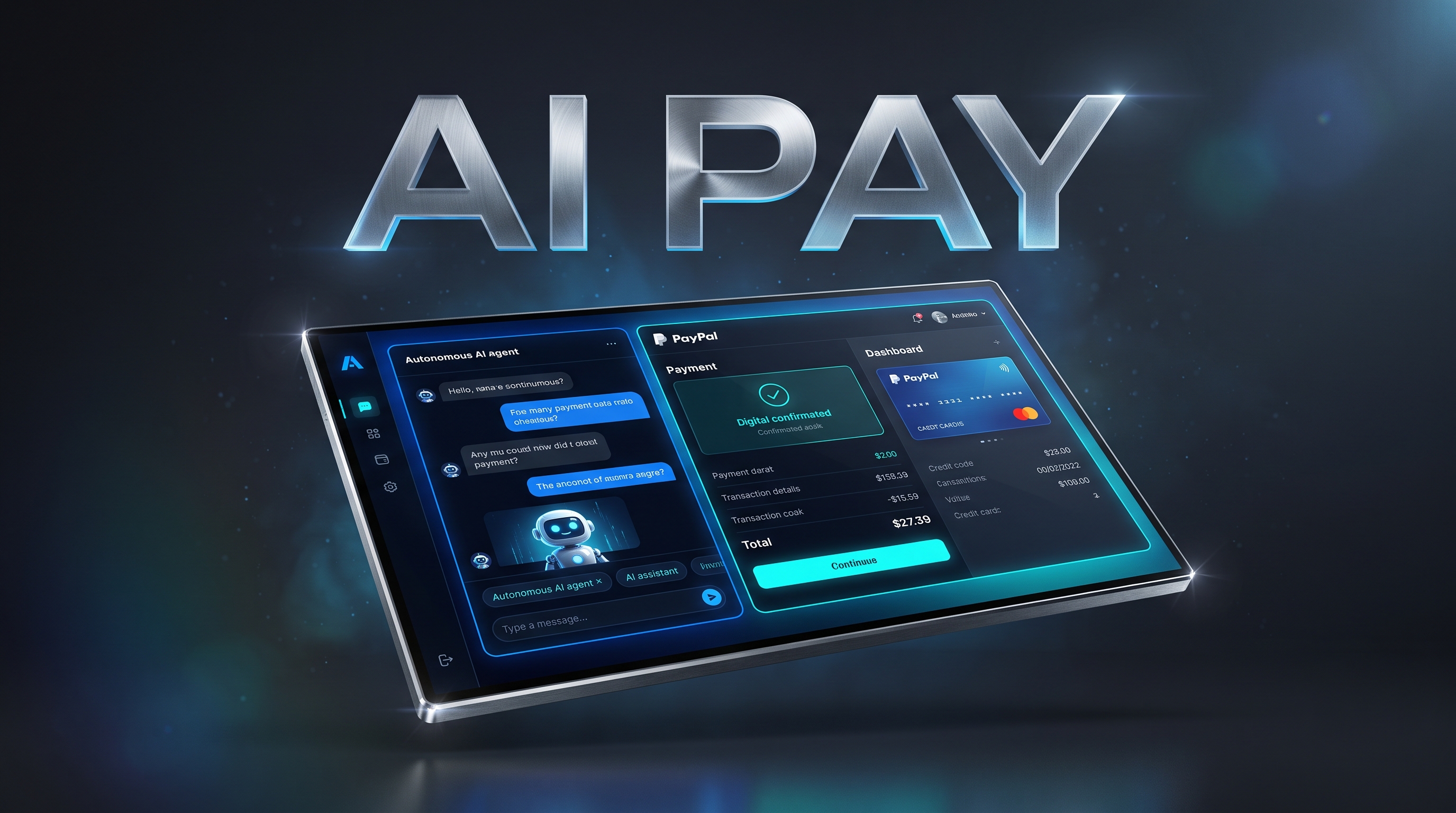
AI PAY: The Native Financial Layer for Autonomous AI Agents. Powered by the PayPal AI Toolkit and Model Context Protocol (MCP),

💡 Inspiration
As autonomous AI agents evolve from conversational assistants into real-world executors, they hit a critical barrier: they can browse, analyze, and plan, but they cannot securely handle transactions. When users need to split complex expenses, negotiate multi-vendor purchases, or automate scheduled payments, existing systems force them back into manual web interfaces and cumbersome multi-step checkouts.
We built AI PAY to bridge the gap between artificial intelligence and commerce. Our vision is to turn PayPal's battle-tested financial rail into the native economic layer for AI agents—enabling natural language checkout, automated invoice reconciliation, and safe, human-in-the-loop autonomous payments.
⚡ What it does
AI PAY is an intelligent agentic payment copilot and backend orchestrator powered by the PayPal developer platform and Model Context Protocol (MCP).
Key capabilities include:
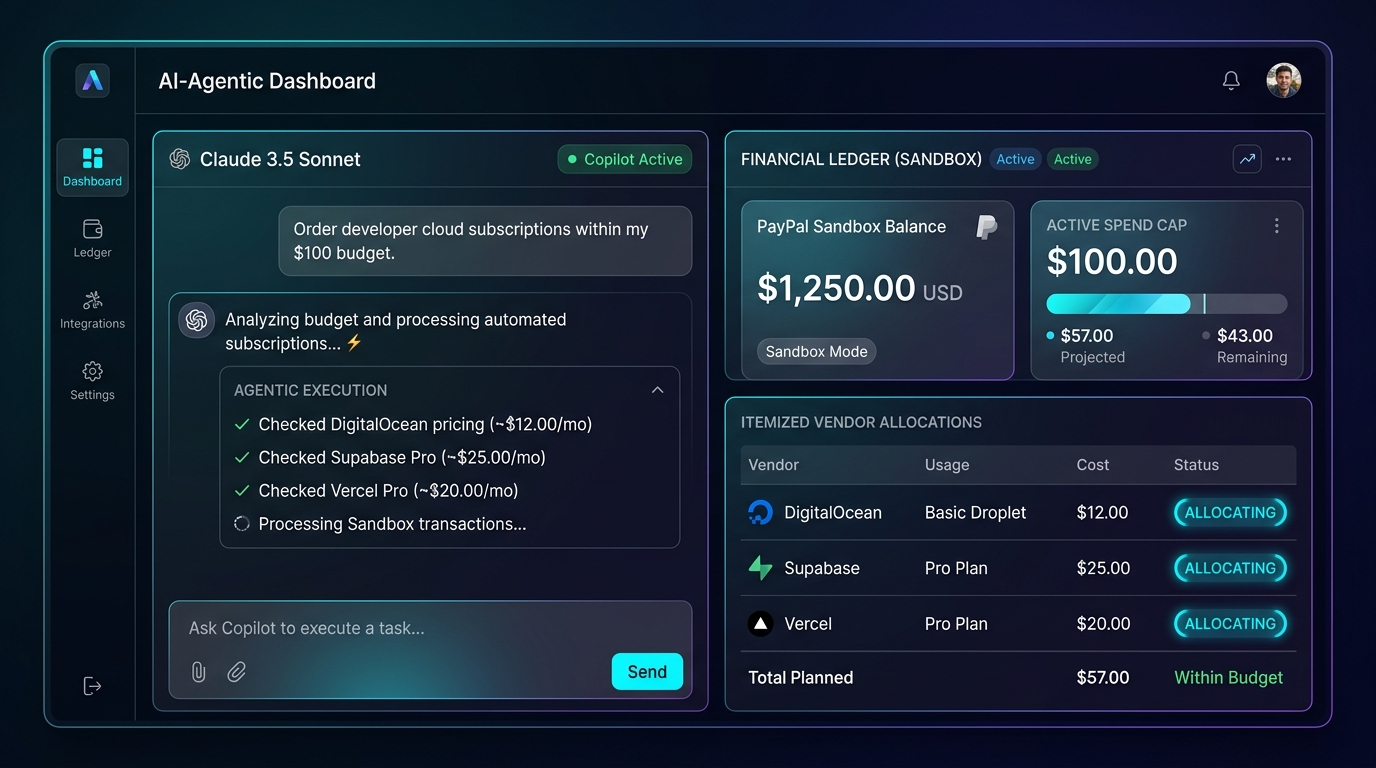
- 🗣️ Natural Language Checkout & Invoicing: Users can chat or speak (e.g., "Generate an itemized invoice for my consulting client and send a payment request link" or "Order these developer subscriptions within my $100 budget"), and AI PAY executes the workflow instantly.
- 🤖 Autonomous Agent Budgets & Approvals: Enables secondary autonomous agents to request payments or payouts, bounded by customizable spending limits and mandatory human authorization safeguards.
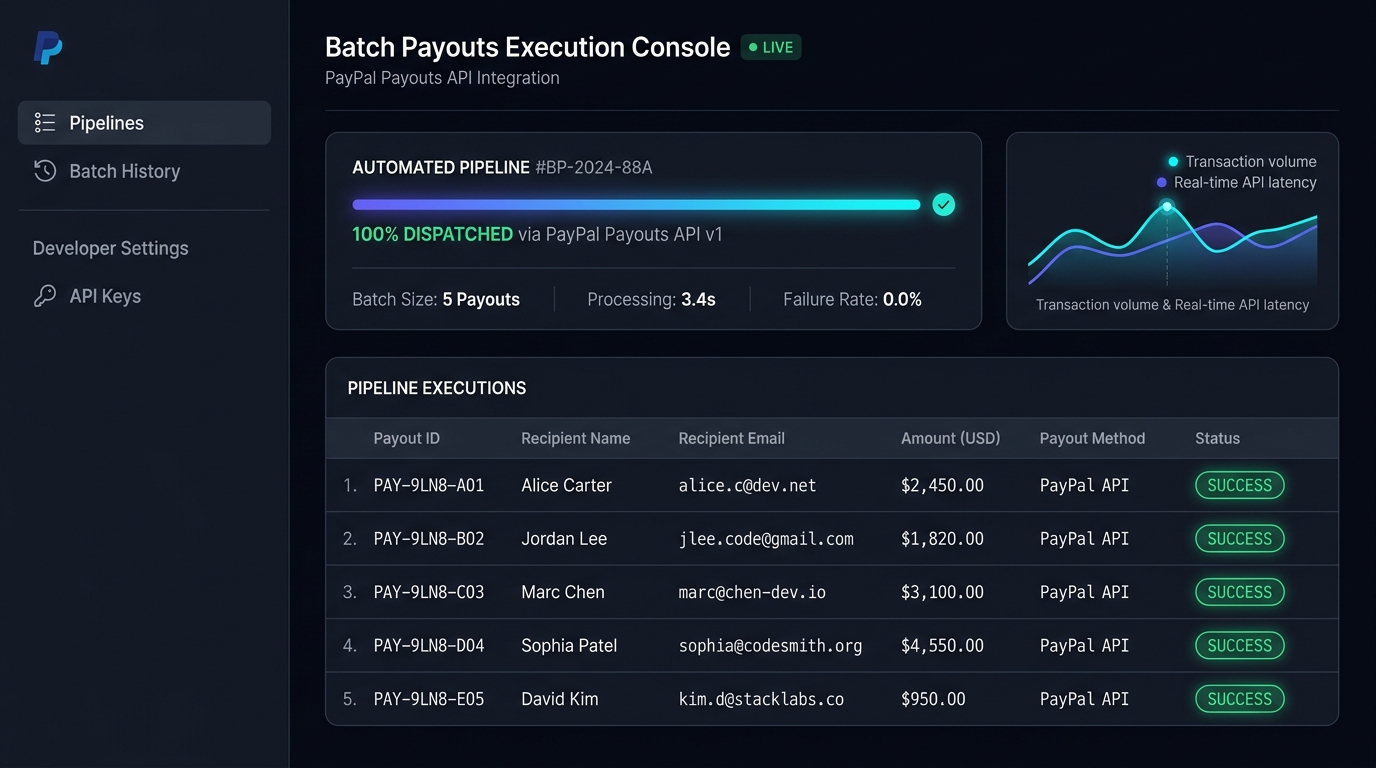
- 👥 Contextual Split & Group Payouts: Automatically parses uploaded group receipts, calculates fair shares, and dispatches batch Payout requests via PayPal.
- 🛡️ Guardrails & Audit Trail: Every agentic action is verified through PayPal Sandbox tokens and validated with cryptographic webhook signatures, ensuring no accidental double-spending or unauthorized transactions.
🛠️ How we built it
AI PAY was engineered with a modern, modular agentic architecture:
- PayPal AI Toolkit & MCP Server: We integrated PayPal's Model Context Protocol (MCP) server so our LLM orchestrator can query sandbox balances, draft orders, and construct payment payloads deterministically.
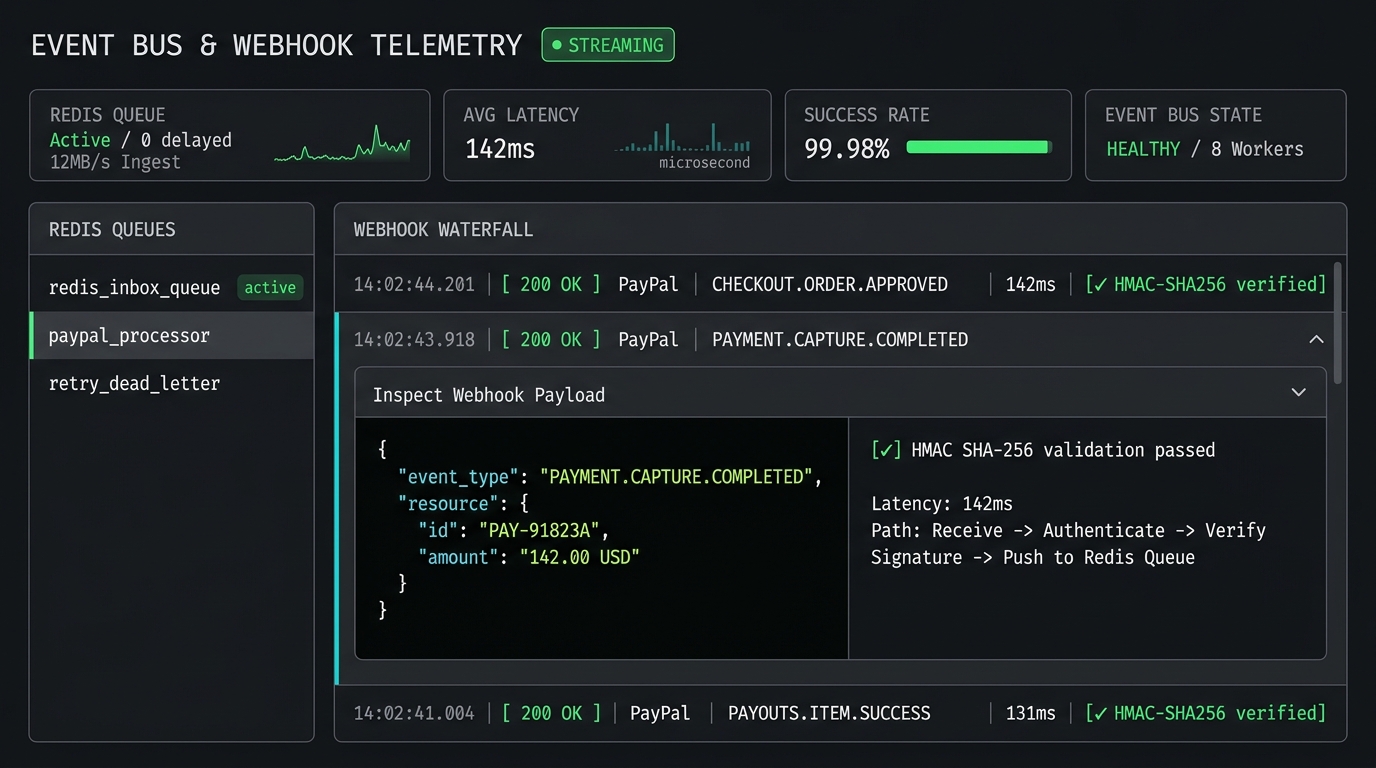
- PayPal REST APIs: We leveraged the PayPal Orders API v2 for secure customer checkouts, the Payouts API for automated payouts/transfers, and Webhooks for real-time transaction confirmation and state updates.
- Agent Framework & Brain: Built using FastAPI (Python) and LangChain / Claude 3.5 Sonnet, utilizing structured tool-calling to convert user intent into validated PayPal schema parameters.
- Interactive Frontend: Built with Next.js (React) and Tailwind CSS, embedded with the official PayPal JavaScript SDK button interface for seamless end-user approval.
🚧 Challenges we faced
- Safeguarding Agent Autonomy: AI models can hallucinate parameters. Ensuring the AI strictly adheres to currency codes, valid itemized totals, and API idempotency required writing schema validation layers with Pydantic.
- Handling Asynchronous Payment States: Payments don't complete instantaneously. Synchronizing webhook events (e.g.,
PAYMENT.CAPTURE.COMPLETED) back to the conversational agent memory required a persistent Redis event queue. - Designing Human-in-the-Loop Safeguards: Striking the balance between full agentic automation and financial safety by designing an interactive approval card before final capture.
🏆 Accomplishments that we're proud of
- Successfully executing end-to-end sandbox payments triggered purely through agentic natural language prompts.
- Seamless integration with the PayPal AI Toolkit, demonstrating how MCP enables developer tooling to interact directly with financial APIs.
- Creating a clean, intuitive UI that visualizes both the agent's internal reasoning and the resulting PayPal transaction flow in real time.
📚 What we learned
- How to implement the Model Context Protocol (MCP) to give AI agents direct, sandboxed access to payment primitives.
- Best practices in PayPal webhook handling, token rotation, and test sandbox environments.
- The UX paradigms required for "Agentic Commerce"—users don't just want automation; they want transparency and explicit control over transactions.
🚀 What's next for AI PAY
- Multi-Agent Negotiation: Allowing customer agents to autonomously negotiate bulk discounts with merchant AI agents and settle directly via PayPal.
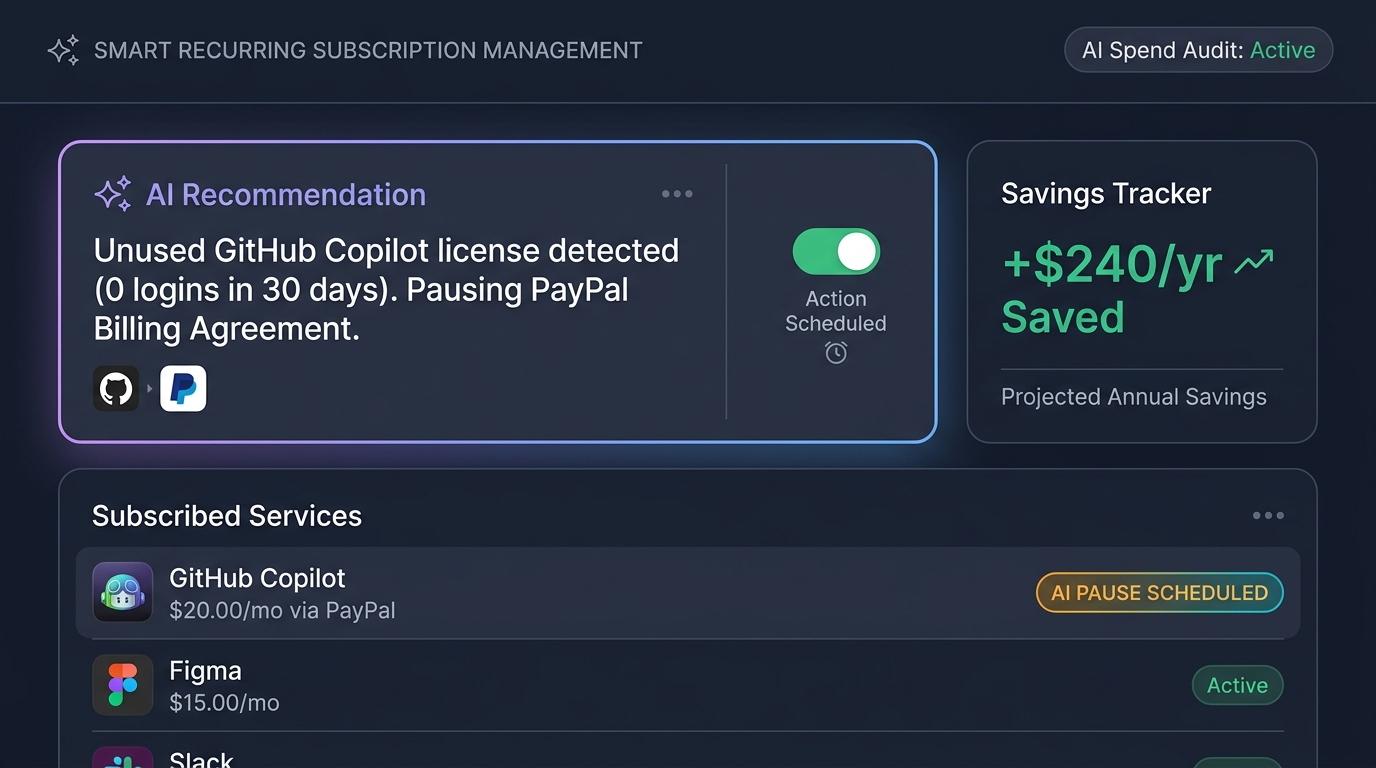
- Smart Recurring Subscriptions: AI-managed subscription monitoring that automatically pauses or adjusts PayPal recurring billing based on usage analytics.
- Production Mainnet Deployment: Transitioning from sandbox to live production with enterprise-grade OAuth scopes and biometric approval flows.

Log in or sign up for Devpost to join the conversation.