Inspiration
We wanted to make AI literacy fun and social. AI or Not? turns the question of AI authenticity into a daily visual challenge designed to educate. We came across the news story from a few months ago about researchers posting AI-generated bots and content on Reddit that tricked real users. Given the rise of AI content that is becoming increasingly indistinguishable from real content, we wanted to build a playful way for Reddit users and moderators to train their human judgment.
What it does
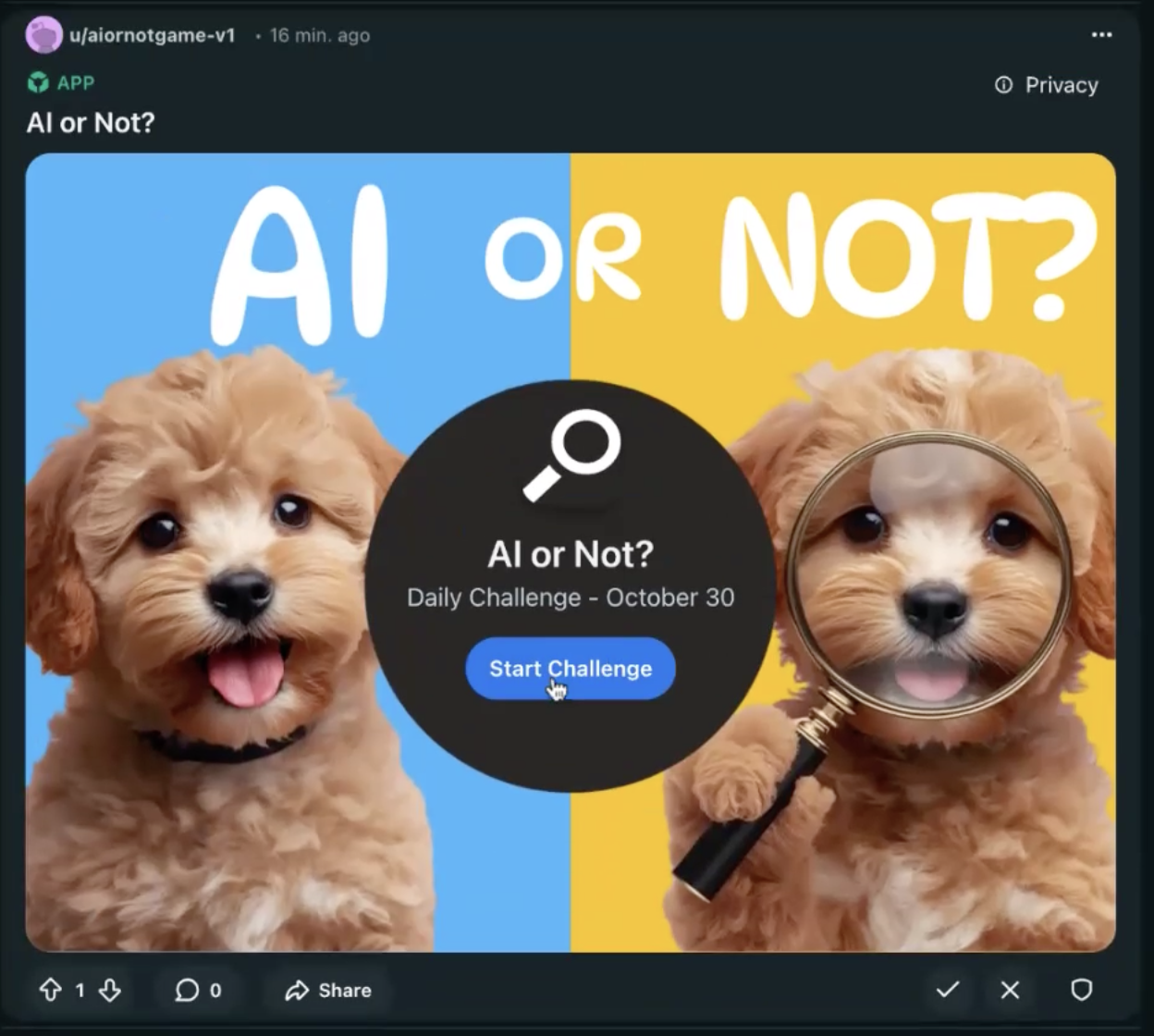
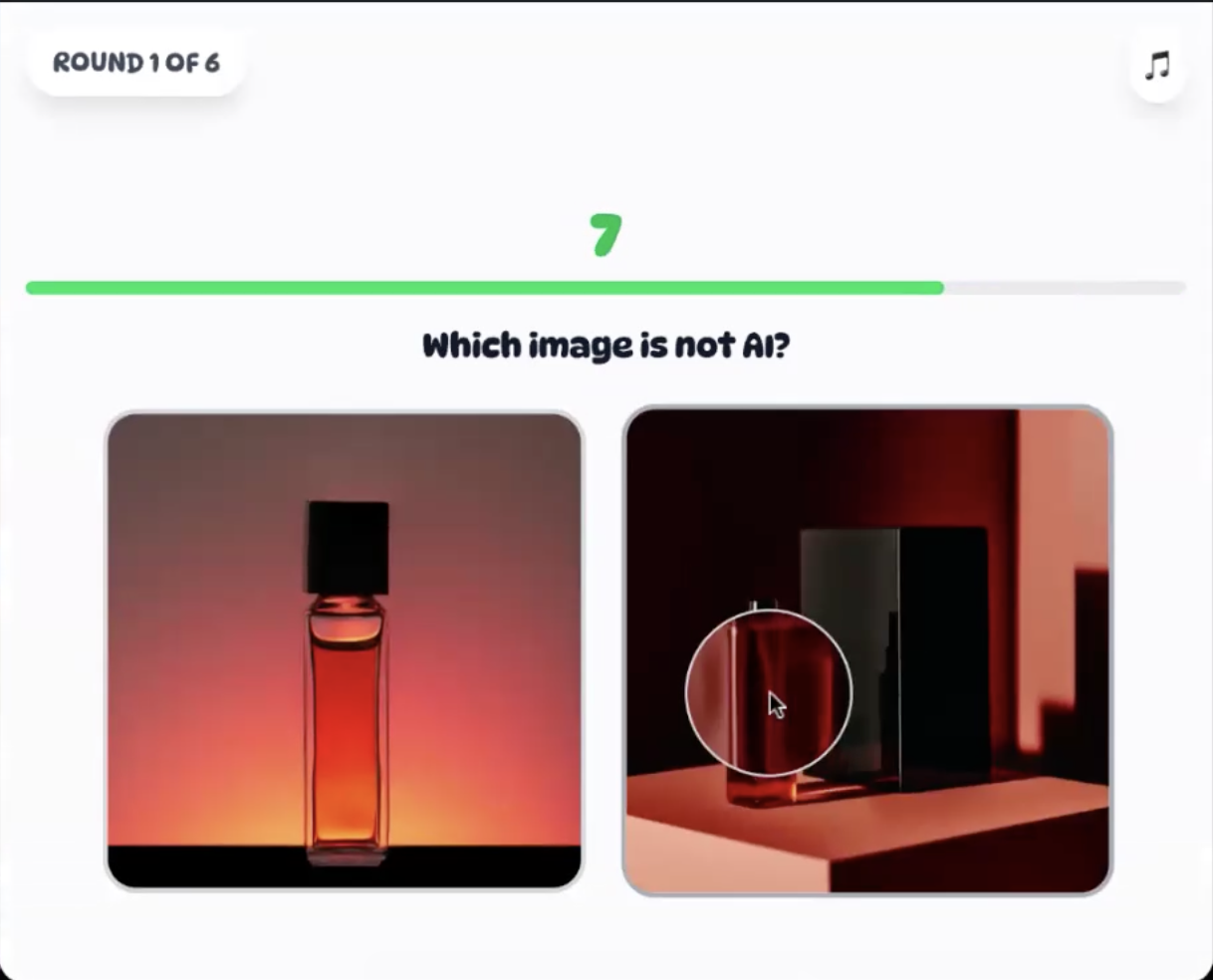
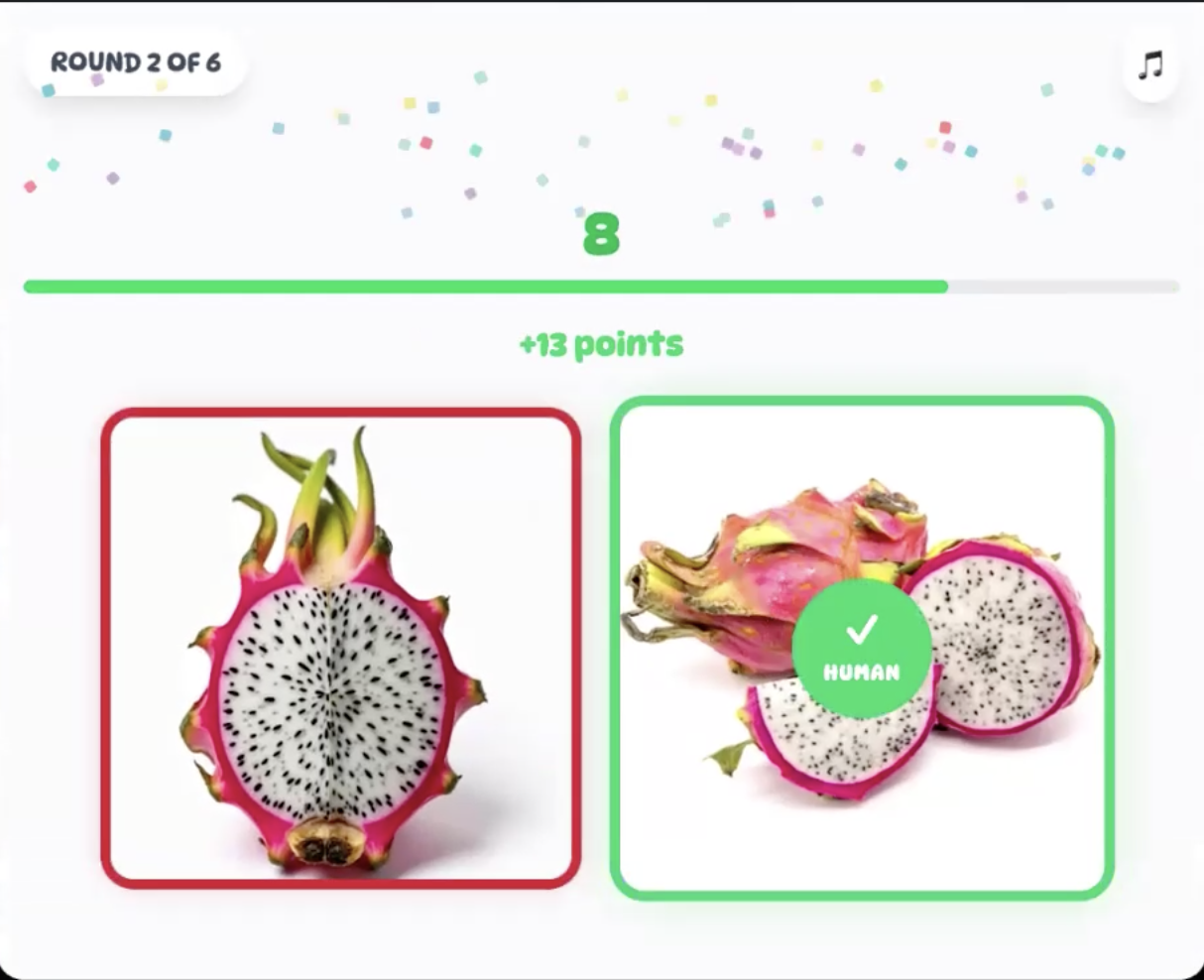
AI or Not? is a daily Reddit-native image challenge where players test their visual instincts against realistic AI-generated images and learn subtle tells through repetition, humor, and community leaderboard competition to guess which of two images is real.
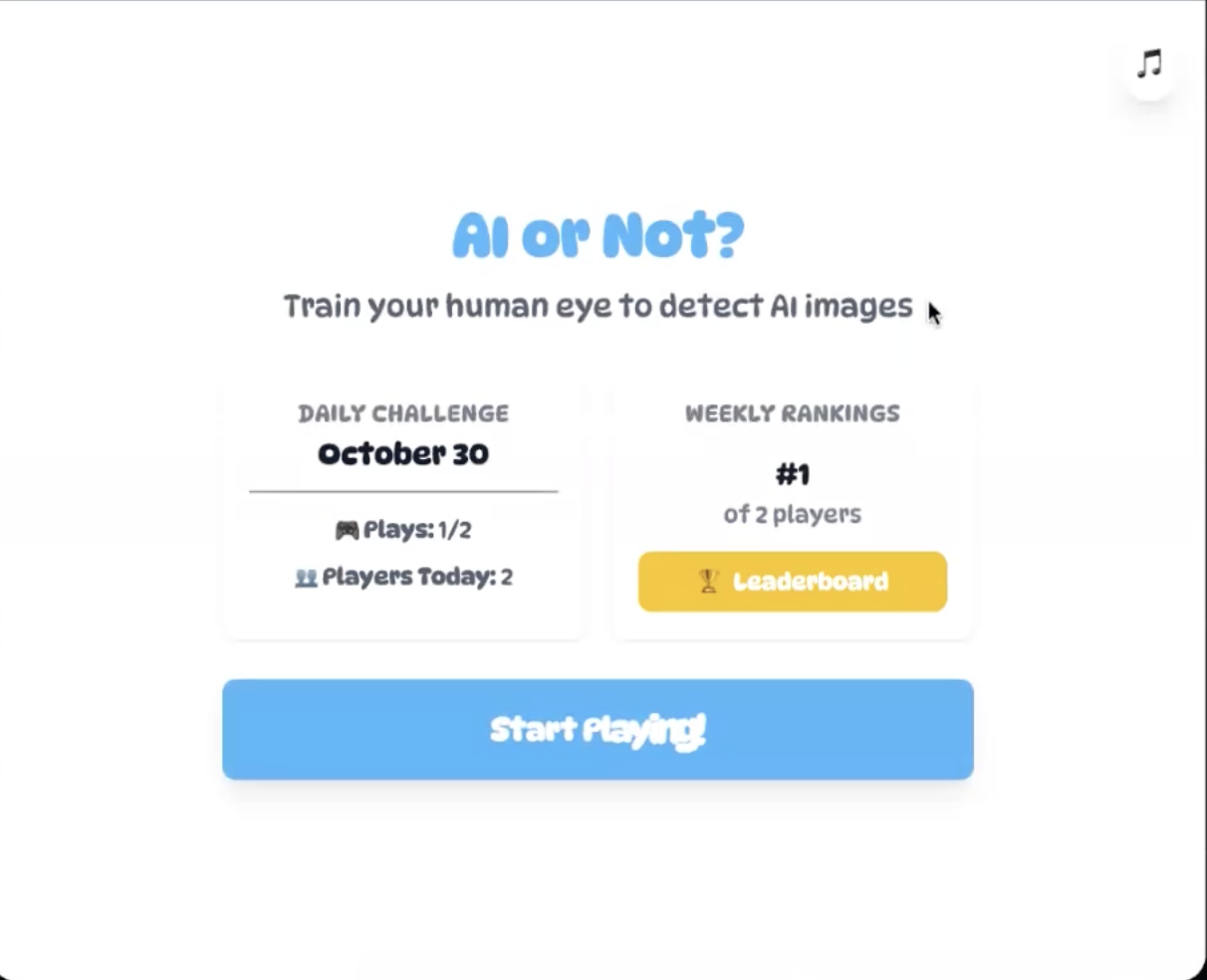
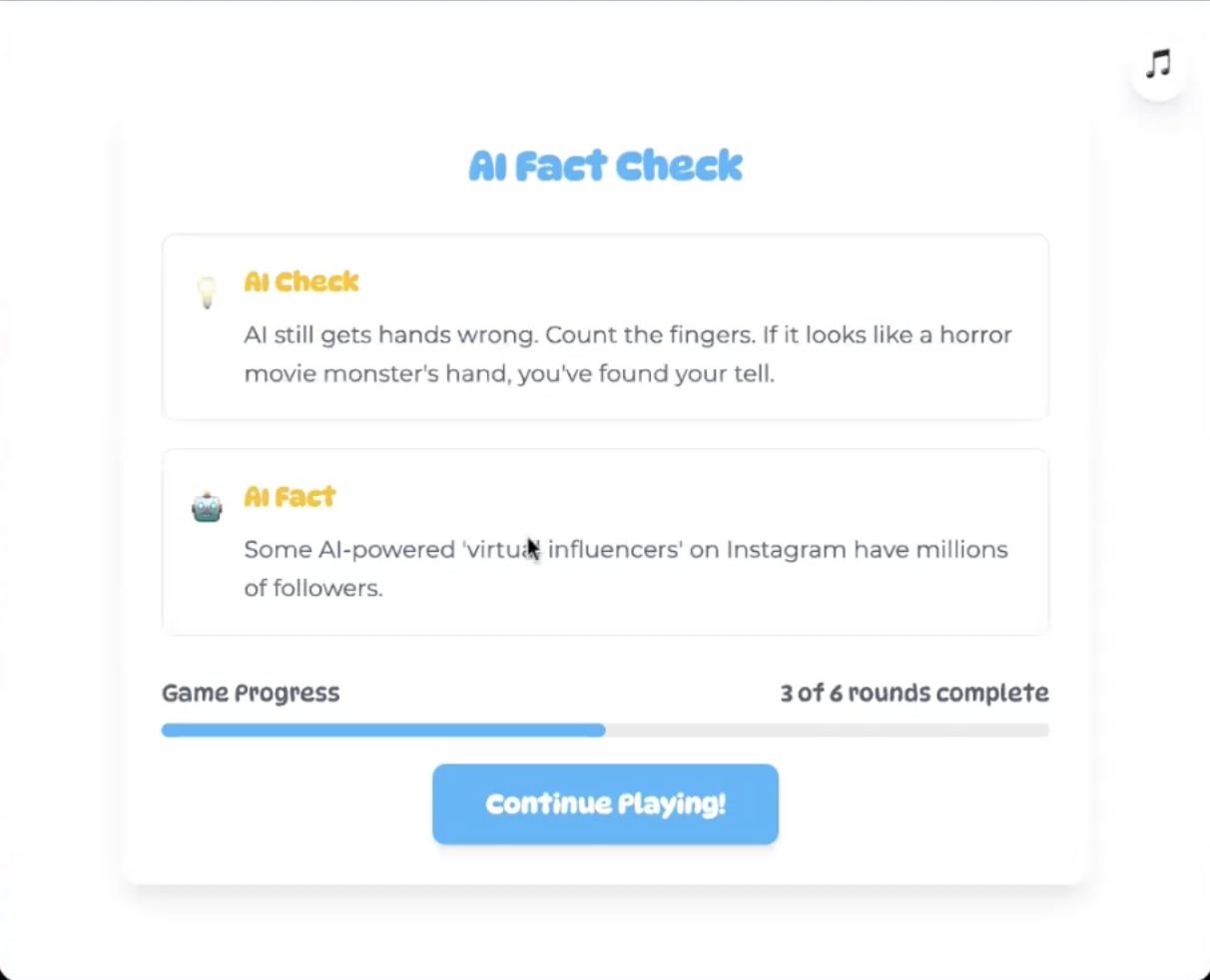
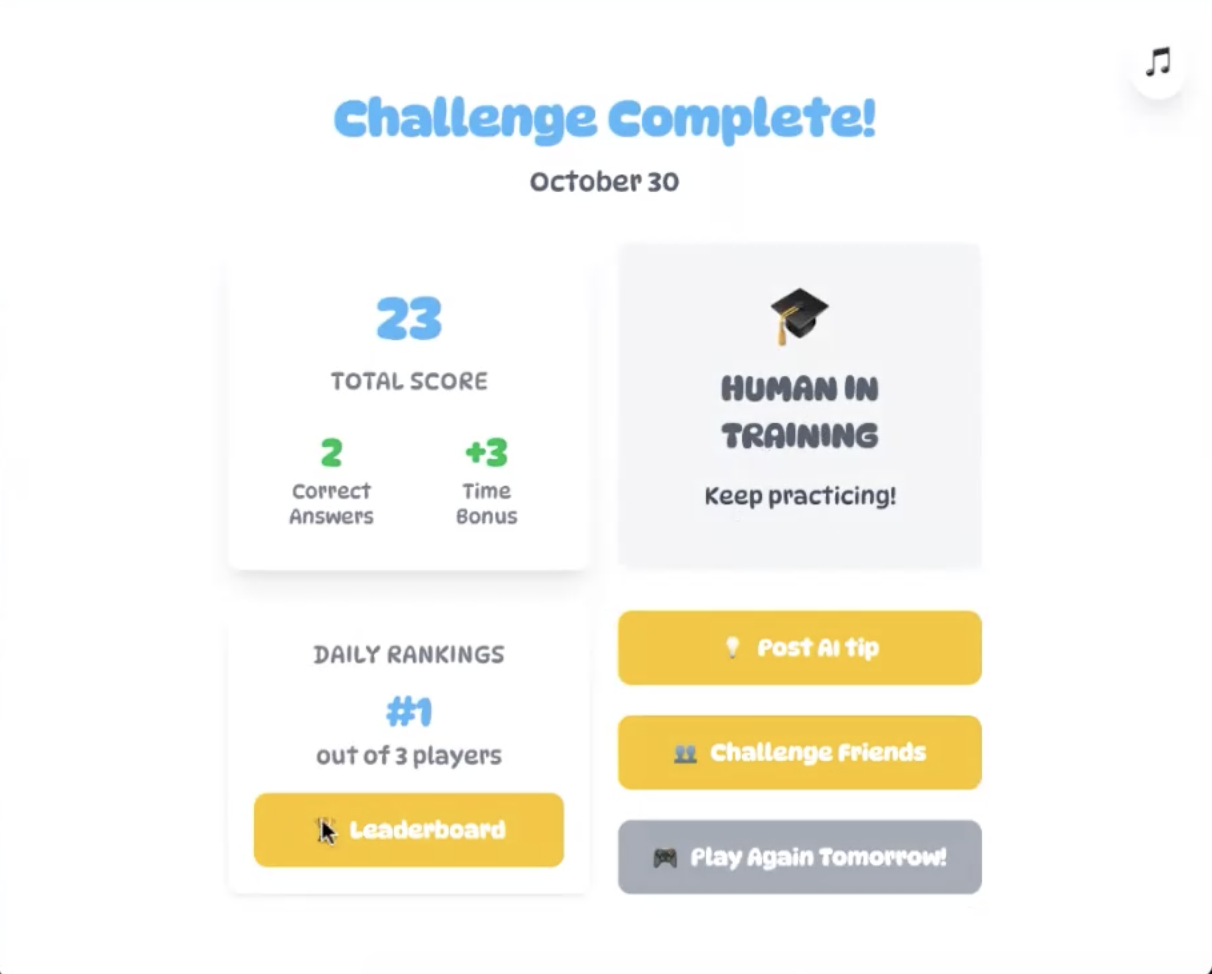
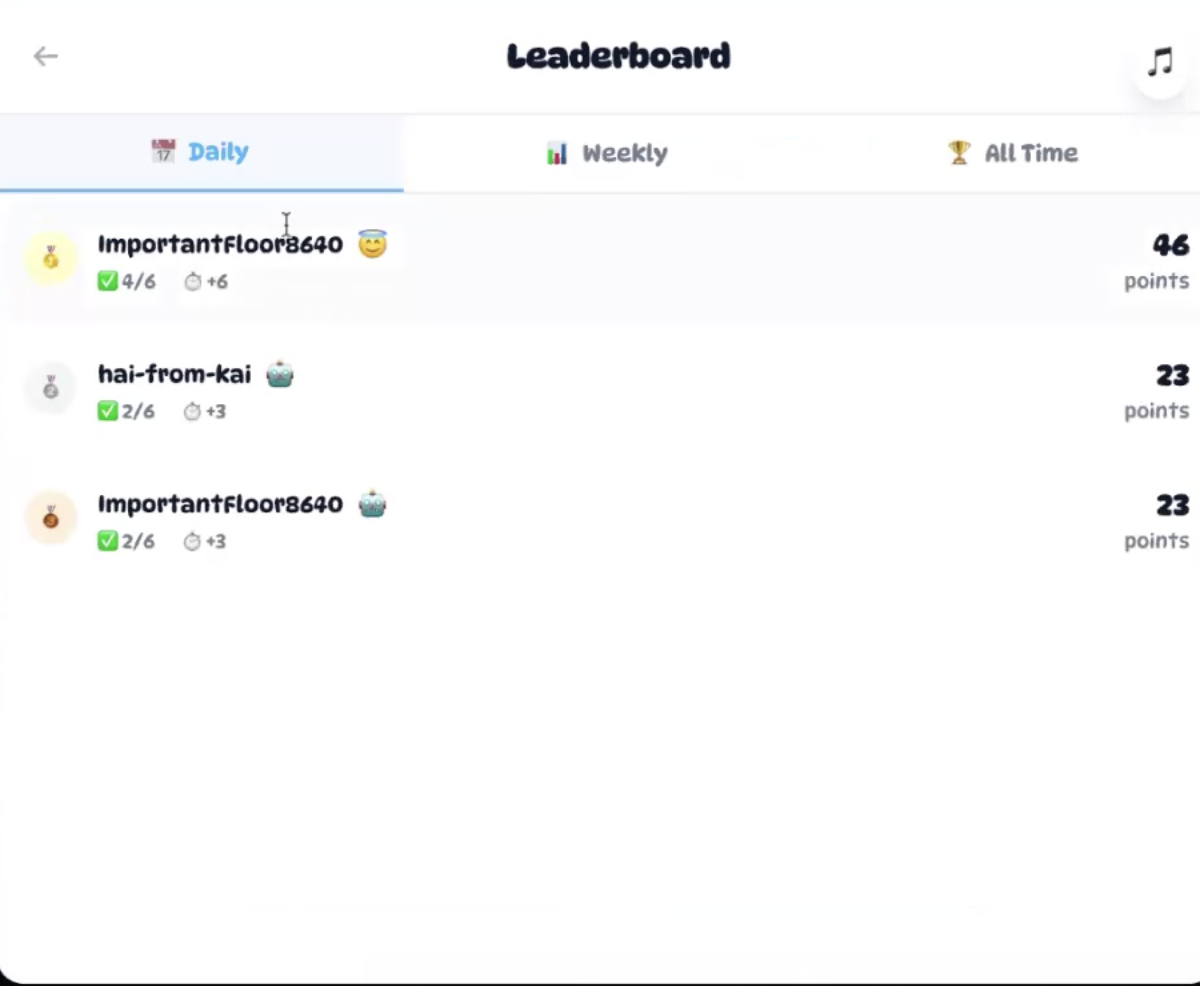
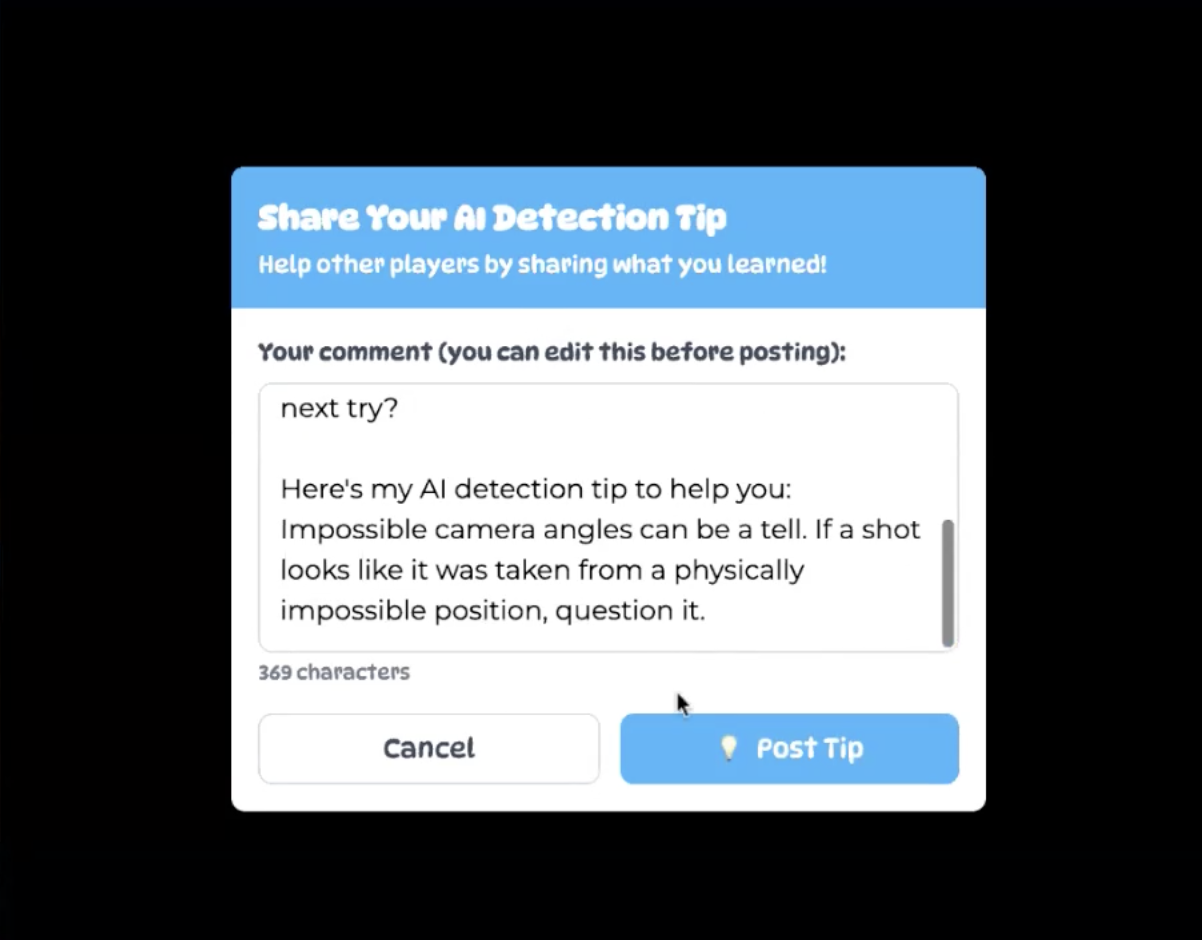
Each day, new image sets appear across six categories: animals, architecture, food, nature, products, and science. Players use the magnifying glass and tap to choose the real image within ten seconds per round. The game immediately reveals which one was real and which was AI-generated, awarding points for both accuracy and speed. Every play session feels social and alive, with real-time player counts, confetti, a background soundtrack, sound effects for correct vs. incorrect guesses, and a mid-game “AI fact check” screen that teaches subtle visual cues. After six rounds, players see their final score, earn tiered badges like "AI Whisperer" or "Just Human", and appear on global daily, weekly, and all-time leaderboards if eligible. They can also challenge friends and share AI detection tips amongst the Reddit community.
How we built it
The game was built end-to-end on Reddit’s Devvit framework with a TypeScript + React frontend and a Node/Express + Redis backend orchestrated by Kiro.
Kiro handles daily scheduling, leaderboard resets, and persistent storage. Redis manages real-time scoring, and the Devvit Realtime API broadcasts live leaderboard updates and player counts. Image pairs are fetched from a CDN with metadata identifying which is AI-generated.
The client manages gameplay state, timers, and scoring logic, while the server validates answers and writes results atomically to Redis. The UI was designed in Figma, then implemented with custom splash screens, refined color palettes, mobile-first responsiveness, and short transitions for fast-paced interaction.
We also integrated subtle audio cues, animations, and a midway “AI fact check” that surfaces quick visual tells for spotting AI content.
Challenges we ran into
This was our first time using Devvit and Kiro. One of our first instincts was to rely on another LLM to help create a workflow for Kiro to follow—until my more experienced teammate reminded me that Kiro itself is designed to handle the entire process via TDD (task-driven development) and can do all the planning internally using the EARS structure, without the need for external scaffolding. Another challenge was over-engineering early on. One of us spent hours building a custom splash screen from scratch because of a misunderstanding of the default Devvit project structure and how to leverage Kiro. It was a good lesson in prompting precisely and in leveraging existing structures rather than rebuilding them.
For the more experienced teammate, the challenge was managing scope creep once we got the hang of how powerful and fun using Kiro is. They realized the key to reducing hallucinations, missed implementation details, and preventing context loss was to use the Spec -> Design -> Task workflow in Plan mode consistently, even for smaller features, rather than Vibe mode, which worked well for relatively isolated changes or asks.
Accomplishments that we're proud of
Coming from a data science background at a social media startup, one of us often worked alongside engineers, contributing to specs, dev workflows, and product launches, but only on the data science side and never building the whole stack. Additionally, the other of us comes from a product management and entrepreneurial background with technical foundations in university. This project provided structure for both of us to iterate quickly on our idea, visualize the product, and systematically design, code, and ship a fully functional game in less than a week. Most of all, AI or Not? demonstrates what’s possible with Kiro + Devvit, a combo powerful enough to sustainably build viral, data-driven community games, among other types of apps.
What we learned
From searching for AI-generated images to creating AI-generated background tracks and sound effects, I was constantly amazed by what can be built today with the right tools. We used Kiro’s spec mode extensively, which helped us understand how to structure changes cleanly and reason about the system’s architecture rather than just its outputs.
Working in a task-driven development flow taught me how the platform thinks — how prompts translate into code, and how each change fits into a larger workflow. It was a crash course in becoming more technically fluent, not just executing tasks but understanding how the entire environment fits together.
Compared to other AI IDEs, Kiro stood out because of how transparently it structures work. It doesn’t just generate; it teaches you to think like a developer. The right prompting really does make a difference.
What's next for AI or Not?
Next, we plan to add a real-time “Face-Off” or “Royale” mode, where players can directly challenge one another in head-to-head matches. The goal is to bring live social energy to the experience, transforming AI or Not? from a daily solo challenge into a community sport.
In the longer term, we want AI or Not? to become a daily ritual across Reddit, subtly improving everyone’s intuition about AI-generated content. With proper permissions, it would also be exciting to integrate existing Reddit photo posts into the game. This could create a feedback loop between real user-generated content and the challenge itself, letting the Reddit community literally play with its own data while learning how AI is shaping it.
Built With
- devvit
- express.js
- kiro
- node.js
- react
- redis

Log in or sign up for Devpost to join the conversation.