Project Story
The Problem
When something breaks inside an enterprise, the problem is rarely isolated to one system.
An engineer may receive an alert in an observability platform, investigate logs, check recent GitHub deployments, search Jira for previous incidents, look through Slack conversations, and finally consult internal runbooks before deciding what to do.
The result is slow investigation, fragmented context, alert fatigue, and heavy dependence on experienced engineers.
Most AI solutions stop at summarizing the incident or recommending a fix.
We wanted to build something that could go further.
Our Idea
We built AI Operations Manager, an AI-native enterprise operations workforce designed to take an incident from detection to verified resolution.
Instead of one general-purpose agent, the system uses specialized agents that work together:
- Incident Commander — coordinates the investigation and makes decisions.
- Observability Agent — analyzes metrics, logs, errors, and service health.
- GitHub Agent — investigates commits, pull requests, and deployments.
- Knowledge Agent — retrieves relevant runbooks and previous incidents using RAG.
- Remediation Agent — executes approved operational actions.
- Communication Agent — keeps teams and incident records updated.
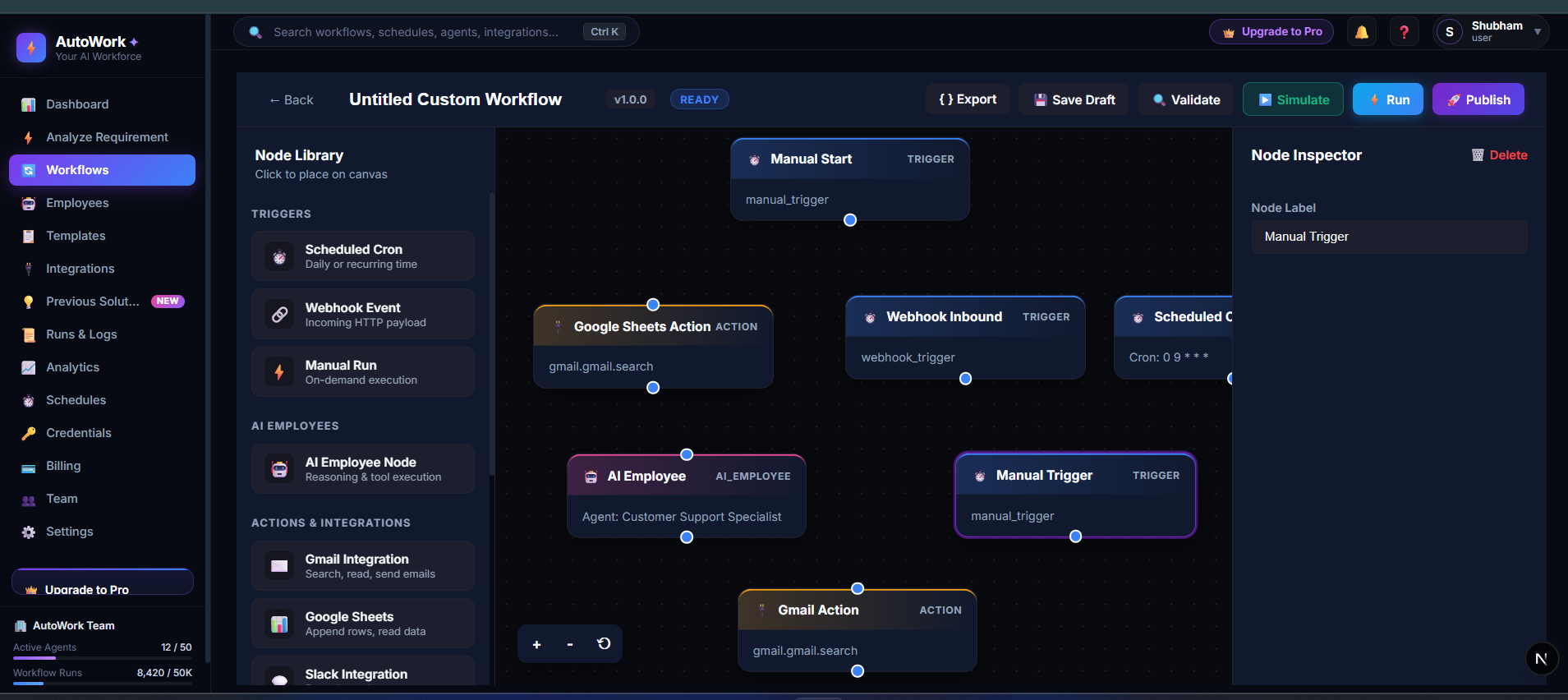
These agents collaborate through an orchestration and workflow layer.
How It Works
When an incident occurs:
Detect → Investigate → Correlate → Determine Root Cause → Assess Risk → Approve → Remediate → Verify → Resolve or Escalate
For example, imagine a payment service suddenly experiences a major increase in errors.
The AI Operations Manager detects the incident and sends specialized agents to investigate different sources in parallel.
The Observability Agent discovers that error rates and latency increased immediately after a deployment.
The GitHub Agent identifies the recent deployment and the code changes associated with it.
The Knowledge Agent finds a previous incident with similar symptoms and retrieves the relevant runbook.
The system correlates this evidence and determines that the deployment is the most likely root cause with high confidence.
It then proposes a rollback.
Because a production rollback is high-risk, the system requests human approval rather than blindly executing it.
After approval, the remediation is executed.
But the workflow does not stop there.
The system monitors the service after remediation and verifies whether error rates and latency have actually returned to normal.
If recovery is confirmed, the incident is resolved and the timeline, ticket, and communication channels are updated.
If recovery fails, the system can investigate again or escalate to a human team.
What Makes It Agentic
The AI is not simply generating a response.
It:
- Plans an investigation.
- Delegates work to specialized agents.
- Uses enterprise tools.
- Collects and evaluates evidence.
- Maintains competing hypotheses.
- Makes structured operational decisions.
- Determines whether human approval is required.
- Executes actions when authorized.
- Observes the result.
- Verifies whether the action worked.
- Reinvestigates or escalates when it did not.
This creates a closed-loop operational system rather than a conventional AI assistant.
Safety by Design
Autonomy without controls is dangerous in enterprise environments.
AI Operations Manager therefore separates evidence, reasoning, policy, and execution.
Low-risk activities such as reading metrics, searching logs, and creating incident records can be automated.
Higher-risk actions such as production rollbacks or infrastructure changes can require human approval.
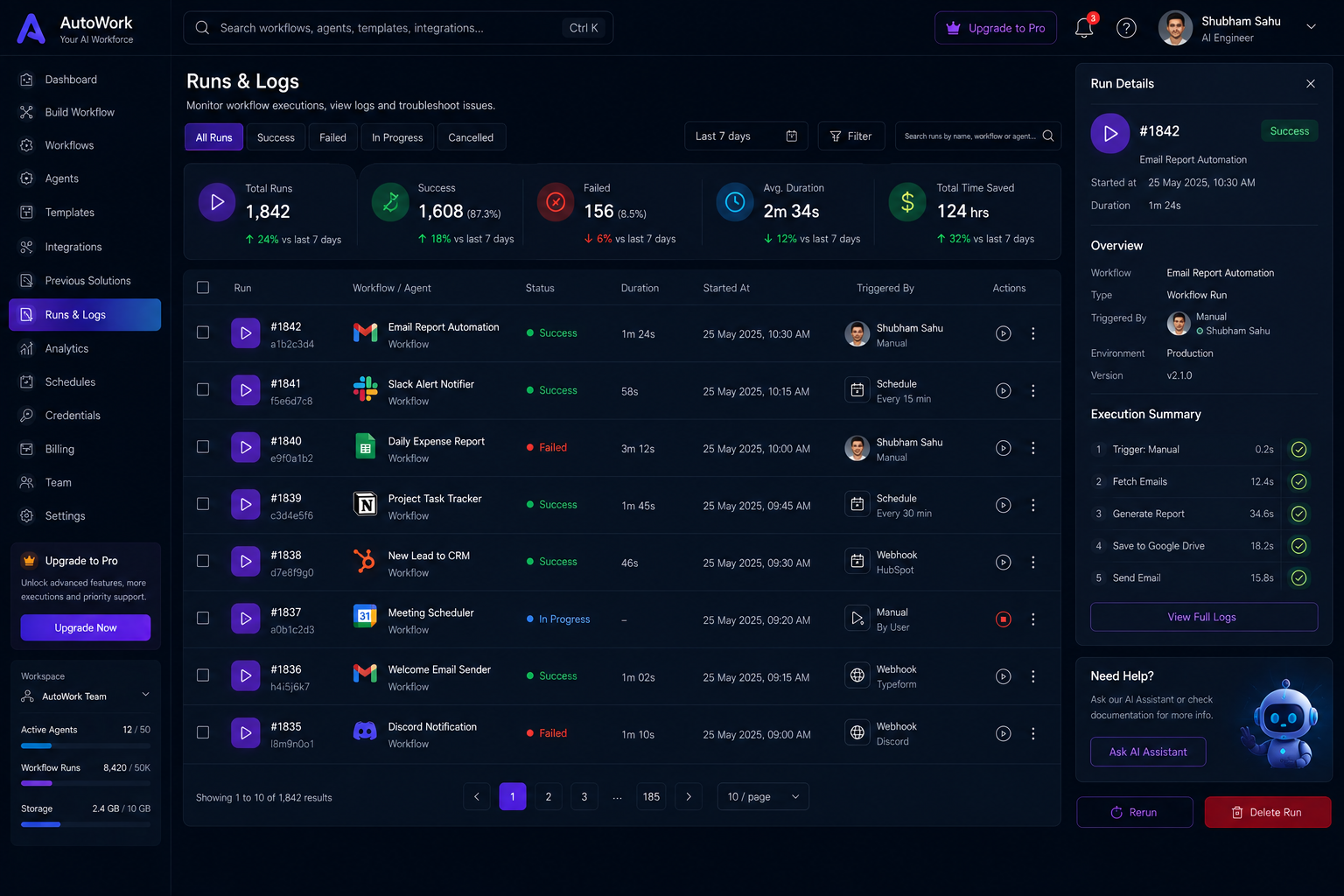
Every important action is recorded with its evidence, confidence, risk, approval status, execution result, and verification result.
We also treat retrieved RAG content as evidence rather than executable instructions.
AutoWork: The Foundation
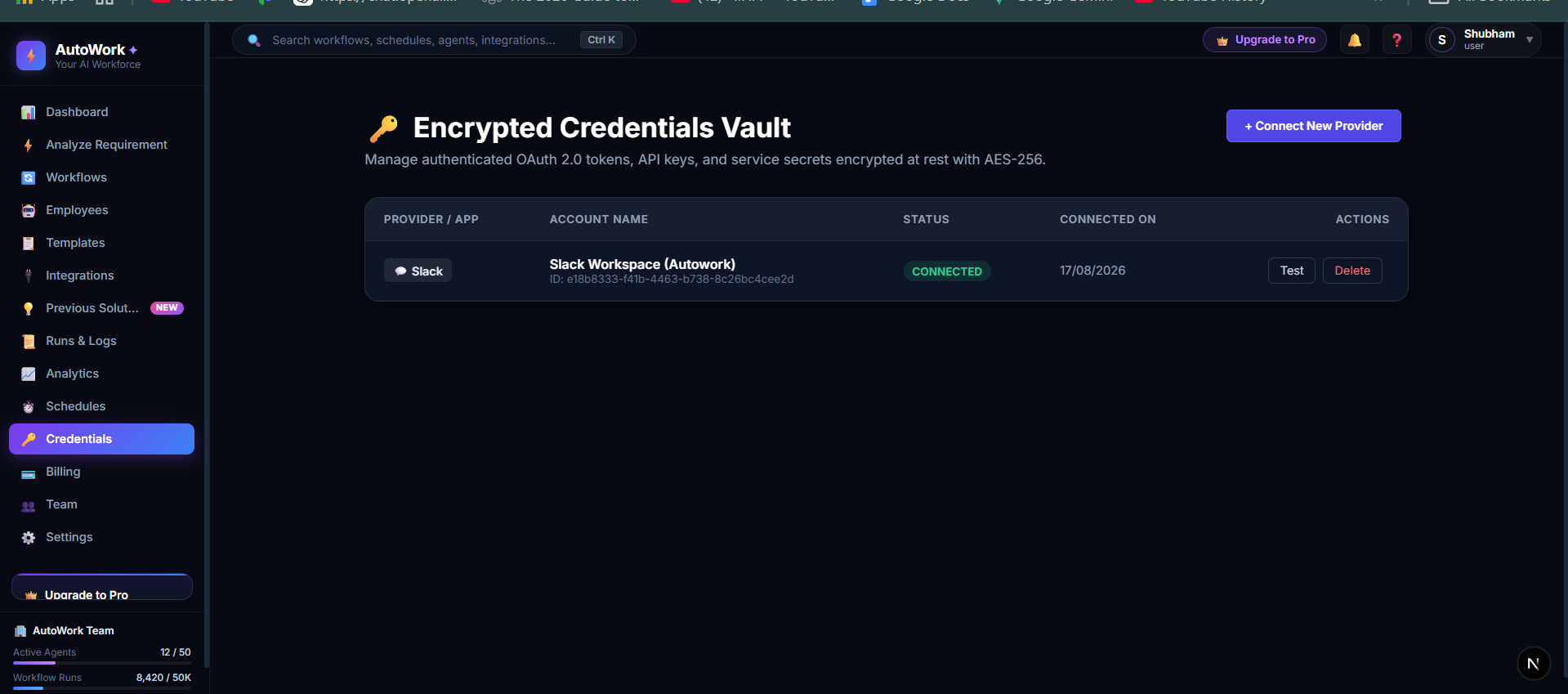
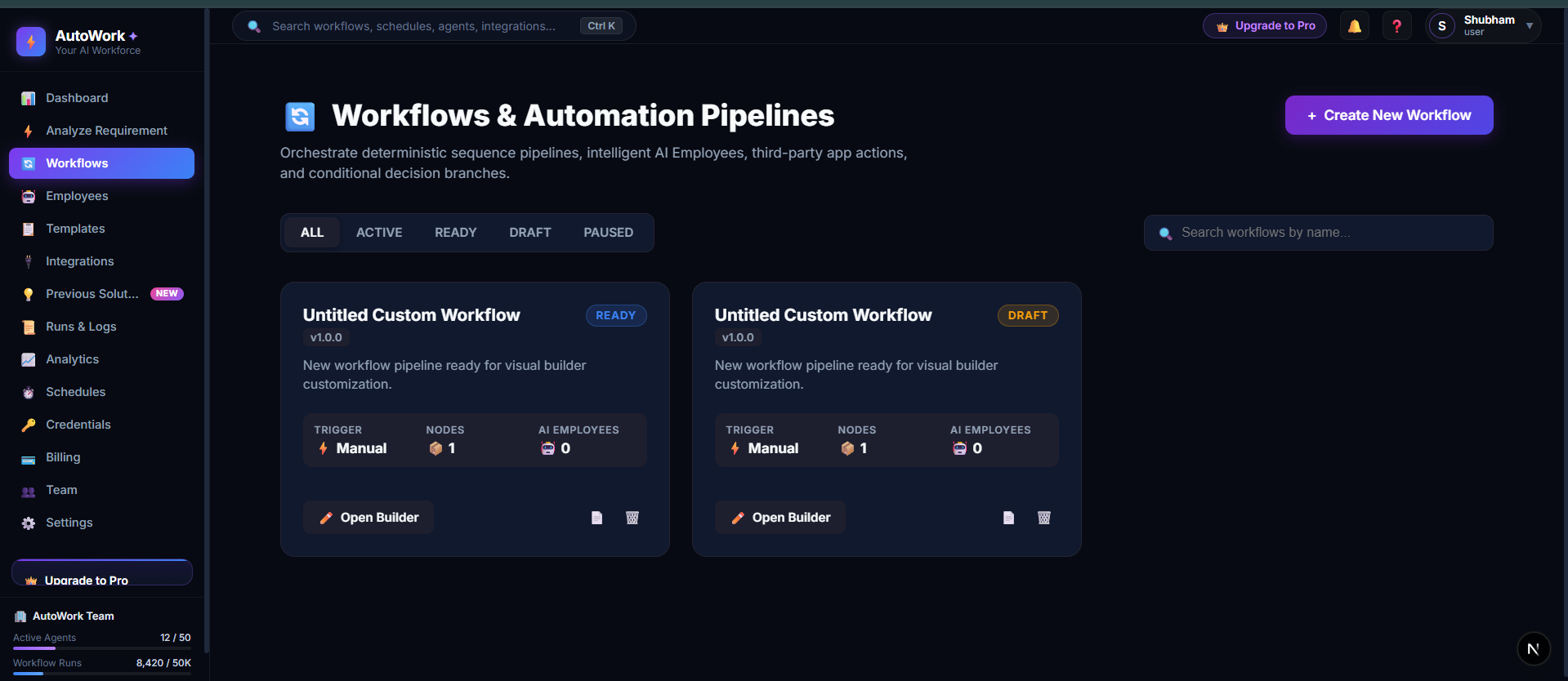
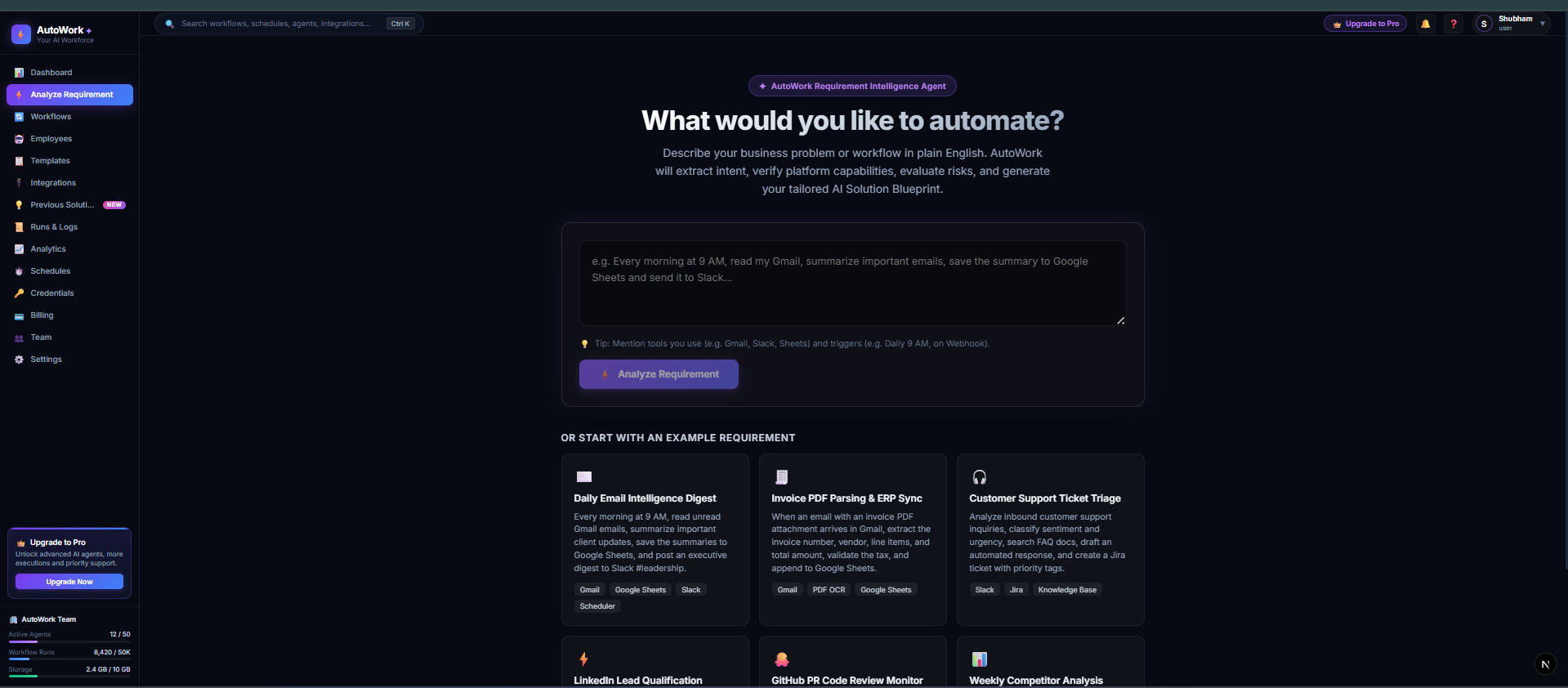
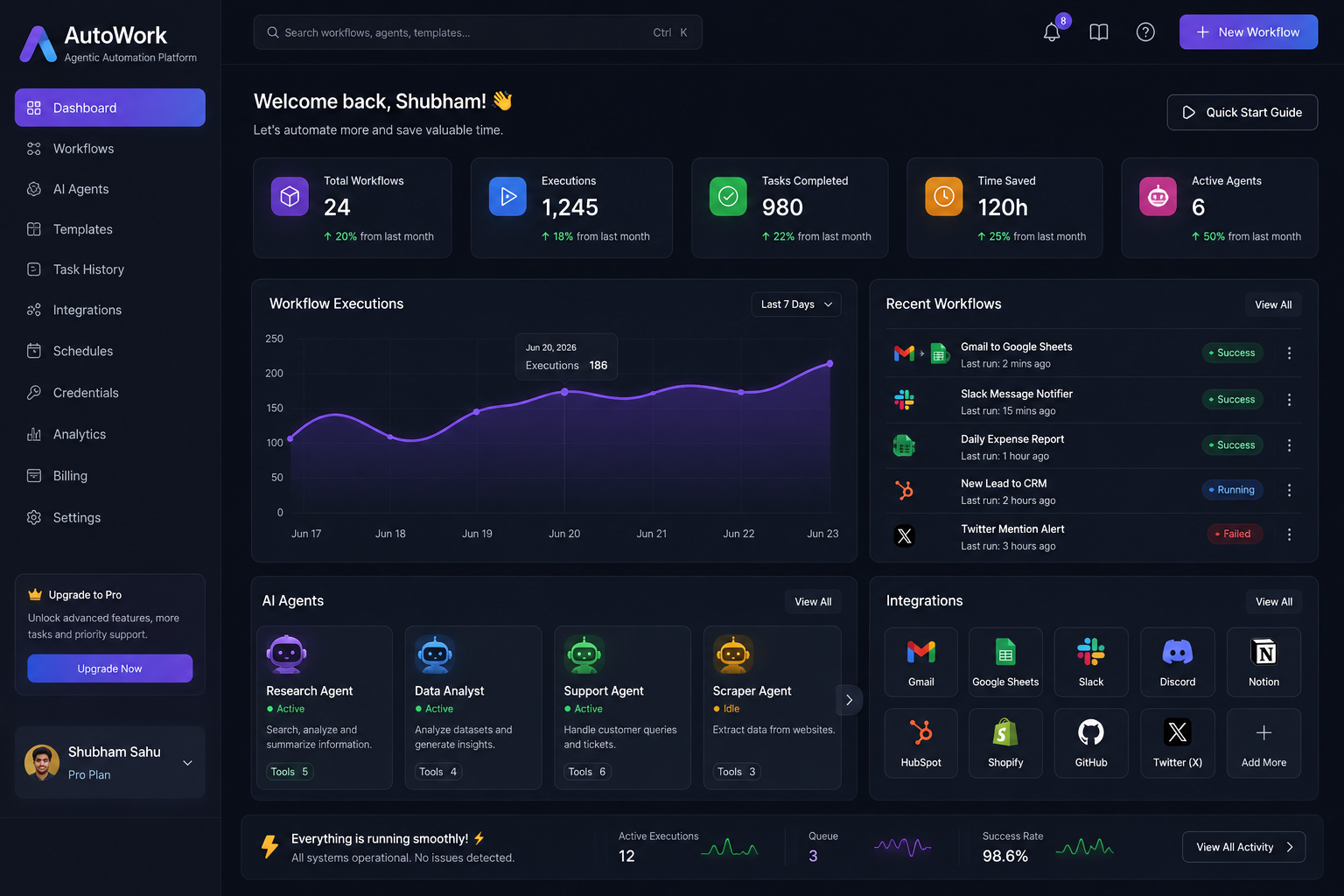
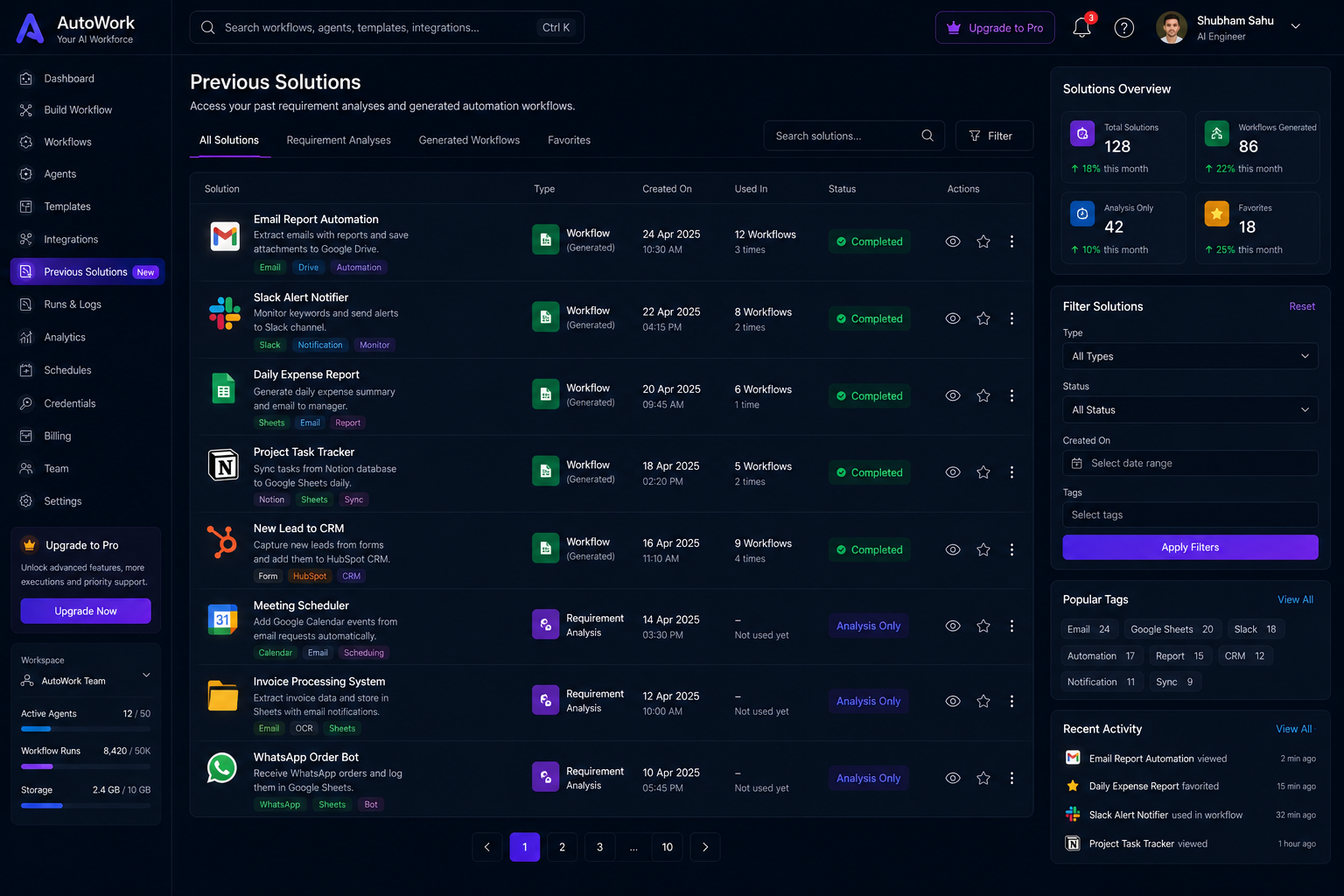
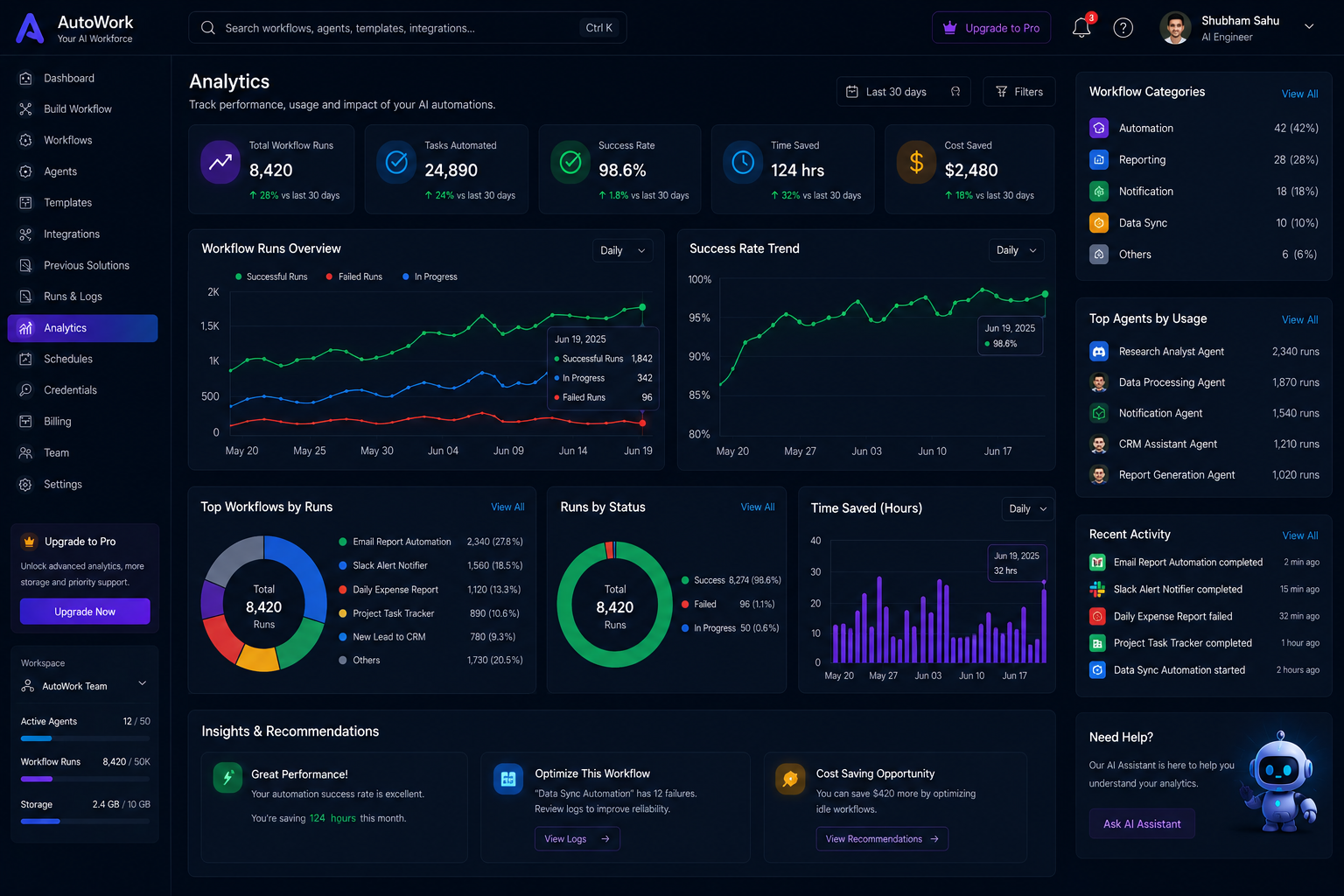
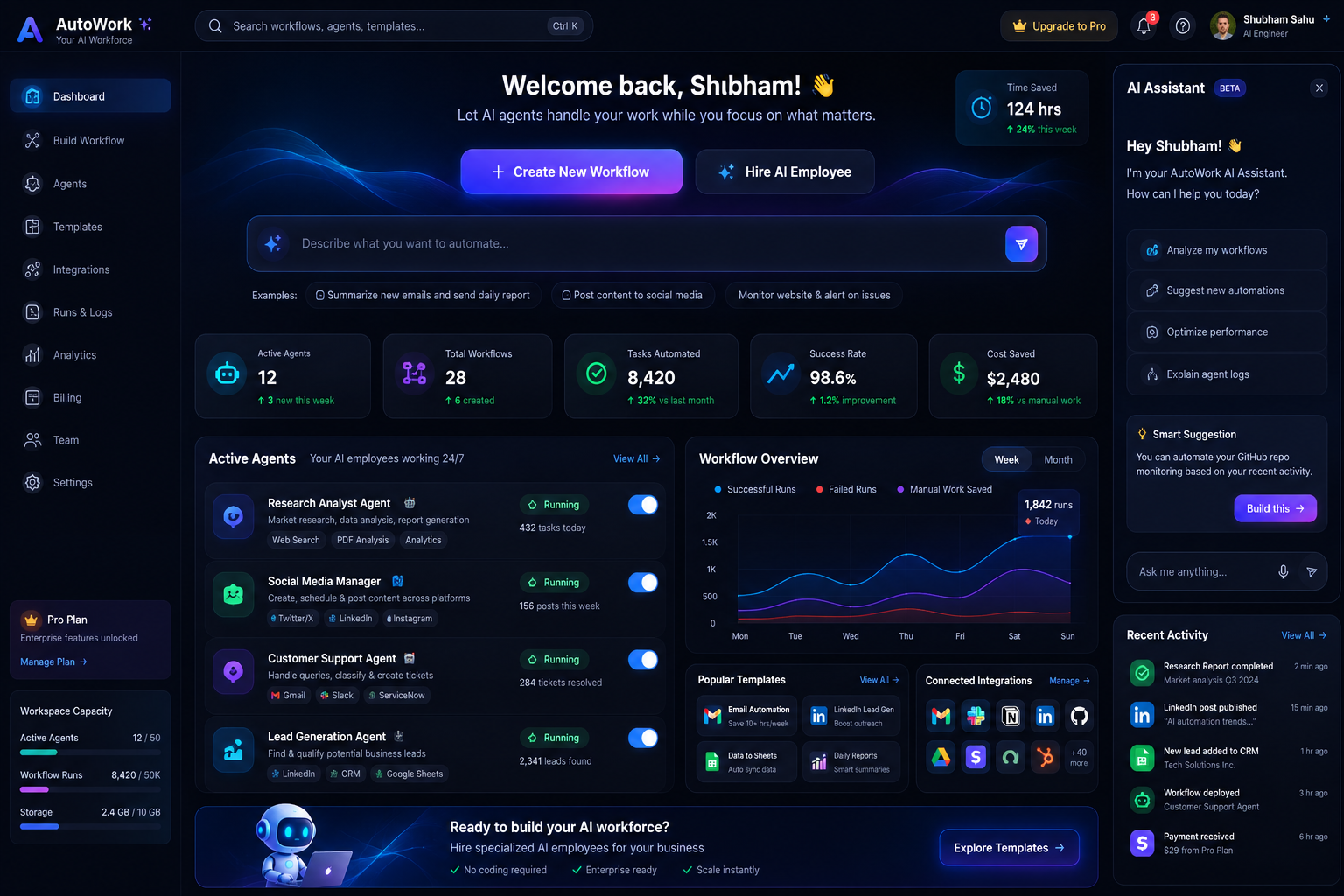
AI Operations Manager is built on AutoWork, our underlying AI workforce and workflow infrastructure.
AutoWork provides the foundation for:
- Agent orchestration
- Workflow execution
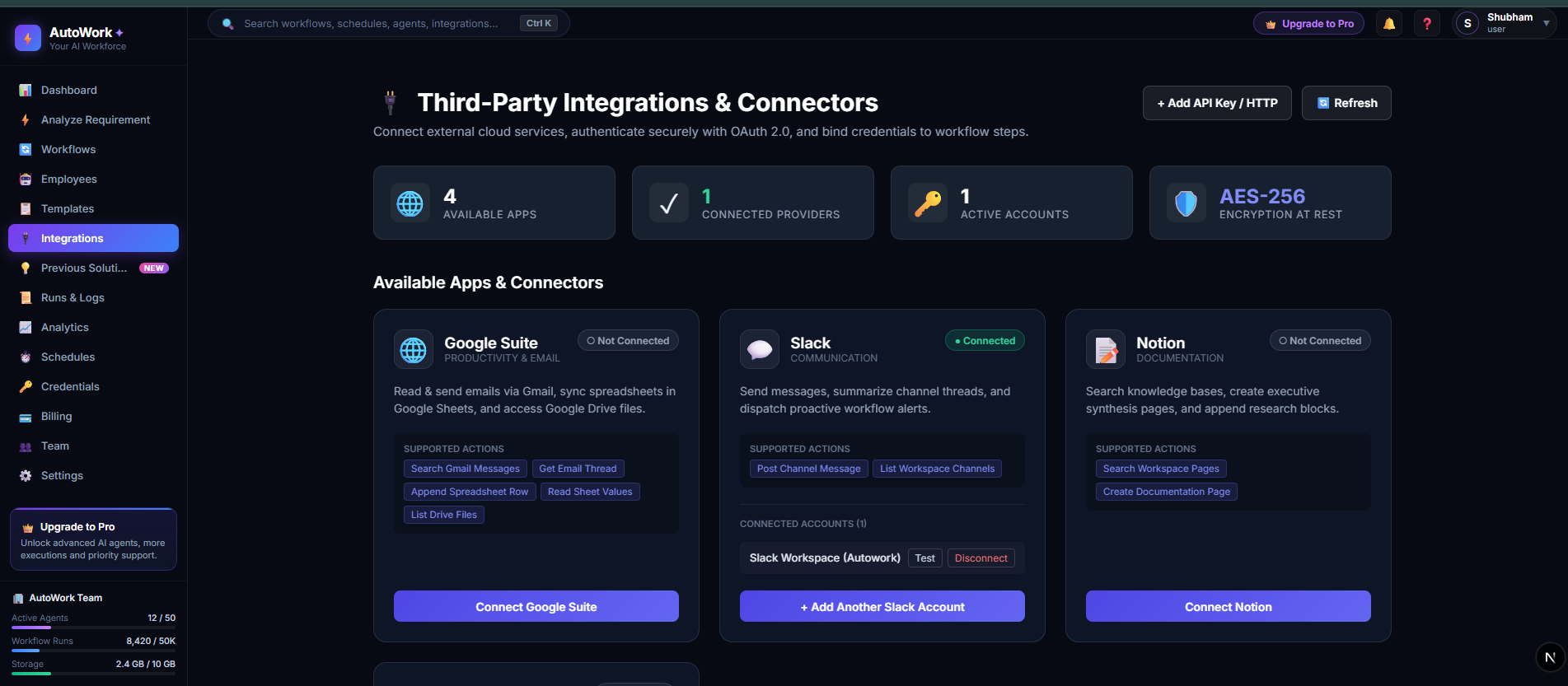
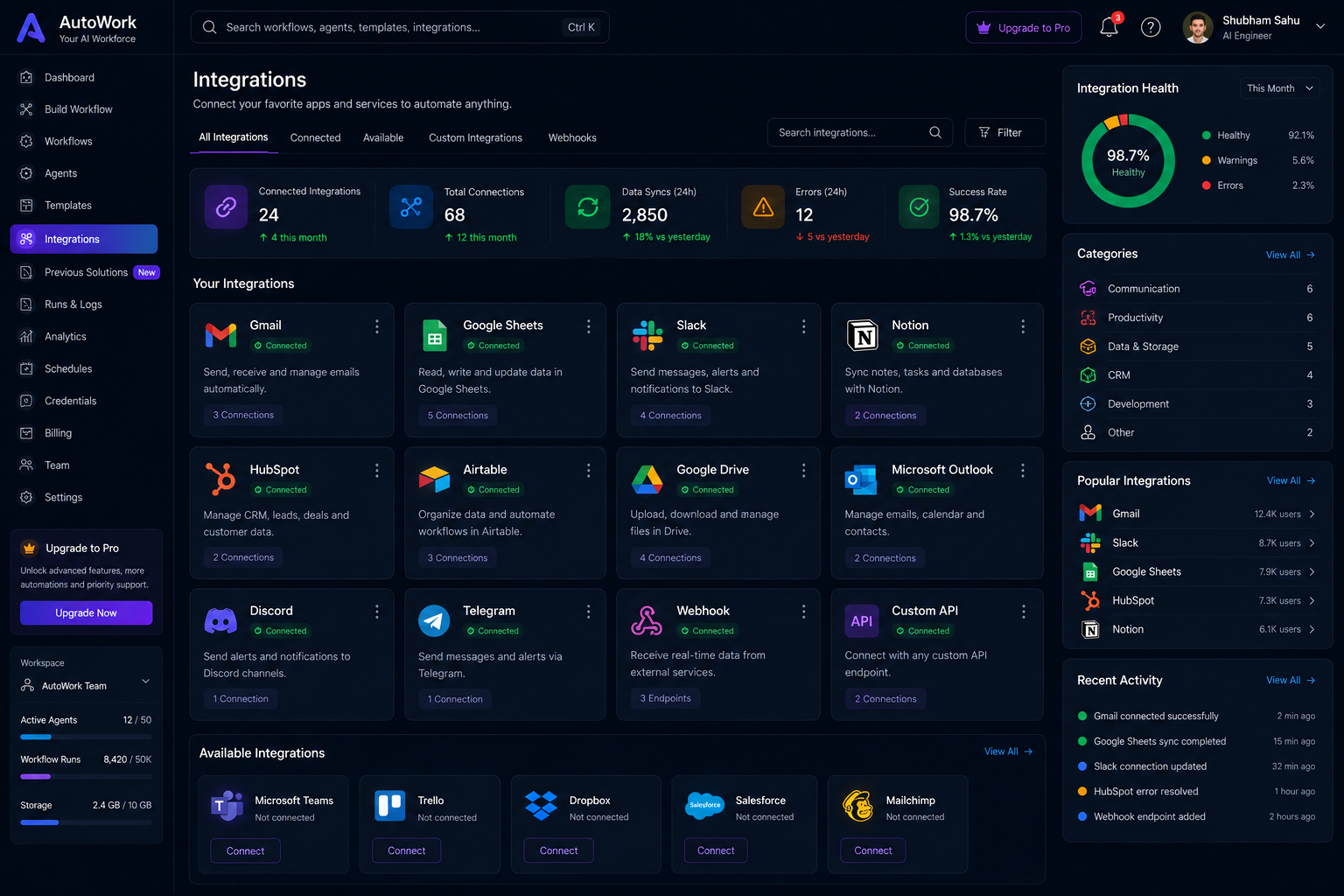
- Tool and integration access
- RAG and knowledge
- Agent-to-agent coordination
- Human approval workflows
- Policy and governance
- Runtime execution
- Monitoring and auditability
This allows AI Operations Manager to focus on the operational intelligence while AutoWork provides the reusable infrastructure required to coordinate and execute the AI workforce.
The long-term vision is to use the same foundation for other enterprise AI workforces across customer operations, finance, sales, HR, and business operations.
Why We Built It
Enterprise software has already become highly connected, but human operators still have to manually connect the dots when something goes wrong.
We believe the next generation of enterprise software should not just tell people what happened.
It should be able to understand what happened, determine what should happen next, safely take action, and prove that the action worked.
AI Operations Manager is our step toward that vision: an AI workforce that doesn't just observe enterprise operations — it operates them.


Log in or sign up for Devpost to join the conversation.