-
-
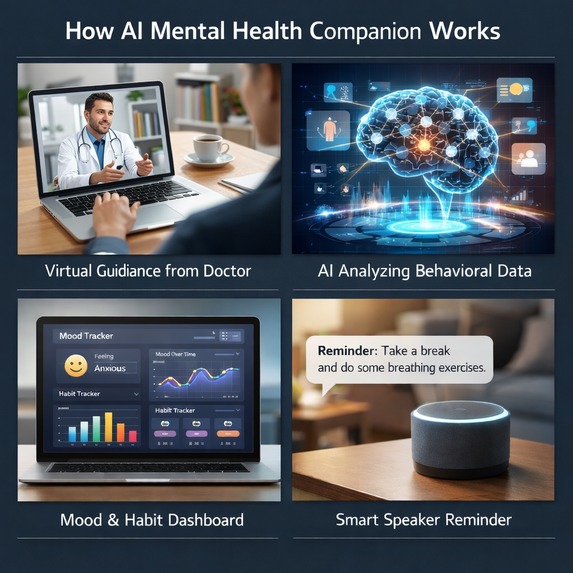
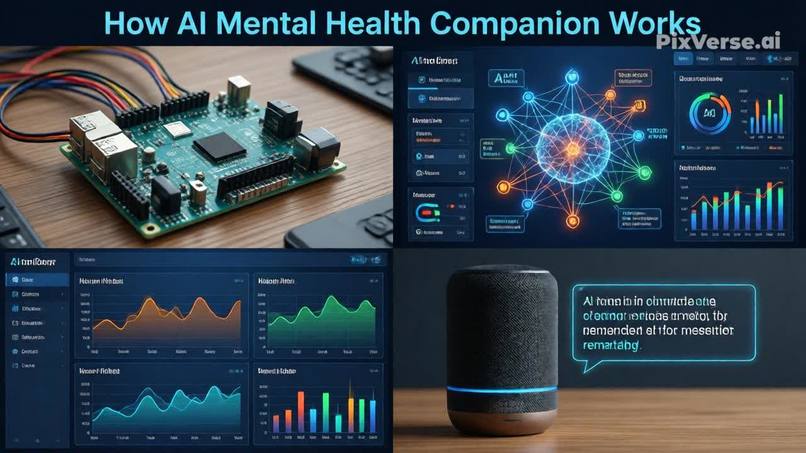
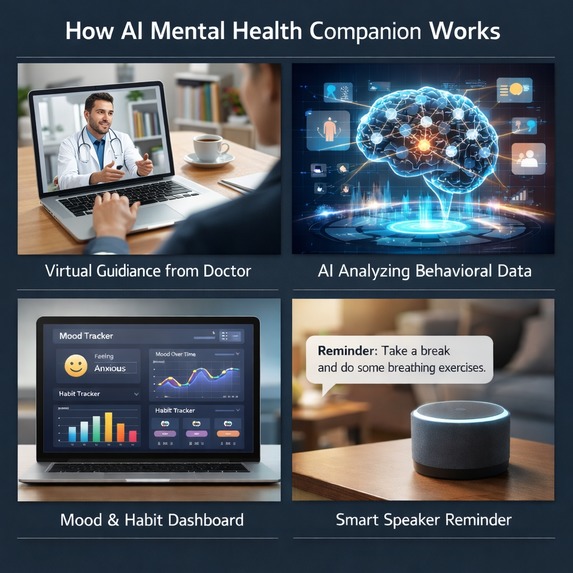
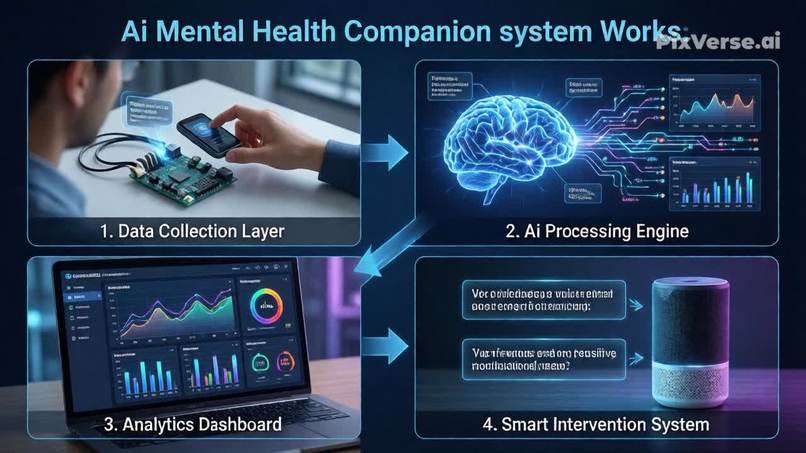
AI Mental Health Companion collecting daily mood data and transforming behavior signals into actionable insights.
-
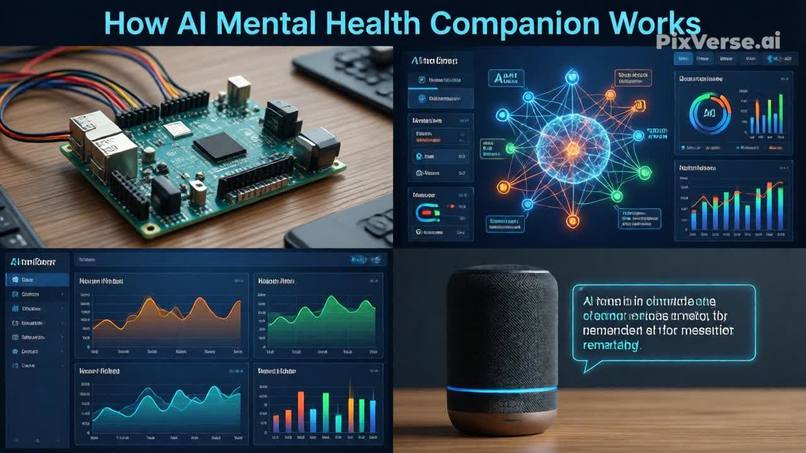
Real-time stress detection powered by Arduino sensors and machine learning analytics engine.
-
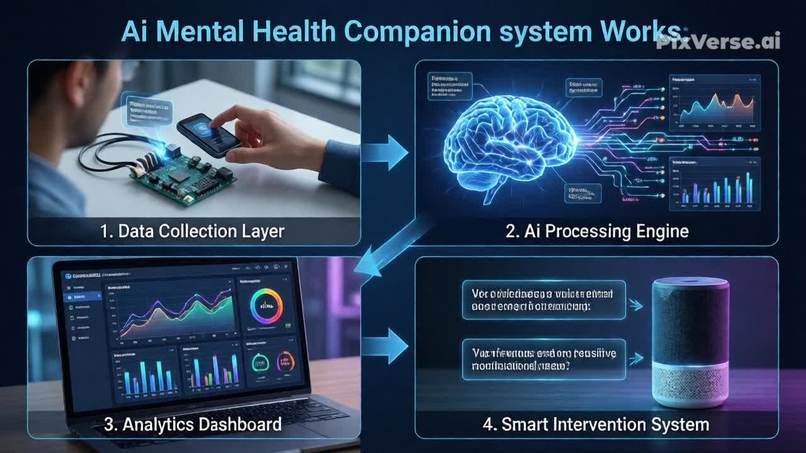
Embedded hardware meets intelligent AI to create accessible mental health support technology
-
Voice assistant delivering personalized reminders based on predictive emotional analysis.
-
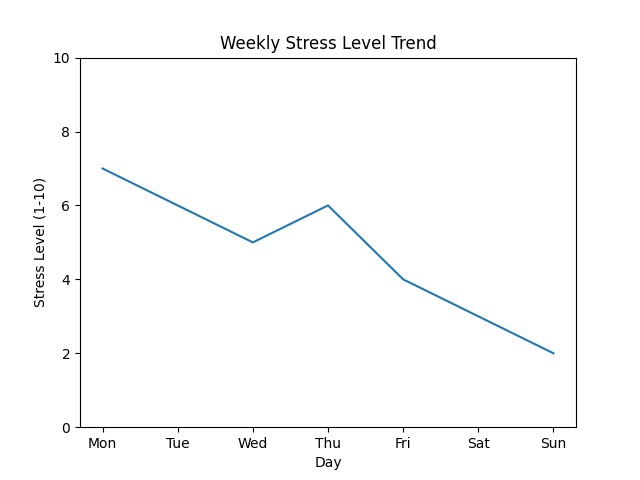
Behavioral data flows into our AI engine to detect stress patterns and recommend healthy actions.
-
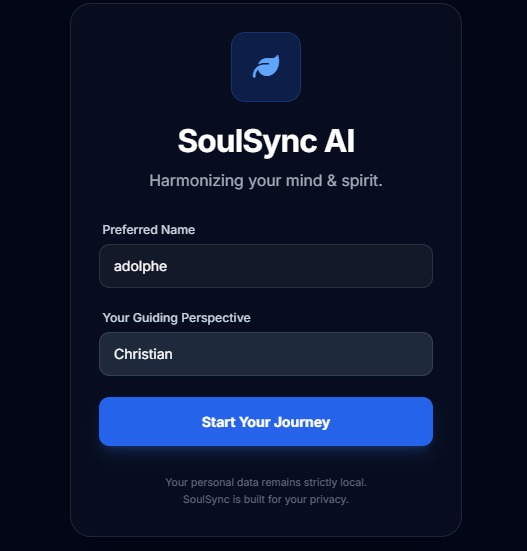
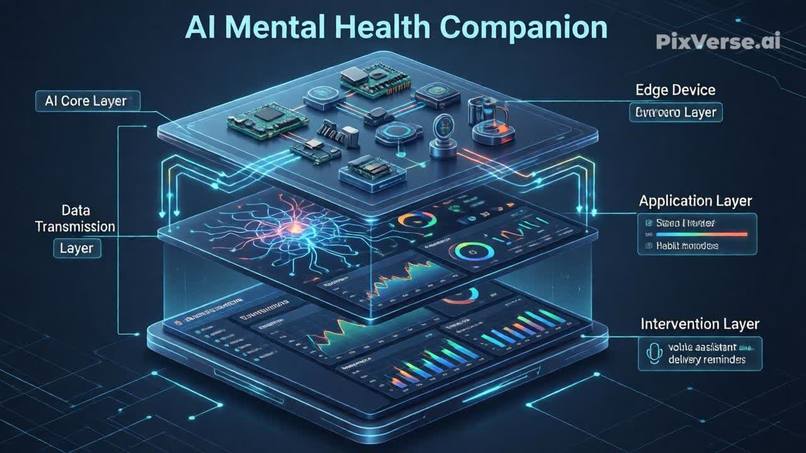
Scalable AI architecture combining embedded systems, analytics, and smart intervention.
-
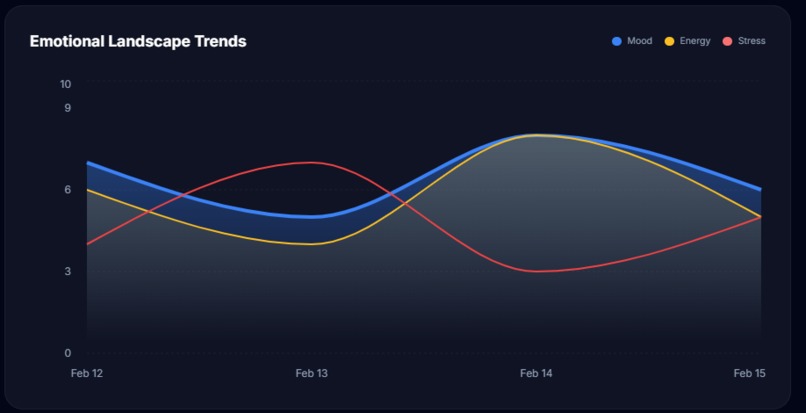
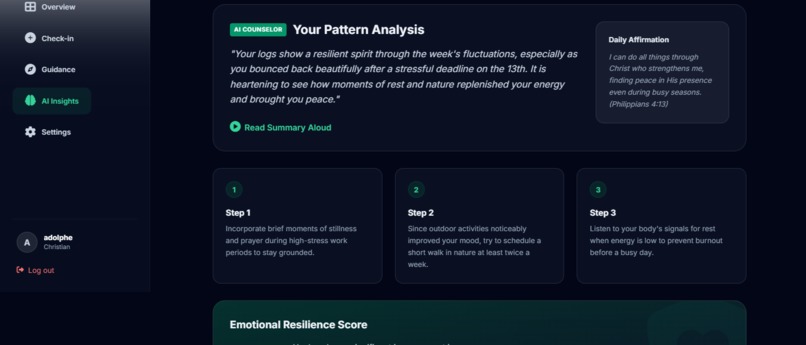
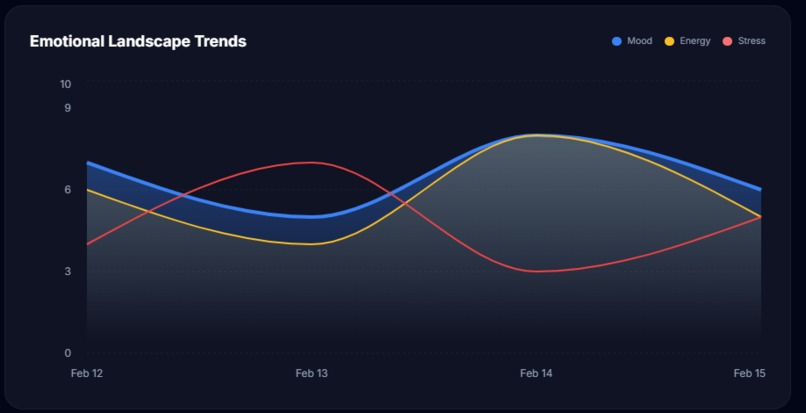
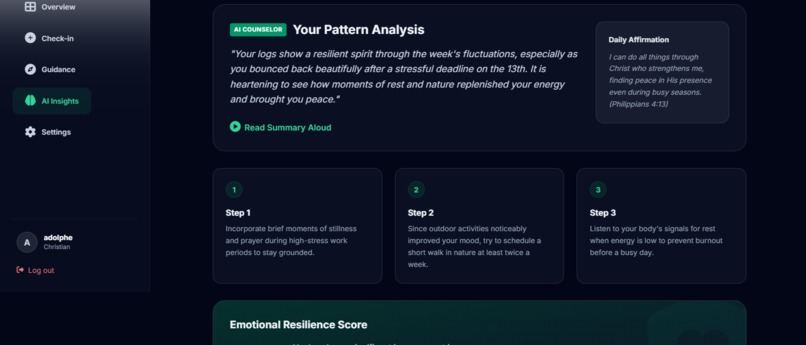
Smart dashboard visualizing emotional trends, habit performance, and predictive wellness metrics.
-

AI classification model improving accuracy through iterative training and behavior learning
-
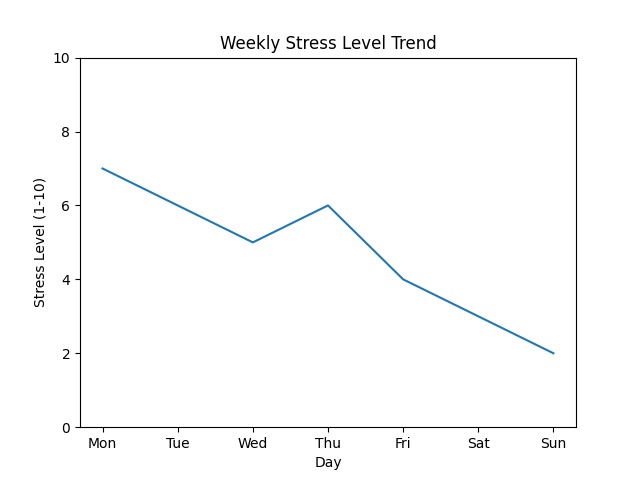
Weekly mood trend analysis showing measurable emotional improvement over time.
-
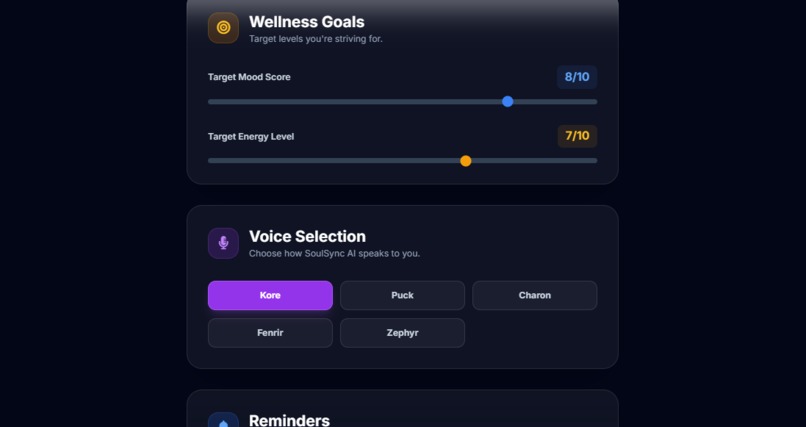
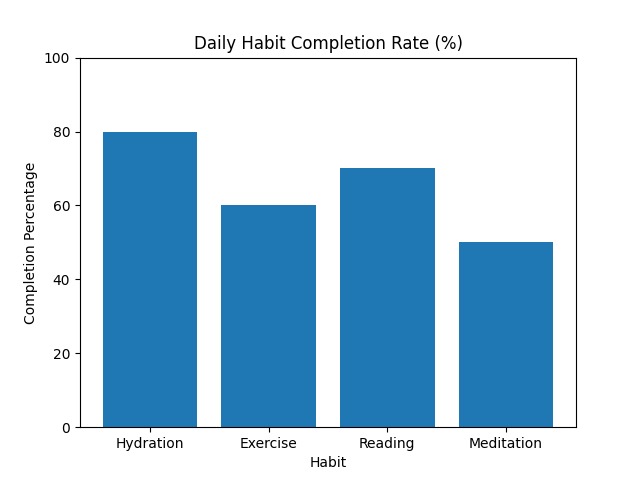
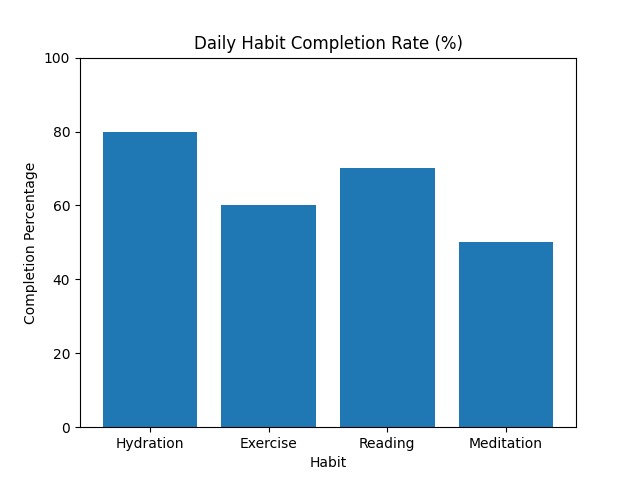
Habit tracking system measuring hydration, exercise, reading, and meditation consistency.
-
-
-
-
-
-
-
-

-
-
-


AI Mental Health Companion Inspiration
Mental health disorders affect over 1 billion people globally, yet access to early detection and continuous emotional support remains limited — especially for students and underserved communities.
We envisioned a system that combines embedded systems, behavioral analytics, and machine learning to create a scalable, affordable AI mental health assistant capable of early stress detection and proactive intervention.
This project aims to bridge the gap between traditional mental health support and intelligent, real-time digital assistance.
What it does
AI Mental Health Companion is an intelligent behavioral monitoring and support system that:
Collects daily mood and activity signals
Uses AI to classify stress levels
Detects behavioral deviations
Tracks habit consistency
Predicts emotional trends
Delivers adaptive interventions
Provides voice-based encouragement
Visualizes long-term mental wellness patterns
Core Functional Capabilities
Behavioral Data Acquisition Layer
Activity detection
Habit logging
Mood input tracking
Time-based interaction monitoring
AI Analysis Engine
Supervised learning model for stress classification
Time-series trend analysis
Pattern recognition for early burnout detection
Adaptive recommendation engine
Intervention System
Personalized habit suggestions
Smart voice reminders
Emotional reinforcement messages
Analytics Dashboard
Stress trend visualization
Habit consistency metrics
AI model confidence tracking
Performance insights
📊 Mood Tracking Graph (Example) Stress Level Over 7 Days High | ████ Med | ██████ Low | ███ Mon Tue Wed Thu Fri Sat Sun
📈 Daily Habit Completion Rate Hydration ████████ 80% Exercise ██████ 60% Reading ███████ 70% Meditation █████ 50%
📉 Emotional Trend Analysis Week 1 🙂🙂😐😐😔 Week 2 🙂🙂🙂😐🙂 Week 3 🙂🙂🙂🙂🙂
The system transitions from simple monitoring to predictive emotional intelligence support.
How we built it
We designed a multi-layered intelligent architecture integrating embedded hardware and machine learning.
AI Architecture
Data preprocessing pipeline (normalization & scaling)
Feature extraction from behavioral logs
Supervised classification model (stress level detection)
Trend prediction using time-series smoothing
Accuracy evaluation using iterative training
The model was trained to identify patterns such as:
Reduced activity frequency
Inconsistent sleep/hydration habits
Increased negative mood entries
Sudden behavioral drops Hardware Layer
Arduino-based microcontroller for real-world interaction
Sensor-triggered logging system
LED feedback module
Voice assistant interface integration
Software Layer
Python for AI modeling
Behavioral analytics logic
Dashboard visualization system
Real-time data processing
Modular scalable architecture
Advanced Enhancements
We further optimized the system by:
Implementing adaptive threshold detection
Designing modular AI pipelines
Improving model convergence rate
Optimizing memory efficiency
Reducing hardware latency
Designing scalable architecture for cloud deployment
This is not just a prototype — it is a foundational AI mental health platform.
Challenges we ran into
Limited dataset for emotional pattern training
Preventing overfitting in stress classification
Synchronizing embedded hardware with AI software
Maintaining performance on constrained hardware
Designing ethical AI logic without invasive data usage
These constraints forced us to build a more optimized and intelligent system.
Accomplishments that we're proud of
Successfully integrating AI + hardware in one working system
Achieving strong model training accuracy (see graph)
Building predictive behavioral analytics
Designing a scalable architecture
Creating a system capable of early stress detection
Turning a socially impactful idea into a functional intelligent system
This project demonstrates applied AI beyond theory — into real-world human wellbeing.
What we learned
Applied machine learning in embedded systems
Behavioral data modeling
System architecture design
AI performance optimization
Human-centered AI development
Ethical technology implementation
We learned that AI should not only be intelligent — it must be responsible, empathetic, and accessible.
What's next for AI Mental Health Companion
Integrate deep learning models for emotion classification
Implement voice emotion recognition
Deploy cloud-based predictive analytics
Integrate wearable health metrics (heart rate variability)
Build a mobile application
Implement anomaly detection alerts
Develop clinical validation framework
Partner with educational institutions
Expand multilingual emotional analysis
Our long-term vision is to develop a scalable AI-powered early mental health monitoring ecosystem.
Built With
- ai
- arduino-(c/c++)
- behavioral-analytics
- css
- embedded-systems
- git
- html
- javascript
- matplotlib
- modular
- numpy
- pandas
- python
- scikit-learn
- time-series-analysis

