Inspiration
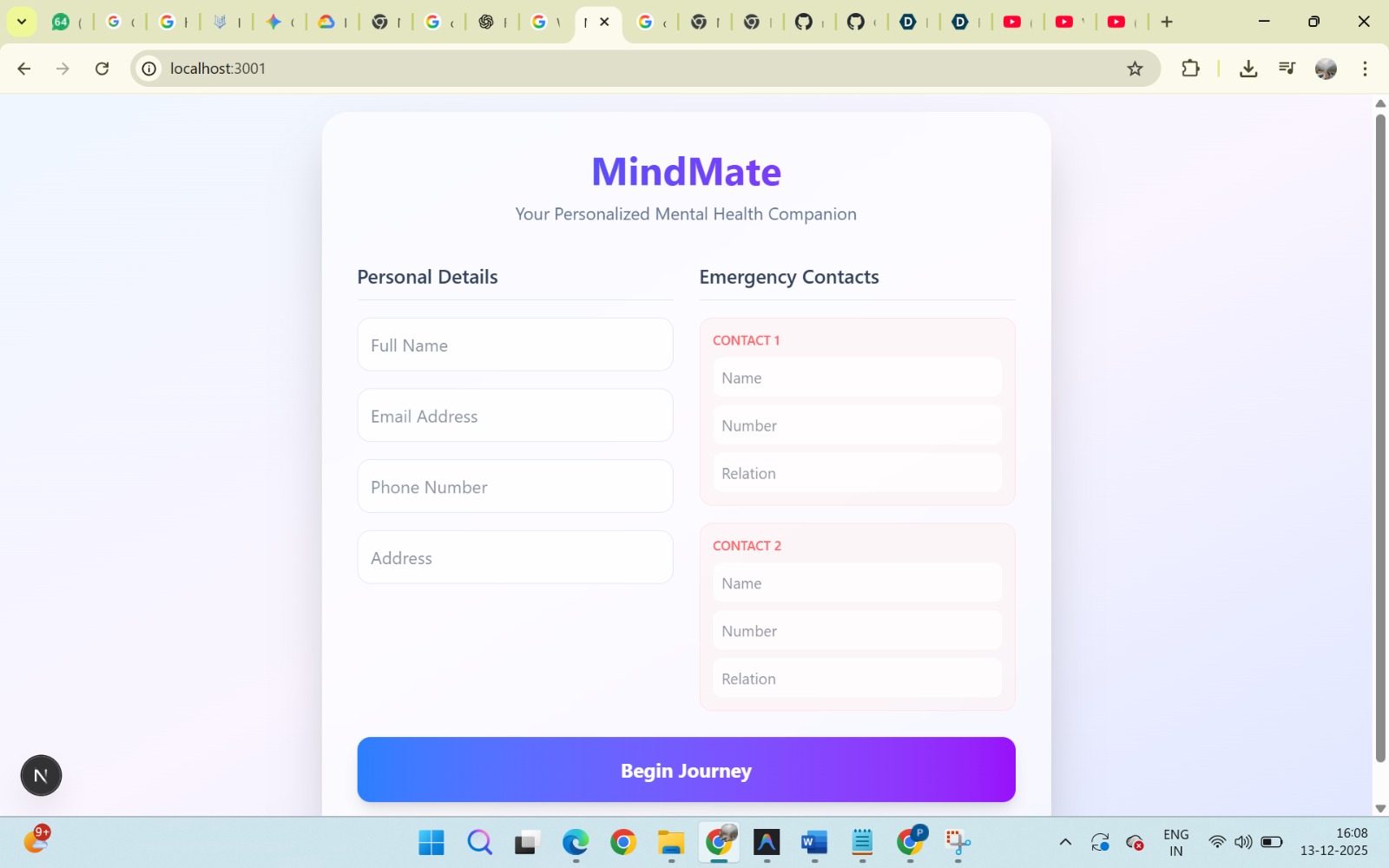
Mental health challenges are often overlooked, especially among students and young adults who hesitate to seek help due to stigma, cost, or lack of access. We were inspired by real conversations and personal experiences where people needed someone to talk to immediately. This pushed us to build an AI-powered mental health assistant that is always available, private, and non-judgmental.
What it does
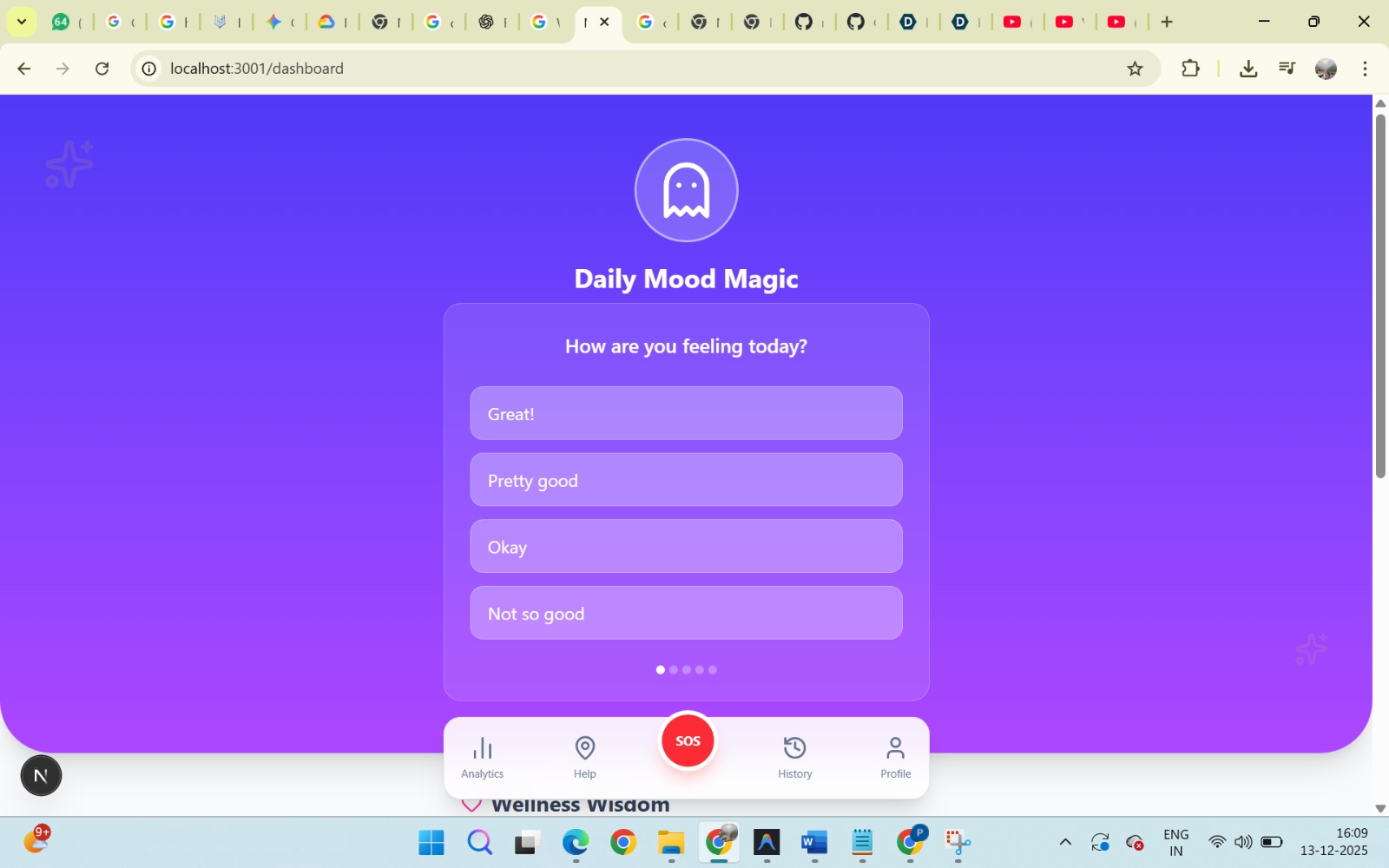
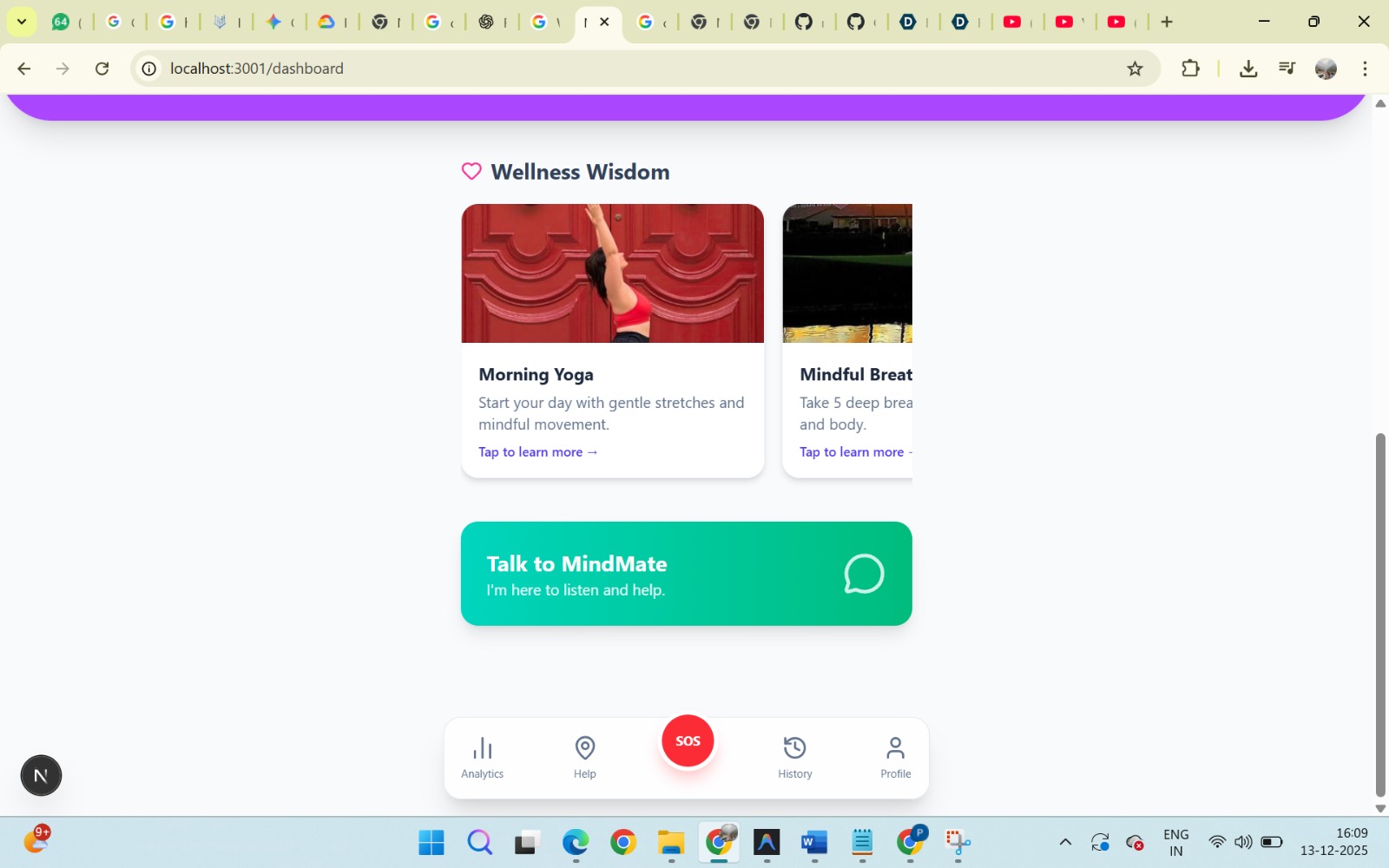
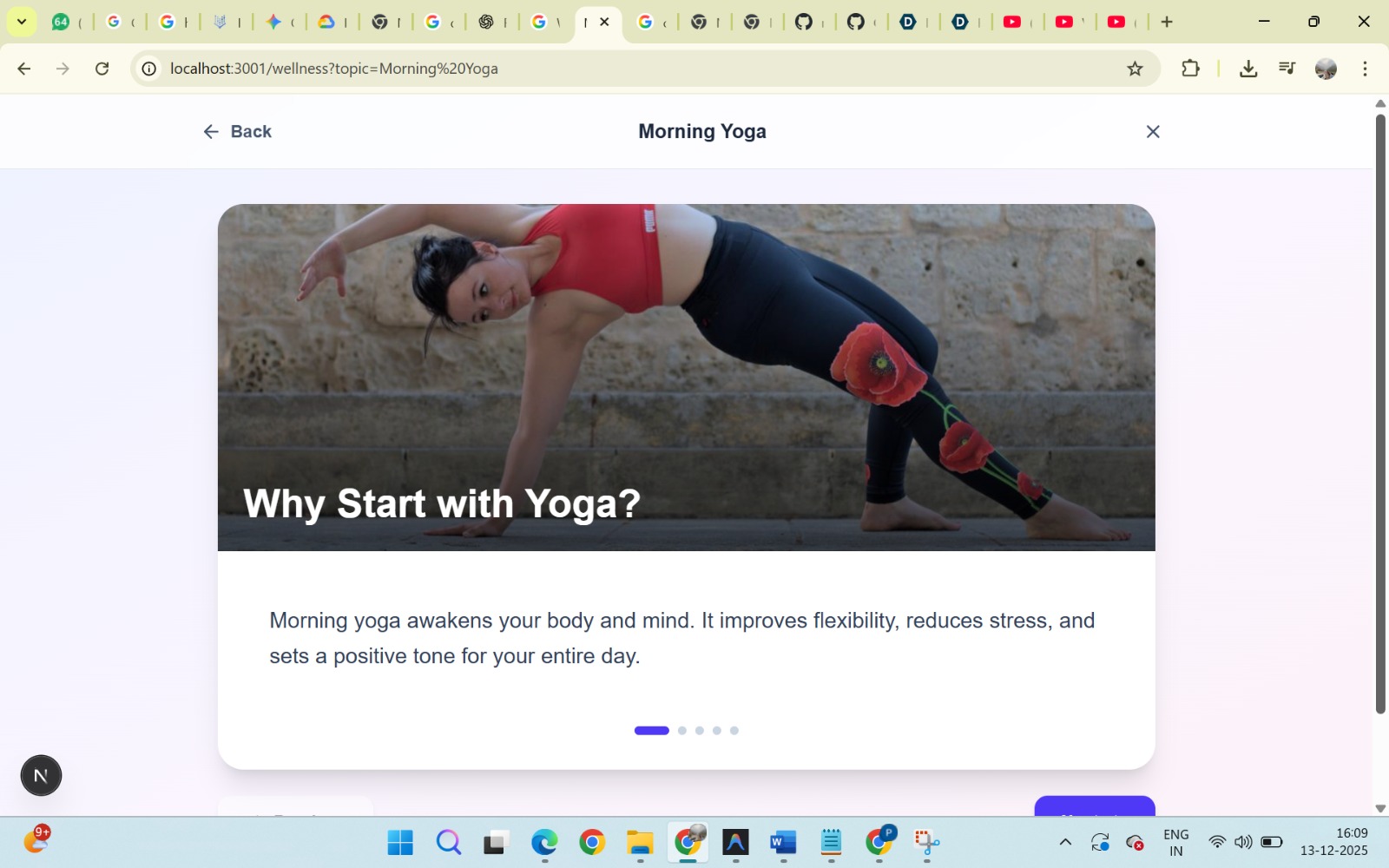
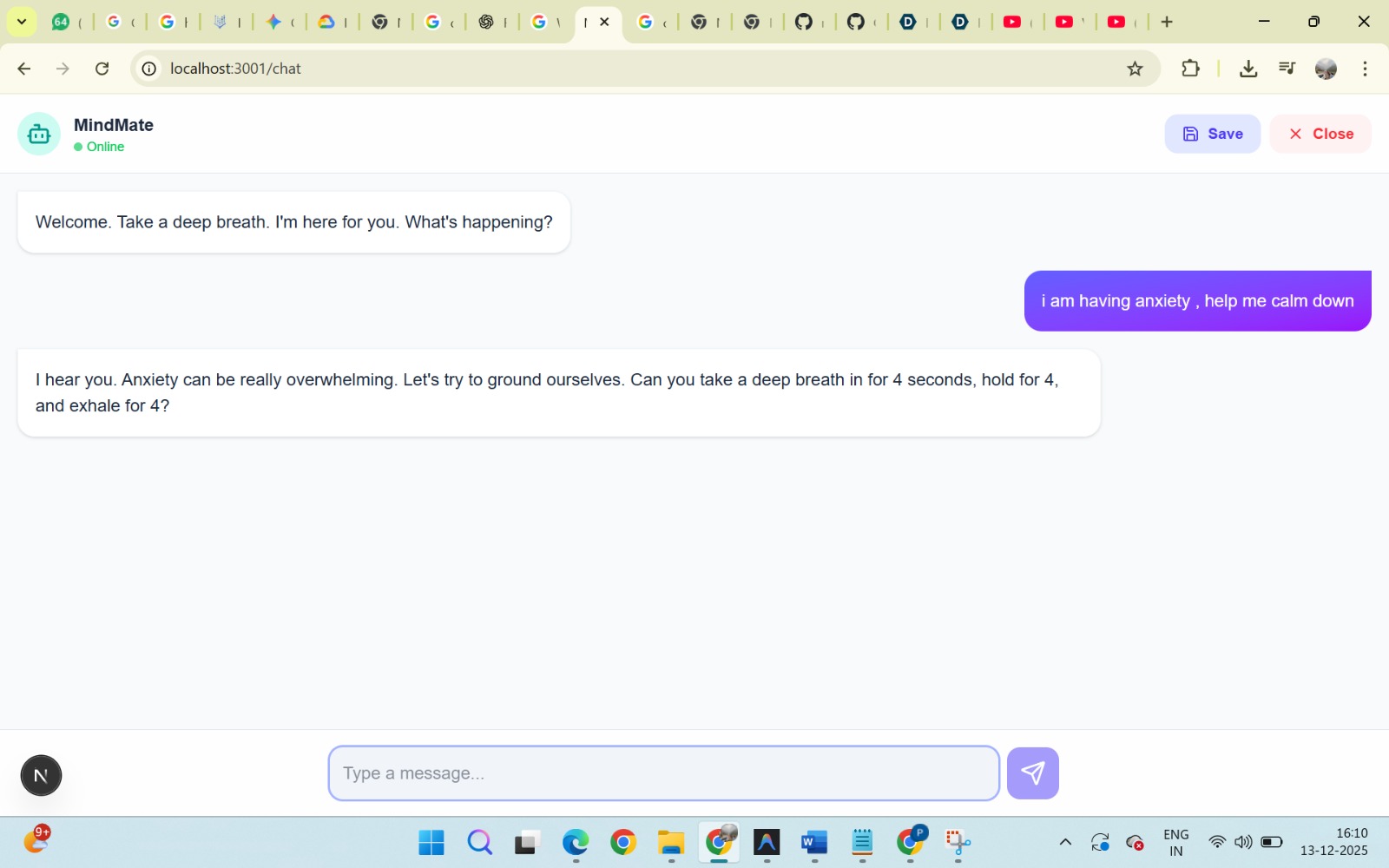
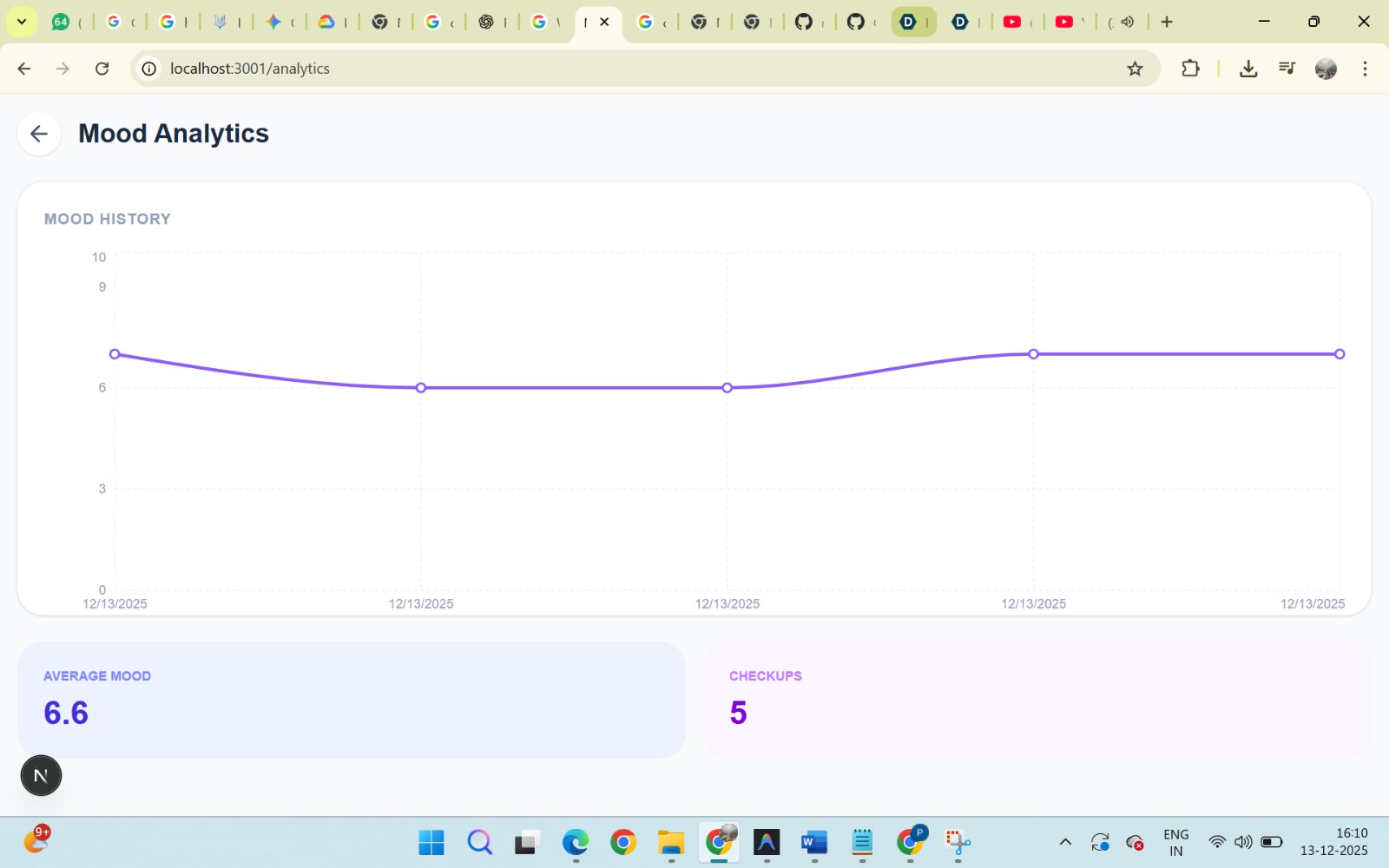
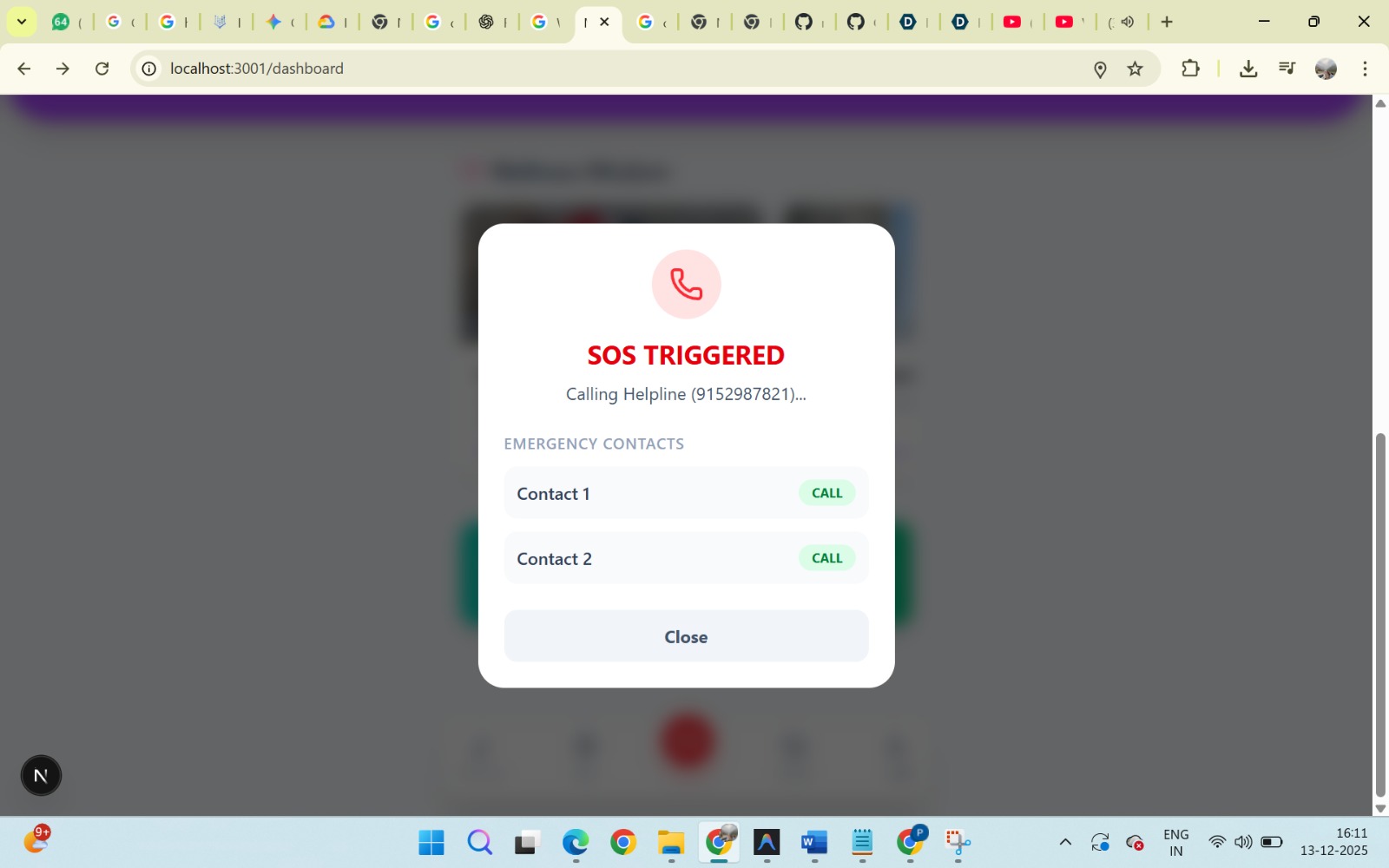
AI Mental Health Assistant provides users with a safe space to express their thoughts and emotions. It engages in empathetic conversations, helps users reflect on their feelings, suggests grounding exercises, and encourages healthy coping mechanisms. Over time, it recognizes emotional patterns and gently nudges users toward professional help when high-risk signals are detected.
How we built it
We built the assistant using the Gemini API for natural, context-aware conversations and MongoDB to securely store mood logs and interaction summaries. The frontend is a simple web interface designed for accessibility and ease of use. We used basic emotion-scoring logic to personalize responses while ensuring privacy and ethical boundaries.
Challenges we ran into
One of the biggest challenges was designing responses that were supportive without crossing into medical or diagnostic advice. Prompt tuning to maintain empathy and consistency was time-consuming. We also faced time constraints, API limitations, and the challenge of building a meaningful product within a short hackathon window.
Accomplishments that we're proud of
We’re proud of creating a working, end-to-end mental health assistant that balances empathy with responsibility. Building a system that adapts to users over time, securely stores data, and remains easy to use was a major achievement for our team.
What we learned
This project taught us how to build responsible AI systems, design user-first experiences, and collaborate effectively under pressure. We gained hands-on experience with AI integration, database design, and the importance of ethics in mental health–focused technology.
What's next for AI Mental Health Assistant
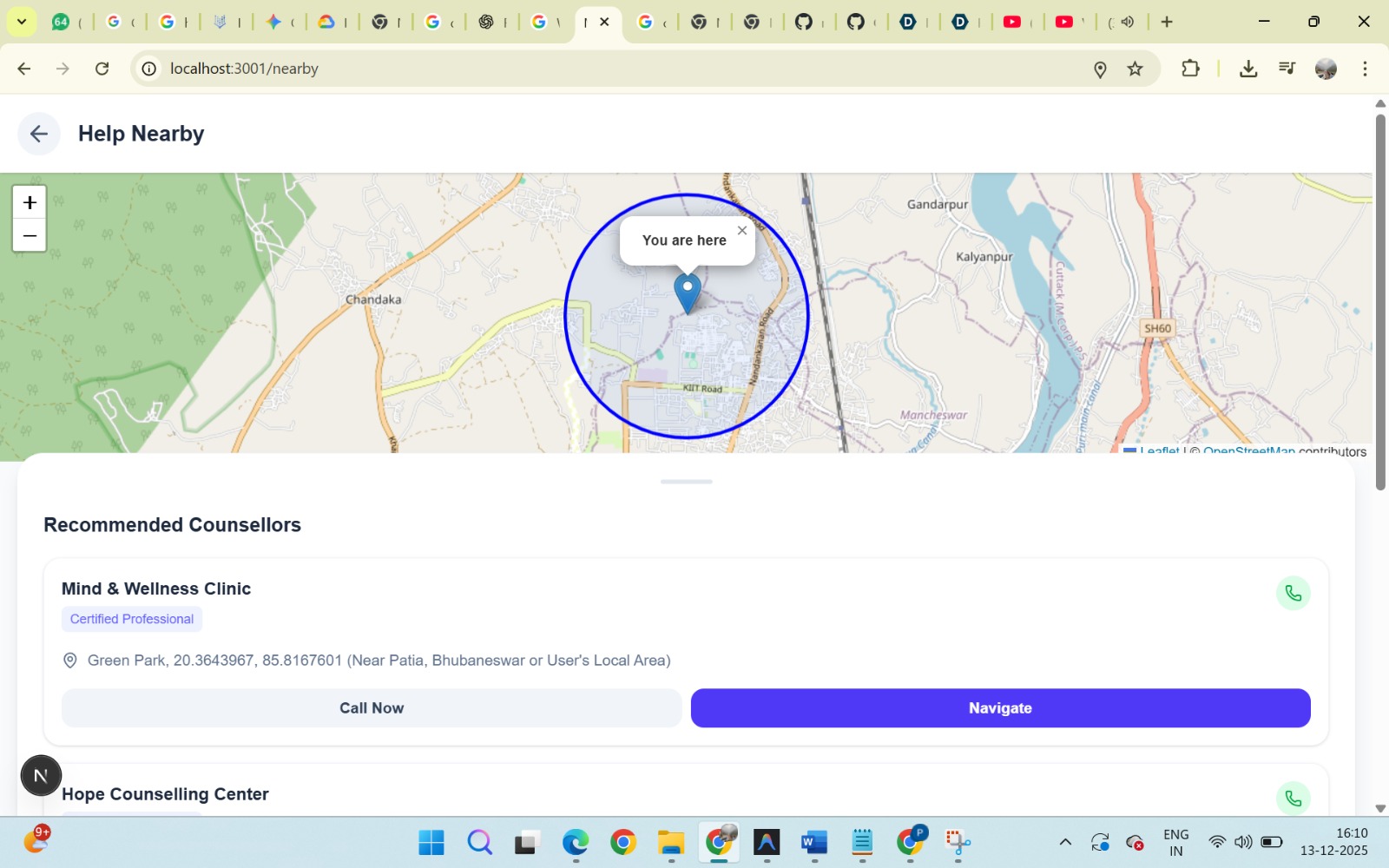
Next, we plan to improve emotional detection, add multilingual support, and integrate verified mental health resources. Long-term, we aim to collaborate with mental health professionals, enhance personalization, and expand the platform to reach more users who need support.


Log in or sign up for Devpost to join the conversation.