-
-
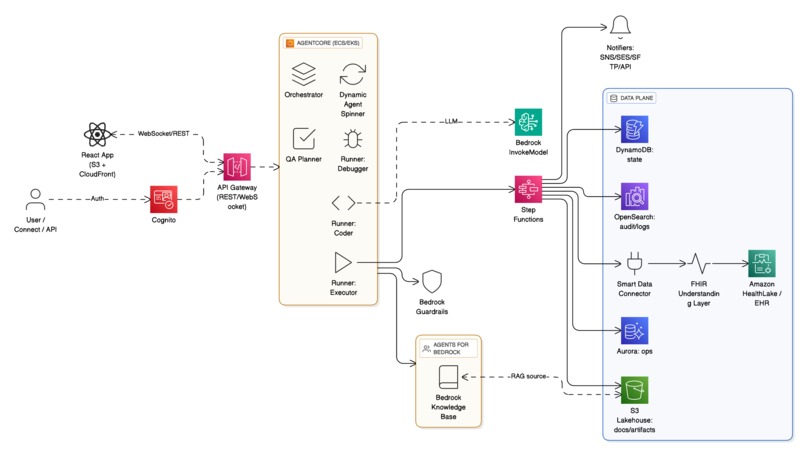
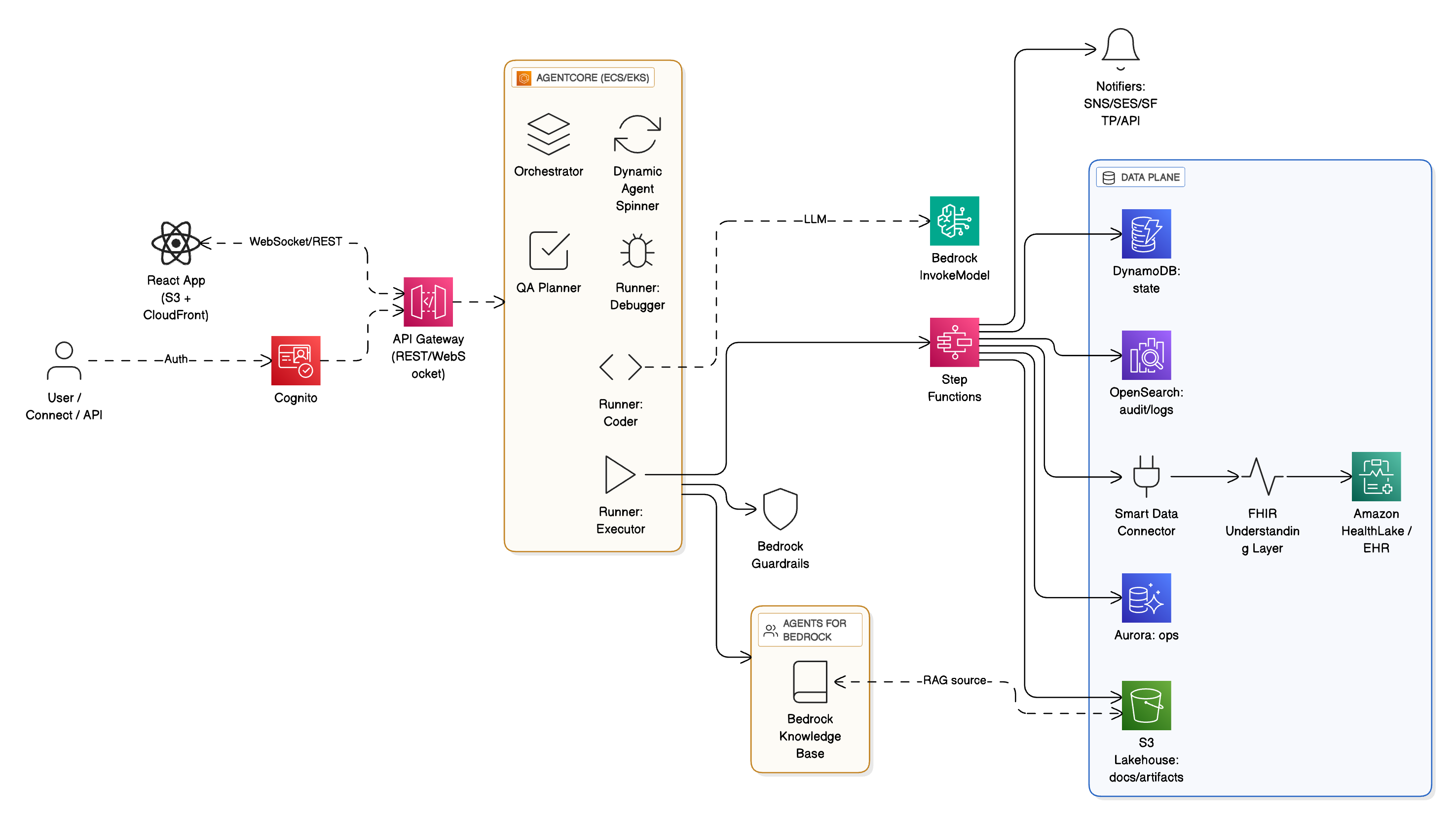
Techincal Architecture Diagram
-
-
-
-
-
-
-
-
-
-


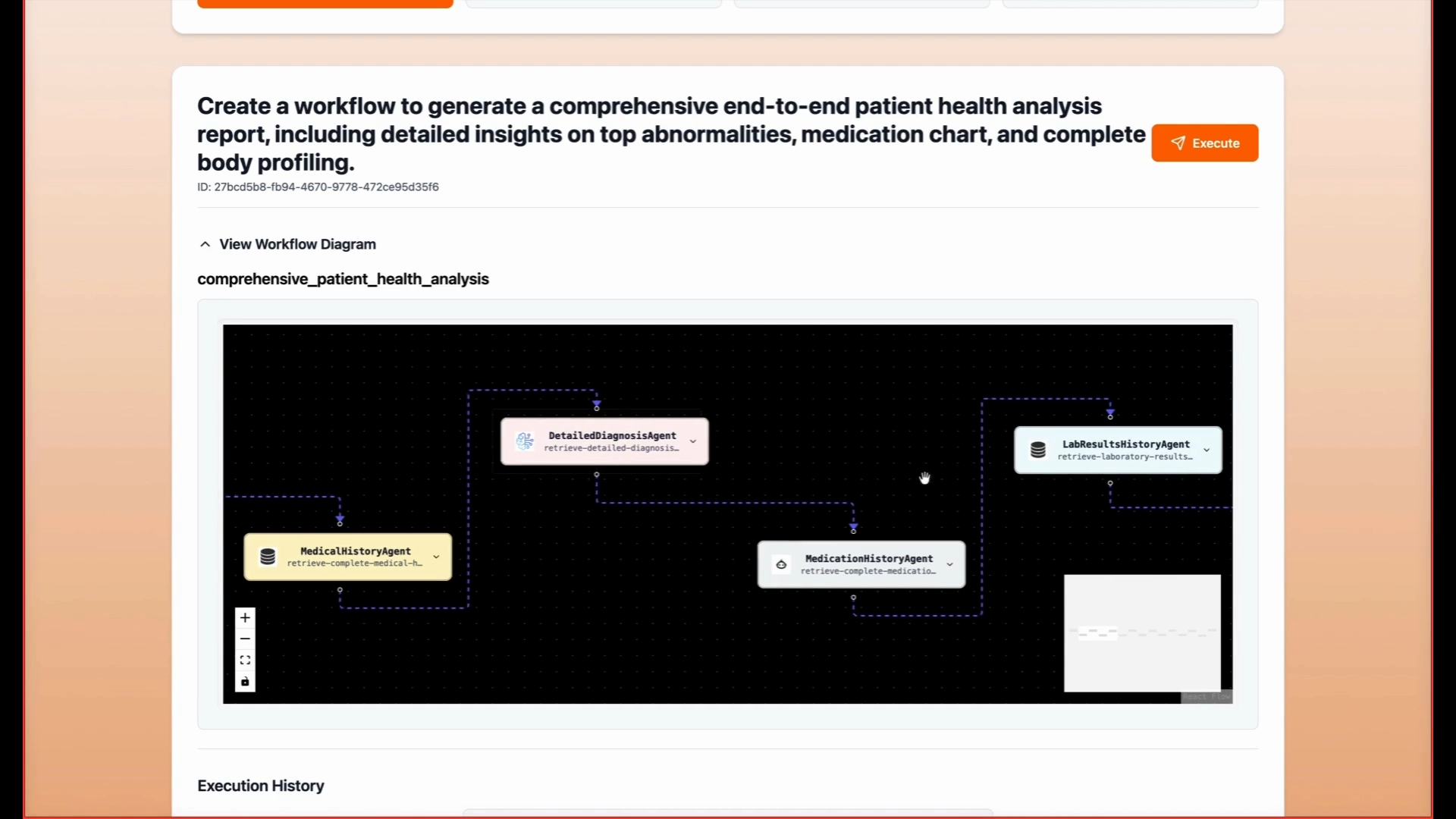
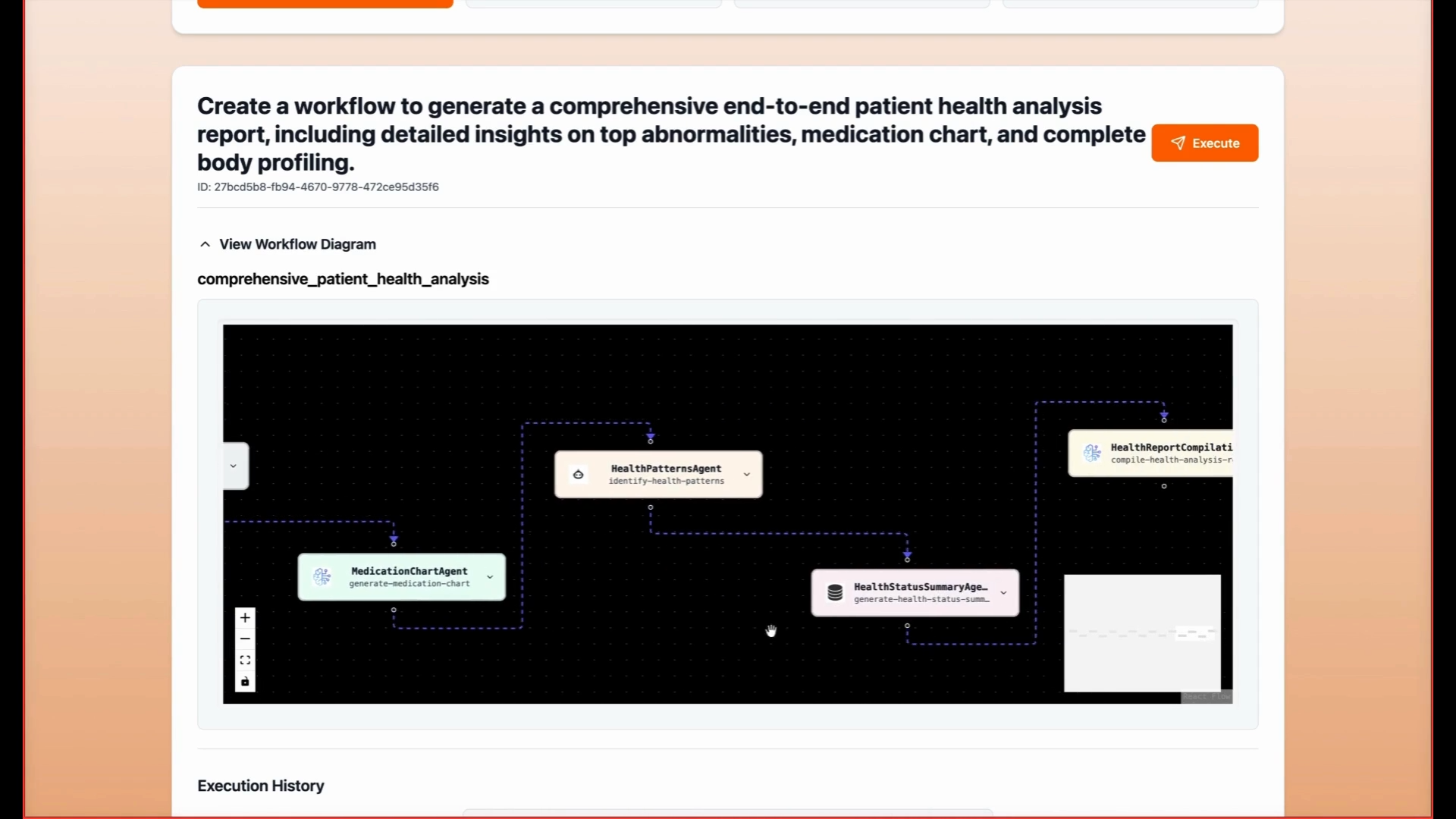
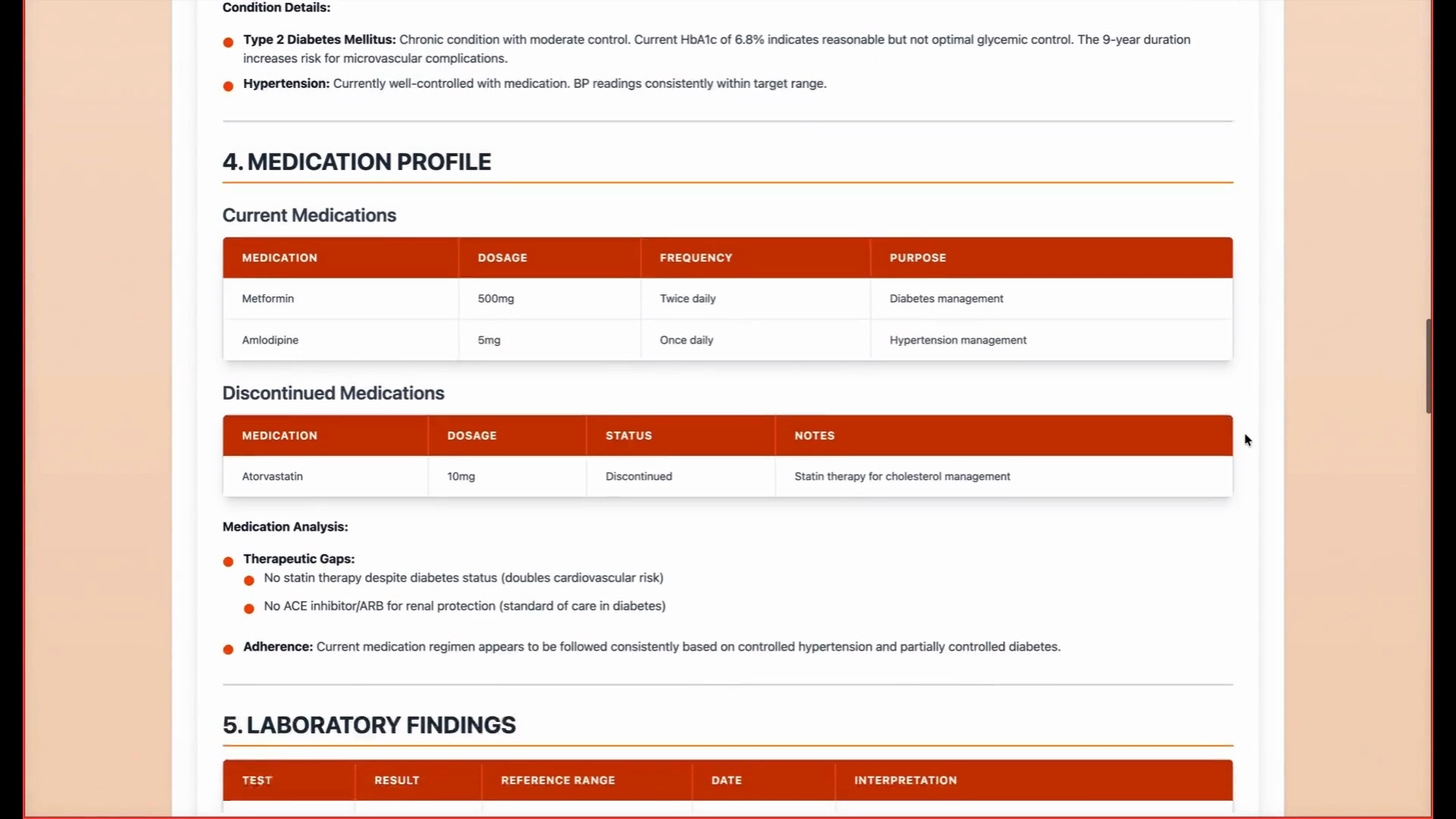
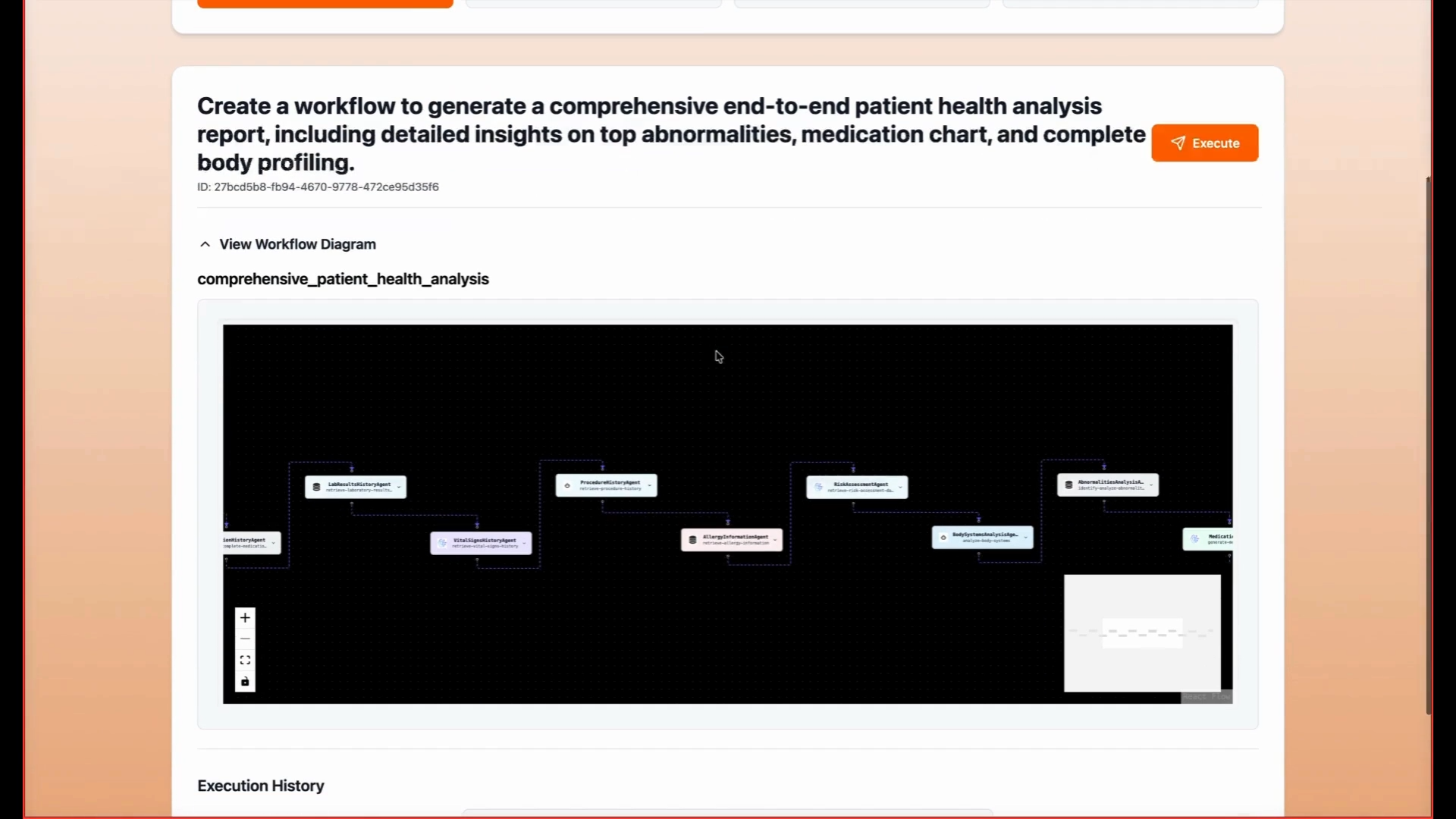
Inspiration
What it does
The Genesis of AI Matic Careflow: A Story of Inspiration, Innovation, and Overcoming Hurdles The journey of creating AI Matic Careflow was born from a series of conversations with healthcare professionals. The recurring theme was a sense of being overwhelmed by administrative tasks that detracted from their primary mission: patient care. This sparked the central question that drove our project: "How can we leverage technology to alleviate this burden and empower healthcare providers to focus on what they do best?"
What Inspired Us Our primary inspiration was the immense potential to make a tangible difference in the healthcare industry. We saw a landscape ripe for innovation, where dedicated professionals were bogged down by repetitive, manual processes. The vision was to create a digital twin that could handle these tasks with precision and efficiency, freeing up valuable time and mental energy for healthcare staff. We were driven by the desire to improve not only the operational efficiency of healthcare organizations but also the quality of patient care and the well-being of the providers themselves. By automating routine administrative work, we aimed to reduce hesitation towards adopting busines workflows in the industry.
What We Learned Throughout the development of AI Matic Careflow, we embraced a philosophy of continuous learning. One of our most significant takeaways was the critical importance of a human-centric approach to AI. It became clear that our goal was not to replace healthcare professionals, but to augment their capabilities. This understanding shaped our design principles, leading us to create a system that is transparent, intuitive, and keeps the user in control.
We also learned to "start small and iterate." Rather than attempting to build a monolithic system that solved every problem at once, we focused on developing a flexible platform that could automate individual workflows effectively. This agile approach allowed us to gather feedback early and often, refining our solution based on real-world usage. Another crucial lesson was the necessity of meticulous workflow analysis before any automation. A deep understanding of the existing processes was paramount to designing an effective and seamless automated solution.
How We Built the Project The construction of AI Matic Careflow followed a structured, multi-phase approach:
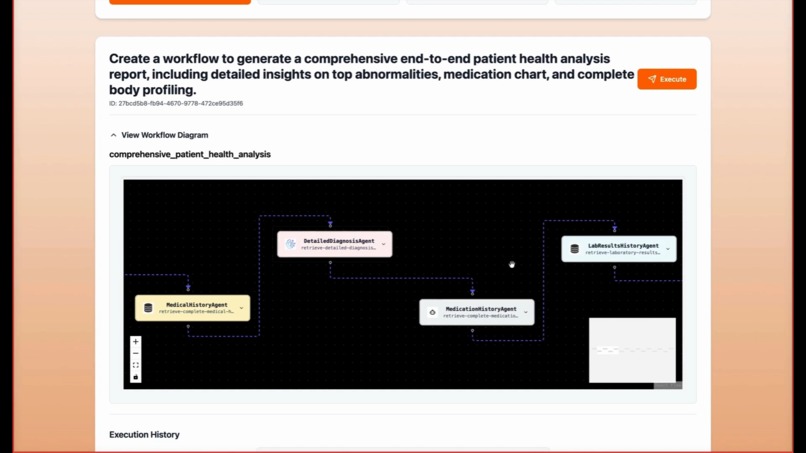
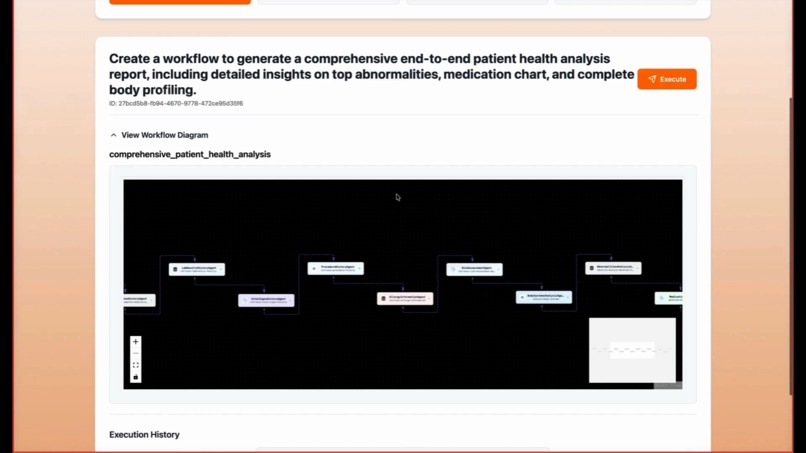
Conceptualization and Design: We began by meticulously mapping out common healthcare business processes. This involved extensive consultation with industry professionals to identify pain points and areas with the highest potential for automation. The core architecture was designed to be modular, allowing for the creation of specialized AI agents for different tasks.
Technology Stack: We opted for a robust and scalable cloud-based infrastructure to handle the demands of AI processing and data management securely. Our technology stack included a combination of machine learning libraries for the AI agents, a secure database for storing workflow configurations, and a user-friendly front-end interface built with modern web development frameworks. We leveraged APIs to ensure our platform could integrate with existing healthcare systems.
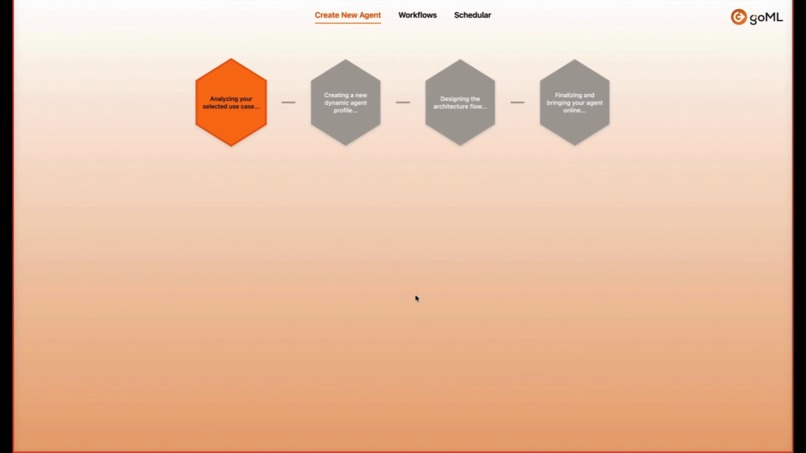
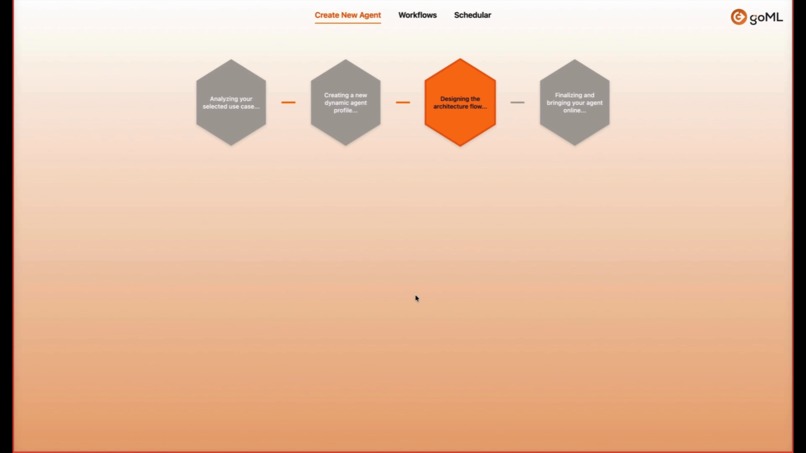
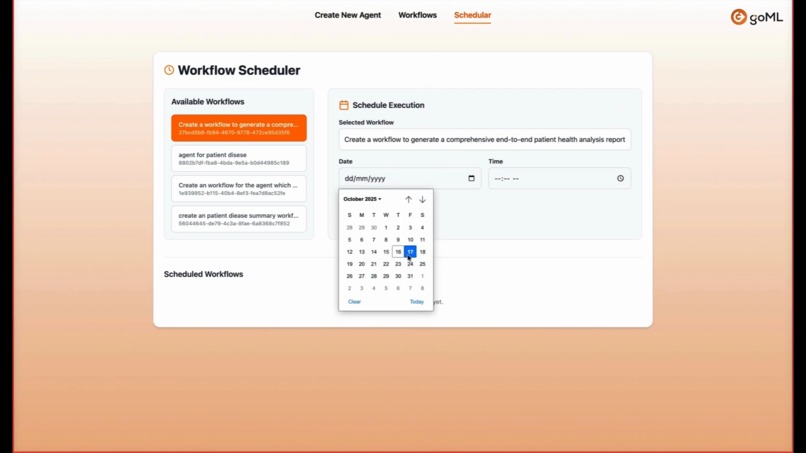
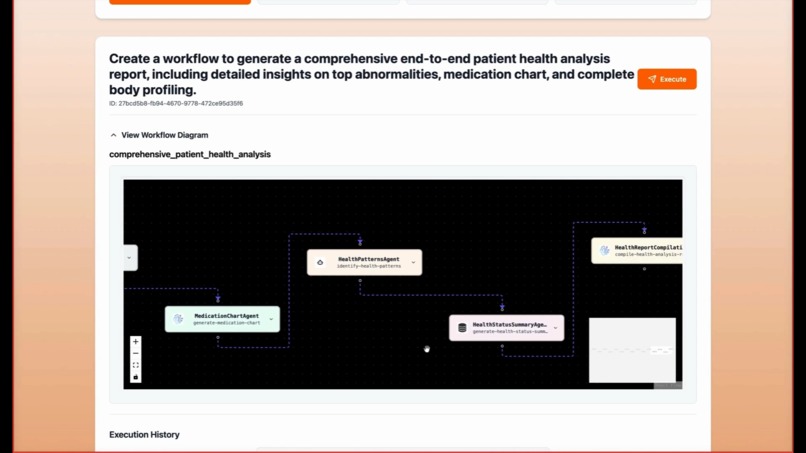
Development Sprints: Our development was organized into agile sprints, with each sprint focusing on a specific feature or workflow. For instance, one sprint was dedicated to building the natural language processing capabilities of the chat interface, allowing users to describe their desired workflows in plain English. Another focused on the scheduling and verification modules.
Testing and Refinement: Rigorous testing was a cornerstone of our process. We conducted extensive internal testing to identify and fix bugs, followed by a closed beta with a select group of healthcare administrators. Their feedback was invaluable in refining the user experience and ensuring the platform was both powerful and easy to use.
Challenges We Faced The path to creating AI Matic Careflow was not without its obstacles. Here are some of the most significant challenges we navigated:
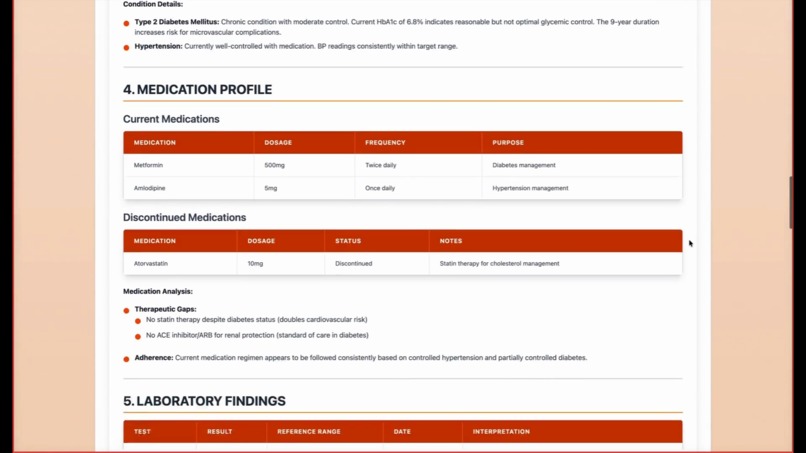
Data Security and Compliance: Handling sensitive patient information meant that security and compliance with regulations like HIPAA were non-negotiable. We invested heavily in creating a secure, encrypted environment and ensuring our platform adhered to the strictest privacy standards. Integration with Legacy Systems: The healthcare industry often relies on older, legacy systems that are not designed for easy integration. Overcoming this challenge required developing flexible and adaptable connectors that could communicate with a wide range of existing software. Ensuring Data Quality: The effectiveness of our AI agents is directly dependent on the quality of the data they process. We had to develop sophisticated data validation and cleaning protocols to handle the fragmented and often unstructured nature of medical data. Building Trust in AI: We encountered a natural skepticism towards AI in a field that relies heavily on human judgment. To address this, we focused on creating a transparent system where users can easily verify the steps of an automated workflow and retain full control. We emphasized that AI Matic Careflow is a tool to assist, not to replace, human expertise. Cost and Resource Allocation: Developing a sophisticated AI platform is a resource-intensive endeavor. We had to be strategic in our planning and resource management to bring our vision to life within a defined budget and timeline. In conclusion, the creation of AI Matic Careflow has been a journey of immense learning and perseverance. We are proud to have built a platform that we believe will have a lasting and positive impact on the healthcare industry, empowering providers to deliver the best possible care.
How we built it
Challenges we ran into
Accomplishments that we're proud of
What we learned
What's next for AI Matic Careflow
Built With
- agentcore
- bedrock
- nova

Log in or sign up for Devpost to join the conversation.