
Our Journey in Creating AI Manga Translator
What Inspired Us
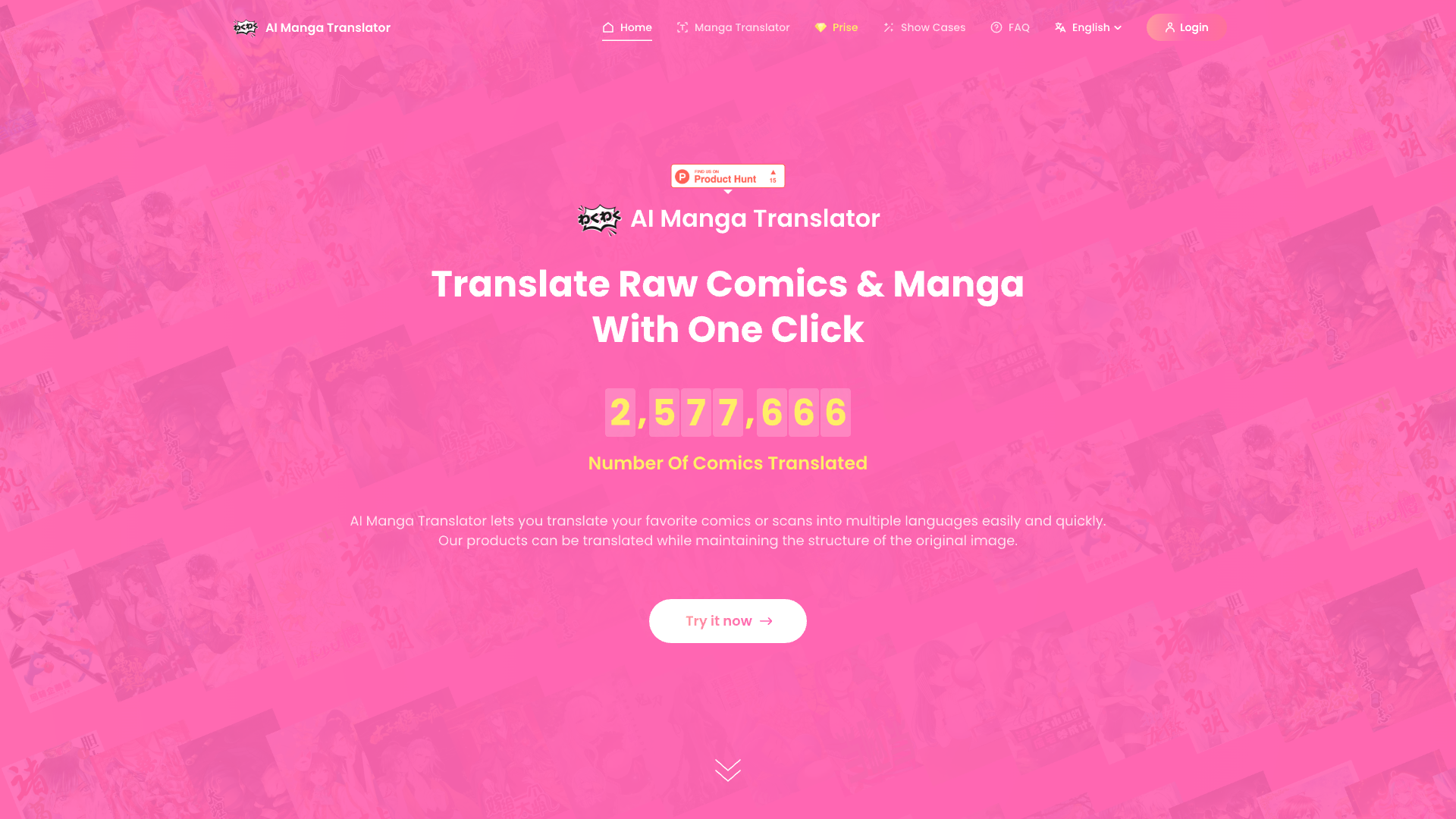
The idea behind AI Manga Translator came from our shared love for manga and the frustration that comes with trying to read manga in a language that isn’t your own. As manga fans, we often found ourselves struggling to enjoy our favorite series because they weren’t available in our native language. While there were some translation tools out there, they were often slow, inaccurate, or failed to capture the unique nuances of manga storytelling.
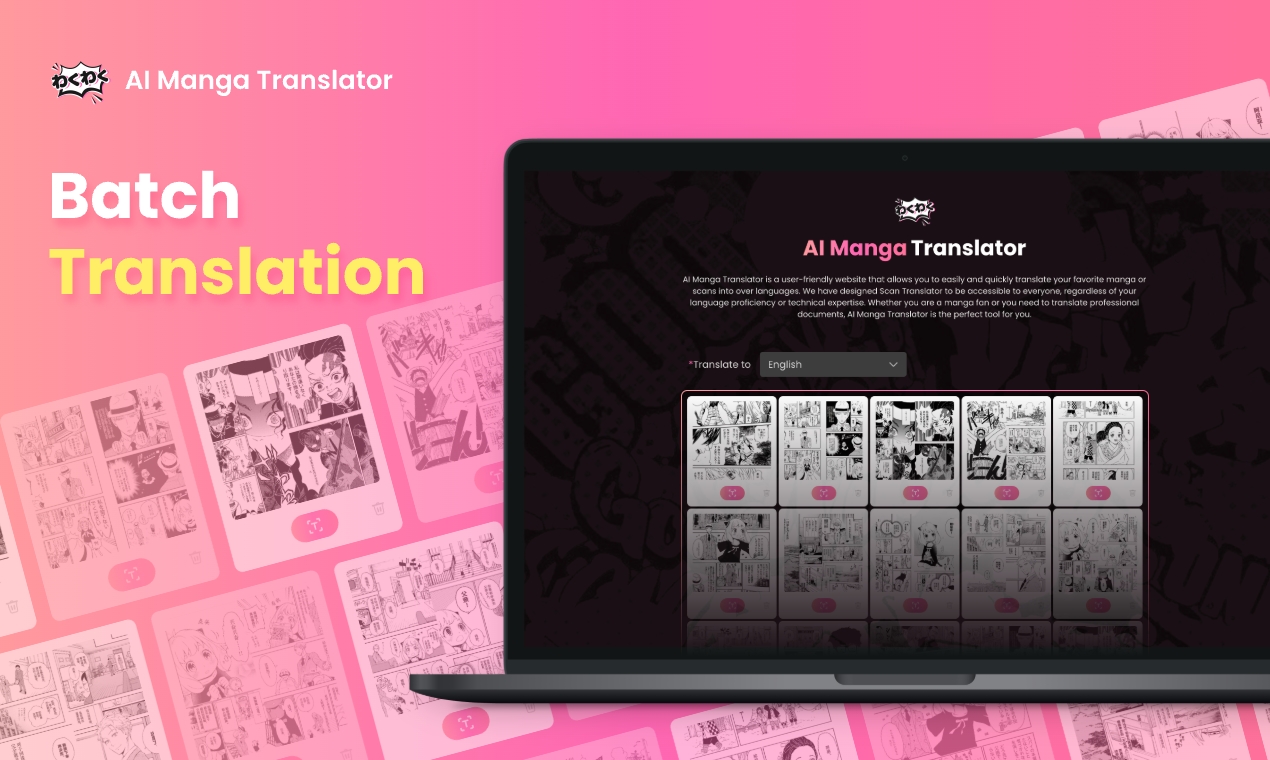
This inspired our team to create something better: AI Manga Translator. We wanted to build a tool that could translate manga accurately, quickly, and seamlessly, so that fans worldwide could enjoy manga in their own language, without losing the heart of the art or the story.
What We Learned
Building AI Manga Translator was a journey full of learning and growth. Here are some key takeaways from the process:
1. The Power of AI
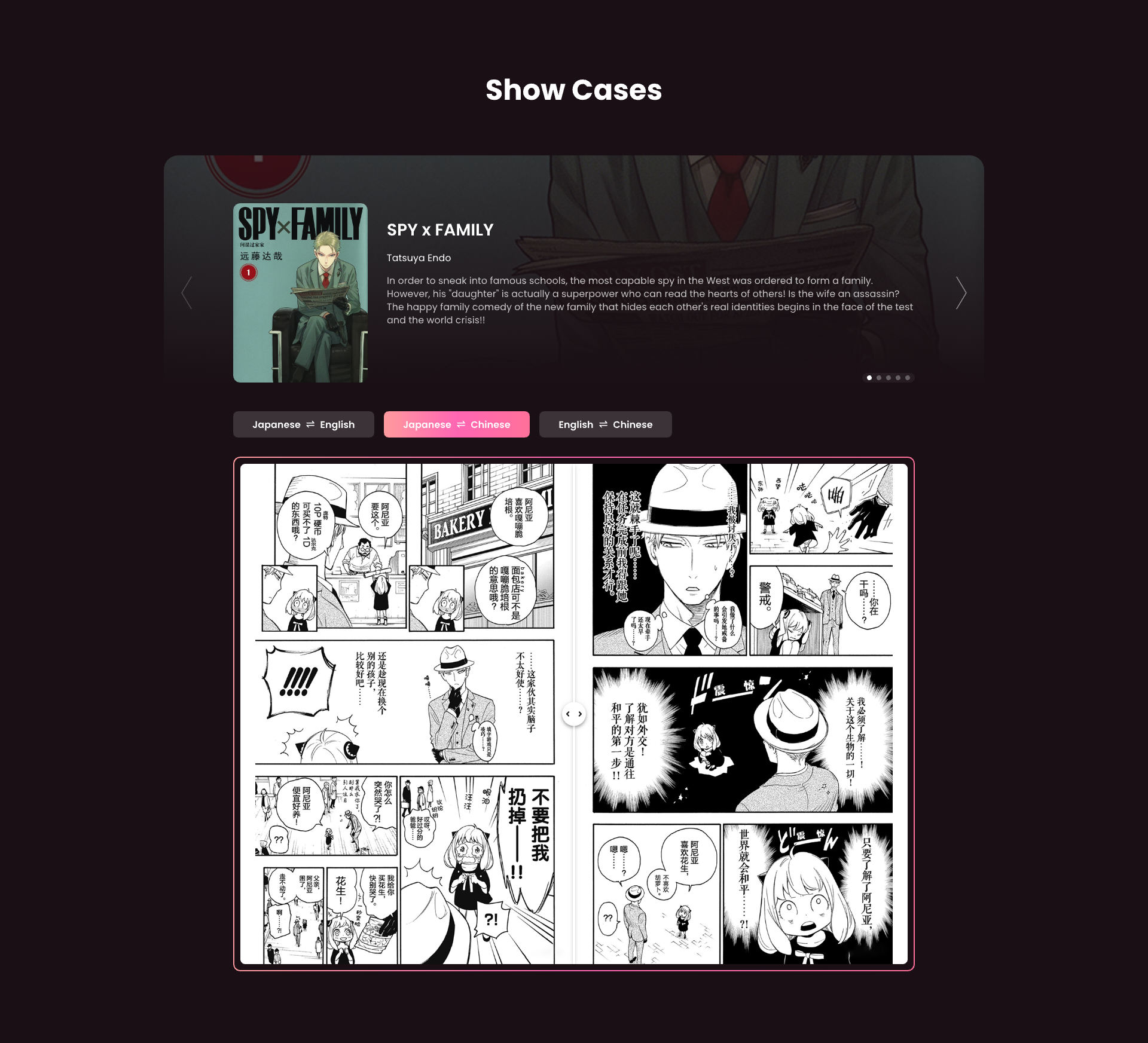
The biggest challenge was figuring out how to make AI work for manga. Manga is different from regular text; it’s a mix of art, culture, and unique storytelling. Traditional translation models didn’t do justice to the manga format—slang, wordplay, and cultural references were often lost. Through our work, we learned how to fine-tune AI models to better handle these specific challenges and produce more accurate translations.
2. Collaboration is Key
Our team’s success came down to how well we worked together. With each team member playing a crucial role—UI designer, front-end engineers, and back-end developers—we were able to build a tool that worked seamlessly for users. Collaboration helped us turn ideas into a functioning product, with everyone contributing their expertise.
3. User-Centered Design
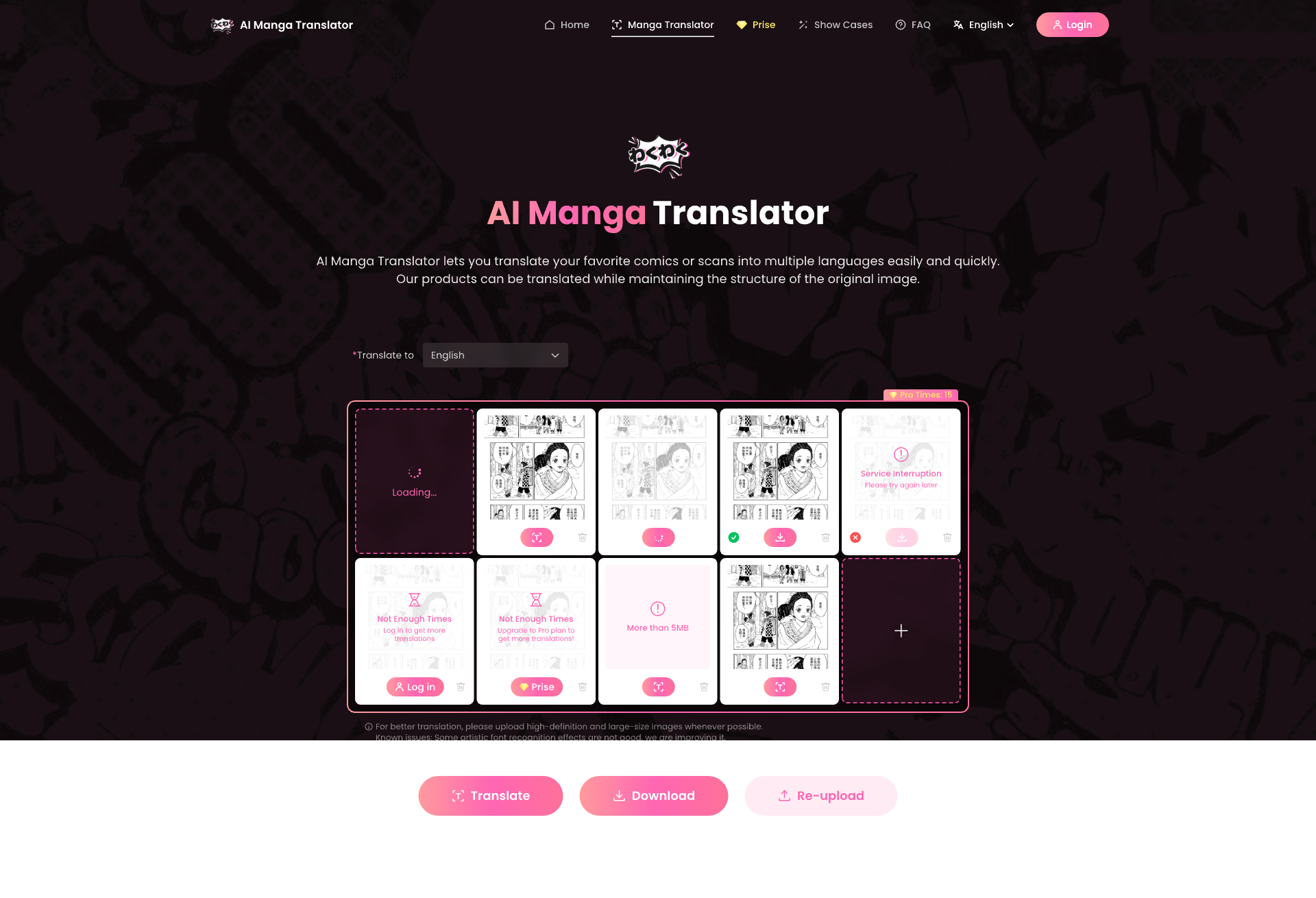
We learned that no matter how great the technology, the user experience is just as important. We spent a lot of time designing a simple, intuitive interface that allows users to upload manga, translate text, and enjoy the story without unnecessary steps or confusion. Feedback from real users was essential in making the tool more effective and user-friendly.
4. Language Diversity
Manga fans come from all corners of the world, and we quickly realized how important it was to offer multiple language options. This taught us a lot about the complexities of translation and how different languages can affect how a manga feels when read. We worked hard to make sure that the translations captured the tone, style, and meaning, no matter the language.
How We Built the Project
Building AI Manga Translator involved a combination of cutting-edge technology, creative design, and a lot of hard work. Here’s how we did it:
1. Research and Planning
We began by researching AI-powered translation tools, focusing on natural language processing (NLP) and machine learning (ML) techniques that could be tailored to the unique challenges of manga. We also studied the particularities of manga as a medium—how text, art, and narrative flow together. This helped us plan out a detailed approach to make sure our AI would be optimized for manga translation.
2. AI Model Development
Our AI team worked closely to develop a specialized translation engine for manga. Unlike regular translation tools, we trained the model to understand manga’s specific features—like Japanese honorifics, character-specific speech patterns, and cultural references. This allowed the AI to provide more natural, accurate translations while preserving the feel of the original manga.
3. Testing and Iteration
Once the early version of the tool was ready, we put it through rigorous testing. This helped us iron out any bugs, refine the AI’s translation capabilities, and improve the overall user experience. User feedback was crucial in this phase, helping us identify areas for improvement and ensure the platform was reliable.
4. Multilingual Expansion
Once we perfected the translation model in English, we expanded our platform to support other languages, including Spanish, French, and Portuguese, and so on. This was a major challenge in terms of maintaining translation quality, but it was also incredibly rewarding as we could now bring manga to fans across the world.
Challenges We Faced
Building AI Manga Translator wasn’t without its difficulties. Some of the key challenges we encountered included:
1. Understanding Context
Japanese manga often contains culturally specific language, puns, and references that can be difficult to translate accurately. Our AI needed to understand not just the words, but also the context and tone. This required fine-tuning and training on manga-specific datasets to improve accuracy.
2. Extracting Text from Manga
Since manga is a visual medium, extracting text from images wasn’t as simple as it sounds. The manga pages often feature stylized fonts and varying text placements, which meant our OCR (Optical Character Recognition) system had to be optimized specifically for manga layouts. We spent a lot of time improving this process to ensure that text was extracted cleanly and accurately.
3. User Demand and Scaling
As more users began using the tool, we needed to scale the platform to handle a growing number of users and manga uploads. Ensuring the system remained fast and responsive, even under heavy usage, required significant effort in optimizing both front-end and back-end infrastructure.
4. Cultural Sensitivity
Manga often includes subtle references to Japanese culture, humor, and traditions that may not be immediately understandable to international readers. Striking the right balance between translation and cultural adaptation was challenging, as we didn’t want to lose the unique flavor of the original work while making it accessible to a global audience.
Final Thoughts
Creating AI Manga Translator was an incredible journey for our entire team. What started as a simple idea to make manga more accessible grew into a powerful tool that helps readers worldwide connect with manga in their own language. Along the way, we learned a lot about AI, design, collaboration, and the unique challenges of working with manga.
The project is still a work in progress, as we continue to improve translations, add new features, and ensure the platform meets the needs of manga fans everywhere. Ultimately, our goal is to create a tool that brings the magic of manga to everyone, no matter where they’re from or what language they speak. After all, manga is more than just entertainment—it’s a universal language of storytelling that transcends borders.
Built With
- amazon-web-services
- css
- html
- java
- javascript
- mybatis
- mysql
- nuxt.js
- python
- rabbitmq
- redis
- springboot
- vue.js
- web


Log in or sign up for Devpost to join the conversation.