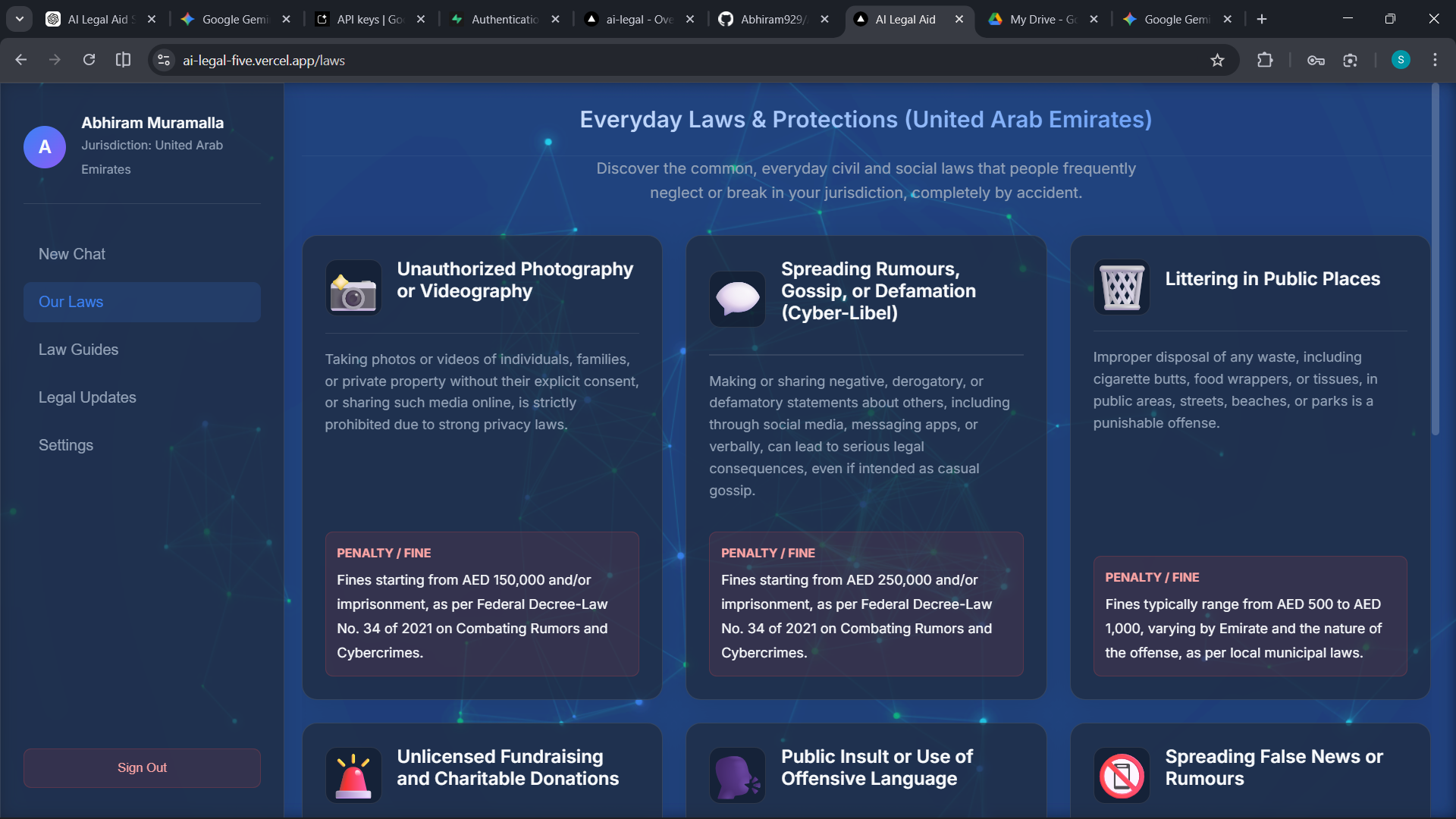
Inspiration The legal system is a maze that most people cannot navigate without an expensive guide. Many individuals face legal paralysis because they do not know if their issue is a minor grievance or a critical emergency. Inspired by the triage systems used in healthcare, this project provides a diagnostic tool that empowers citizens to understand their situation, assess their risk, and prepare their documentation before they step into a courtroom.
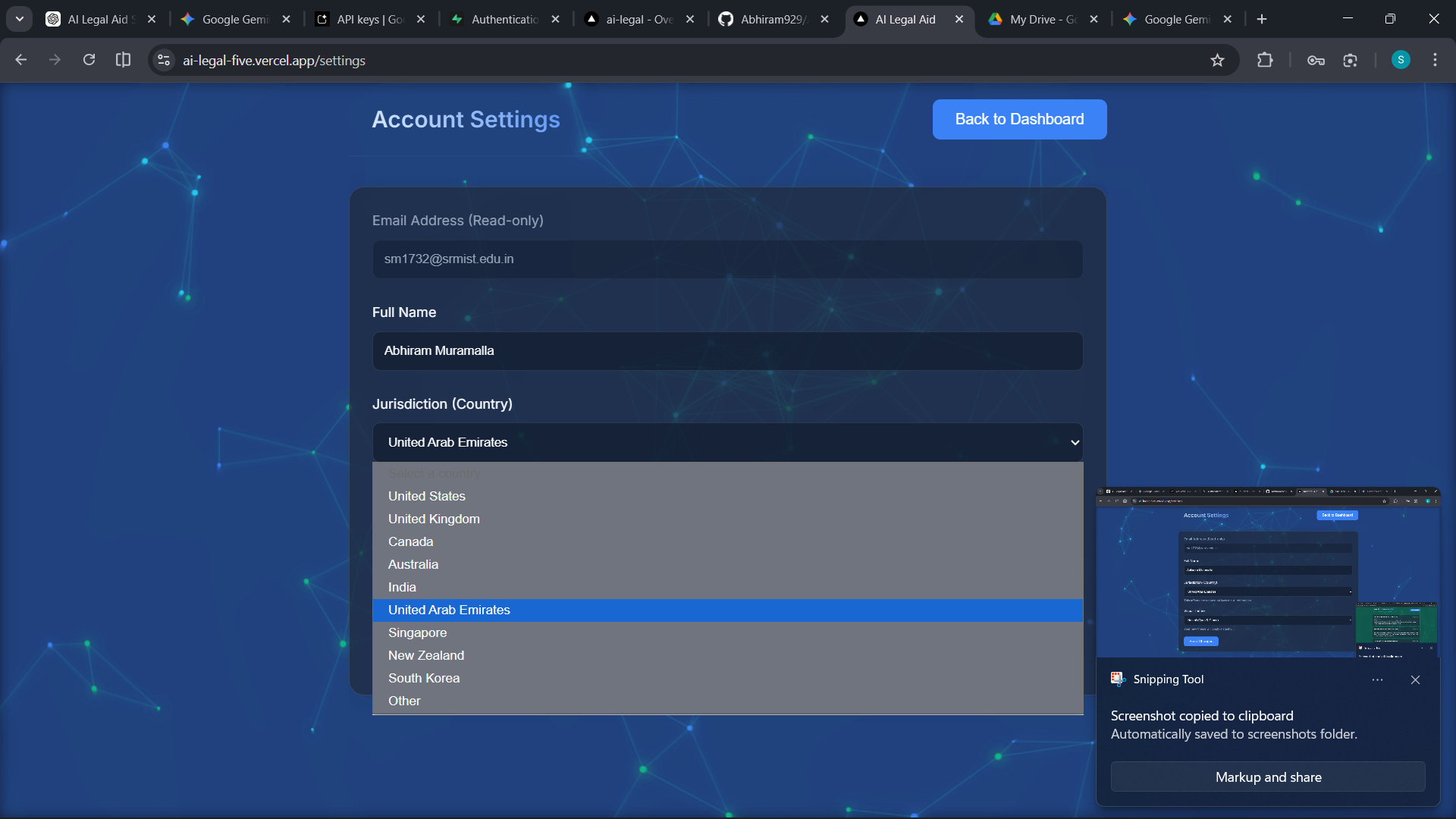
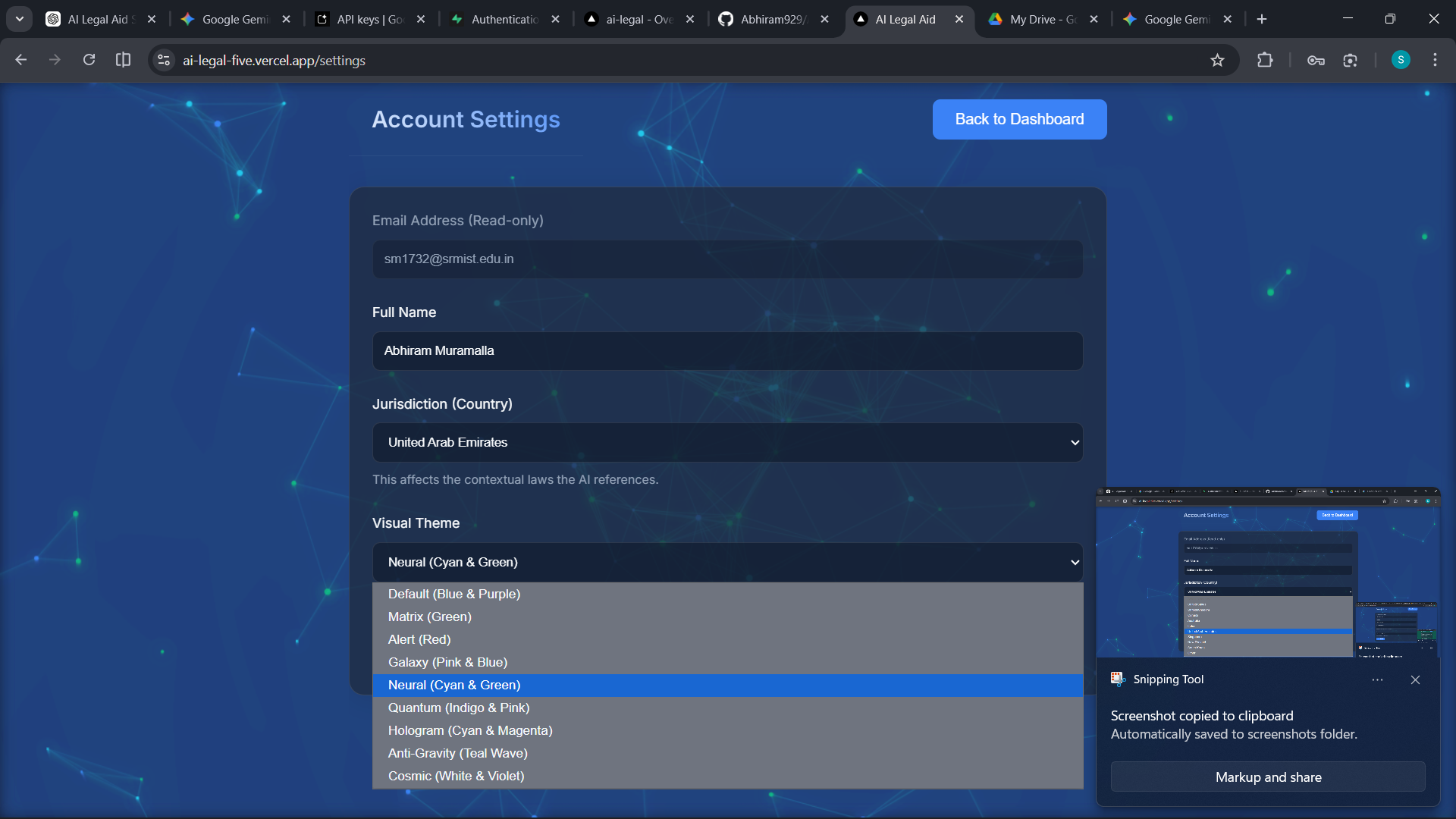
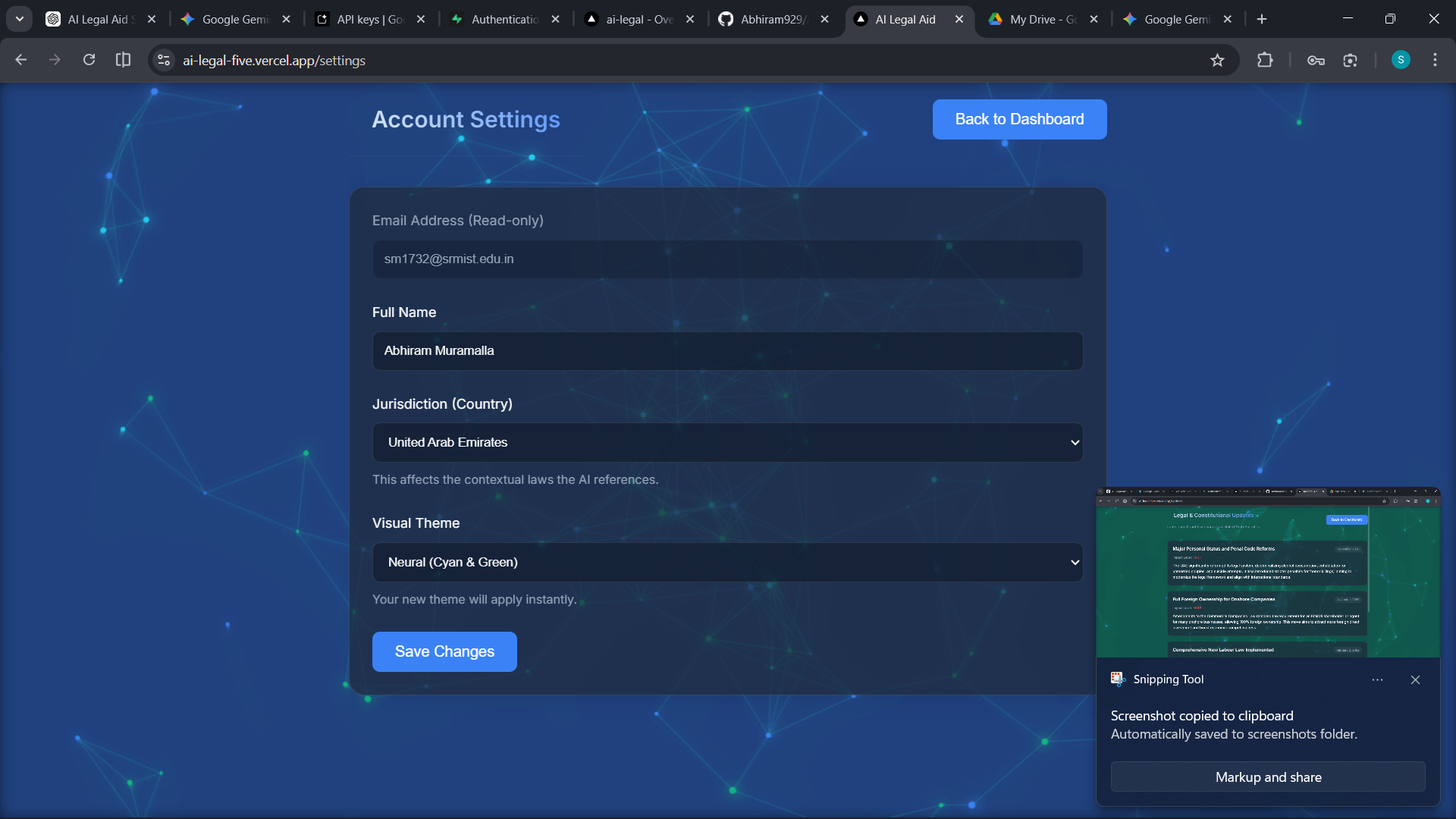
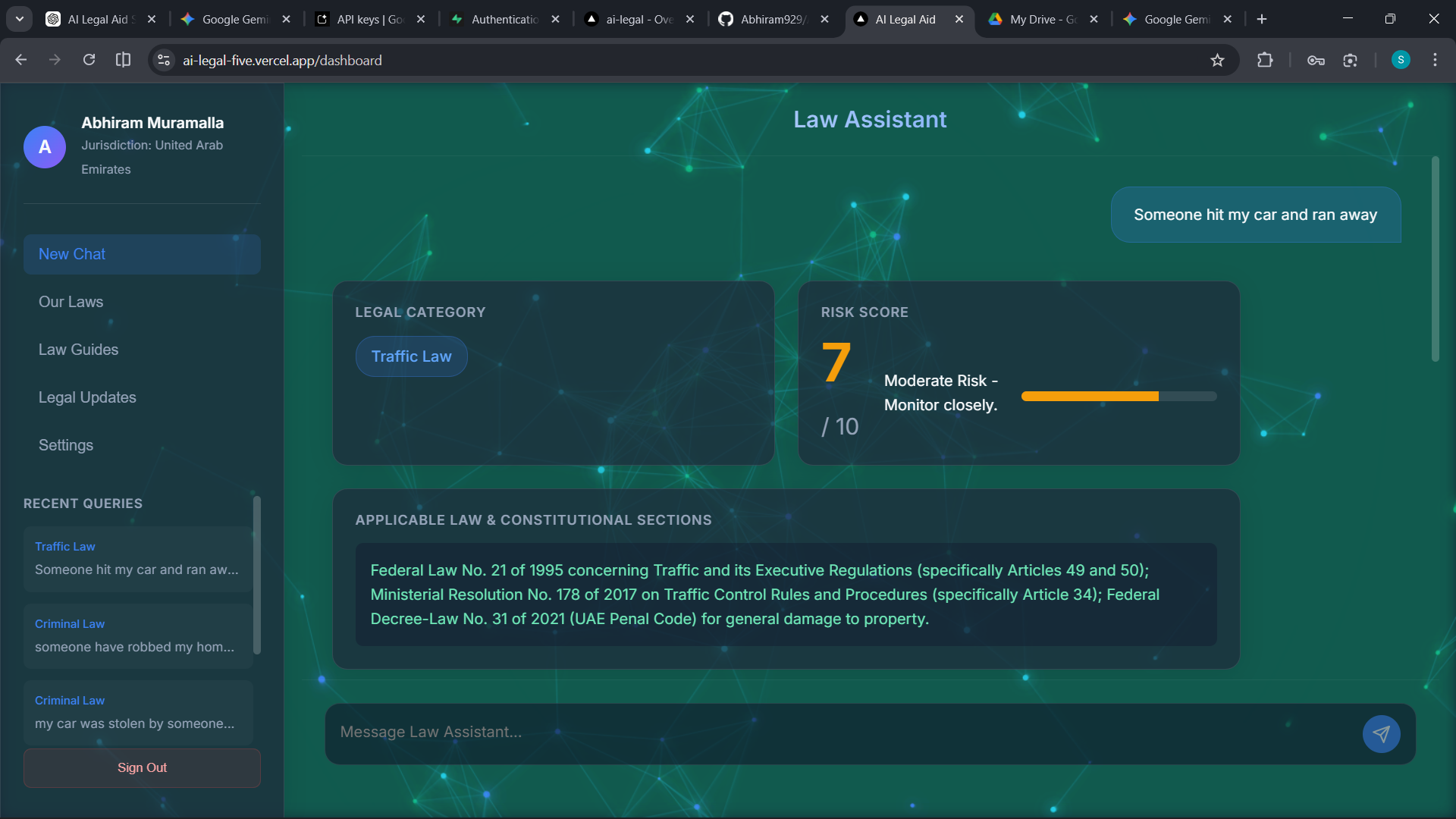
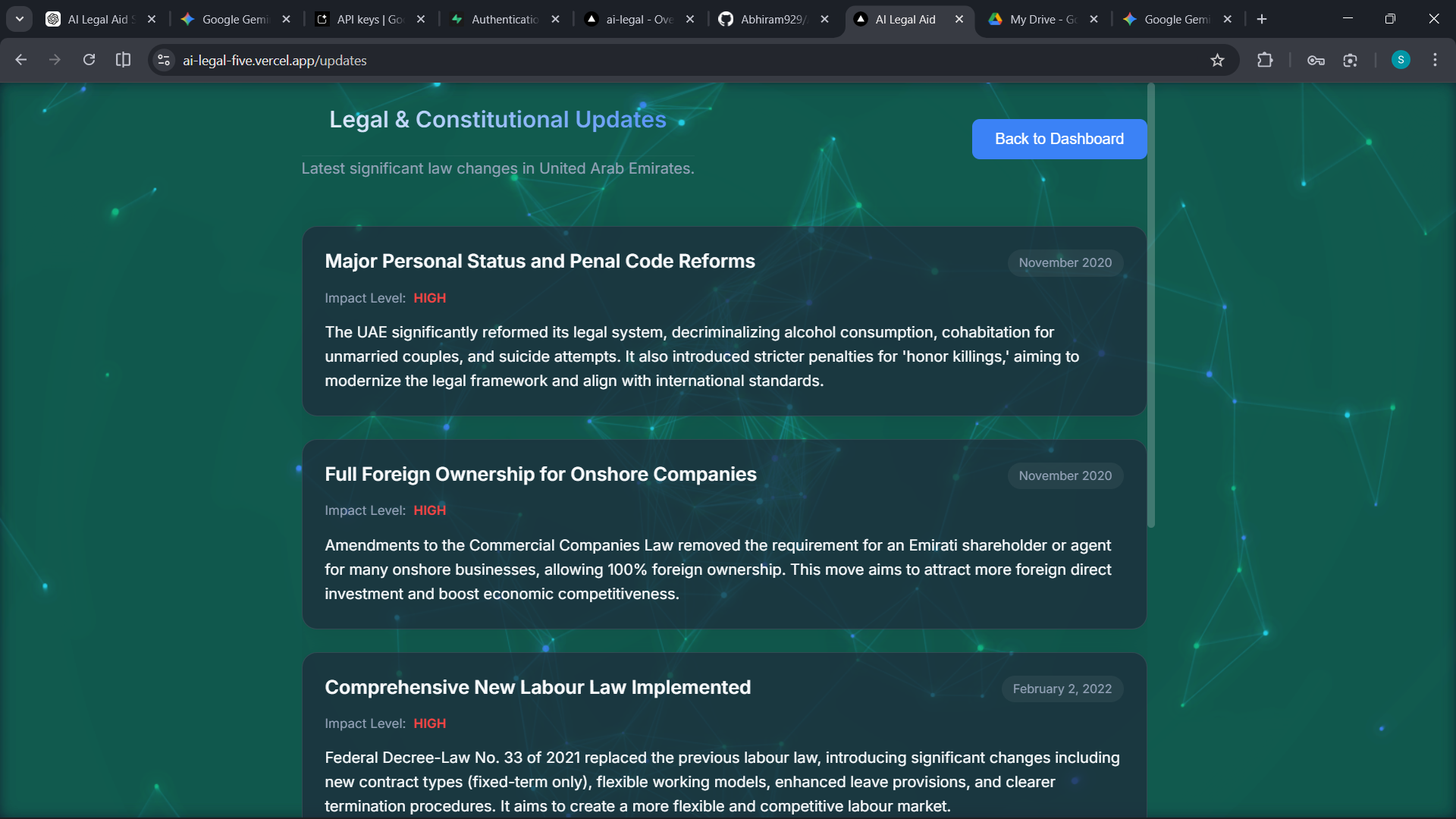
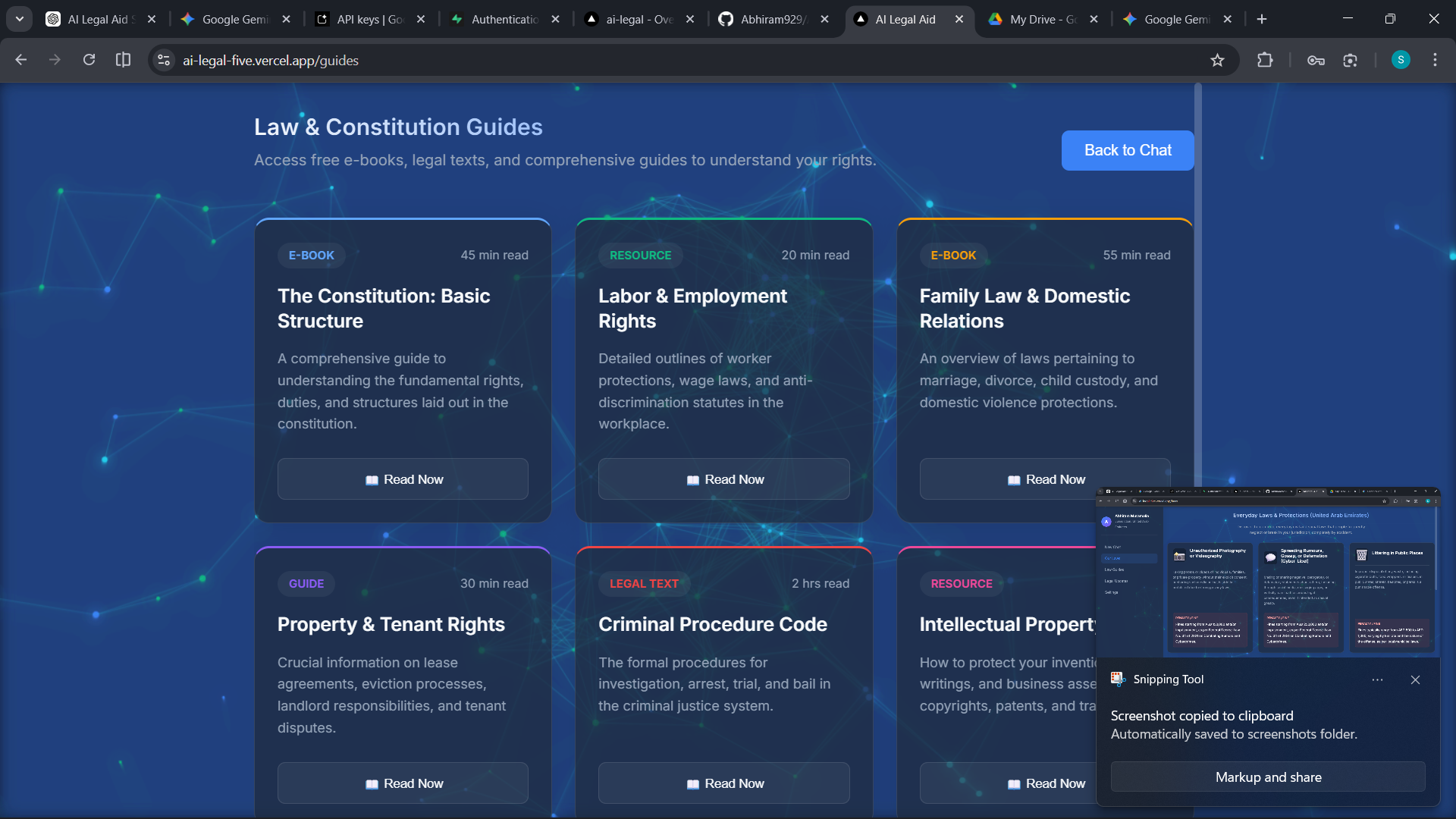
What it does The AI Legal Aid Triage System is an intelligence framework designed to turn complex human stories into structured legal action plans. It automatically identifies the legal domain from a plain text user description. It calculates an urgency score based on deadlines, safety, and financial impact. The system also suggests specific legal documents based on a localized knowledge base and connects to real time legal data to ensure the information is current.
How we built it The project was built from the ground up using a modern development workflow. We used a high level reasoning model for the core logic and a faster model for text classification. The backend is powered by a Python server that handles the document retrieval pipeline. The frontend is a responsive application focusing on an accessible user experience. We also used a vector store for indexing regional legal templates.
Challenges we ran into Legal language is dense. Distinguishing between a dispute and a violation required many iterations of logic engineering. Ensuring the system consistently returned structured data for the frontend to parse without extra text was a major hurdle. We also had to ensure the most relevant laws were injected into the system without overwhelming the reasoning capacity of the model.
Accomplishments that we're proud of We successfully built a full stack application from scratch that functions as a cohesive system. We developed a mathematical model for risk that quantifies urgency and complexity. We are also proud of creating a user interface that feels like a conversation with a helpful assistant rather than a cold and intimidating legal form.
What we learned We learned how to manage multiple specialized logic paths effectively to handle coding and testing. We gained experience in vector embeddings and how to anchor a model to specific data to prevent incorrect information in high stakes environments. We also realized the vital importance of safety filters and disclaimers when building tools for public services.
What's next for AI Legal Aid Triage System The current version is just the beginning. The roadmap includes integrating voice features to allow users to speak their stories out loud. This is ideal for users with lower literacy or those in stressful situations. We also plan to expand the system to support local regional dialects and build a bridge where the triage report can be securely sent to pro bono legal clinics for human follow up.


Log in or sign up for Devpost to join the conversation.