-
-
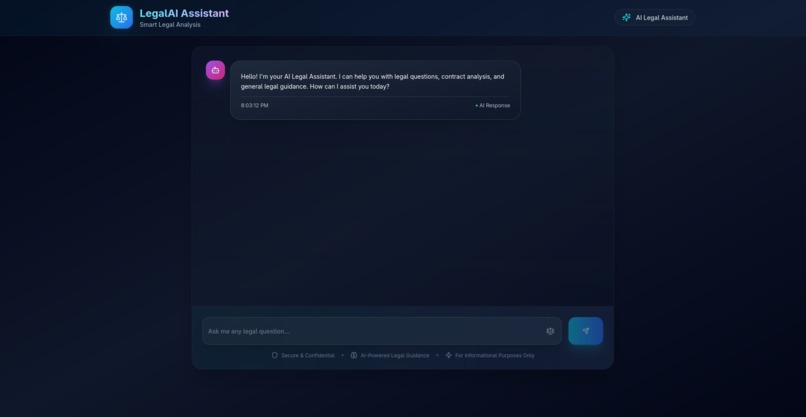
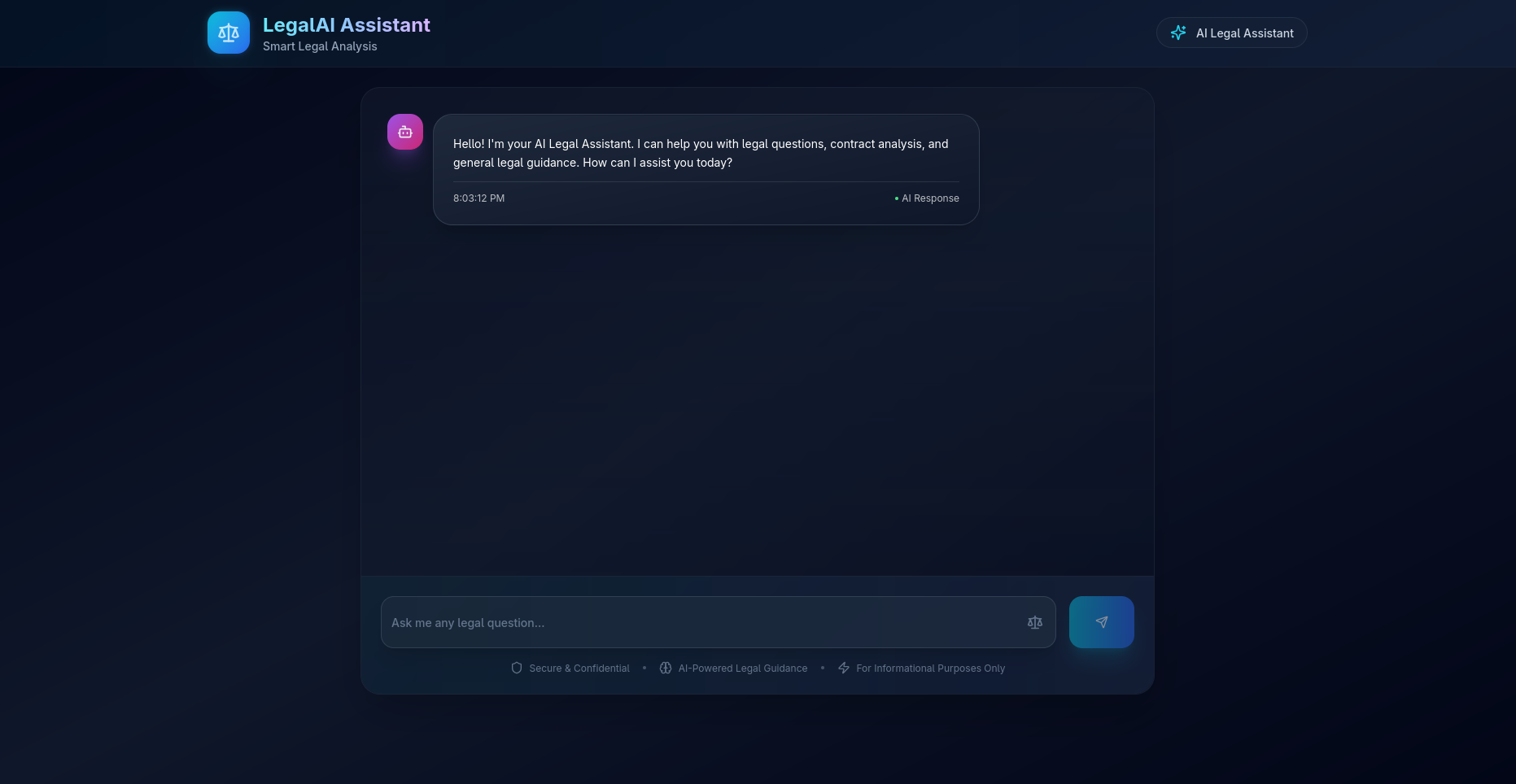
chat page
-
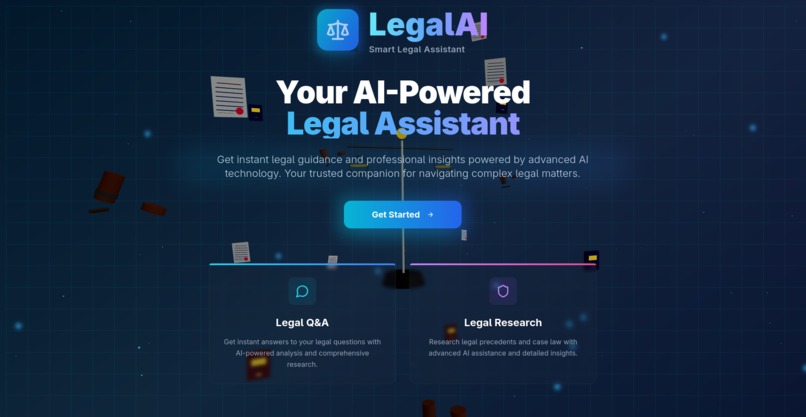
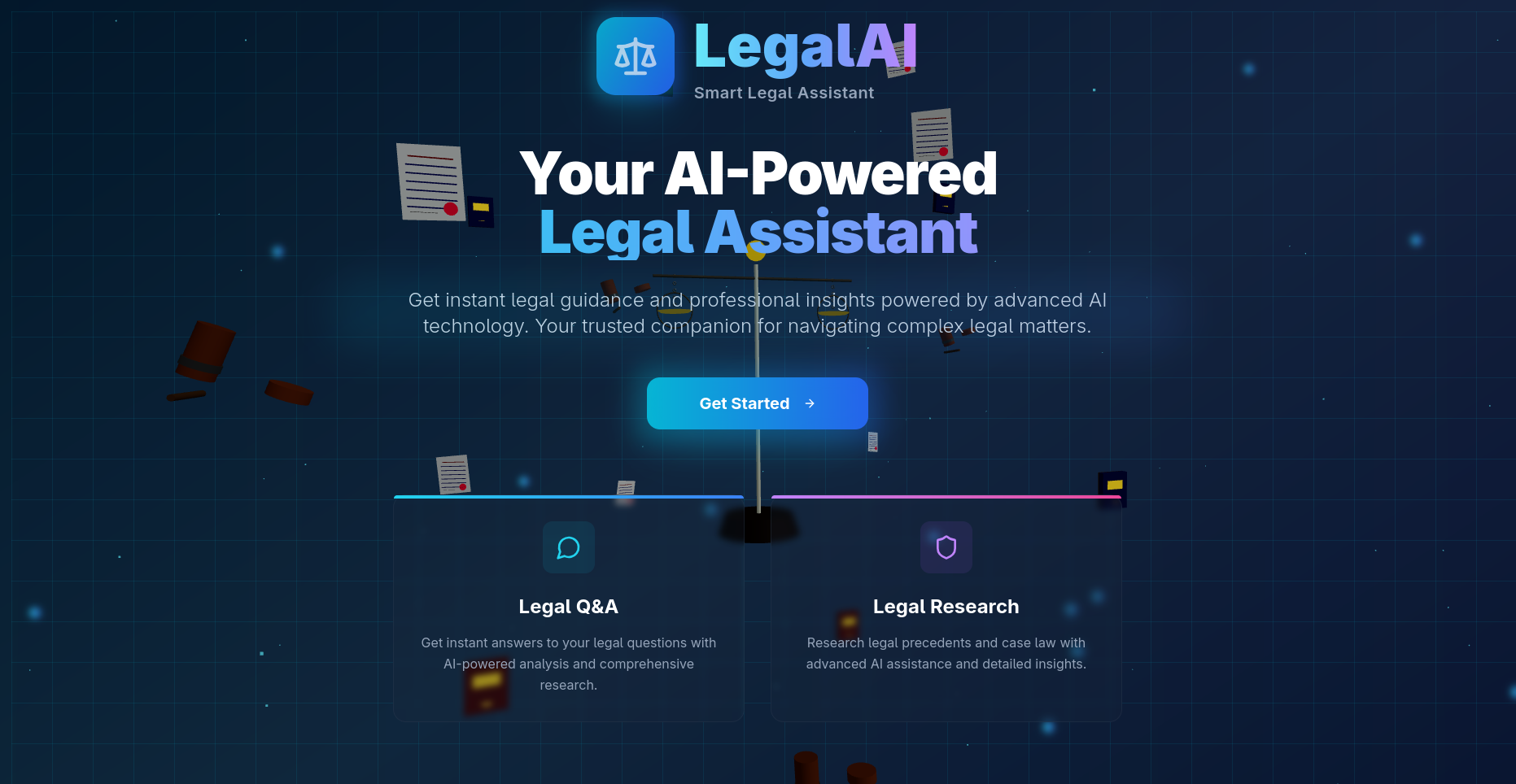
landing page
🧠 Inspiration
Access to legal help remains a huge barrier for millions of people, especially in marginalized and low-income communities. Legal systems are complex, intimidating, and often unaffordable for those who need them most. Inspired by this gap, I set out to build an AI-powered legal assistant that offers guidance in plain language — with the goal of promoting social justice and legal accessibility through technology. 💬 What It Does
AI Legal Aid Chatbot for Social Justice is a conversational legal assistant that helps users:
Ask legal questions in natural language.

Get AI-generated responses based on common legal scenarios.

Learn about their rights in areas like tenancy, labor law, contracts, consumer protection, and more.

Access legal definitions, resources, and suggested next steps.

Understand when to consult a real lawyer, with disclaimers for critical issues.
The assistant does not offer legal advice — it offers legal guidance and education to empower users with basic understanding. 🛠️ How We Built It
Frontend: Built with React and TypeScript for a fast, responsive, and type-safe user experience.

Backend & AI: Integrated with advanced language model APIs to generate legally informed responses.

State Management: Used React Hooks and Context API for managing conversation history and user sessions.

Design & UX: Focused on clean, minimal, accessible UI for users of all backgrounds.

Security: Input sanitization and privacy-first design to ensure data safety.
🧗 Challenges We Ran Into
Handling legal complexity: Ensuring that answers remain informative but not misleading, especially on sensitive legal topics.

Trust and accuracy: Balancing user-friendly tone with professional caution. We had to carefully craft prompt engineering to maintain both accuracy and humility in AI responses.

Disclaimers & ethics: Clearly communicating that the chatbot is not a substitute for legal counsel.

Scope management: Deciding which legal topics to support initially and how to phrase answers without overwhelming users.
🏆 Accomplishments That We're Proud Of
Successfully built a fully working prototype of a legal chatbot using modern tech stacks.

Designed an intuitive interface that makes legal conversations less intimidating.

Created a responsible AI system that actively avoids overstepping into actual legal advice.

Helped multiple test users get clarity on basic legal rights, especially related to tenants and workers.
📚 What We Learned
Learned how to apply AI in a legally and ethically responsible way.

Gained deeper insight into accessibility design and how to build tools for users with different levels of legal understanding.

Improved skills in TypeScript, React, and AI prompt design.

Discovered the importance of soft UX elements (tone, feedback, errors) when dealing with serious topics like law.
🔮 What's Next for AI Legal Aid Chatbot for Social Justice
Multilingual Support: Adding support for local languages to increase reach.

Topic Expansion: Incorporating more legal topics such as immigration law, family law, and public benefits.

Case Law Summaries: Integrating AI tools to summarize relevant legal precedents and statutes.

Offline Mode: Exploring how to make a lightweight version that can be used without constant internet access.

Collaborations: Partnering with legal aid organizations to validate and expand the tool.
Built With
- react
- shadcn-ui
- tailwindcss
- typescript
- vite

Log in or sign up for Devpost to join the conversation.