-
-
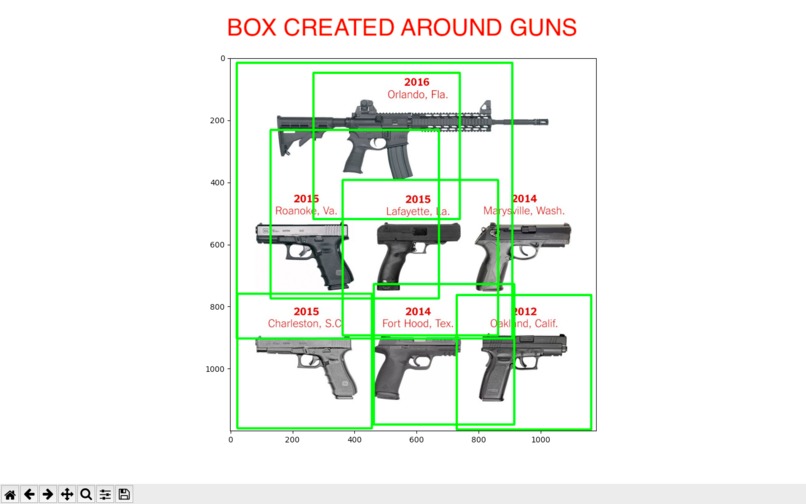
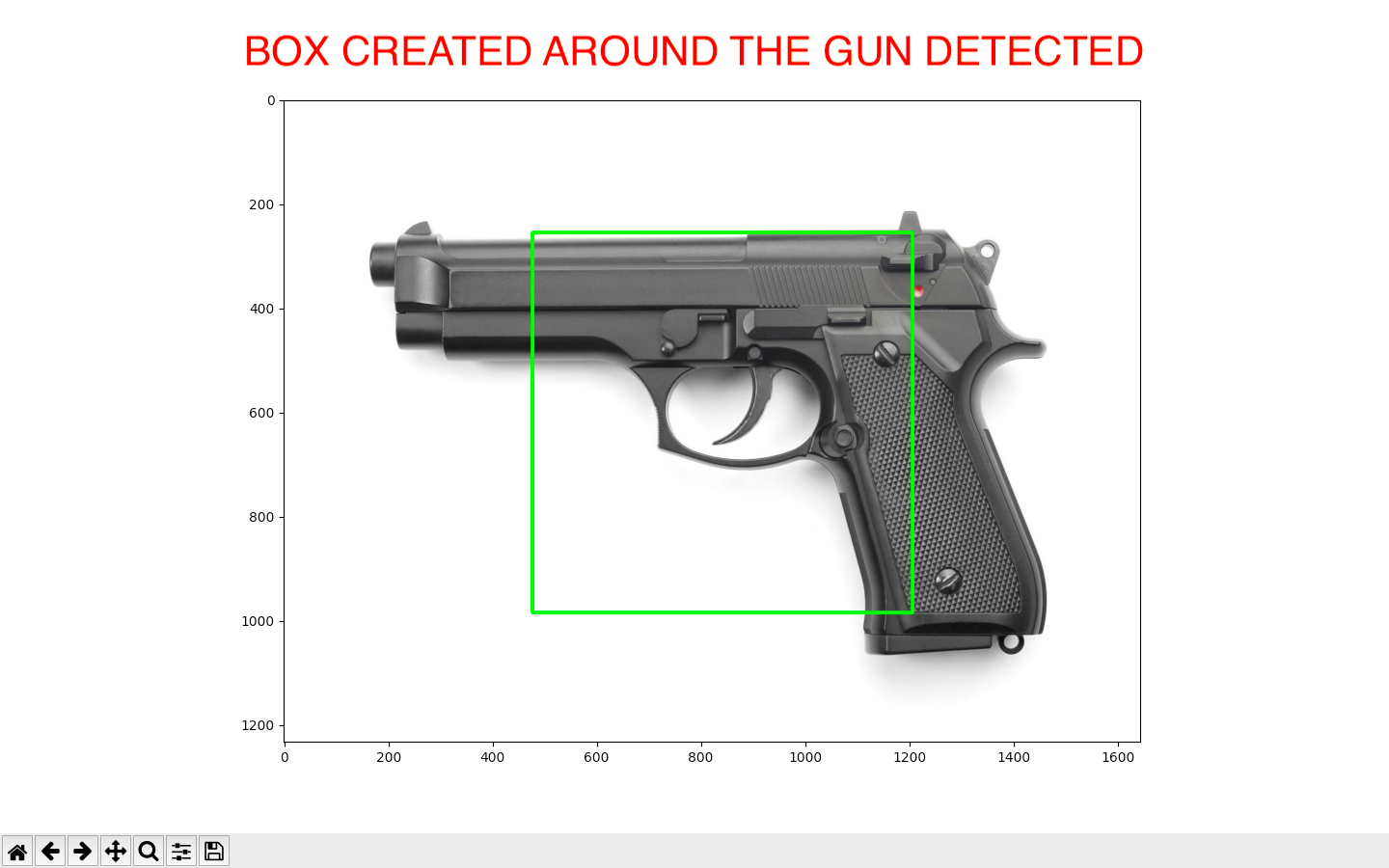
Screenshot 2- Output Frame
-
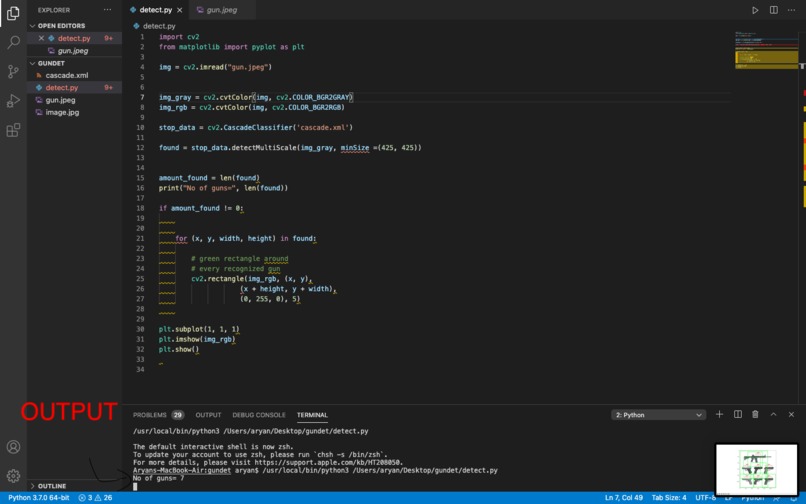
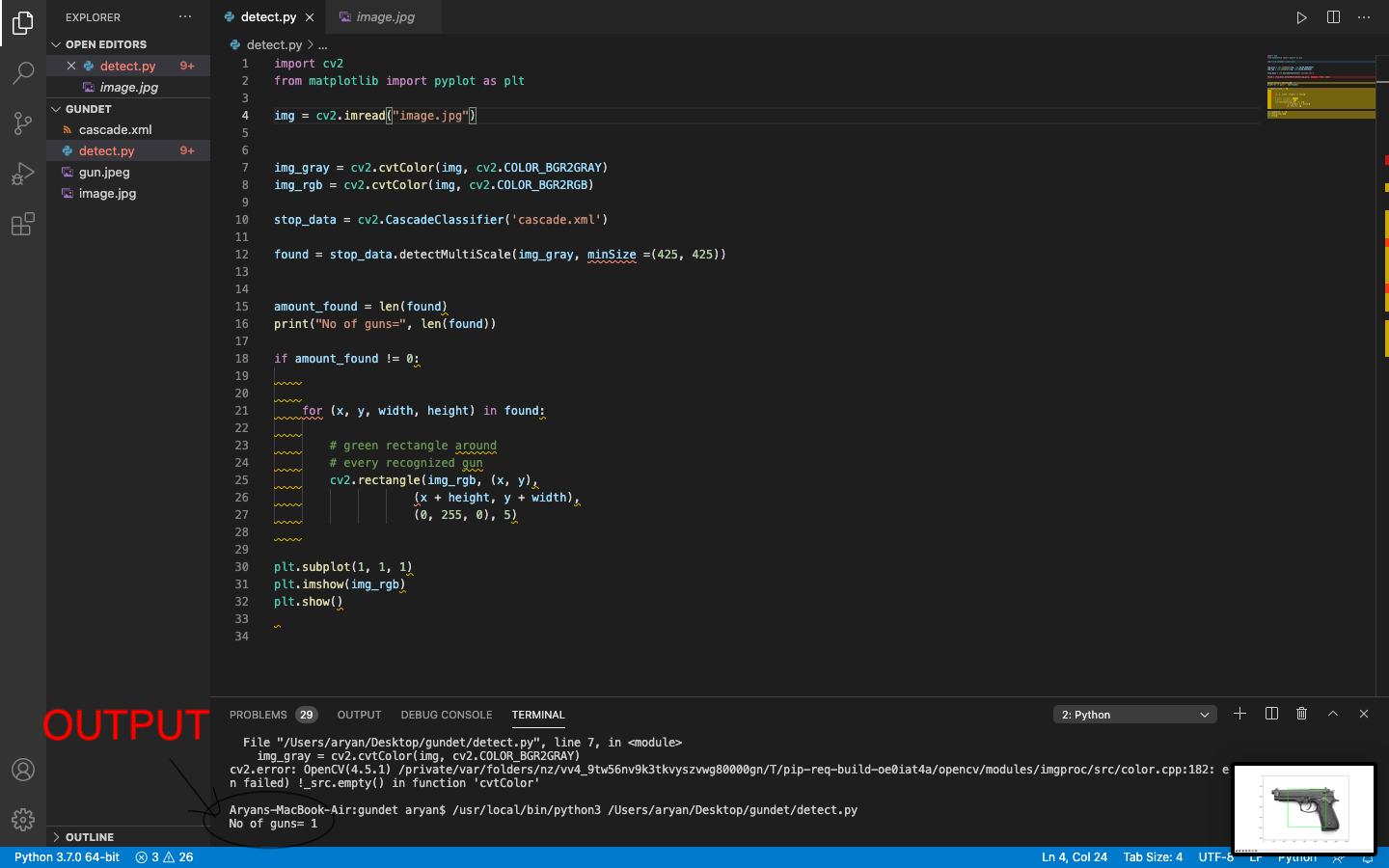
Screenshot 3- No. of Guns Output
-
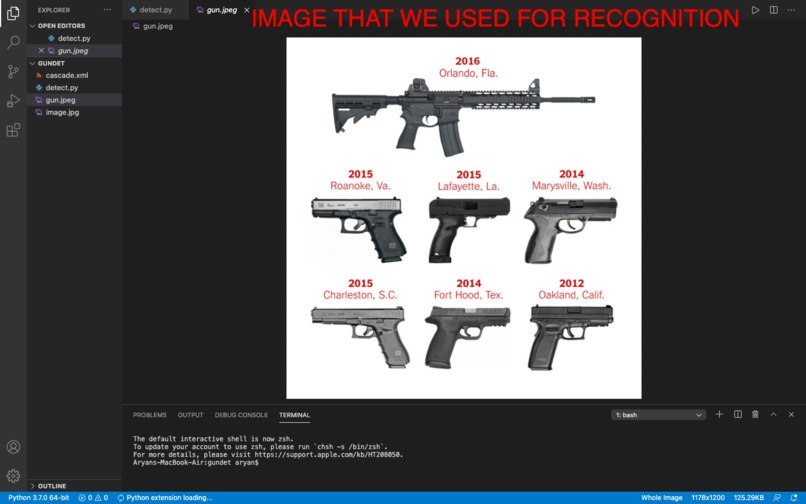
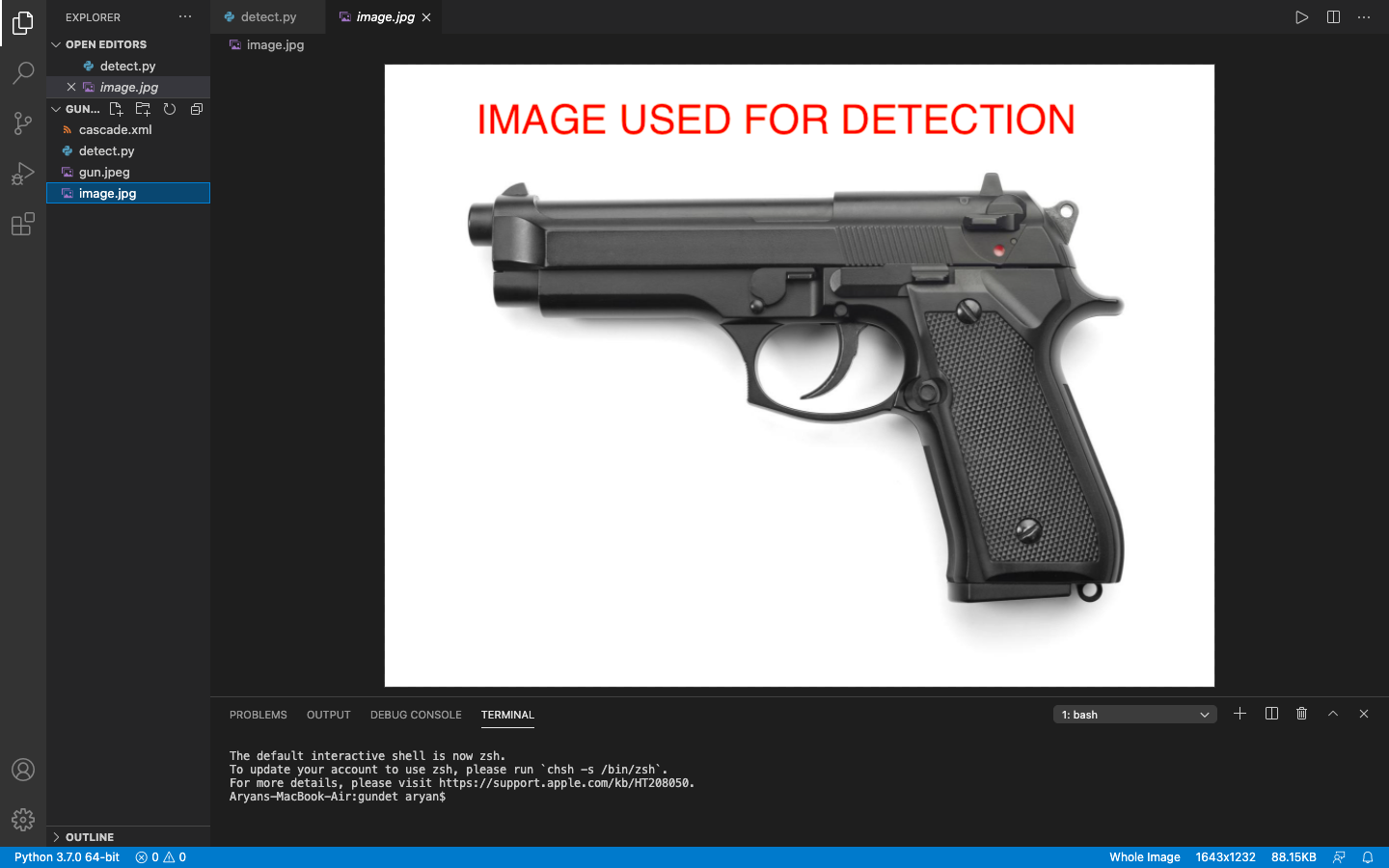
Screenshot 1- Image used
-
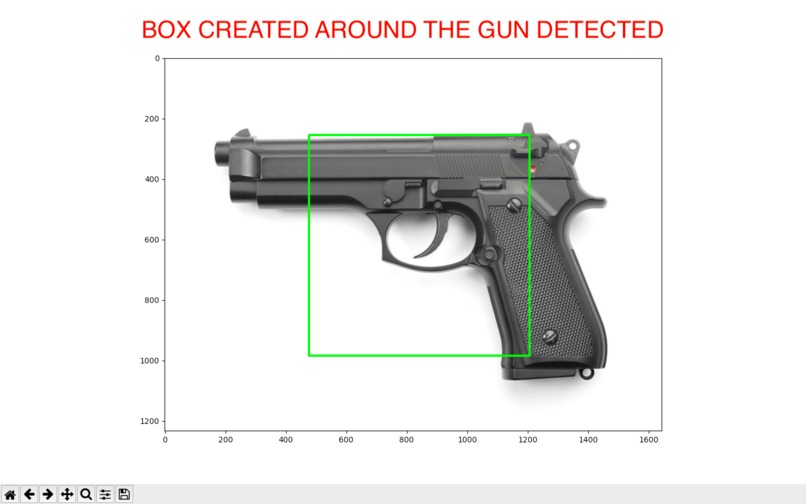
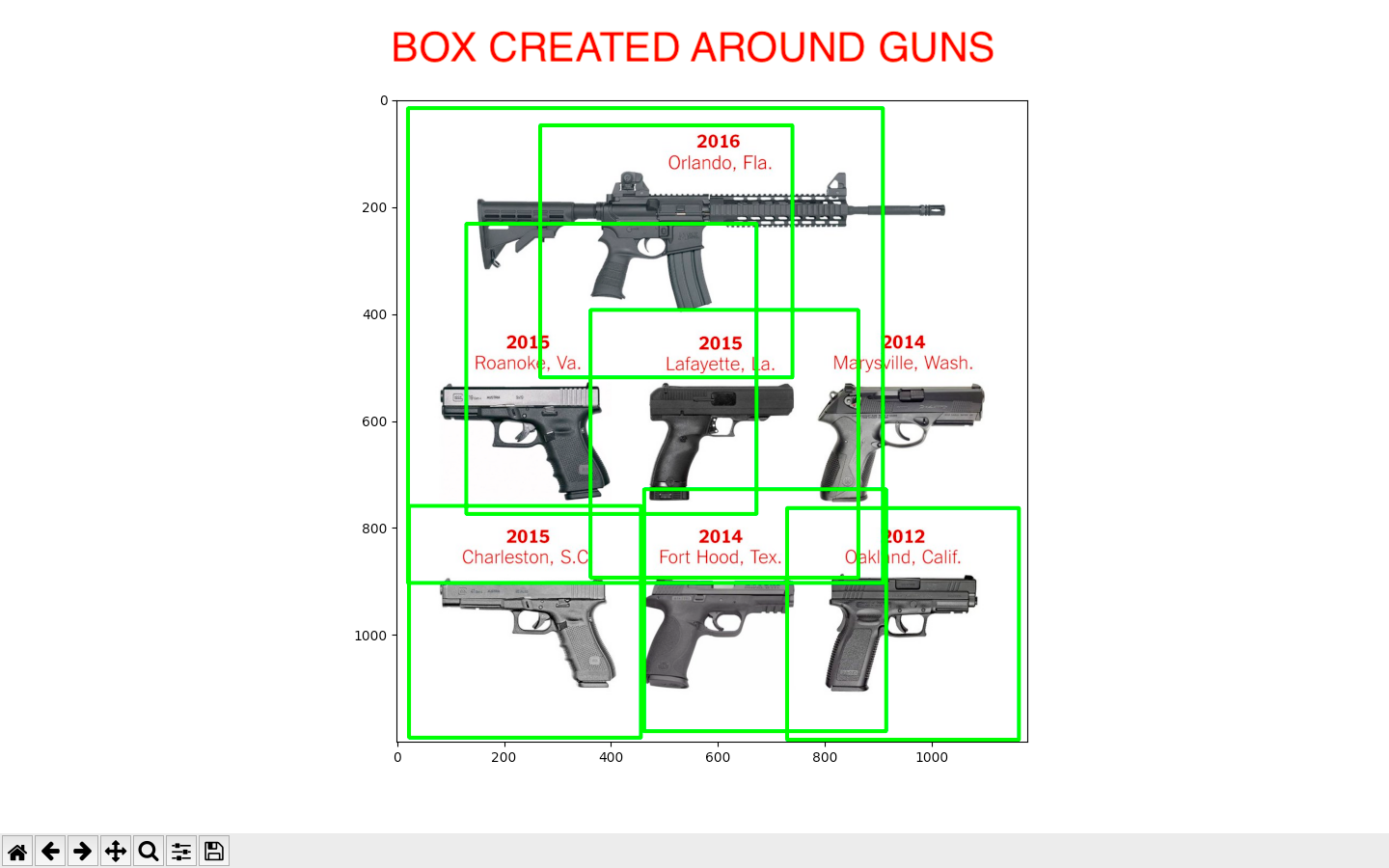
Screenshot 5-Output Frame
-
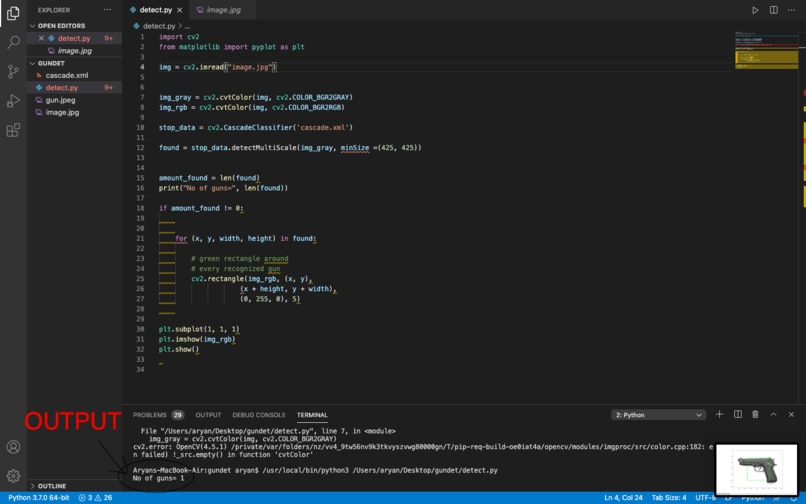
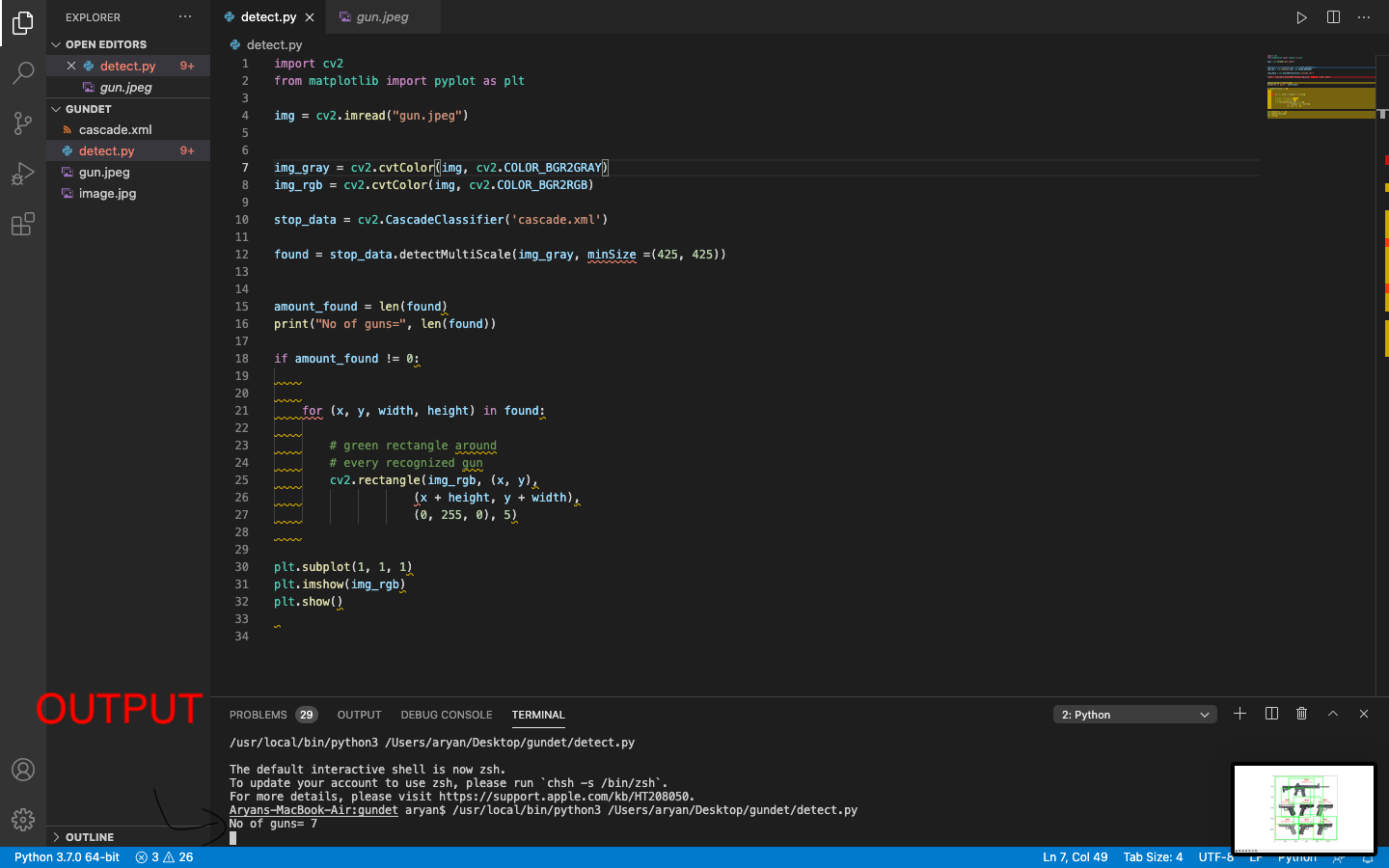
Screenshot 6-No. of Guns Output
-
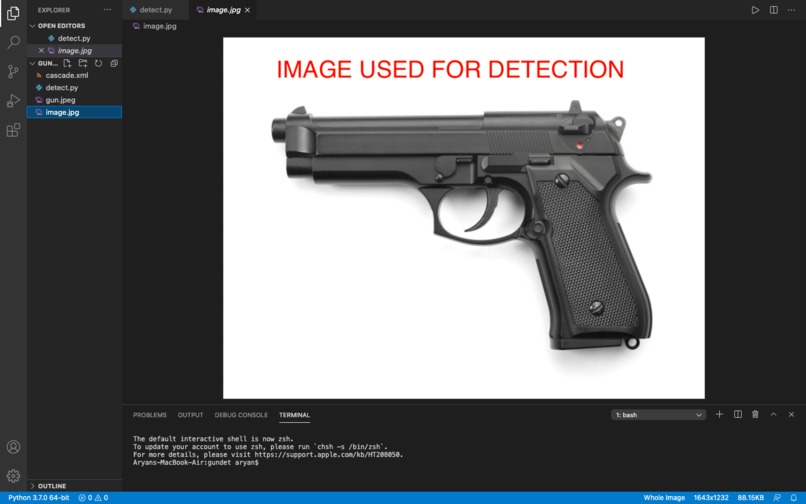
Screenshot 4-Image used

How it all began?
We came to know about the Defence Services Hackathon being hosted by SIIC through our PSP professor Mrs. Deepa Narayan who helped us with all the details of the event and then got us in touch with a mentor who helped us in a few aspects of the hackathon.
Inspiration
We got inspired by looking at different examples of how Surveillance cameras are being used for different purposes like Speed Detection and their integration with ultrasonic rays. So we thought that this could be used as a Smart Inventory Management System (SIMS) integrating AI and ML.
What it does?
Our solution starts at the very start where the designated officer gives his or her requirements, now this order will be recorded and will be sent to the closest inventory that can fulfill the requirement. At this point, a subclass will be created in the name of the person who authorized the requirements and he will be appointed an official from the inventory who will assort all the needfuls. Now both the official appointed and the official that has come to pick up the items will have to scan their id, and we plan to do this through RFID. Once this is done the movements of officials will be tracked inside the inventory. The group of codes, algorithms that we plan to integrate with basic hardware like cameras, load sensors and scanners will in short build an inventory system that reduces manpower and uses it more efficiently. As we are using a live video feed for the detection we will be able to intimate the official if he or she picks up fewer or more weapons, which will reduce the errors that could be caused manually. A virtual library will be trained by the means of haar cascades where we will curate a custom-made library as per the needs of the army. For smaller weaponry like bullets and grenades which are usually stored in bulk, we propose to use load sensors that will automatically detect the number of units picked. We plan to integrate ultrasonic sensors in the inventory with cameras which will add to the security of the inventory and will help us to keep track of the items in the inventory and also we will match both the databases from the camera and sensors to ensure enhanced efficiency. The data of all the inventories will be stored and will be available to the officials decided by the Indian Defence Services, we plan to integrate the data from all the inventories, and with the help of AI, it will show the location of the closest inventory where all the requirements of the regiment can be met. We plan to use the same idea and algorithm in the food and medical inventories where we’ll give the precise division of the goods between the inventories based on past instances of the number of goods imported by the inventory.
How we built it?
We started off by using RFID for scanning the official's ID. Now, we plan to create a subclass of the whole program with the credentials of the official and now this subclass will contain all the code that is going to be iterated for each official. Now for the detection of guns and their pickup, we used OpenCV and its subsidiary libraries. Further, we decided to use load sensors for smaller-sized armory because while using OpenCV the scale has to be adjusted and it would have been too small for bullets and grenades which would have caused a lot of errors. At the end, we plan to integrate a code that will overcome any shortage in an inventory by combining the data of all the inventories and using basic if-for nets for coding an algorithm that gives the closest inventory where all the requirements can be met. All these joined together to form the Smart Inventory Management System (SIMS). Different libraries used are : OpenCV,imutils,YOLOv3,matplotlib,etc.
Challenges we ran into and the Accomplishments that we're proud of
As we started building this ambitious project to help in easing the work of the military, we ran into many difficulties as every ambitious project does. The first major difficulty we faced was that as first-year students we were not that much exposed to all the technologies and technical processes that go into designing and making a software model. And to solve this problem we started learning different programming languages, algorithms, and libraries like OpenCV, and overall developed our problem-solving ability. Secondly, as this hackathon is being held online, there were some communication problems within the team at the start but we eventually overcame this problem as we got used to working together. Thirdly, the most difficult problem we ran into was to ideate out-of-the-box solutions to the problem that the military is currently facing in Inventory Management. And to solve this problem we started researching the way other countries are currently managing their inventories and by going through all that and adding our own ideas, we have come up with our idea.
What we learned?
This being the 1st hackathon taught us many things like how one acts in a team and how work should be divided among the teammates based on their abilities and specialties. During this project, we came to know about inventory management systems and also learned a great deal about AI, machine learning systems, and new algorithms which we could use to solve this problem statement. We also got to know about new technologies and their applications in real life while we were researching for our project.
What's next for AI in Inventory Management (SB-3)?
Our next big goal is to come up with a code that can predict the allocation of the inventories in such a way that there’s never a case where an Inventory never faces shortage, this does mean buying and hoarding goods in bulk, rather a code that gives a precise division of the existing goods and dividing it on the bases of pure statistics and mathematics making the whole system full proof and efficient.


Log in or sign up for Devpost to join the conversation.