-
-
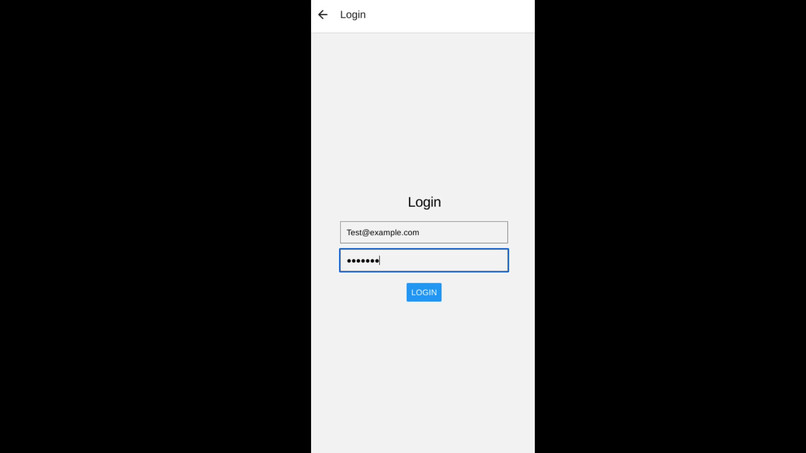
Doctors Login
-
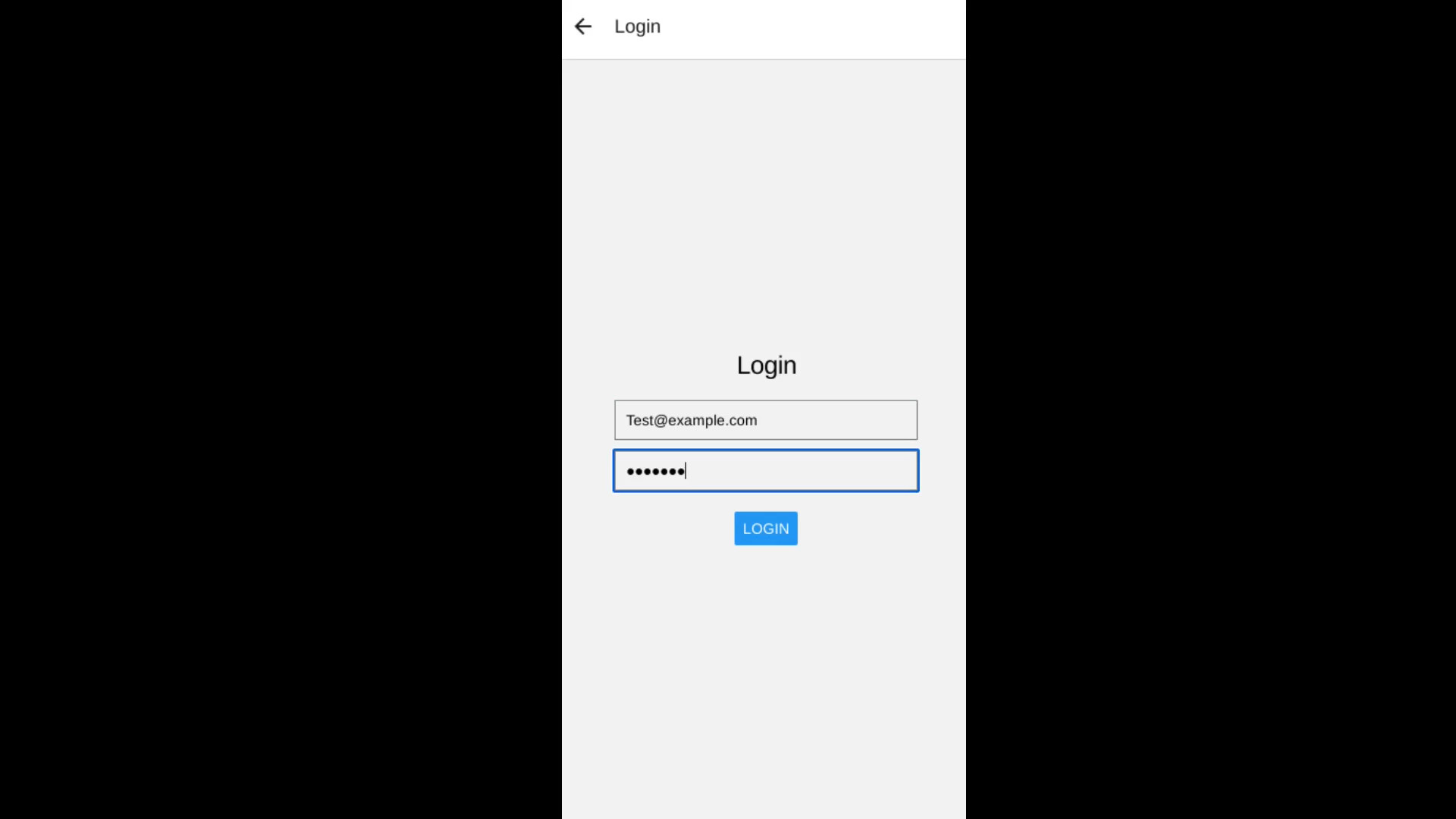
Login Page
-
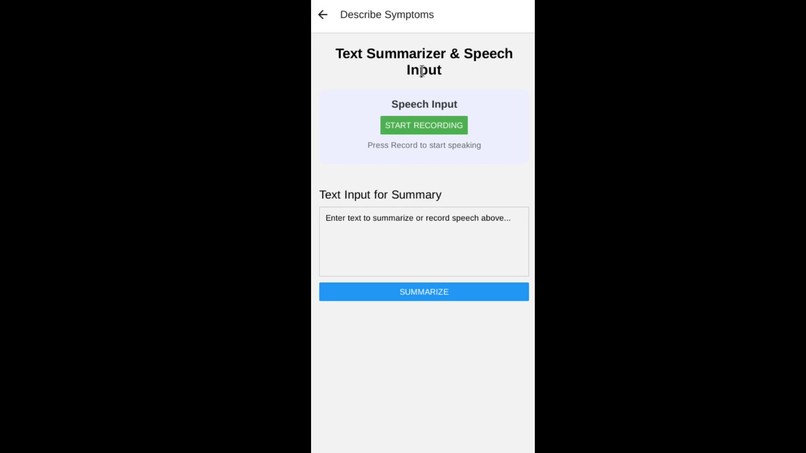
AWS Bedrock AI generated result-more
-
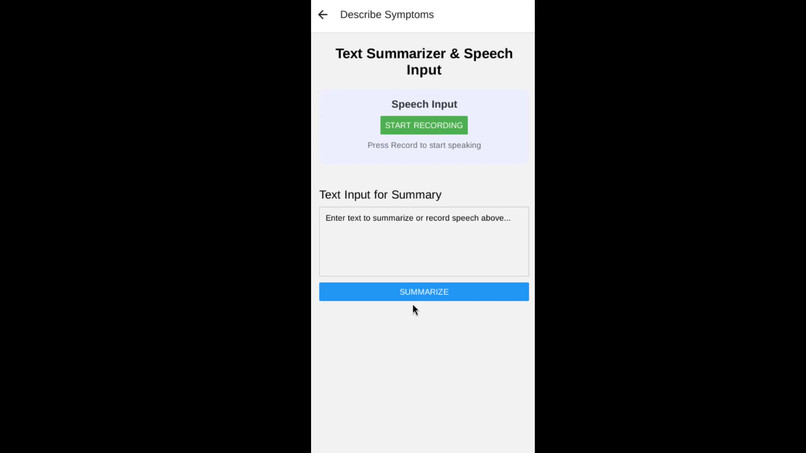
Sent Report
-
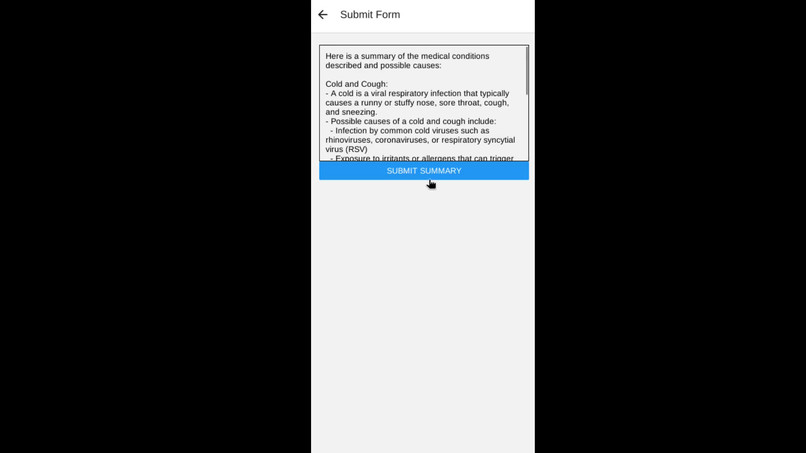
AWS Bedrock AI generated result-to doctor
-
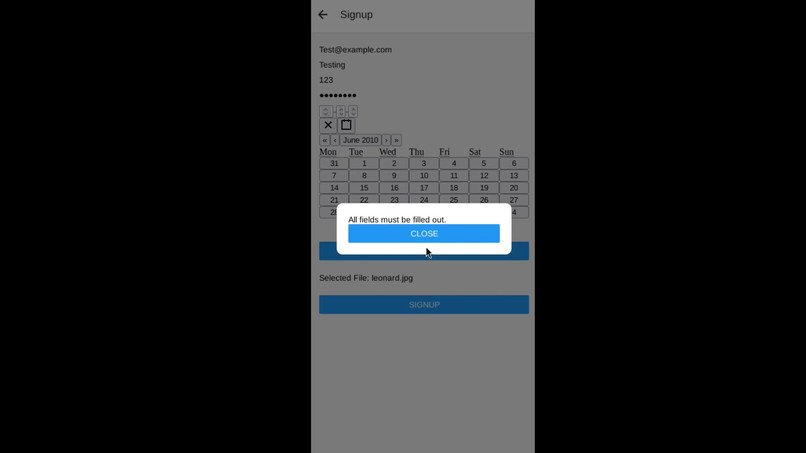
Patient Sign Up-date_of_birth
-
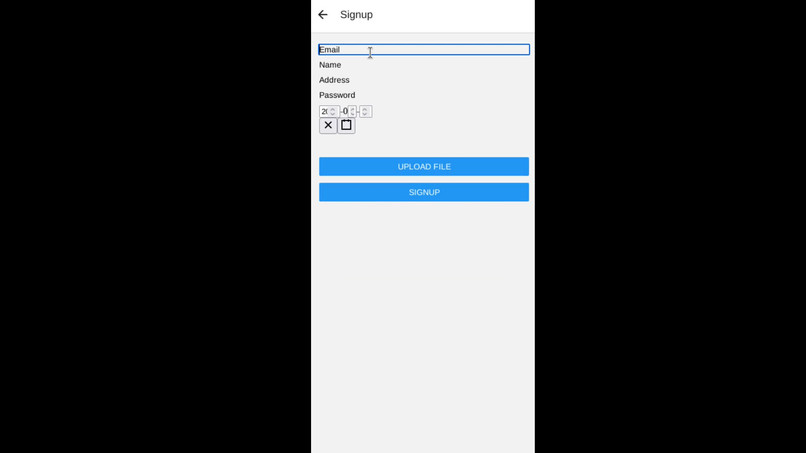
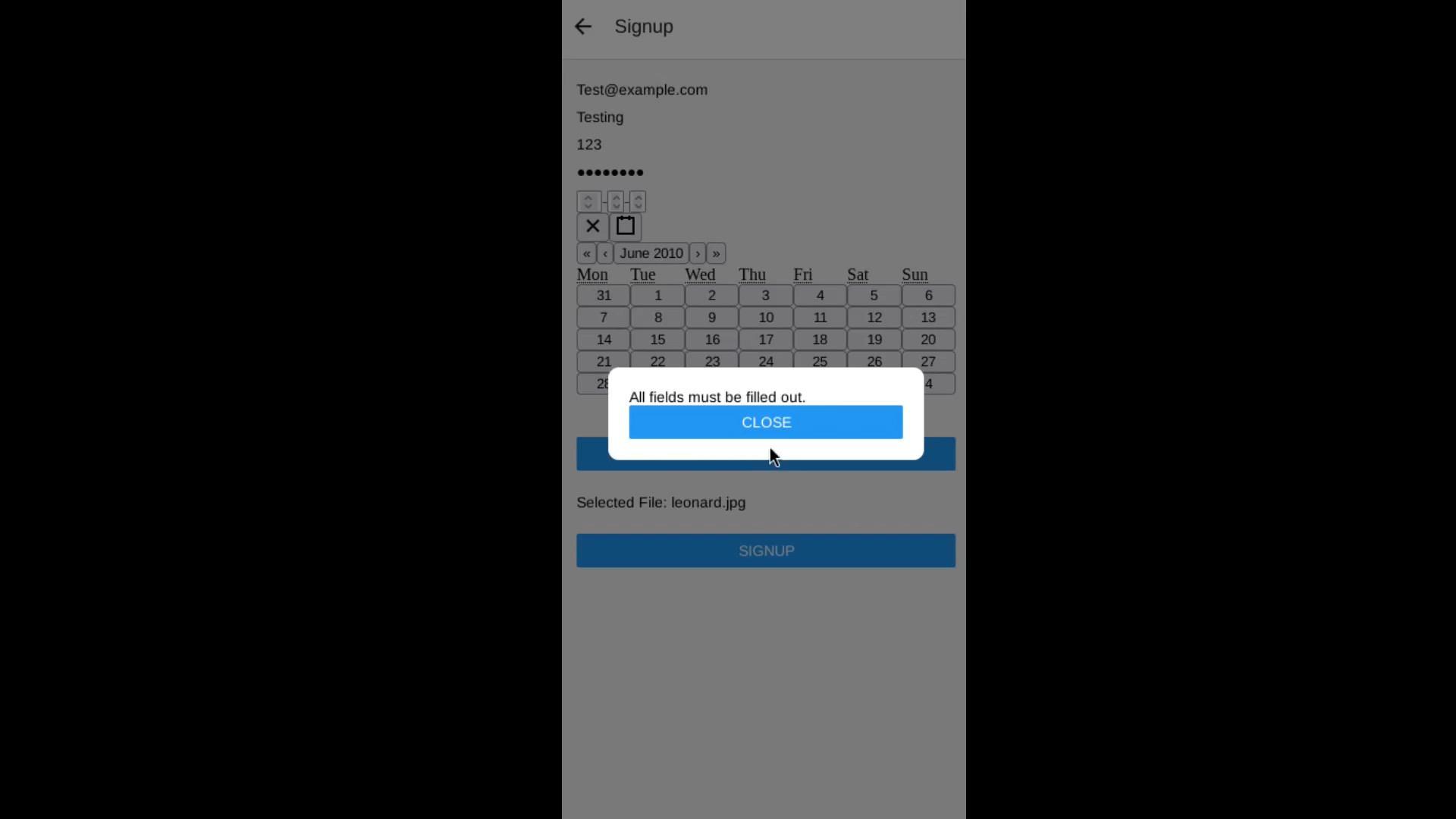
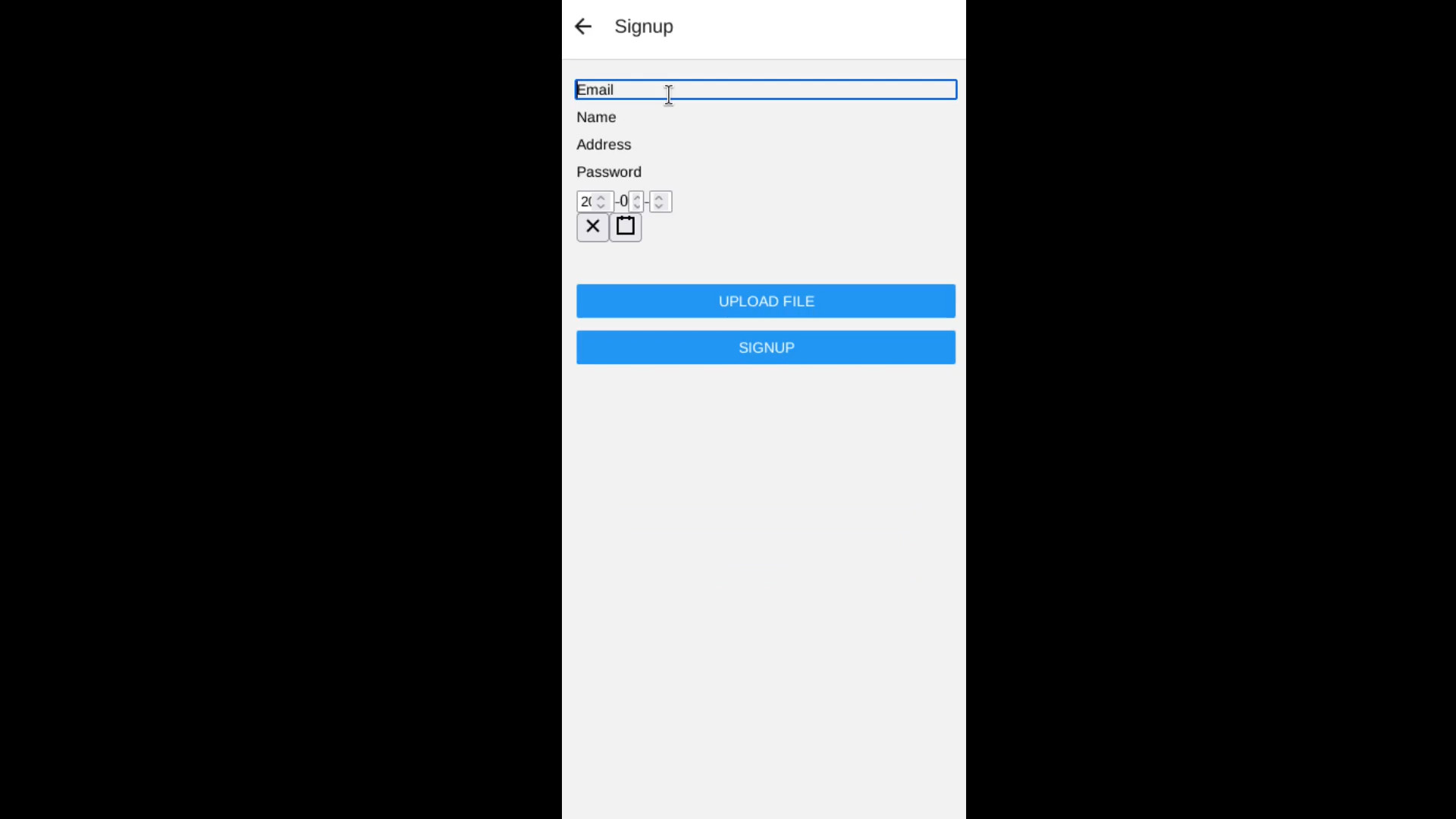
Patient Sign Up
-
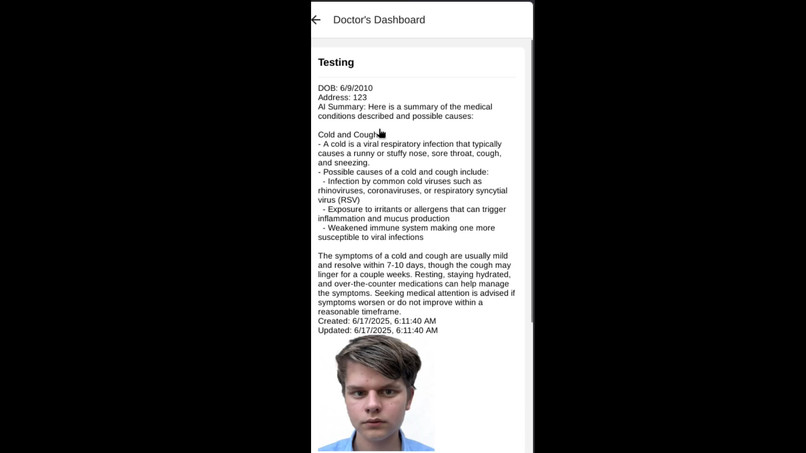
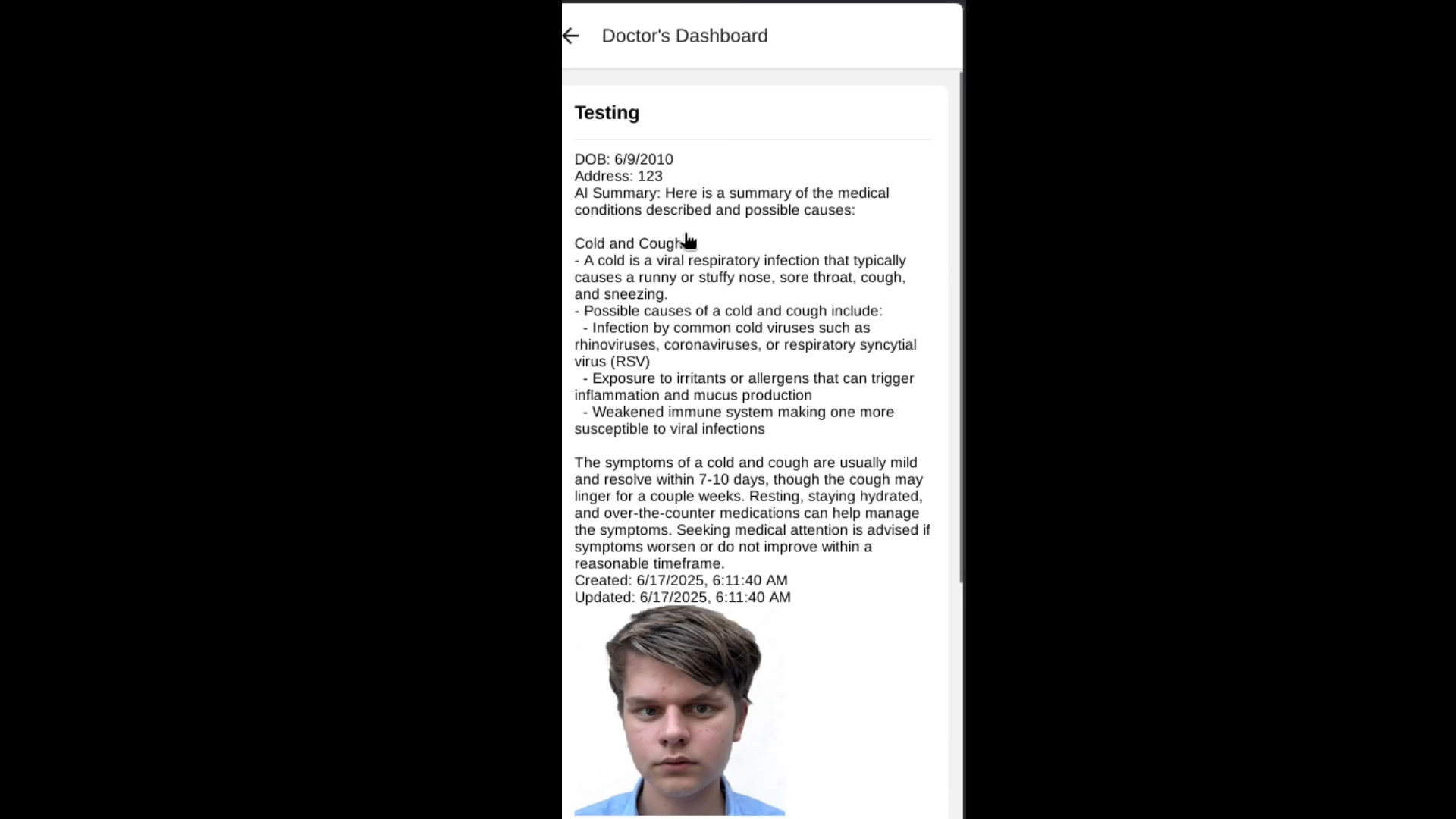
Patient's Details
-
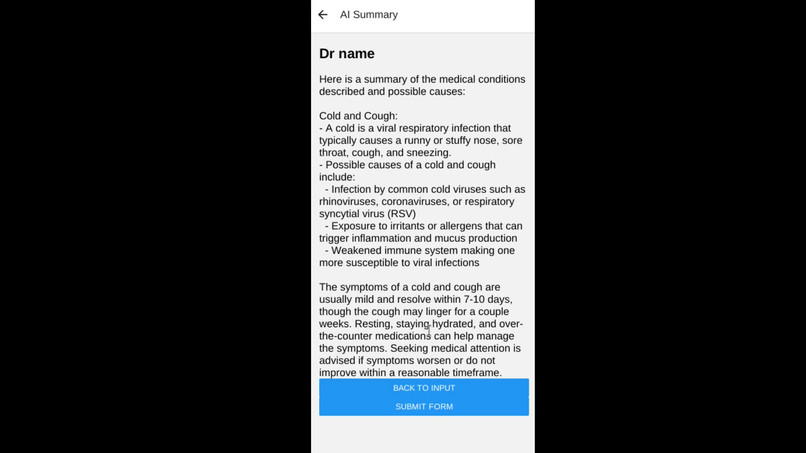
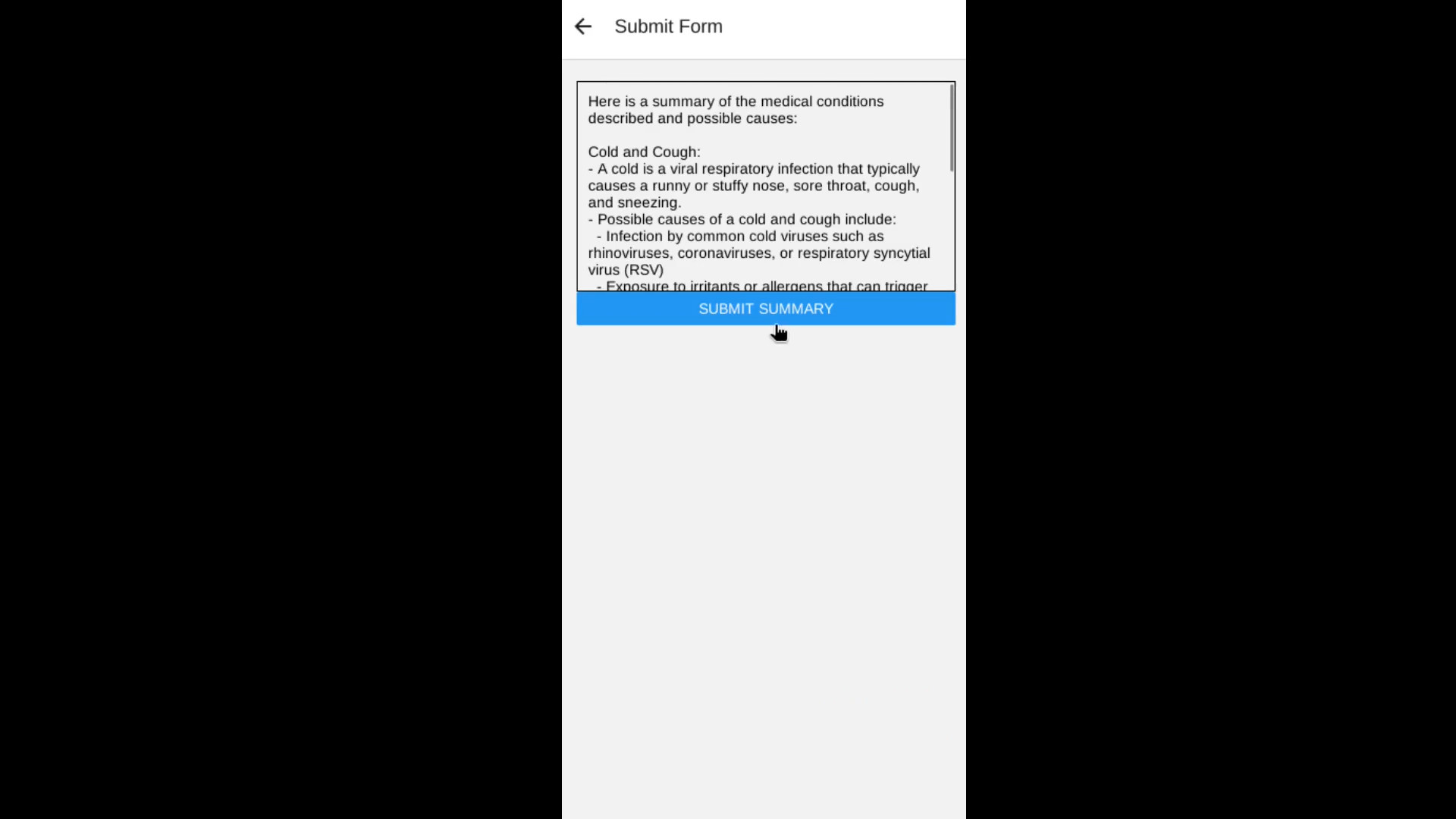
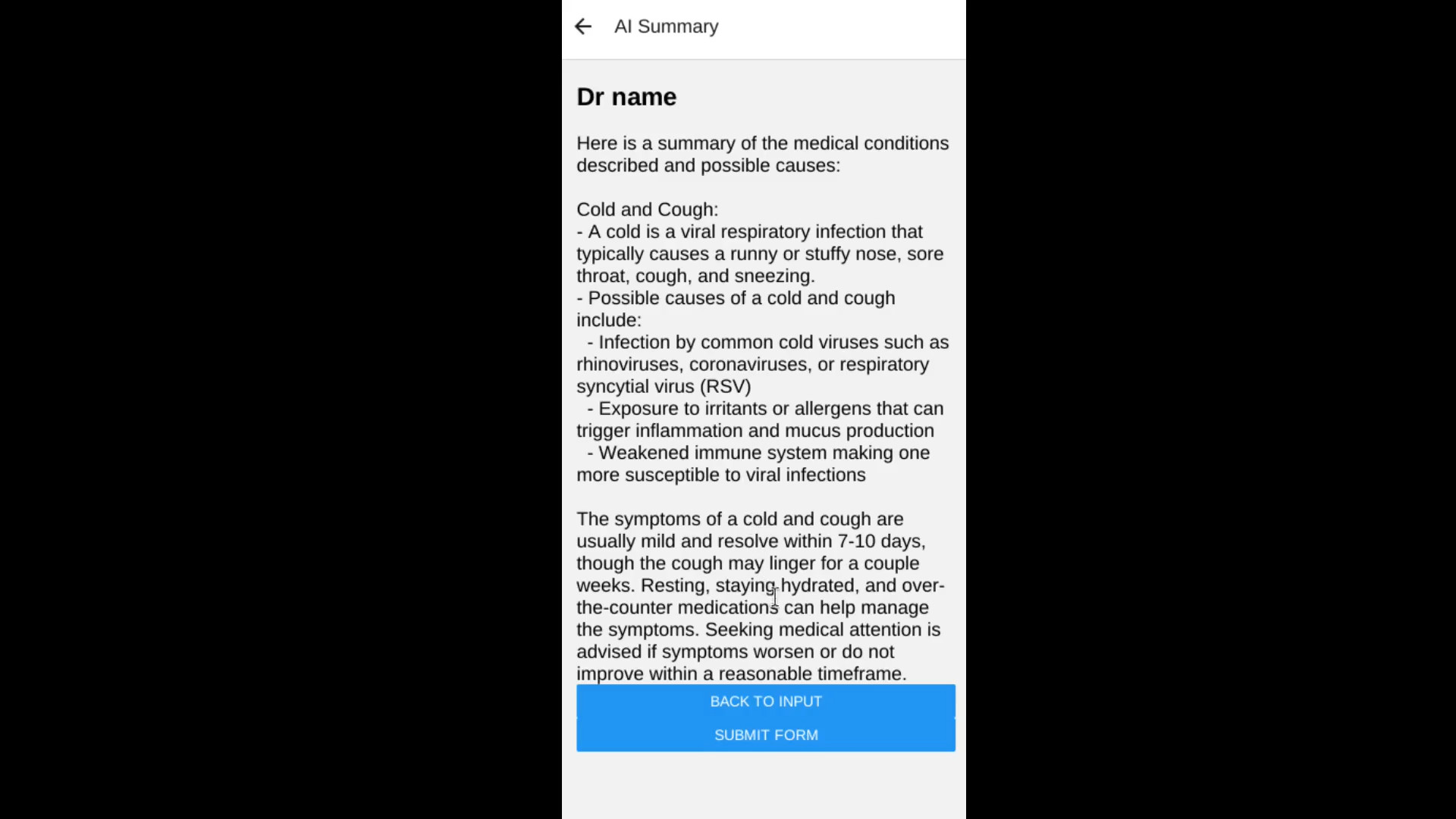
AWS Bedrock AI generated result
-
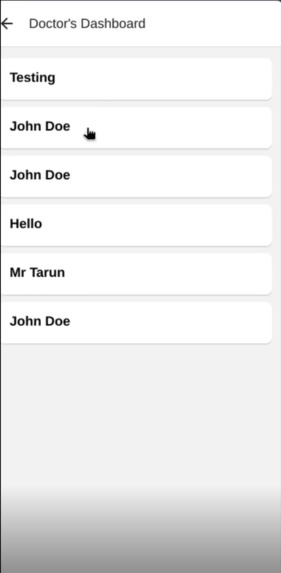
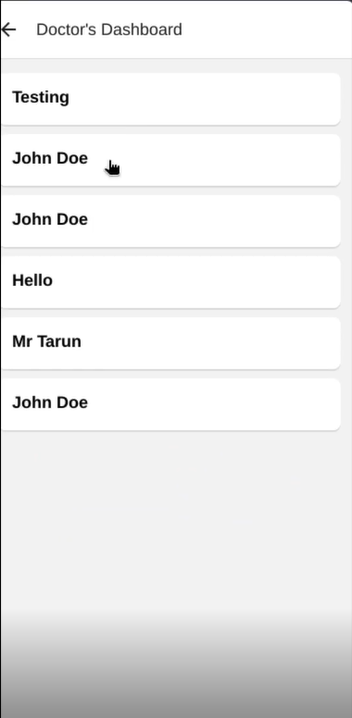
Doctor's Dashboard
Inspiration
The idea for AI HealthAssist came from observing how overwhelmed healthcare systems can become, especially in underserved areas. We wanted to create a tool that empowers individuals to manage their health more effectively, even without immediate access to a doctor. With the rise of AI, we saw an opportunity to provide smart, accessible, and reliable health support to anyone, anytime.
What it does
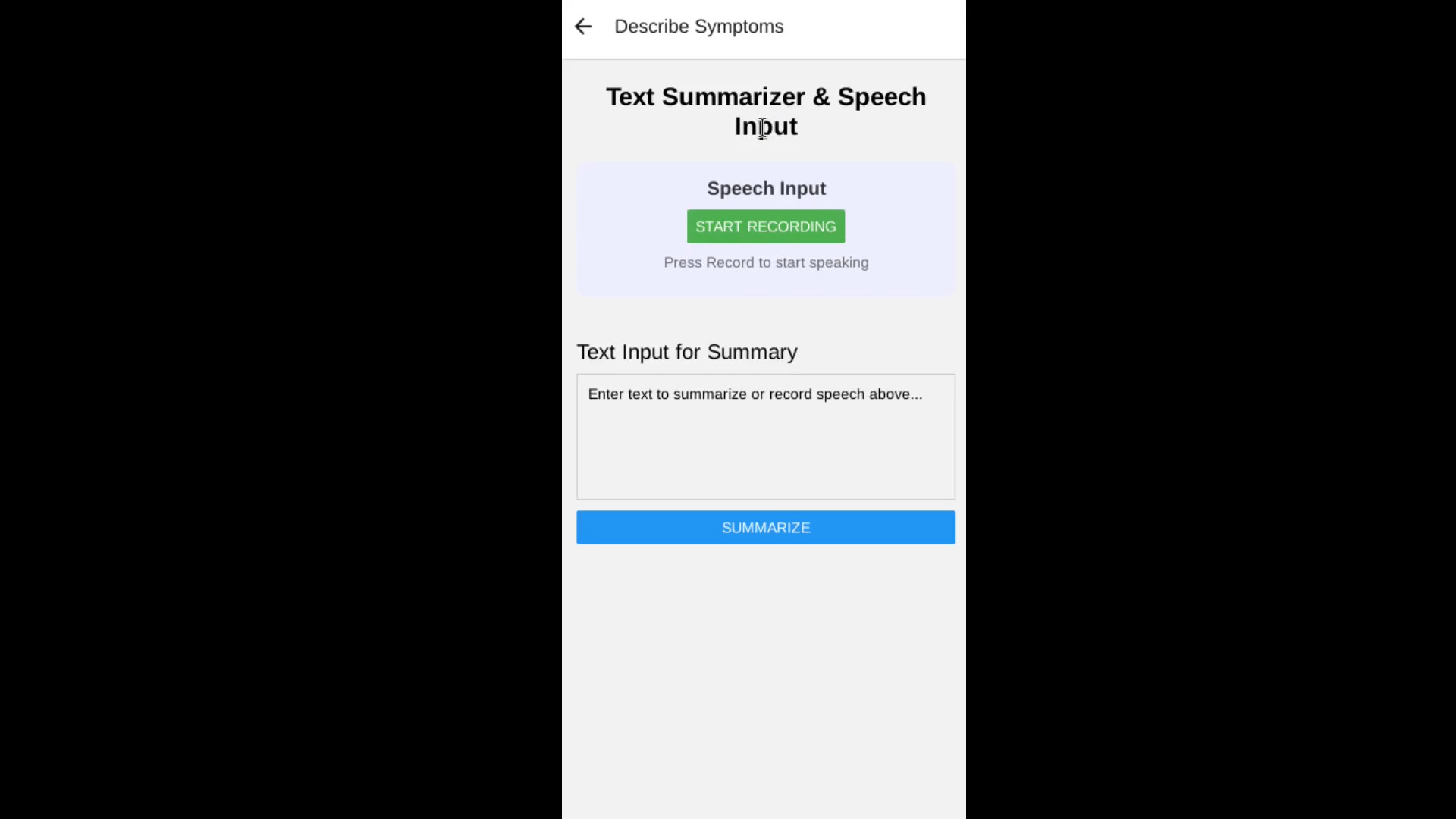
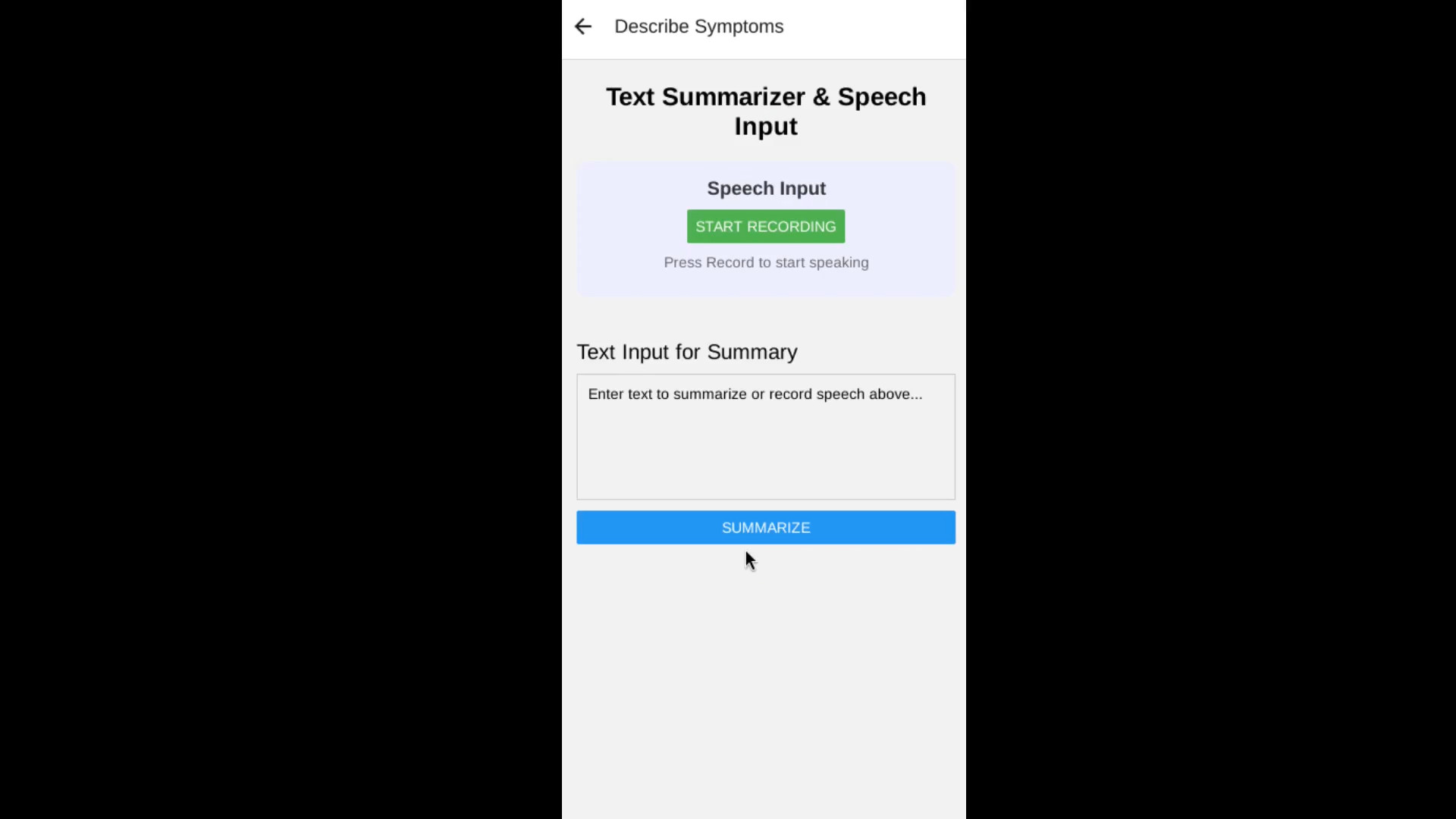
AI HealthAssist is a virtual healthcare assistant that offers symptom checking, medication reminders, health tracking, and access to medical information—all through a user-friendly interface.
How we built it
Frontend: React Native for cross-platform mobile support Backend: Node.js for handling requests and integrating with external health APIs
Challenges we ran into
Ensuring accuracy and safety when providing health-related advice Managing data privacy and compliance with healthcare regulations like HIPAA Training the AI to avoid overconfidence in uncertain scenarios
Accomplishments that we're proud of
Successfully integrated AI to handle nuanced health-related queries Created a user-friendly app with real-time symptom checking Developed a safe fallback mechanism that advises users when to seek human medical attention
What we learned
The importance of ethical AI use in sensitive domains like healthcare How to design user experiences that empower without overwhelming The value of clear disclaimers and transparency in AI recommendations
What's next for AI HealthAssist
Partnering with healthcare providers to refine recommendations and connect users with professionals Adding multilingual support to make the app more accessible Expanding features to include mental health check-ins and nutrition tracking Continuing to improve the AI’s medical accuracy with expert oversight and user feedback


Log in or sign up for Devpost to join the conversation.