-
-
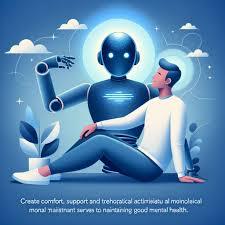
AI_wellness_assistant

Inspiration
The idea for this project came from noticing how many people—especially students and young adults—experience daily stress, fatigue, headaches, and general discomfort but rarely have quick access to wellness guidance. Not everyone can immediately speak to a healthcare professional, and many people simply need basic, safe, and reliable wellness tips to feel better and take care of themselves.
What it does
I wanted to create something simple, accessible, and supportive—an assistant that could help users reflect on how they feel and receive gentle wellness suggestions. This led to building the AI Health & Wellness Assistant, a lightweight tool that promotes healthy habits without attempting medical diagnosis.
How we built it
The project was built entirely in Python, designed to run locally and be easy for anyone to use. Here’s the approach I followed:
✔ 1. Designing the Core Logic
I created a simple text-based interaction loop:
The user enters how they feel.
The program detects keywords.
It provides matching wellness advice.
To organize this, I separated the program into functions:
welcome()
get_symptom_input()
wellness_advice()
run_assistant()
Inside wellness_advice(), I used Python lists and keyword checks:
if any(word in symptoms for word in ["headache", "migraine"]):
✔ 2. Adding Basic AI-Style Reasoning
Instead of using heavy models, I used conditional logic to mimic simple AI behavior. The logic follows:
Wellness Advice
𝑓 ( symptom keywords ) Wellness Advice=f(symptom keywords)
Where f is a matching function mapping inputs → helpful outputs.
✔ 3. Ensuring Safety
Since this is not a medical tool, I designed the program to:
give only general wellness suggestions
avoid health diagnoses
encourage professional help when necessary
The output focuses on hydration, rest, mindfulness, and monitoring symptoms.
Challenges we ran into
- Balancing safety with helpfulness
The biggest challenge was providing advice without crossing into medical claims. I spent time rewriting the suggestions to remain factual, supportive, and safe.
- Designing the symptom-detection logic
Natural language is complex—people describe the same feeling in many ways. Creating a simple yet effective keyword system took several attempts.
- Keeping the project simple but meaningful
I wanted something beginner-friendly but still valuable. Finding that balance required simplifying the design repeatedly.
Accomplishments that we're proud of
- Building a fully functional wellness assistant from scratch
We started with a simple idea and turned it into a working Python program that can interact with users, understand their input, and provide safe wellness guidance. Creating a smooth conversation flow and clean logic felt like a big milestone.
- Designing a project that is simple, safe, and user-friendly
We’re proud that the assistant focuses on wellbeing, not medical diagnosis. It provides general tips like rest, hydration, and stress-relief—making it suitable for anyone who just needs basic support.
What's next for AI Health & Wellness Assistant
The current version focuses on providing simple, safe wellness suggestions, but there are many exciting ways to expand the project into a more intelligent, supportive, and user-friendly assistant. Here are the next steps planned:


Log in or sign up for Devpost to join the conversation.