-
-
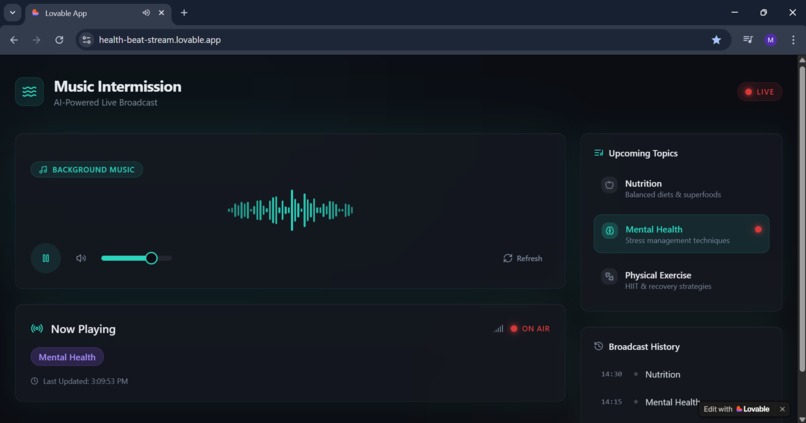
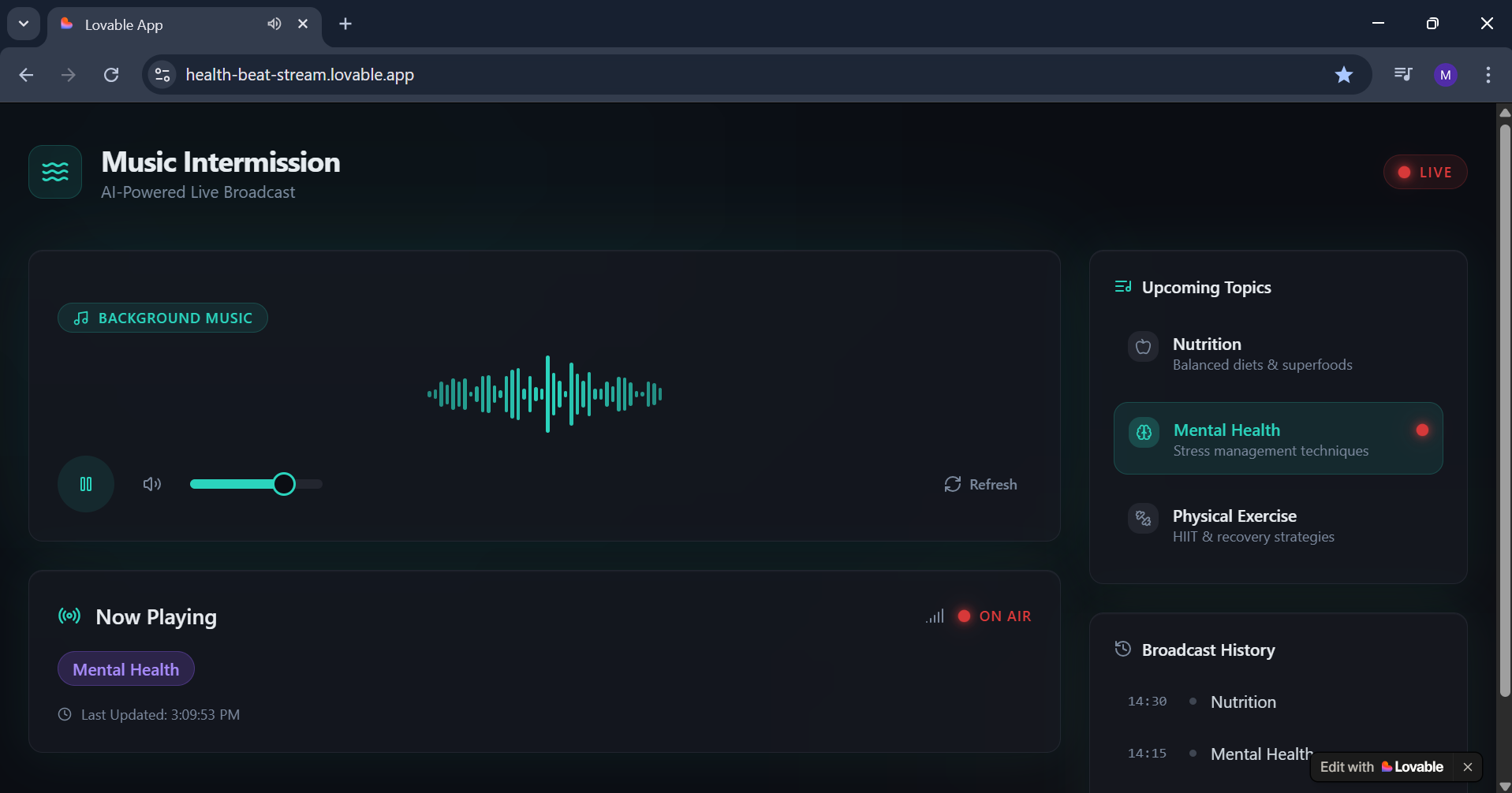
the website that simulate the radio
-
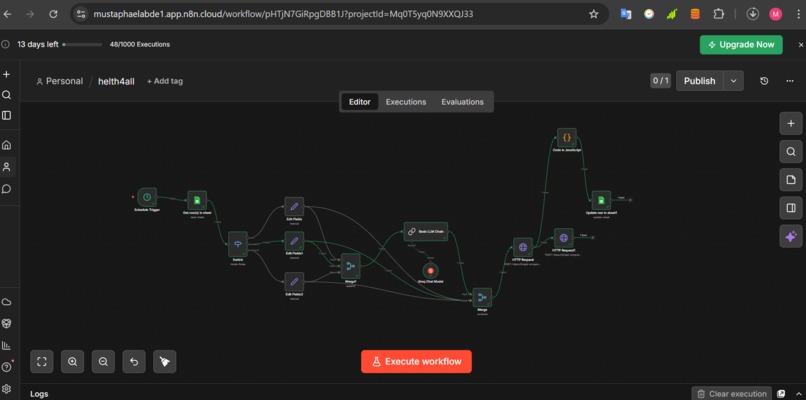
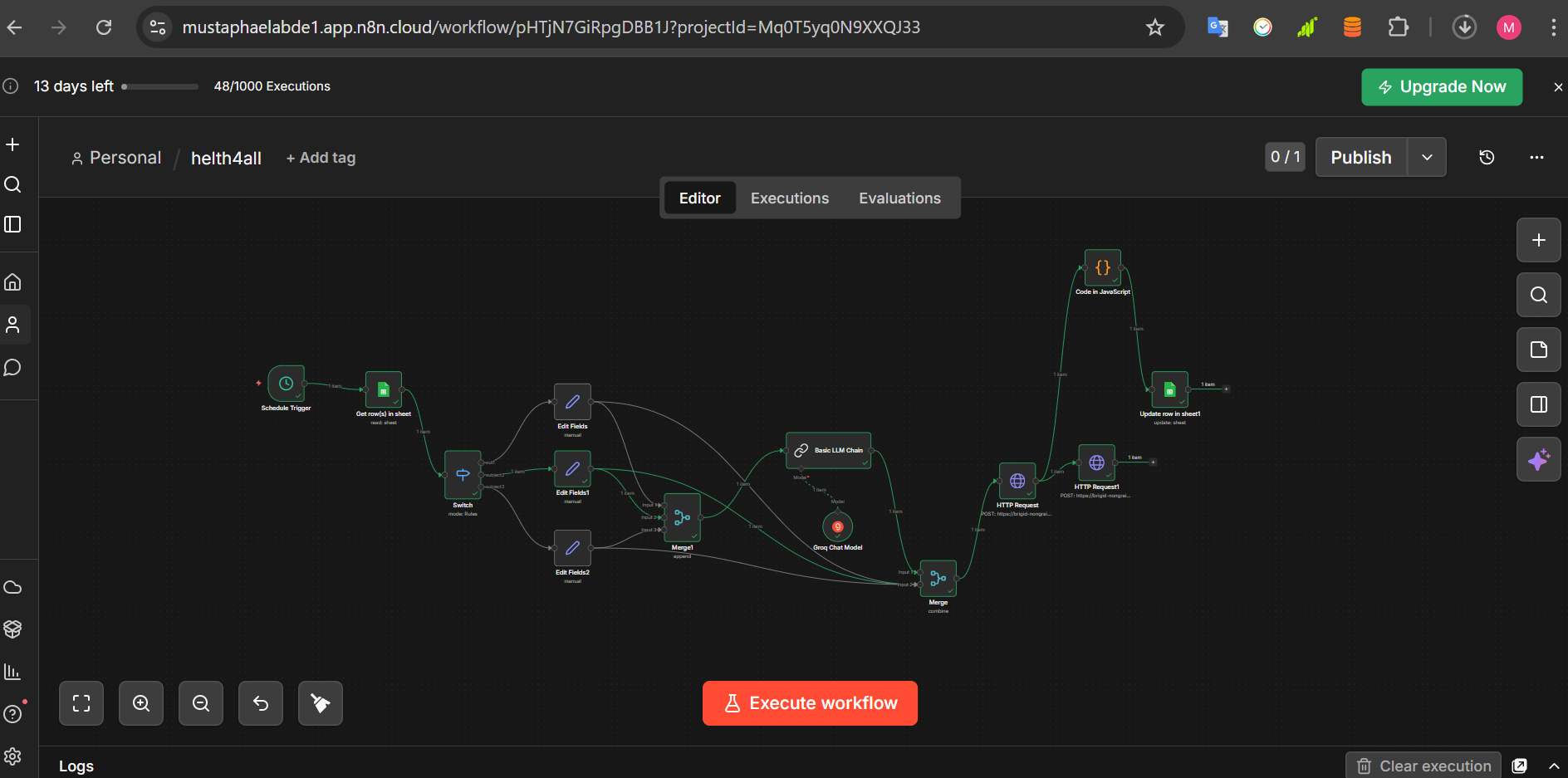
n8n diagram
-
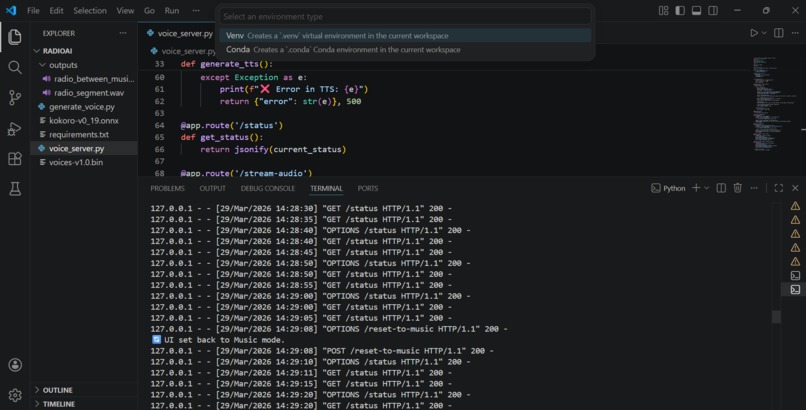
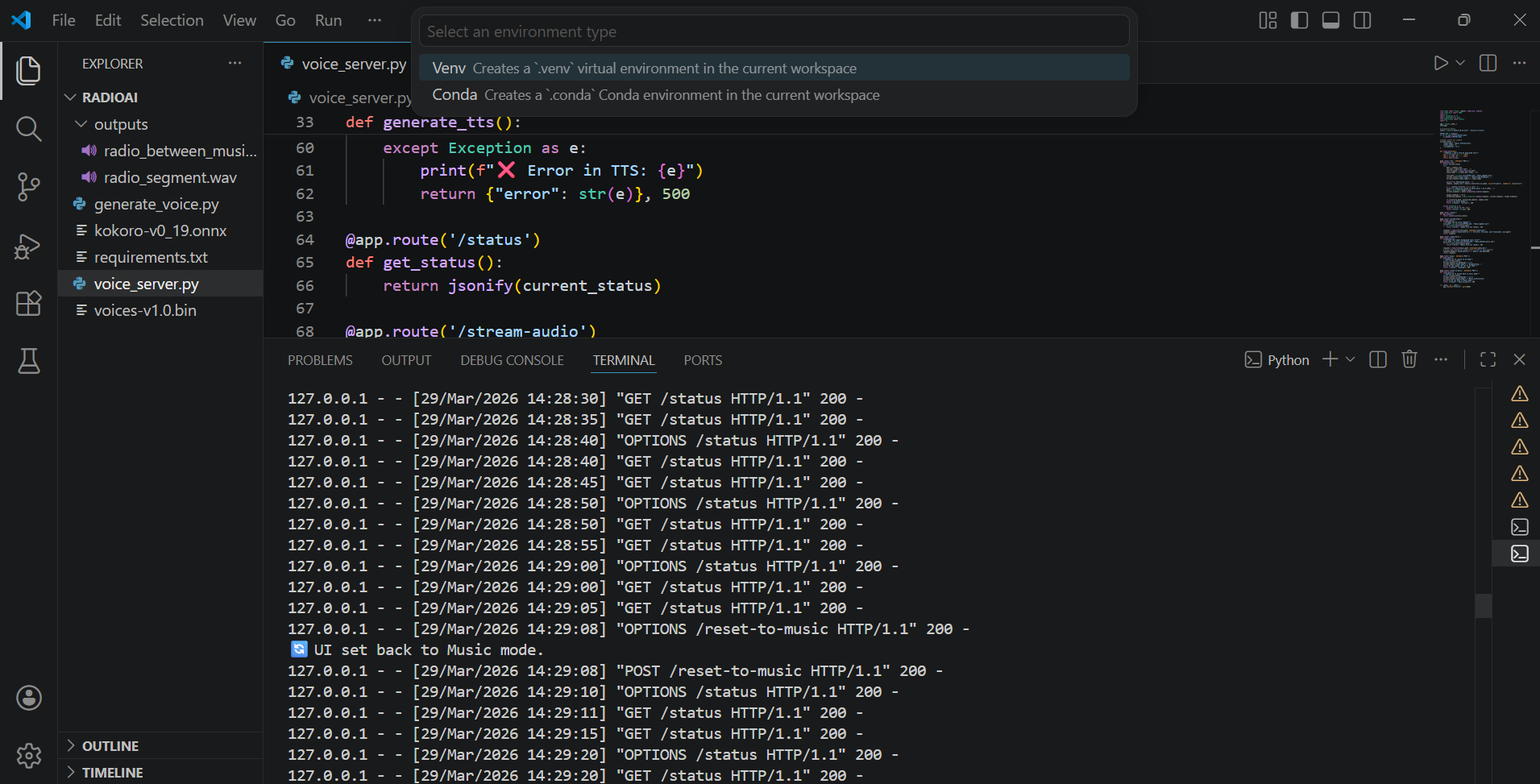
the server for audio generating running
-
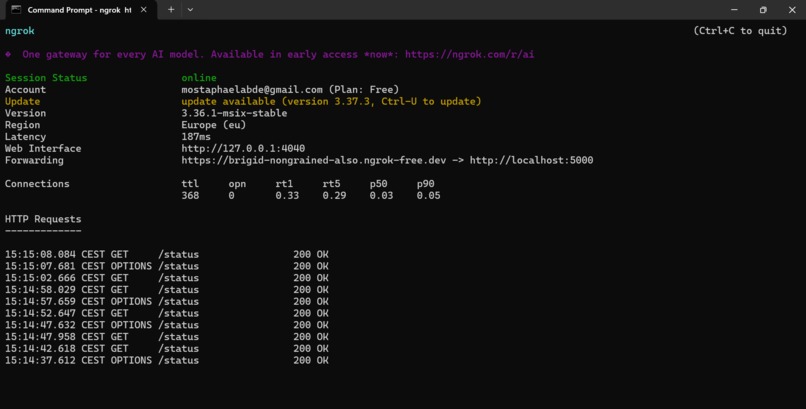
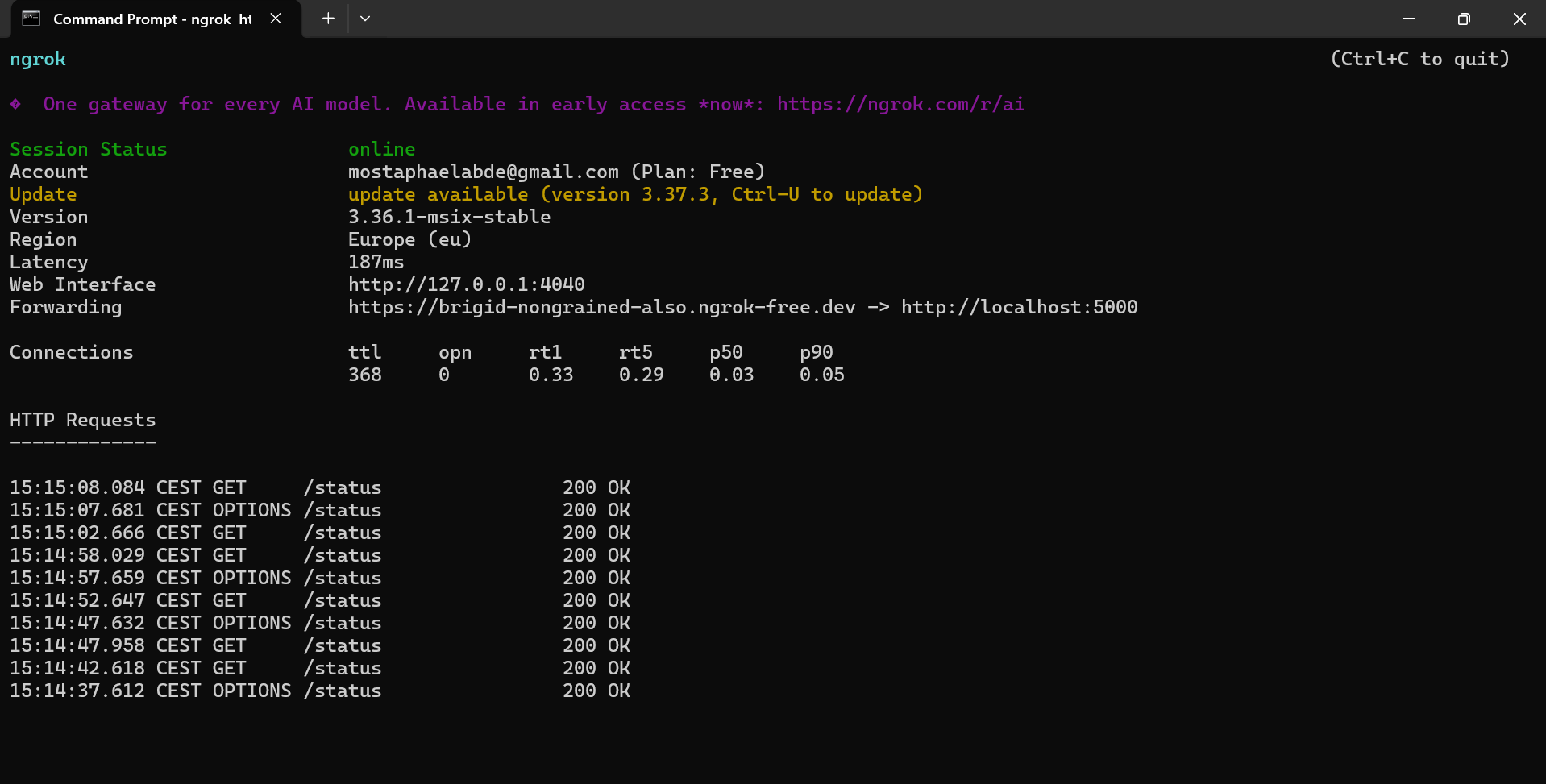
ngrok server running
Inspiration Most high-quality AI health content is locked behind expensive cloud subscriptions or limited to short 15-second clips. We wanted to build a platform that provides free, high-fidelity, long-form health education. Our goal was to create a 24/7 radio experience that deep-dives into Nutrition, Mental Health, and Medical Myths without the massive API costs usually associated with AI voice generation.
What it does AI Health Radio is an automated broadcasting system that generates professional 3-minute radio segments. It curates health topics from a live database, writes a professional script using LLMs, and synthesizes a human-like voice locally on our hardware. The result is a seamless radio stream that plays through a modern web interface, providing users with high-value health insights at zero cost to the producer.
How we built it We designed a Hybrid Edge-AI architecture to balance cloud flexibility with local power:
The Brain (n8n): We used n8n to orchestrate the entire workflow—from selecting topics in Google Sheets to triggering the AI generation.
The Voice (Kokoro-TTS & Python): Instead of using cloud APIs, we ran Kokoro-TTS locally on an i5 13th Gen processor. We built a Flask API to handle requests and used pyloudnorm to master the audio to professional radio standards (-11.6 LUFS).
The Face (Lovable): We built a responsive, modern frontend using Lovable (React/Vite) to act as the radio's dashboard.
The Bridge (ngrok): We used ngrok to create a secure tunnel, allowing our local AI engine to "speak" to our cloud-hosted website in real-time.
Challenges we ran into The biggest technical hurdle was the "Race Condition" between the background music and the AI voice. We had to ensure the web player knew exactly when the 3-minute local generation was finished to switch from "Music Mode" to "Broadcast Mode" without a gap. Additionally, managing the ngrok tunnel stability between Morocco and the cloud frontend required careful error-handling in our Python backend.
Accomplishments that we're proud of We are incredibly proud of achieving EBU R128 loudness standards locally. Usually, AI voices sound "flat," but by implementing professional audio normalization, our AI segments blend perfectly with the background music. We also successfully bypassed cloud costs entirely for the voice generation, proving that "Edge AI" is the future of sustainable content creation.
What we learned We learned the power of Asynchronous Orchestration. Building this project taught us how to connect vastly different tools—like a local Python server, an automation tool (n8n), and a cloud frontend (Lovable)—into one cohesive system. We also gained deep experience in ONNX model inference and local hardware optimization.
What's next for AI Health Radio: Hybrid Edge-AI Broadcast We plan to expand the radio to support multiple languages, specifically focusing on Darija (Moroccan Arabic) to make health education more accessible locally. We also want to implement a "Call-in" feature where users can ask questions via the website, which are then answered in the next AI broadcast segment.

Log in or sign up for Devpost to join the conversation.