-
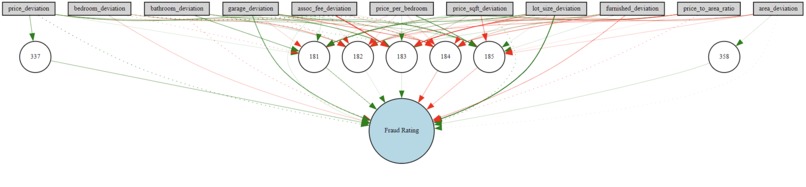
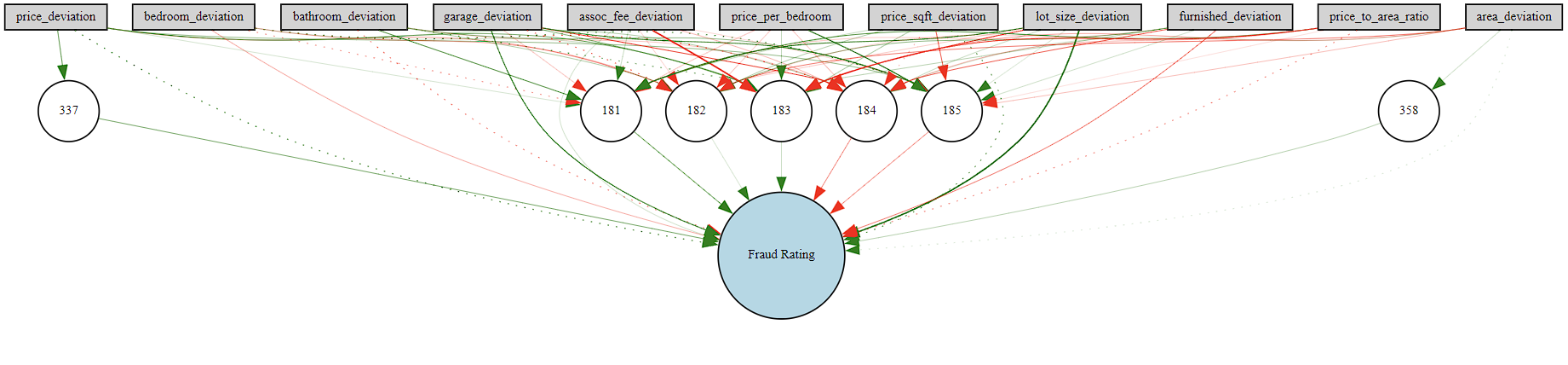
General AI Model
-
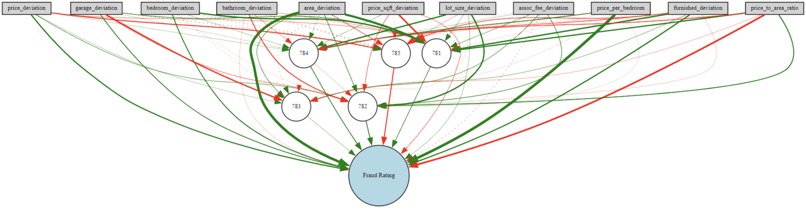
Validation AI model
-
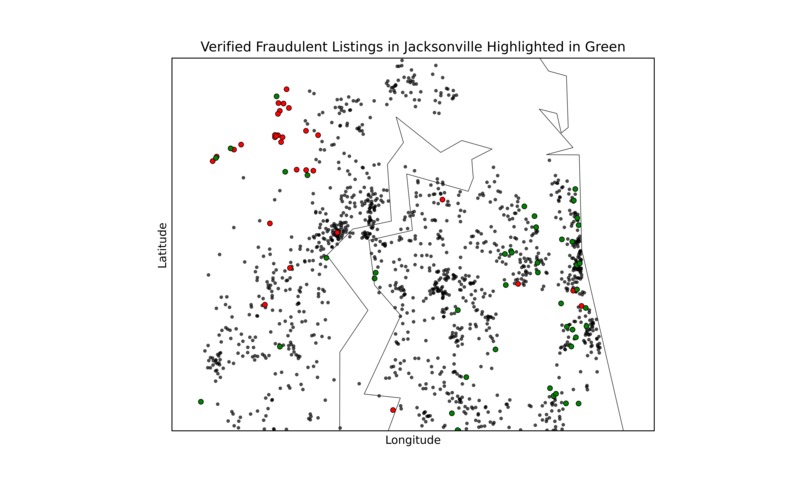
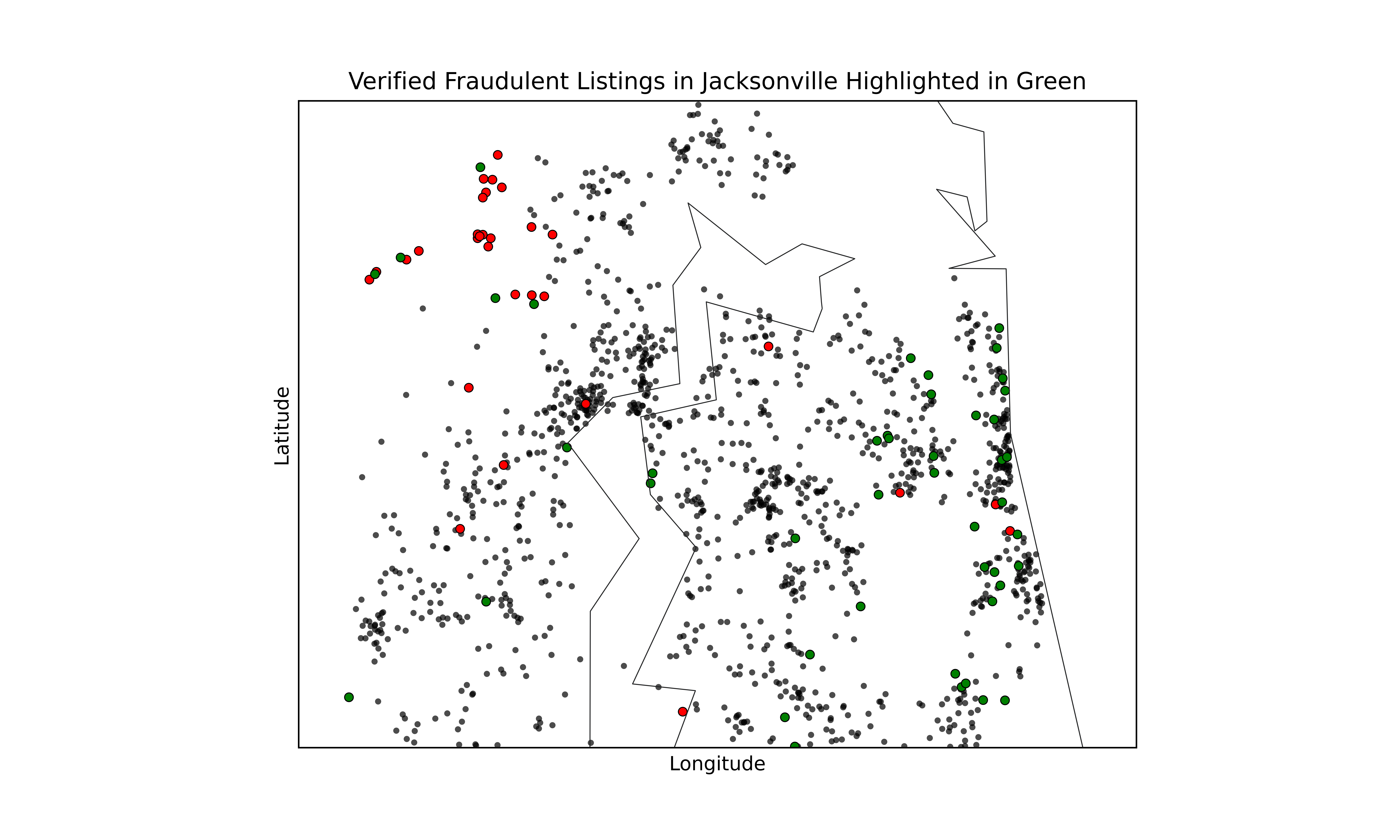
Results of the two models
Inspiration
The project was inspired by the growing issue of apartment rental scams, which often leave renters vulnerable to fraudulent listings. Our goal was to create a robust AI solution capable of identifying and flagging potential scams in real estate data to help protect users from falling victim to these schemes.
What it does
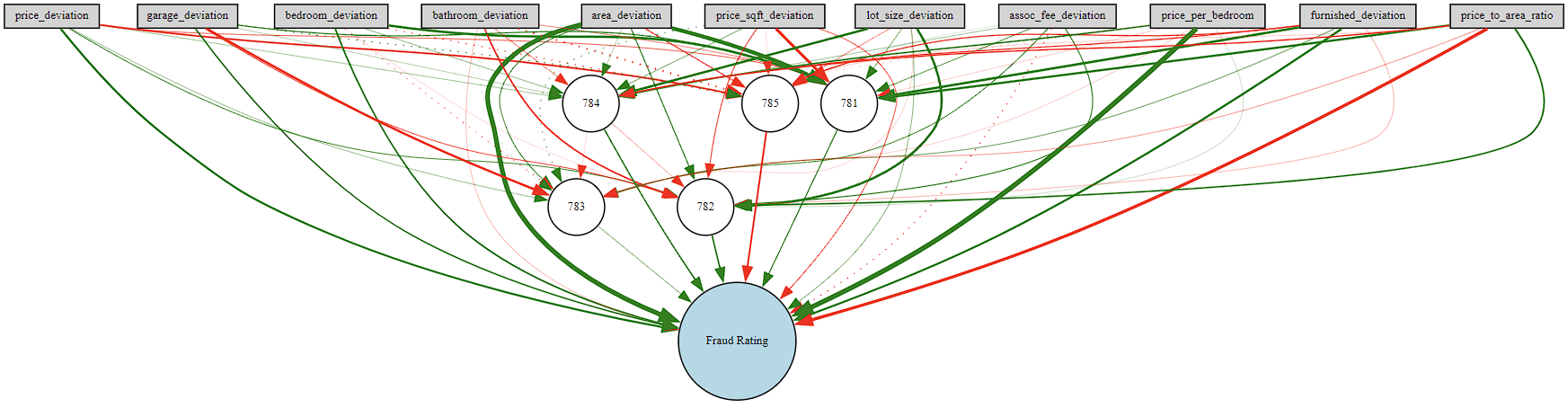
The system uses a two-tier AI approach: a general AI makes the initial decision by analyzing property listings and detecting anomalies, while a specialized AI validates these decisions. This ensures a more accurate and reliable detection process by combining the strengths of both AIs, helping users identify suspicious rental listings based on factors like pricing, location, and property features.
How we built it
We built the project using Python’s NEAT algorithm for anomaly detection, supplemented with Isolation Forest and other methods to improve fraud detection. The general AI was trained on a large dataset of real estate listings, learning to spot outliers. The specialized AI, built using a custom validation algorithm, checks the decisions made by the general AI, refining them for greater accuracy. We also implemented real-time model saving with Pickle to track different training stages.
Challenges we ran into
One of the key challenges was balancing the interaction between the general AI and the specialized AI. While the general AI quickly learned to detect anomalies, the specialized AI had to carefully validate these decisions without slowing down the process. Another challenge was ensuring the general AI didn’t converge too quickly, allowing it to generalize well and detect subtle fraud patterns. Managing the high volume of data and dealing with false positives also required fine-tuning.
Accomplishments that we're proud of
We’re proud of the dual AI system we developed. This layered approach significantly improved detection accuracy and reduced false positives. Another accomplishment was integrating multiple anomaly detection techniques to ensure the general AI’s decisions were well-rounded and robust. Our model-saving strategy also allowed us to track performance over time and improve the training process.
What we learned
We learned much about the strengths of using a general and specialized AI system. While the general AI excelled at making broad decisions, the specialized AI provided crucial refinement and validation, improving overall accuracy. We also gained experience handling the intricacies of NEAT and dynamic anomaly detection and techniques for reducing false positives in a highly imbalanced dataset.
What's next for AI Hackathon 2024 NEAT Project
Our next step is to enhance the general AI's fitness function to slow down convergence, allowing it to continue learning more effectively. We plan to integrate additional anomaly detection techniques and optimize the threshold for flagging fraud. Scalability is another goal, as we aim to expand the system to handle larger datasets and real-world use cases. We are also looking into building a user-friendly interface for renters to identify potential rental scams in real time.
Built With
- powershell
- python


Log in or sign up for Devpost to join the conversation.