-
-
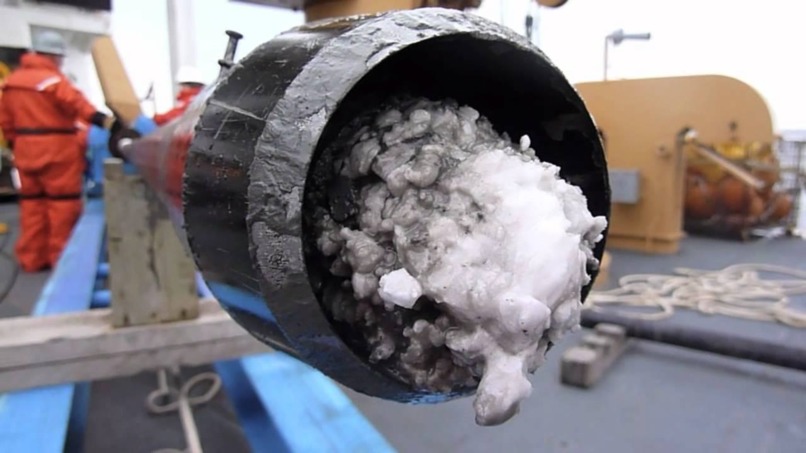
Hydrate
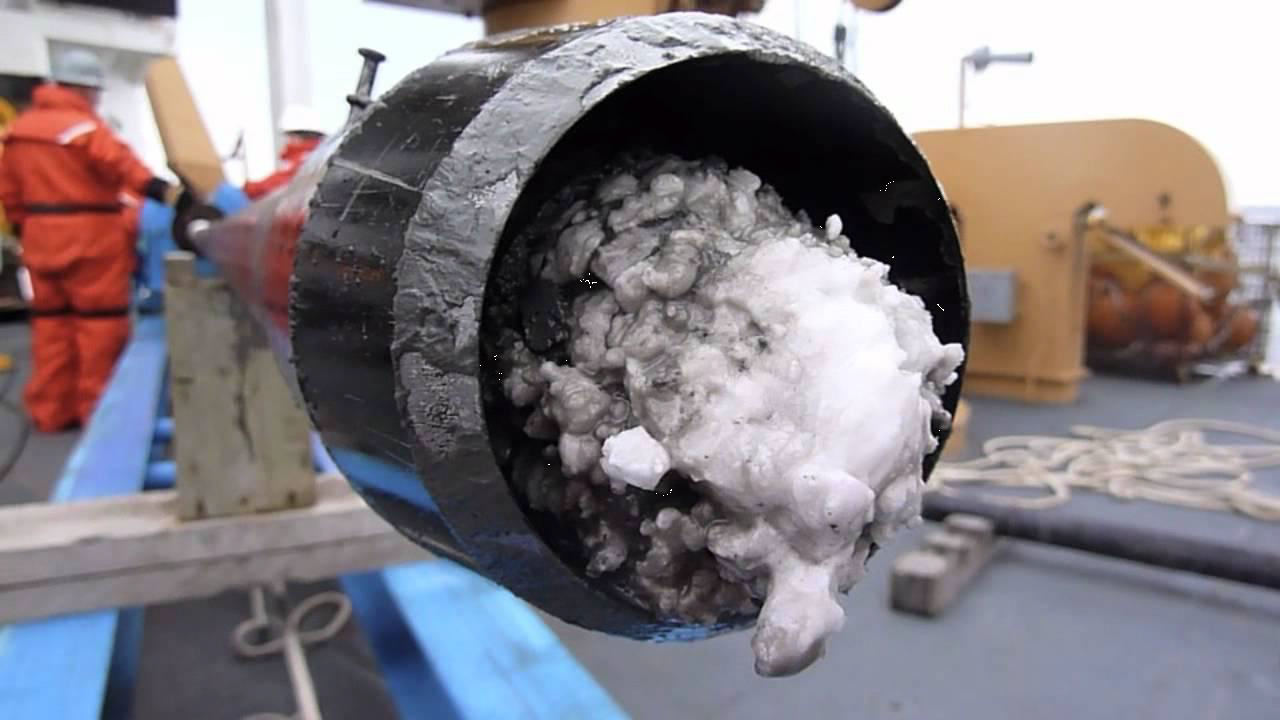
Inspiration
Hydrate formation in pipelines can lead to costly blockages and shutdowns, yet predicting when it might occur remains a challenge. We wanted to build a solution that leverages real-time data analysis to detect the early warning signs of hydrate formation, allowing operators to take preventive action and avoid expensive disruptions.
What it does
HydraSense takes in sensor data such as flow rate, flow rate set point, and valve open percentage. By analyzing this data, it predicts the hydrate formation in pipelines. The software alerts users via email when abnormal conditions are detected, enabling them to intervene before hydrates cause major damage.
How we built it
We started by preprocessing the data, using forward fill for missing values and removing null entries. We defined a threshold to detect abnormalities in the data, which we used to label our dataset. Using this labeled data, we trained a supervised machine learning model with the sensor data as input and the detected abnormalities as output. The frontend was built using Streamlit, allowing users to easily upload CSV files for analysis.
Challenges we ran into
One of our biggest challenges was finding the right visualizations to identify abnormalities in the data effectively. We experimented with various plotting techniques to better understand the sensor data and detect the early signs of hydrate formation. Additionally, data cleaning and defining reliable thresholds for abnormalities required extensive testing.
Accomplishments that we're proud of
We successfully built a model that can detect hydrate formation abnormalities with good accuracy based on historical data. We also created an intuitive frontend interface with Streamlit that allows users to easily upload and analyze their data. Most importantly, we developed a pipeline for supervised training that effectively uses sensor data to make predictions.
What we learned
We gained a deeper understanding of data preprocessing techniques, including forward fill and handling missing values effectively. We also learned the importance of choosing the right visualization methods to identify abnormalities in sensor data. Defining thresholds for anomaly detection was more challenging than anticipated, requiring iterative testing and analysis. Additionally, this project provided valuable experience in building user-friendly data-driven applications using Streamlit.
What's next for HydraSense
Our next step is to integrate real-time data streaming capabilities, allowing HydraSense to make predictions on live sensor data instead of relying solely on CSV uploads. We also plan to refine our prediction model, incorporating more advanced machine learning techniques for better accuracy. Lastly, we aim to expand our alert system with additional notification options and user customization features.
Built With
- google-gmail-oauth
- python
- scikit-learn
- smtplib
- streamlit

Log in or sign up for Devpost to join the conversation.