-
-
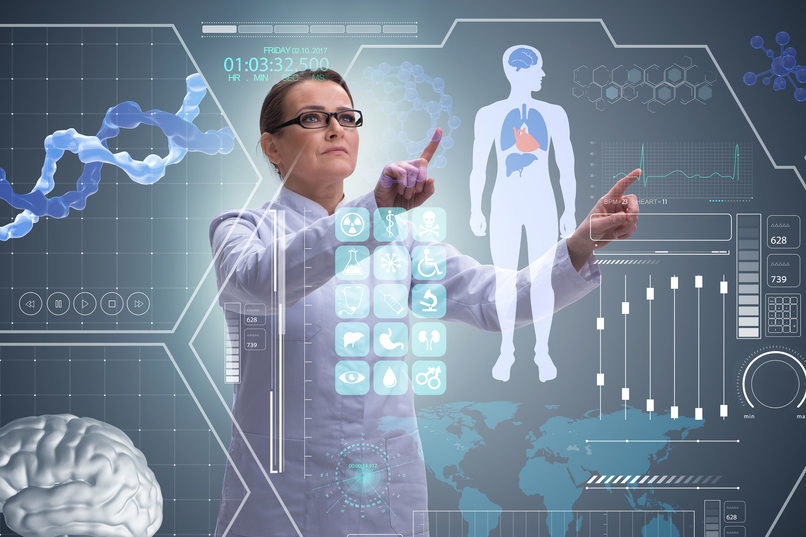
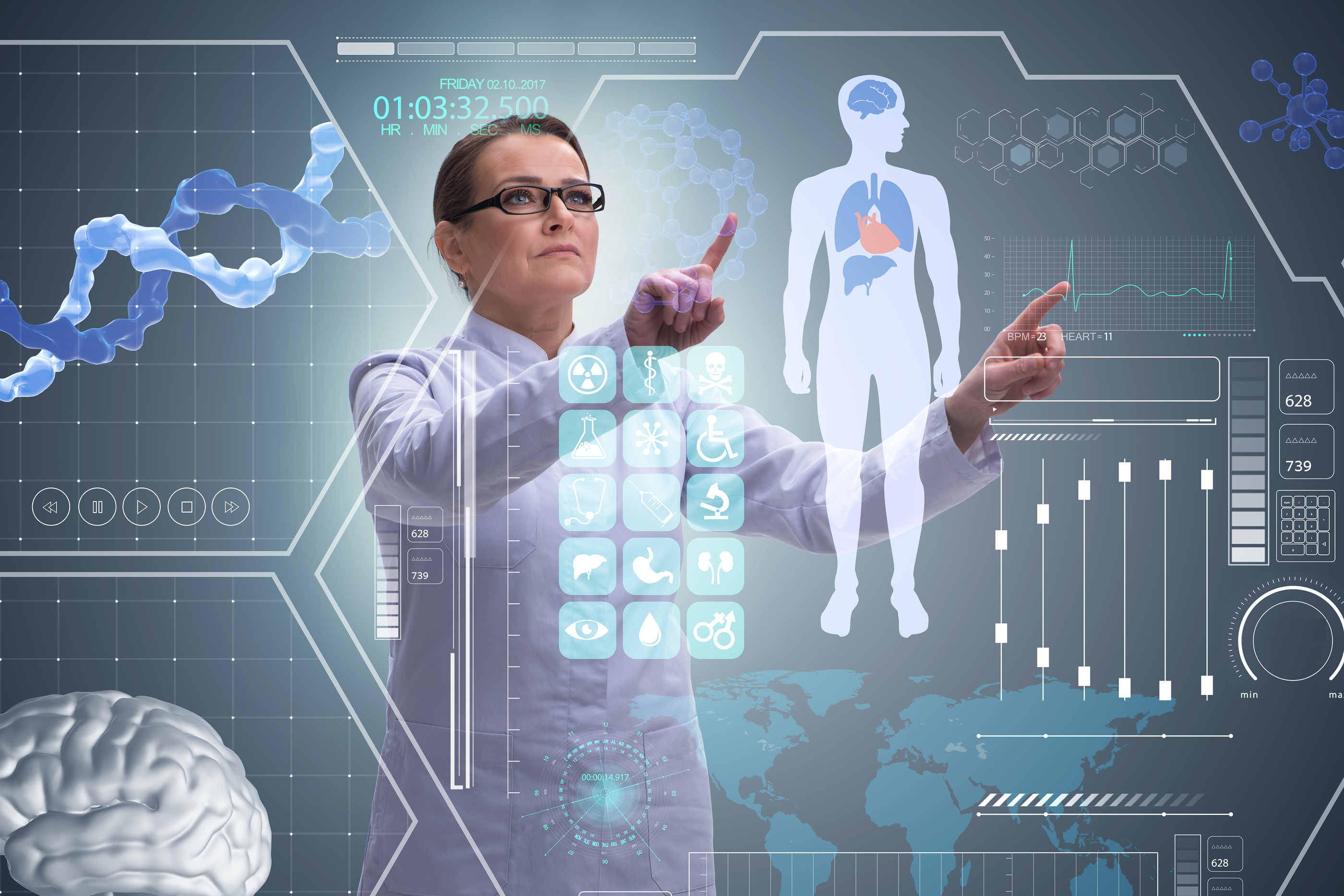
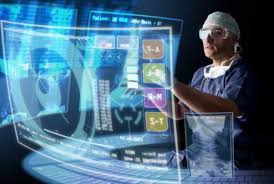
Commmedic(AI) will attune doctors to communicate with AI algorithms, augmenting thier traditional skills in the future of healthcare.
-
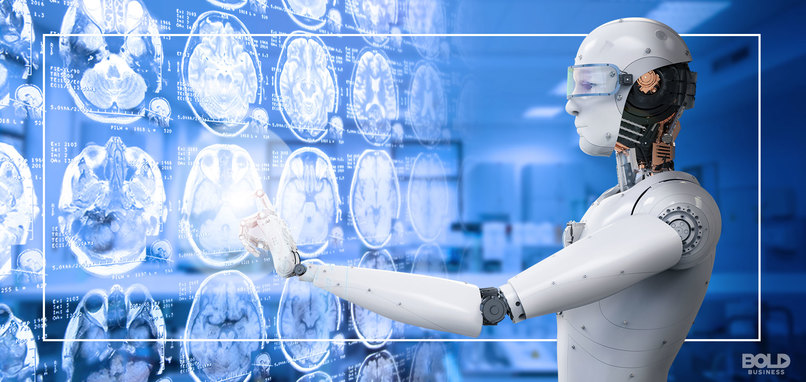
Interaction between clinicians and AI in simulators will augment skills in the healthcare field. Disruptive and revolutionary is the future.
-
Commmedic(AI) creates a transfer of value between doctor and AI. Triangulation can use human eye movement to determine a potential outcome.
-
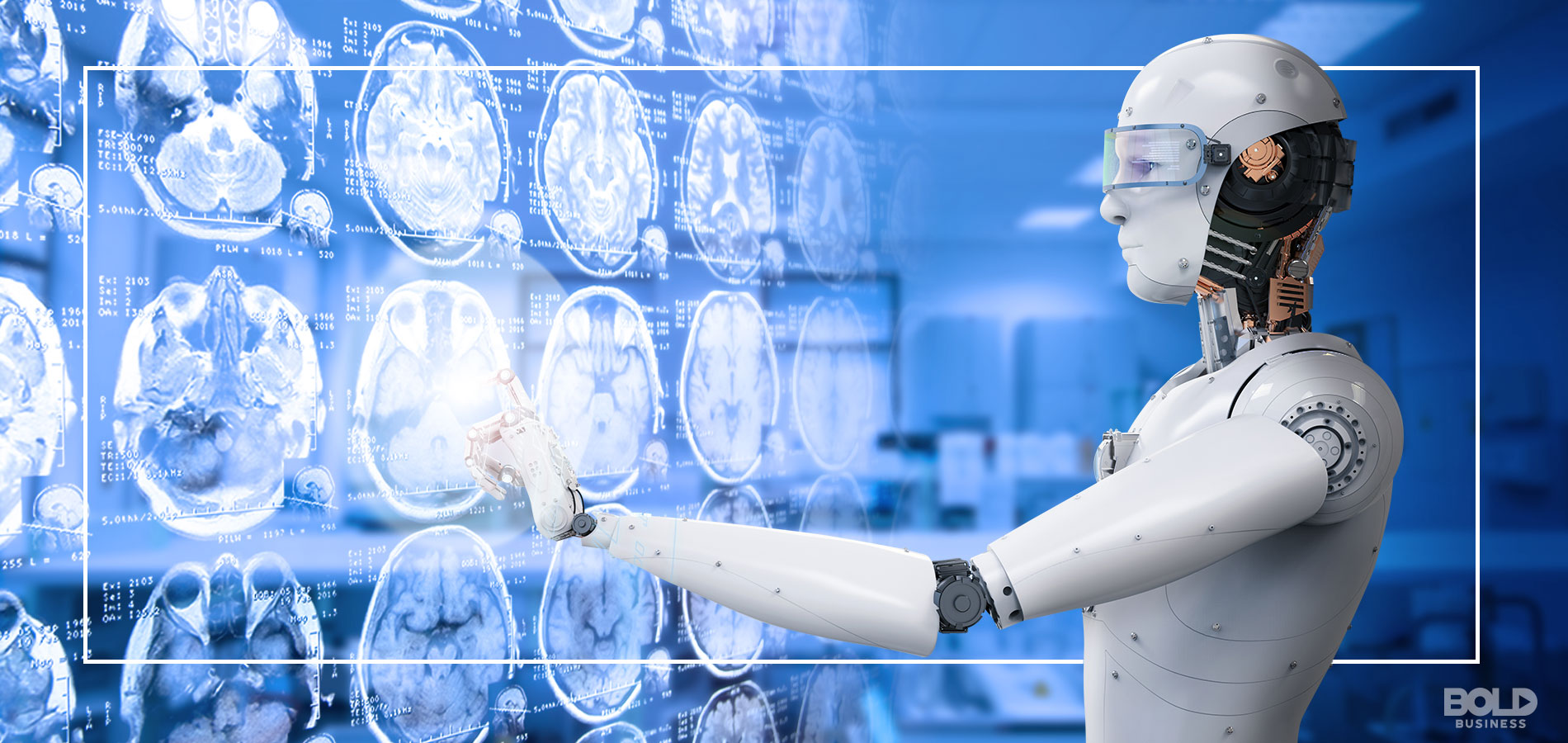
Communication is vital both human to human and human to AI. Valuable communication between clinicians and AI will improve patient outcomes
-
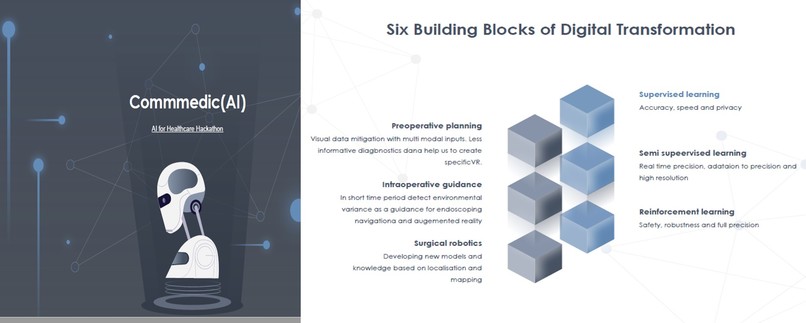
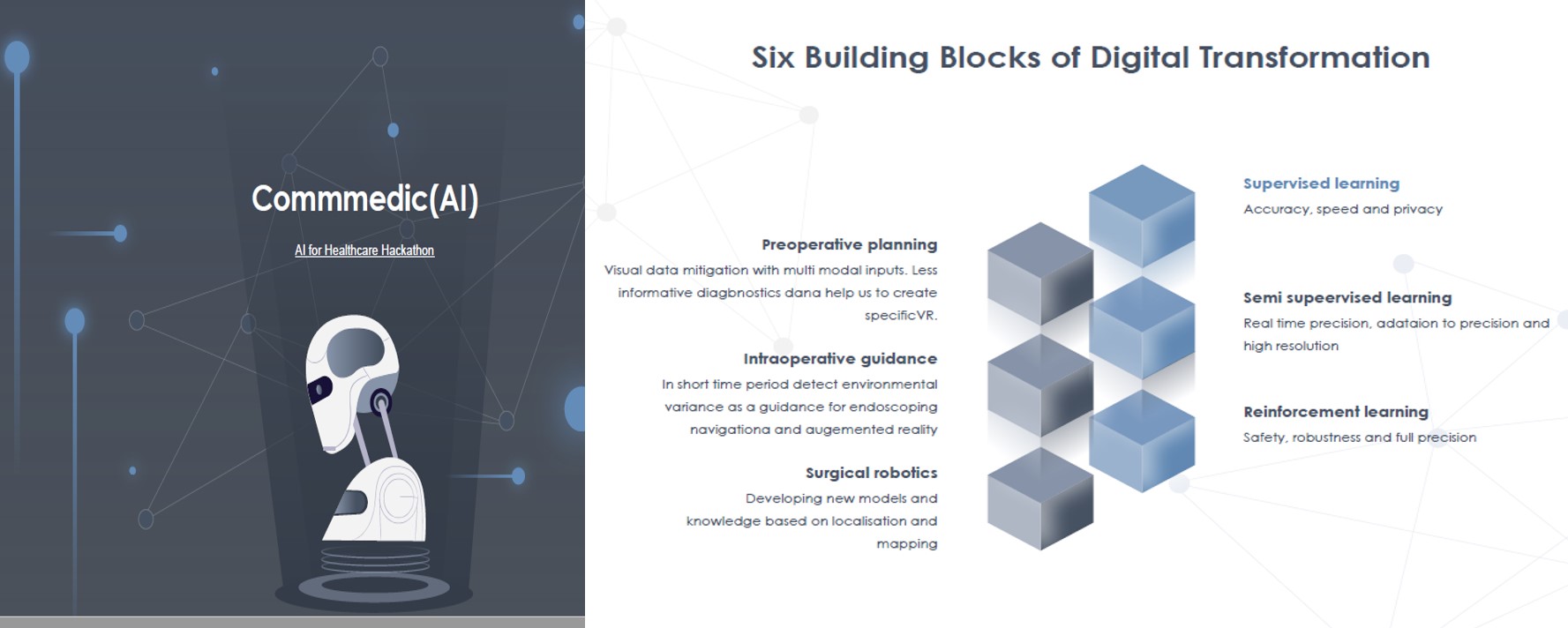
6 building blocks of digital transformation
-
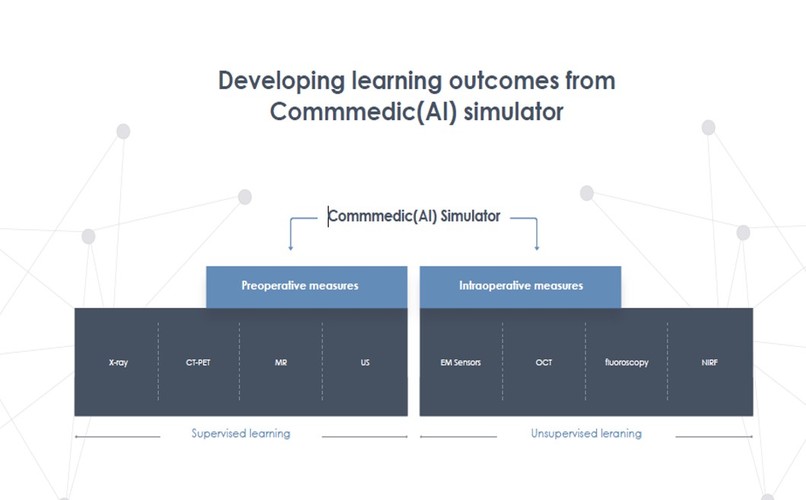
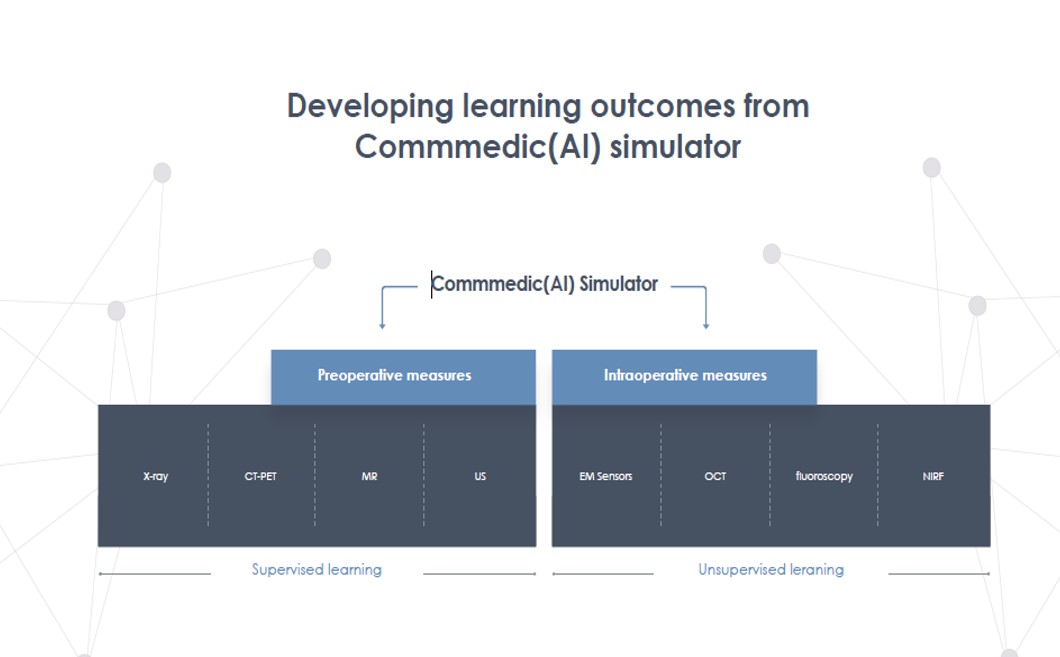
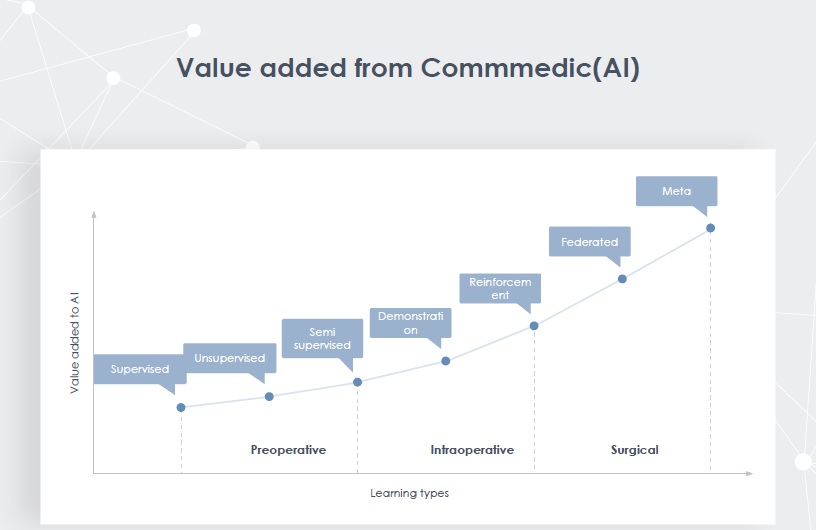
Learning outcomes can be divided into pre-operative and intra-operative measures
-
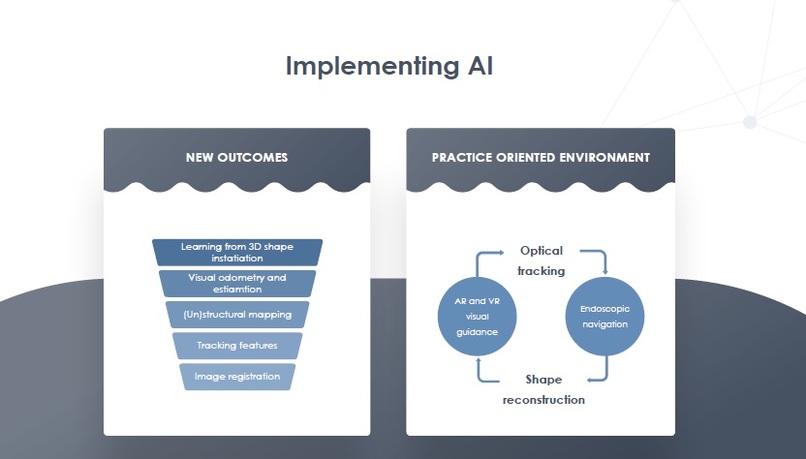
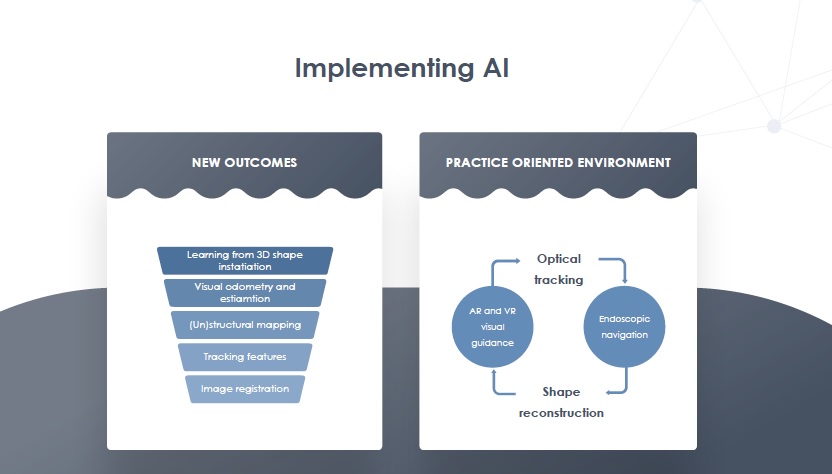
New outcomes as AR or VR visual guidance represent starting point in simulation modelling
-
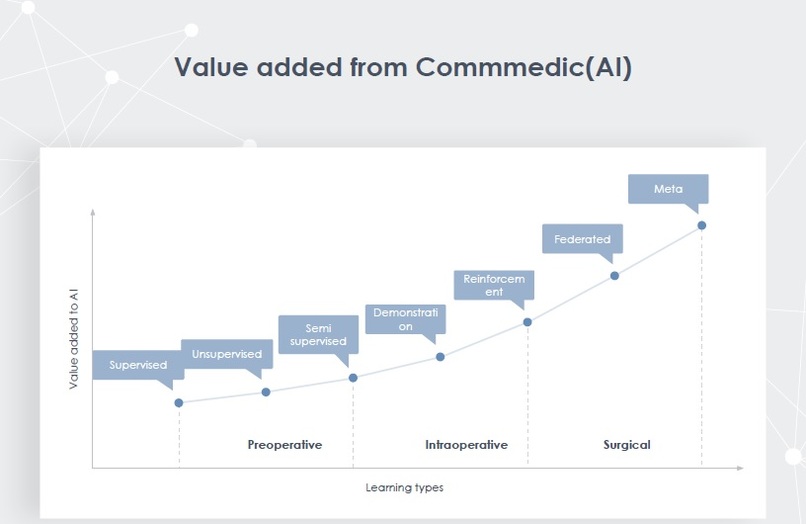
Value is added by the AI simulator tool to different scenarios of learning types.
-
The key roles in this scenario are reducing the amount of data safeguards in the data processing information security built into the product
-
-
-
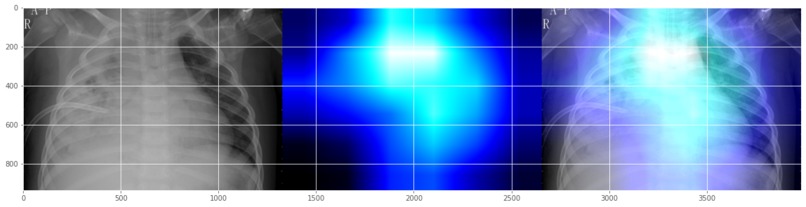
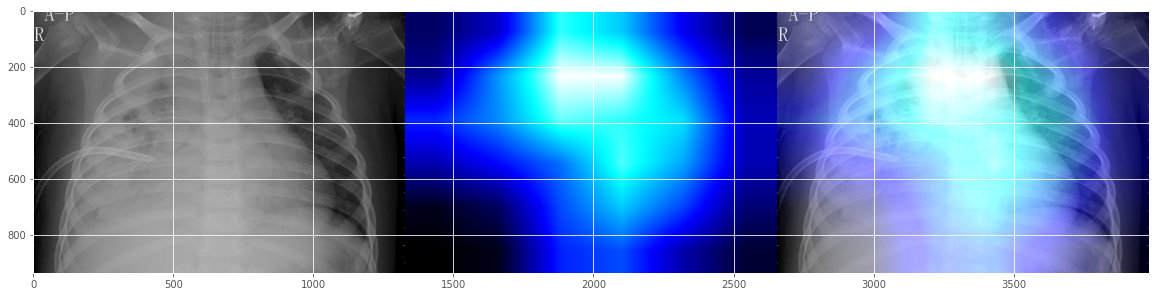
Highlighted Viral Pneumonia Patient Lungs (Spread of Viral Pneumonia throughtout the lungs)
-
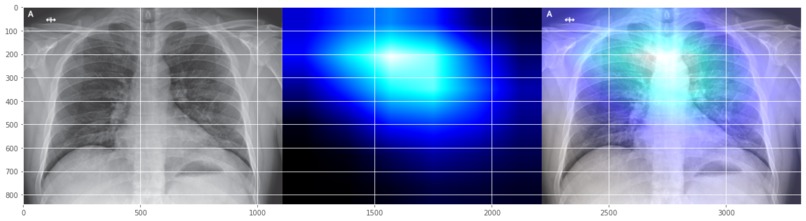
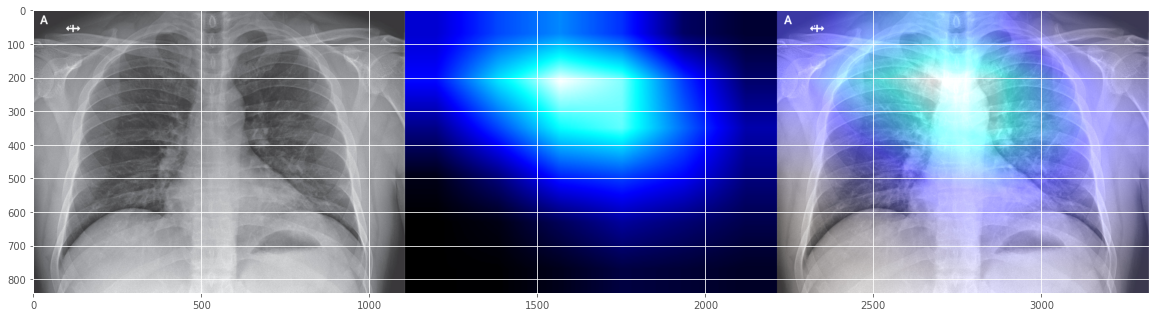
Highlighted Infected region for COVID-patient(region highlighted near sternum)
-
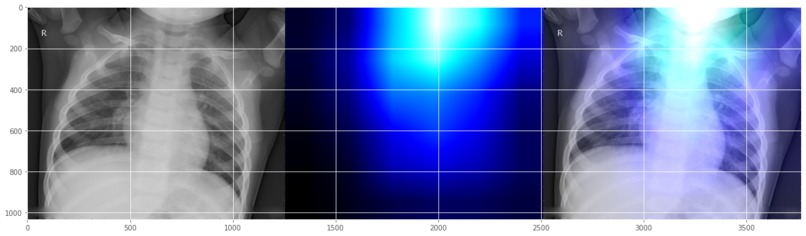
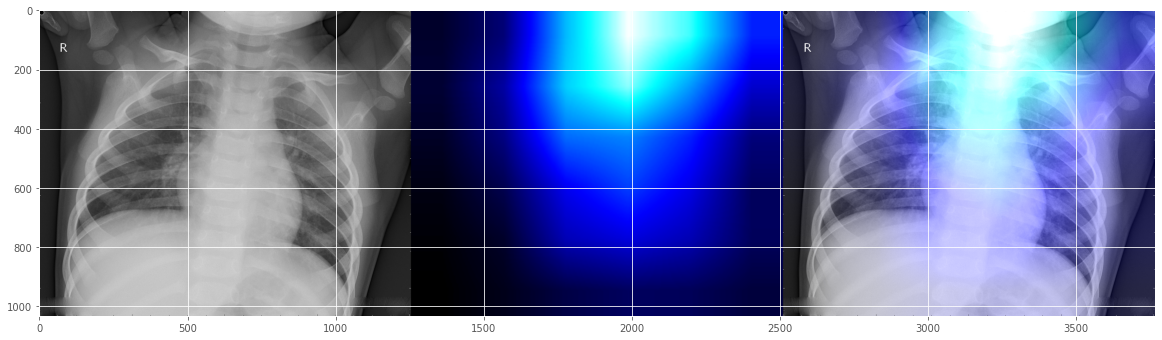
HIghlighted Normal Patient Lungs (Highlighted Upper thorax region demonstrating lungs are clear)

Inspiration
TRACK: AI Applied To Medical Imaging
Challenge 5
Medical imaging provides a wealth of data, and AI algorithms, based on machine learning and deep learning, are experts on sorting through data an visualizing it. Data, however, is only a set of statements about an entity. Without understanding and without actionable insights, data does not become knowledge.
Doctors and clinicians are experts about clinical knowledge, and patients are the experts on their own lives, experiences, and priorities. In the Triple Intelligence Paradigm of shared decision making, all stakeholders in the medical decision, patient, clinician, and AI contribute to reaching the best care decision. In particular, what makes a valuable chain is the cooperation among doctors and AI algorithms, that enhance the result of clinical diagnosis and treatment for patients, ensuring a better quality of life. Indeed, the doctor diagnosing pathologies with an improved learning thanks to our solution, he will be able to guarantee a better decision-making with higher accuracy, saving precious time and lifes.
The fact that AI can detect and segment on images is known. Our project overcomes the challenges of communication of AI data results to the clinician who then transferrs medical knowledge to the patient. Our learning tool is a simulator that allows doctors to develop their skills as the mediators between the AI results and the patient. Commmedic(AI) is our opportunity to create a lucrative niche with outbound marketing tools relevant for patient care simulators. If we create our reality as a training or teaching tool, we can attach different angles to science and business.
The augmentation of skills of workers in healthcare is essential to the successful application of AI in the healthcare. The Commmedic(AI) facilitates the augmentation of skills, and the concept of AI based healthcare simulators opens new paths to the use of AI based healthcare results in related fields.
What it does
The Commmedic(AI) simulator enables communication between AI and the clinician in a pre-Clinical, learning environment.  Each study includes a set of images and a patient file.  The images  are evaluated by the AI for a diagnosis.  The doctor opens a corresponding patient file and can enter patient data into the tool for a deeper analysis.  In addition to the diagnosis based on the images alone, the AI evaluates a clinical outcome based on the information about the patient.  The file about the patient might contain a video of an interview with the patient or some additional information that the clinician uses in order to change or agree with the clincial outcome given by the AI.
We know that medical images provide a huge sea of data for AI to analyze, but the corresponding patient files are not always complete, and our simulator makes the doctor able to react to missing or incomplete patient information in the context of a perfect image data analysis.
Through image data analysis, the AI will build what type of patients need help ASAP, according to clinical status and picture. We will train our simulator in order to anticipate any issue, in this way appropriated signals will be created for different type of patients. In fact, a signal is a focal factor considering its great impact, and therefore it will be easier to communicate with it. Image recognition is the core source for communication between interested parties.
Collaboration with clinicians will be essential to the development of this project. When we talk about simulators, clinicians can help a lot by defining which tools and services they need and for which activities are they used.
New outcomes as AR or VR visual guidance represent starting point in simulation modelling (with or without optical tracking). Tracking of each category (in new outcomes and practice oriented environment) is supervised by ISO 13485 for medical devices. Final touch of practice oriented environment is declared as shift from static image of organs toward dynamic organ function. Overall it helps in: surgical traning and teaching, remote cooperation between multidisciplnary teams, pretection in prvacy data, reducing cybercrime, earyl detection of diagnosis based on audio and visaul information and developing ethich betwen AI and patients.
How we built it
Dataset
- Dataset is collected from two sources based on the reliability and usability of the data sources available.
- Covid-19 Lung X-Ray set : Joseph Paul Cohen link
- Kaggle Chest X-Ray sets : Adrian Yu (Subset created from this dataset by Adrian Yu)link
Model Building
- We built a image classification model using Inception V3 model as base with a couple of CNN Layers as tops.
- Transfer Learning with unfrozen weights of underlining Inception layers for re-training.
- Slight augmentation to compensate the small data set collected so far.
- 3x categories instead of binary: Covid-19 vs Normal vs Bacterial (or Viral Pneumonia).
- Calculating a basic 3-class confusion matrix as a template for later steps.
- We will applied GRAD-CAM heatmap to demonstrate model explainability of our model to some extent.
Challenges we ran into
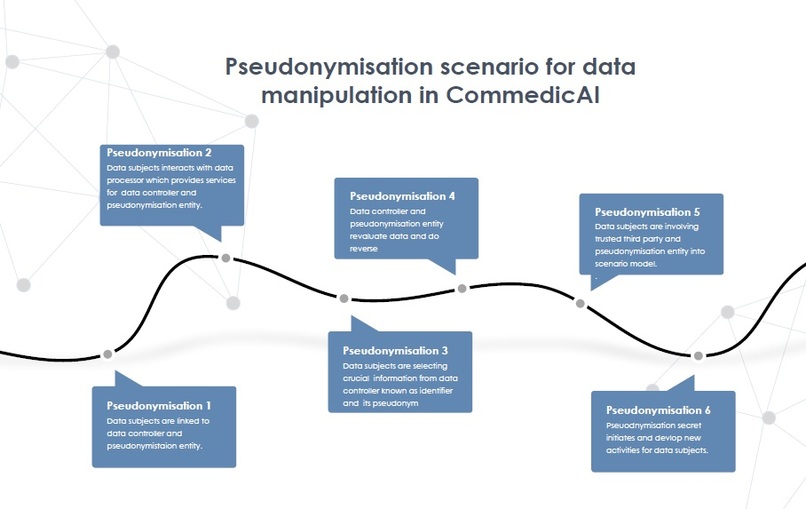
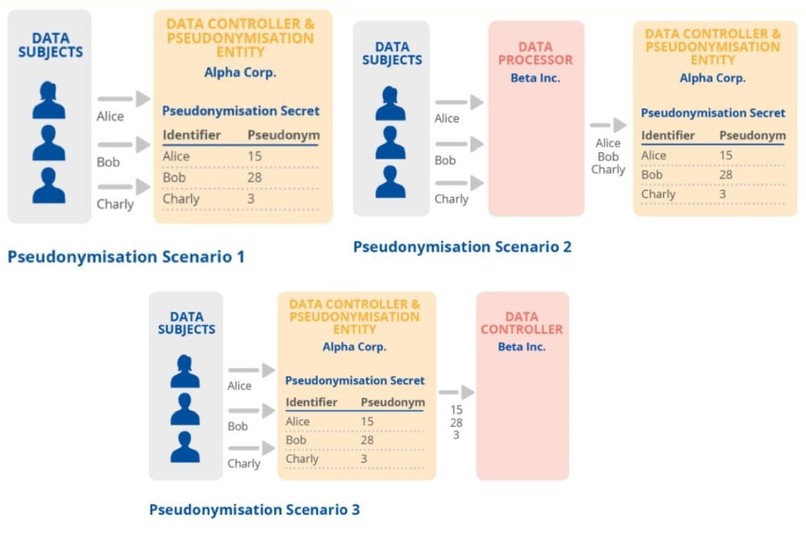
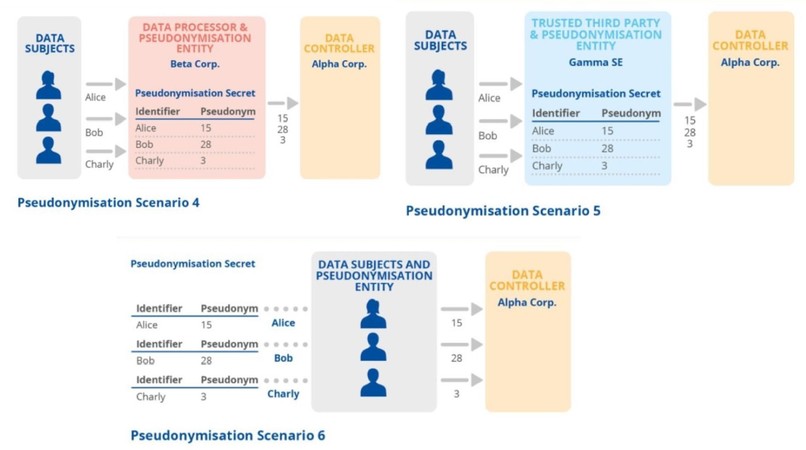
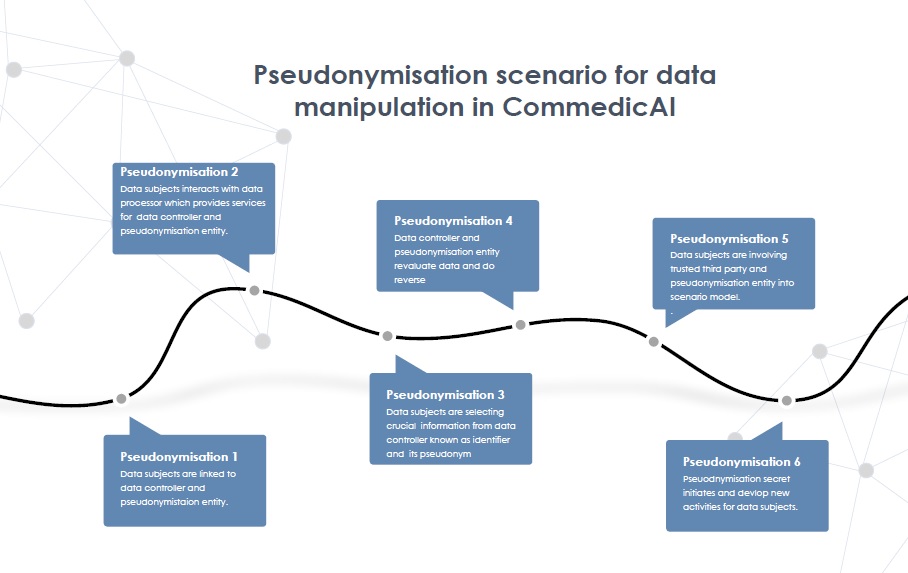
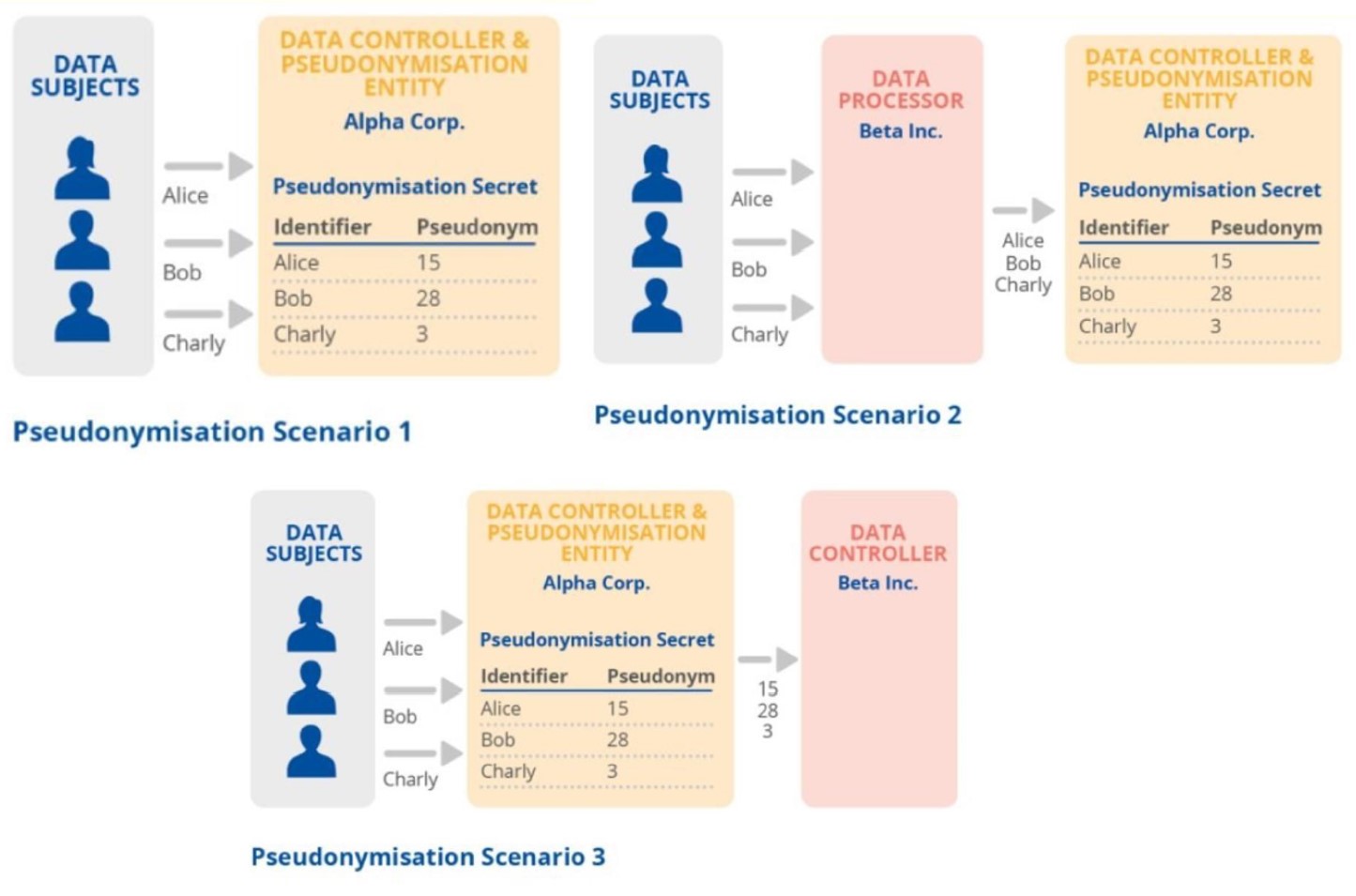
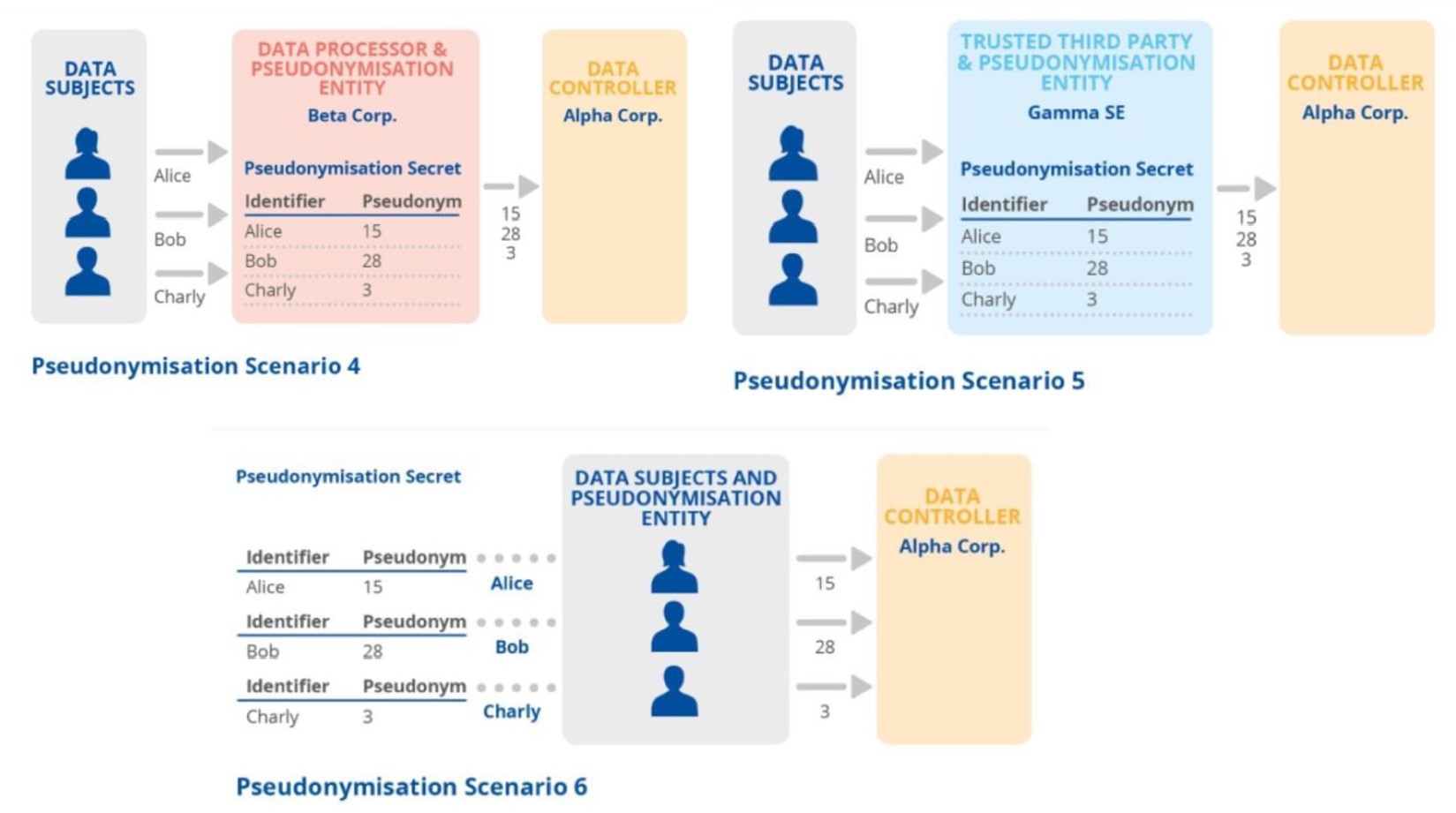
Pseudonymization is the main challenge we are dealing with, indeed it is the principal security that has to be guaranteed in order to run our simulator. Pseudonymization is a data management and de-identification procedure in which personally identifiable information within a data record is replaced by artificial identifiers called pseudonyms.  We have developed a Pseudonymisation scenario (from 1-6).

The key roles in this scenario are reducing the amount of data safeguards in the data processing information security built into the product (software functions) Pseudonymization Encryption (backup).

•  The basic scenario for data identification:

•  Counter (monotonous)

• Random Number Generator (RNG)

• Irreversible hash function

• Message authentification code (secret key)
• Symmetric encryption (pseudonymization & retrieval)

•  Service (SaaS)

• Including penetration testing Product

• d / s code analysis

• technical documentation of the product Process (QMS, PLM) Data reference model -
GDPR / HIPAA (Health Insurance Portability and Accountability Act).

We need to add a wrapper to this model as of now or UI who can build it for deployment.
Accomplishments that we're proud of
We are proud of having put all together our efforts to propose an innovative idea that can represent a real valuable improvement for many people. Indeed, our solution can really represent a kind of disruptive innovation in the clinical learning
approach, being able to provide incredible benefits either for doctors that can learn better and for patients that will received a more precise diagnosis. Moreover, we are proud of having designed a gateway between humans and technologies, that is a continuum passing of knowledge, able to release an impressive potential.
What we learned
We learned the incredible potentialities that AI algorithms are able to reveal. It is a technology that has been carrying fascinating and incredible improvements in our daily lifes. In the incoming years, this strengthening will be disruptive and revolutionary. Specifically, the potentialities within healthcare sector are infinitive and we think that our solution can be a very innovative idea that can bring numerous improvements, providing an enormous beneficial impact.
We identified six building blocks of digital transformation.
(1) Preoperative planning - Visual data mitigation with multi modal inputs. Less informative diagbnostics dana help us to create specific VR.
(2) Intraoperative guidance - In short time period detect environmental variance as a guidance for endoscoping navigationa and augemented reality
(3)Surgical robotics - Developing new models and knowledge based on localisation and mapping
(4) Supervised Learning - Accuracy, speed and privacy
(5) Semi supeervised Learning Real time precision, adataion to precision and high resolution
(6) Reinforcement Learning - Safety, robustness and full precision
What's next for AI for teaching
AI as a solution is covered and responded to by ISO 13485 for medical devices when applying practical solutions in regulatory demands and options in AI (no matter if it is a training or broader scope of regular activities). New EU IVD regulation will be mandatory in 2022, and it represents QMS applied specifically to medical devices.
AI is such a powerful tool that we anticipate the Commmedic(AI) simulator to open paths in Healthcare related industires. Simulators can, for example build a database for interested parties (i.e. insurance companies) to expand insurance policy and procedure while offering innovative types of services in future, such as:
• Insurance and reinsurance policies
• Hedging against fatal risks
• New GDPR procedures
• Cyber Security Act (in force from 2021-06-19)
• NIS Directive
• E-Health (Germany)
We recognize the problematic application of agile methods with this futuristic approach to applications of AI.
Simulators will increase the success of treatment methods and offer the best options for medical drugs and supplements on the market. We anticipate some AI consultancy for pharma stores. Software and hardware development will be the biggest challenges in this arena.
Built With
- deep-learning
- machine-learning
- neural-network
- python


Log in or sign up for Devpost to join the conversation.