Inspiration
With the rise of sophisticated cyberattacks, I realized traditional rule-based systems often fail to detect subtle or emerging threats. I wanted to explore how AI and machine learning could make web security smarter, adaptive, and more proactive.
What it does
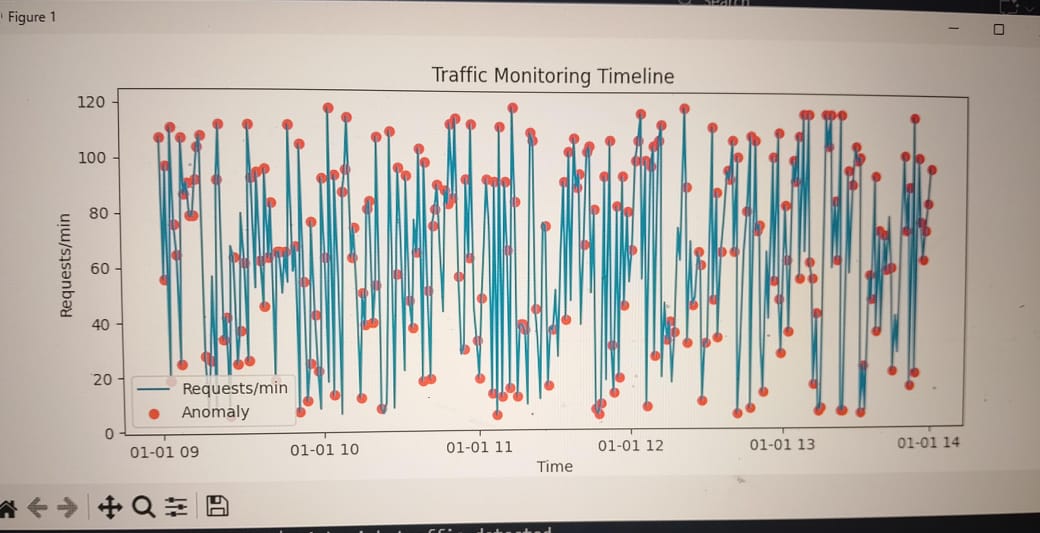
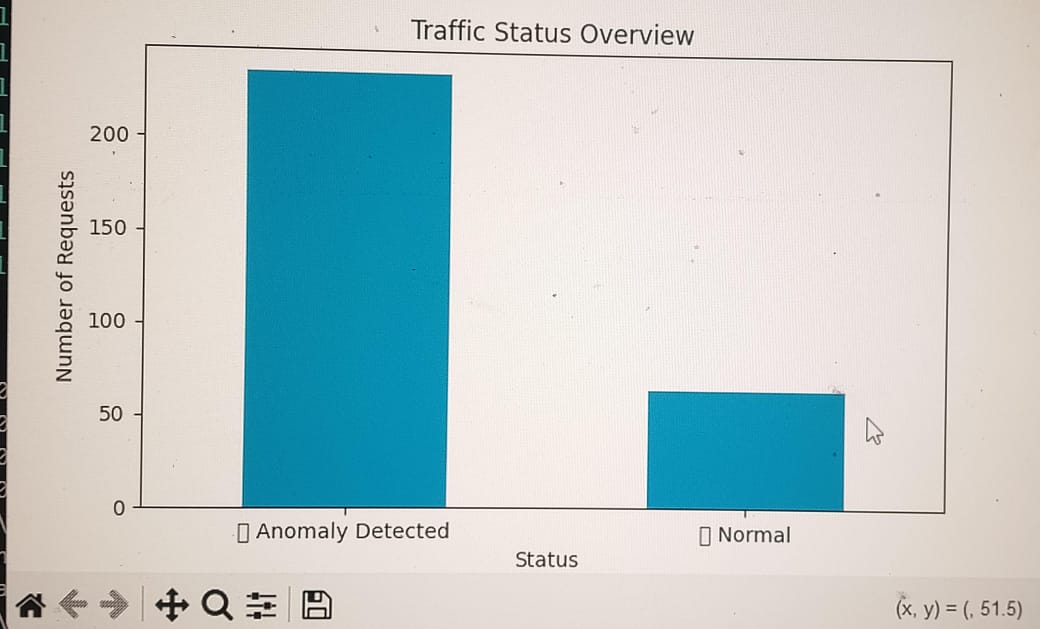
This project monitors and analyzes web traffic to detect anomalies and potential threats in real time. It identifies unusual patterns, such as DDoS attempts, SQL injections, or abnormal access behavior, and alerts administrators before these attacks can cause damage.
How we built it
We collected and preprocessed web traffic data, including IP addresses, request patterns, session duration, and packet sizes. Machine learning models—both supervised and unsupervised—were trained to distinguish normal behavior from anomalies. The system integrates real-time monitoring, detection algorithms, and alerting mechanisms to provide continuous protection.
Challenges we ran into
Reducing false positives while maintaining high detection accuracy was difficult. Integrating multiple ML models and tuning them to handle dynamic traffic patterns required careful experimentation and optimization.
Accomplishments that we're proud of
We successfully built an AI-driven system that adapts to changing traffic patterns, detects a variety of cyber threats, and provides actionable alerts in real time.
What we learned
We gained hands-on experience in AI for cybersecurity, real-time data processing, feature engineering, and model evaluation for anomaly detection.
What's next for AI for Secure Web Traffic Anomaly Detection
Future work includes integrating the system with enterprise-level IDS/IPS, improving detection for zero-day attacks, and deploying the model in cloud environments for scalable protection.

Log in or sign up for Devpost to join the conversation.