Inspiration
The increasing need for advanced security measures in high-risk environments such as police stations and prisons inspired us to develop an AI system for intelligent camera decision-making. Traditional surveillance systems often fall short in dynamically adapting to complex scenarios, leading to delayed responses and security breaches. Our goal is to leverage AI technologies to enhance real-time monitoring, threat detection, and response mechanisms, ensuring a safer environment for both law enforcement personnel and inmates.
What it does
Our AI-enabled surveillance system autonomously identifies threats, tracks objects, and optimizes security responses in dynamic settings. It includes:
- Facial Recognition and Behavior Analysis: Monitors activities in police stations and jails, tracking personnel, visitors, and detainees.
- Prisoner Movement Monitoring: Detects eye contact, tracks movements, and analyzes communication patterns among prisoners to identify suspicious behavior.
- Cybersecurity Threat Detection: Identifies unauthorized IP addresses and potential cybersecurity threats within the police station premises.
- Real-Time Threat Detection: Uses advanced AI to detect metal objects and assess threats, sending alerts to police personnel for timely and peaceful interventions.
- Centralized AI System: Integrates multiple cameras with advanced algorithms for person recognition, gesture analysis, and anomaly detection, ensuring privacy compliance.
How we built it
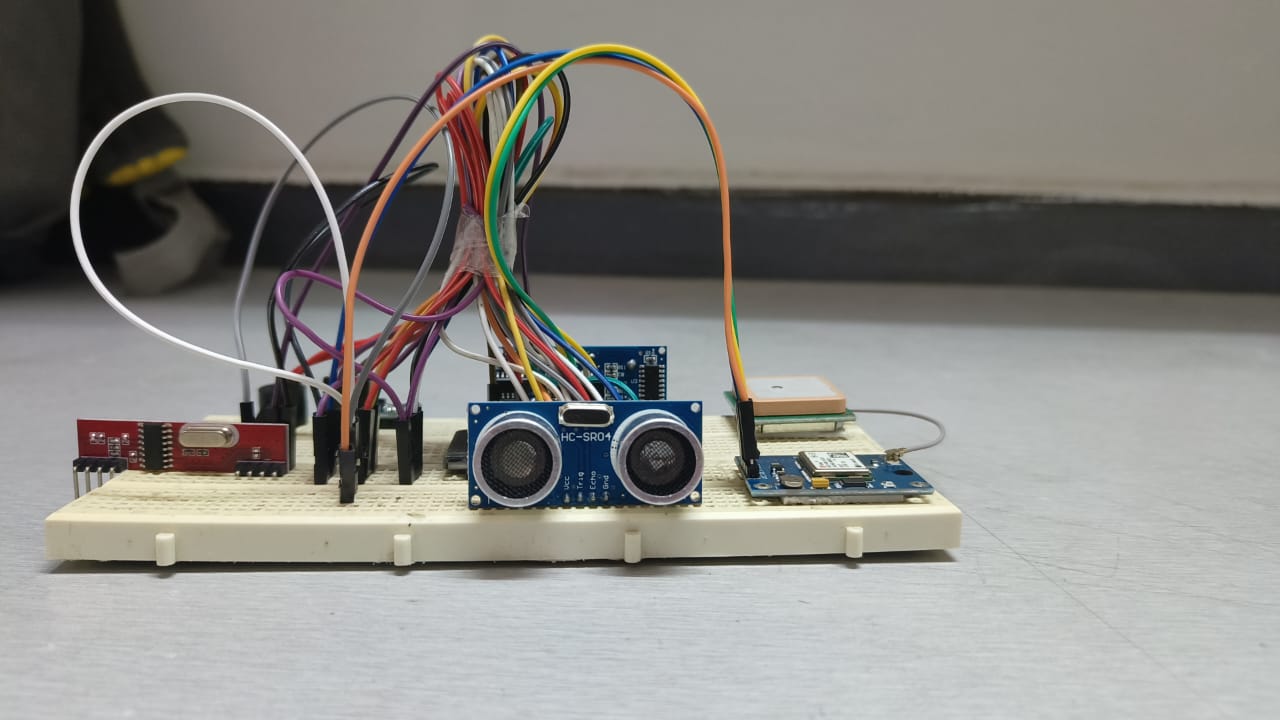
- Hardware Integration: We used high-resolution cameras and depth sensors to capture detailed visual data.
- AI Algorithms: Developed facial recognition, behavior analysis, and object detection algorithms using machine learning techniques.
- Data Processing: Implemented real-time image processing to analyze and respond to security threats dynamically.
- Networking: Set up a secure network for data transmission between cameras and the central AI system.
- Alerts and Notifications: Designed a system for sending real-time alerts to police personnel without causing unnecessary alarm.
Challenges we ran into
- Accuracy in Complex Environments: Ensuring high accuracy of facial recognition and behavior analysis in crowded and dynamic settings was challenging.
- Data Privacy: Balancing robust surveillance with privacy compliance required careful consideration of data handling and storage practices.
- Real-Time Processing: Developing a system capable of processing large volumes of data in real time posed significant technical hurdles.
- Integration: Integrating various hardware components and software algorithms into a seamless system required extensive testing and fine-tuning.
Accomplishments that we're proud of
- High Detection Accuracy: Achieved high accuracy rates in facial recognition and behavior analysis.
- Real-Time Threat Detection: Successfully implemented a real-time threat detection system that provides timely alerts.
- Privacy Compliance: Developed a surveillance system that ensures data privacy and security.
- Seamless Integration: Created an integrated system that works smoothly across various hardware and software components.
What we learned
- Importance of Data Quality: High-quality data is crucial for the accuracy of AI algorithms.
- Balancing Security and Privacy: It's possible to enhance security measures while maintaining privacy compliance.
- Scalability Challenges: Developing a scalable system requires careful planning and resource management.
- Interdisciplinary Collaboration: Successful implementation of such a project requires collaboration across various fields including AI, cybersecurity, and hardware engineering.
What's next for AI for intelligent camera decision making
- Enhanced Analytics: Incorporate more advanced analytics to predict potential security threats before they occur.
- Broader Deployment: Expand the deployment of the system to other high-security environments such as airports and military bases.
- Continuous Improvement: Use feedback and data from real-world deployments to continuously improve the system’s accuracy and efficiency.
- User Training: Develop training programs for law enforcement personnel to effectively use and manage the AI system.
- Public Awareness: Educate the public about the benefits and privacy measures associated with AI-enabled surveillance systems to foster trust and acceptance.

Log in or sign up for Devpost to join the conversation.