-
-
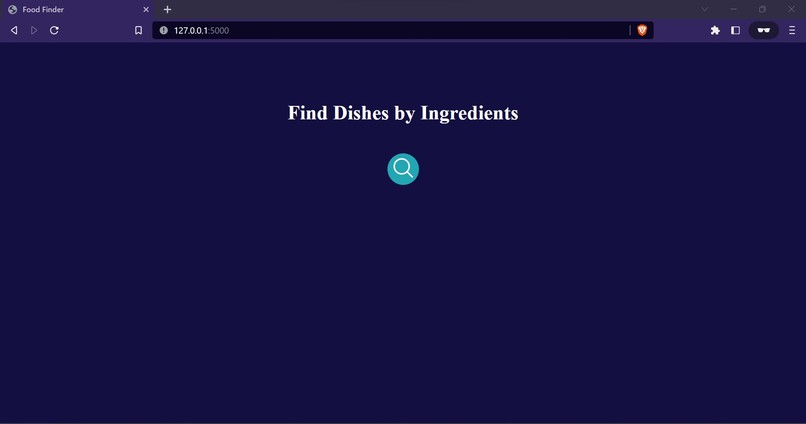
Landing Page (Frontpage)
-
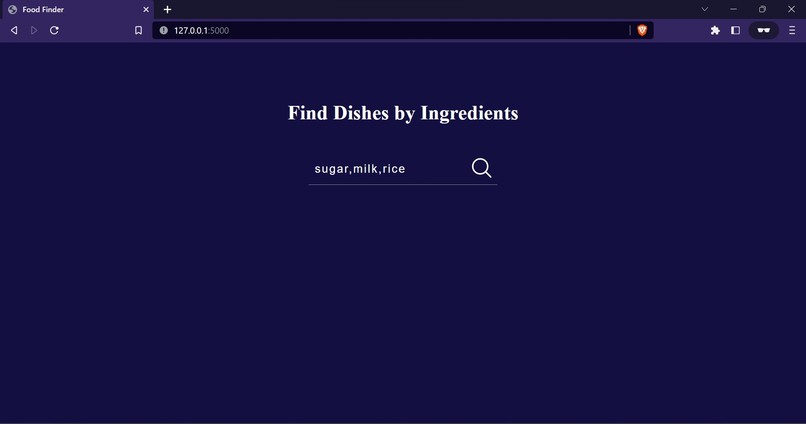
Input
-
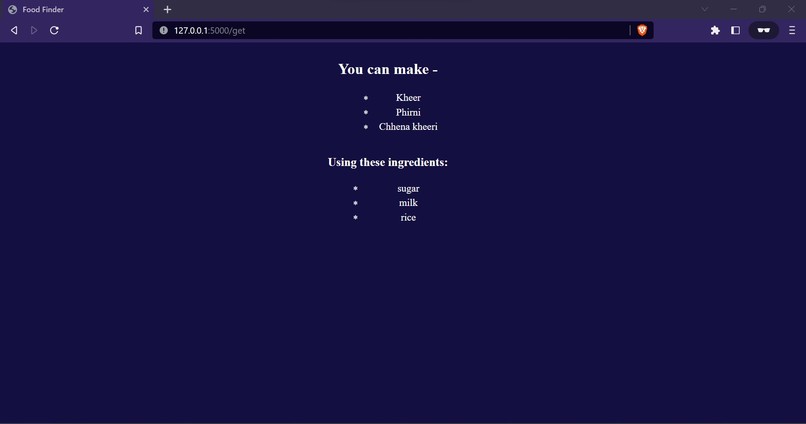
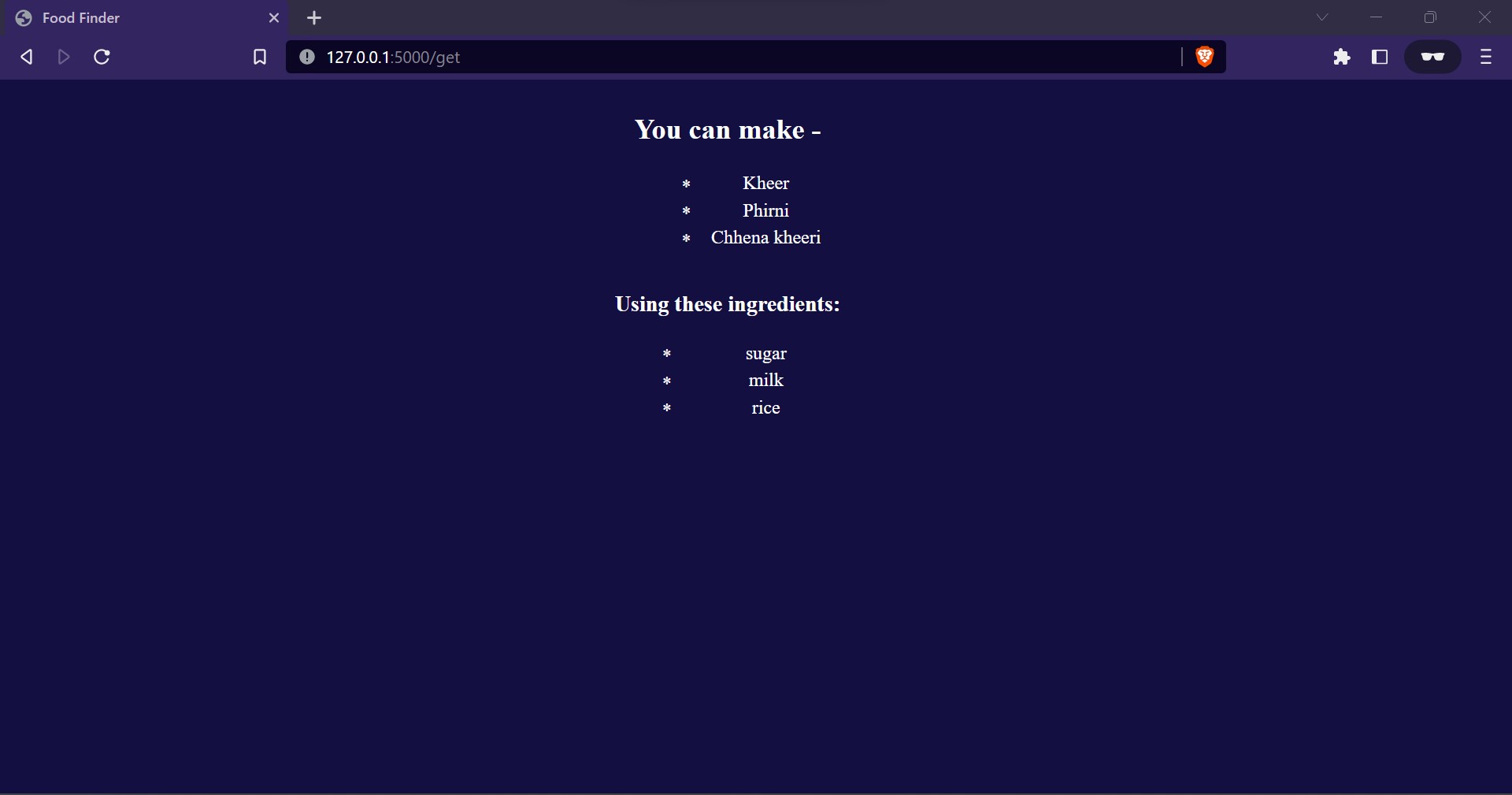
Output

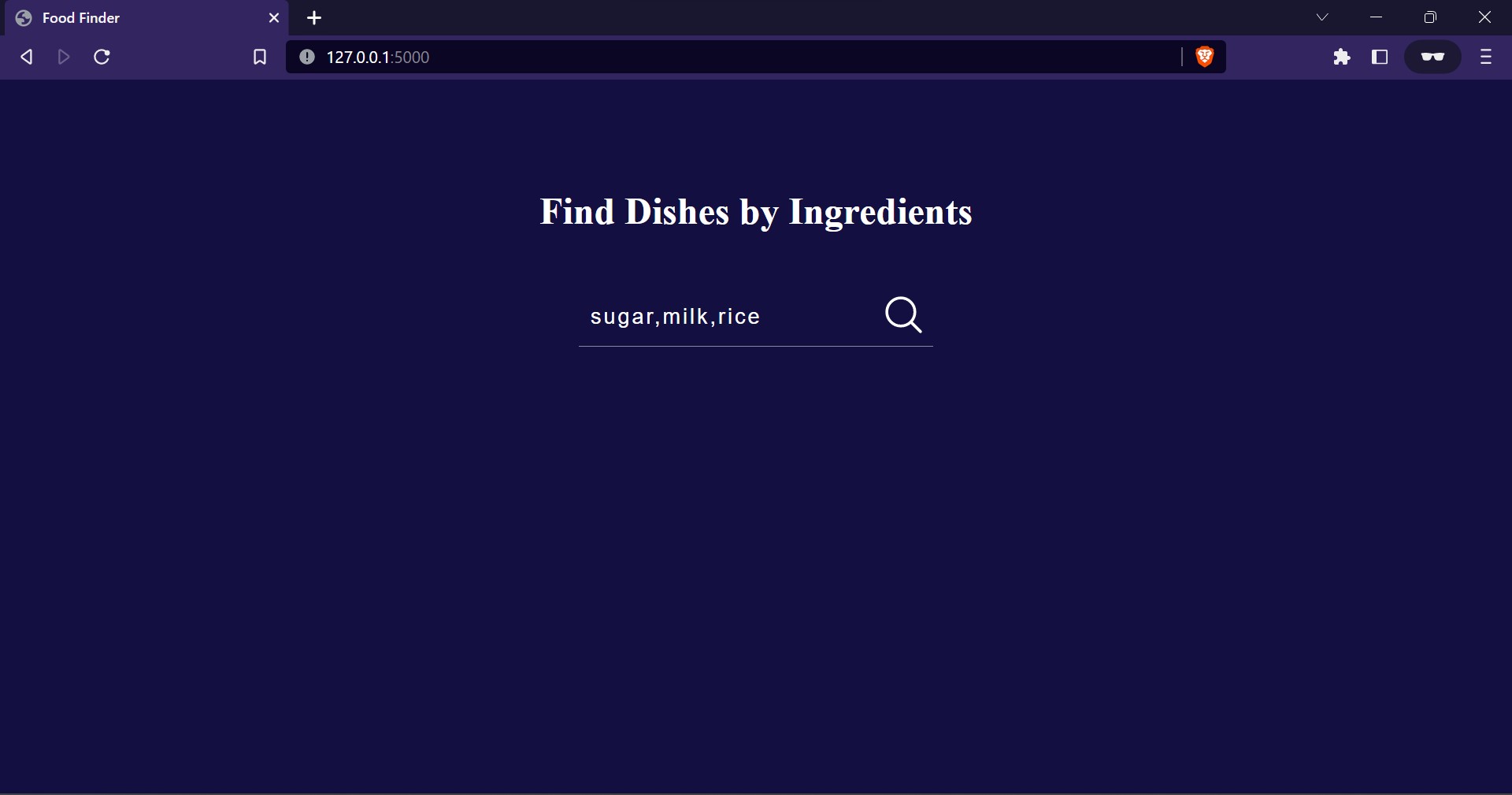
Inspiration
The idea for this AI project came from a personal experience. I was always struggling with what to cook for dinner, especially when I had a limited number of ingredients at hand. Many people often struggle with what to cook with the ingredients they have at hand, and this AI project aims to make that process easier by suggesting dishes based on the ingredients provided.
What it does
The AI system takes a list of ingredients as input and generates a list of possible dishes that can be made using those ingredients. The system uses natural language processing and machine learning techniques to analyze the ingredients and provide relevant suggestions based on the ingredients' properties and the dishes they are typically used in. The output is a list of dishes.
How we built it
To build this AI we followed the simple key steps:
- Data Collection: We collected a large dataset of food dishes and their ingredients from various sources.
- Data Preprocessing: We cleaned and preprocessed the dataset by removing irrelevant information and standardizing ingredient names. factors.
- Natural Language Processing (NLP): We used NLP techniques such as tokenization, stemming, and entity recognition to extract useful information from the ingredient list.
- Machine Learning: We trained a machine learning model (e.g., a classification or clustering algorithm) on the pre-processed data to predict the dishes that could be made using a given set of ingredients.
- Deployment: We implemented Flask in with our AI model so that it takes ingredient lists as input and provides a list of relevant dishes as output in a webapp.
- Improving Accuracy: To improve the accuracy and usefulness of the application, we considered incorporating user feedback and reviews, using more sophisticated machine learning algorithms, and leveraging external sources of information such as nutritional data and ingredient substitutions.
Challenges we ran into
One of the main challenges I faced when developing this AI system was finding a suitable dataset that contained a wide variety of dishes and ingredients. I also had to design an algorithm that could accurately identify the different properties of the ingredients and suggest dishes that would complement those properties. Another challenge was developing a user-friendly interface that allowed users to input their ingredients easily and receive relevant suggestions.
Accomplishments that we're proud of
One of the main accomplishments of this project was successfully developing an algorithm that could accurately analyze the different properties of the ingredients and suggest relevant dishes. Another accomplishment was developing a user-friendly interface that allowed users to easily input their ingredients and receive relevant suggestions. Finally, I'm proud of developing a system that can potentially help people who may have limited cooking experience or dietary restrictions by suggesting dishes that fit their needs.
What we learned
- Data is crucial
- Natural Language Processing is complex
- User experience is critical
- Continuous improvement is key
- Teamwork
What's next for Food Finder
In the future, We plan to expand the dataset to include more dishes and ingredients from different cuisines around the world. we also plan to incorporate user feedback to improve the accuracy of the algorithm and provide more personalized suggestions based on the user's preferences. Additionally, we would like to explore the possibility of integrating this system with other cooking platforms and recipe databases to provide users with more detailed instructions on how to prepare the suggested dishes.


Log in or sign up for Devpost to join the conversation.