Inspiration
We noticed that most people who start working out quit within weeks — not from lack of motivation, but because they have no idea if they're doing the exercise right. Personal trainers cost up to $50 a session, putting real coaching out of reach for most people, and free alternatives like YouTube videos never actually watch your form. We wanted to build something that gives everyone access to real-time, expert-level feedback — using nothing but the phone already in their pocket.
What it does
AI Fitness Trainer turns any smartphone into a personal trainer. Using the phone's camera, it tracks the user's body in real time — joints, angles, and movement — and overlays augmented reality guidance directly on screen to show exactly how to correct their form. The moment a user adjusts their technique, the app confirms it instantly with a "Perfect form" cue, giving them the kind of live, judgment-free feedback that used to require a $50/session trainer.
How we built it
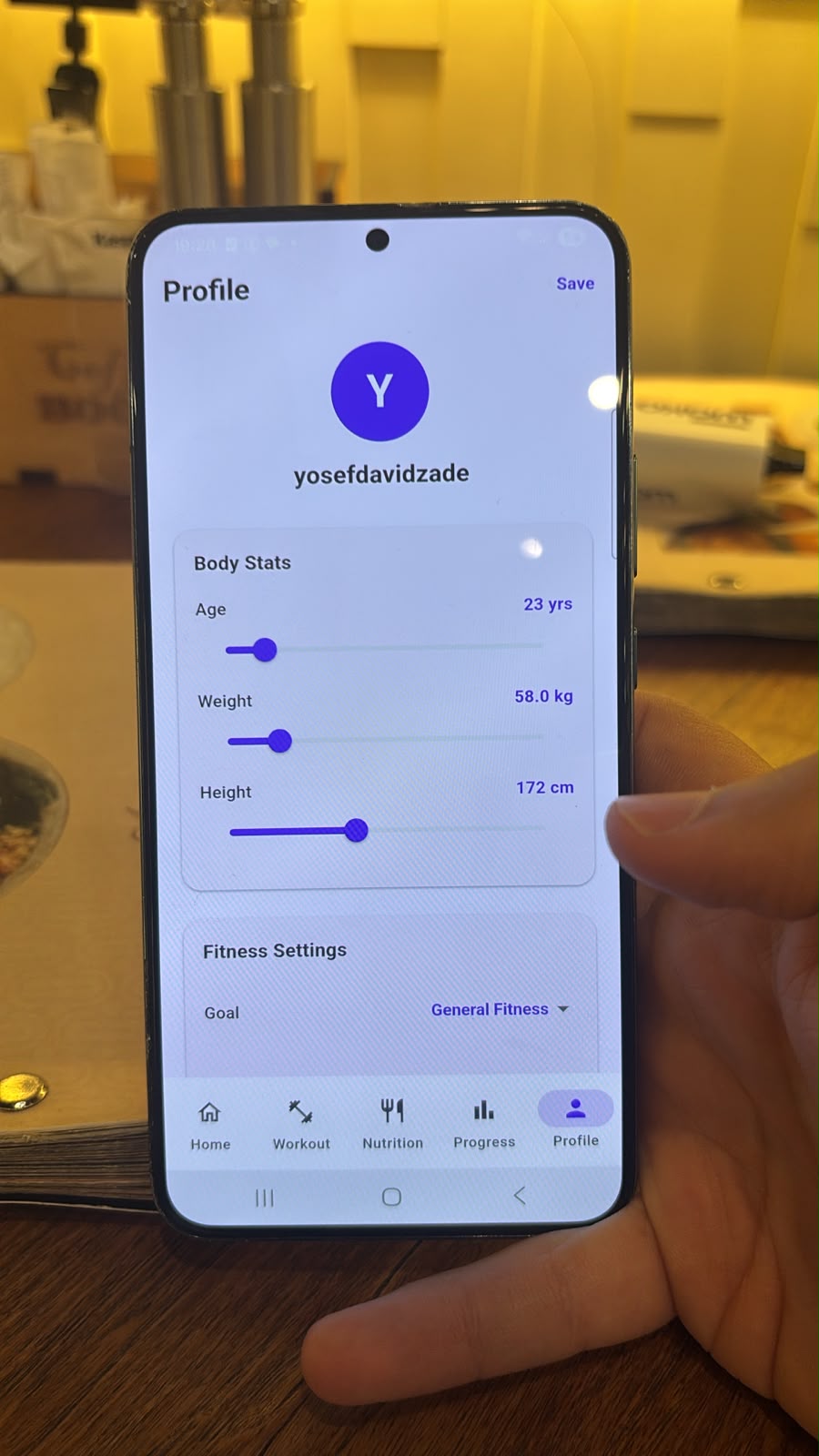
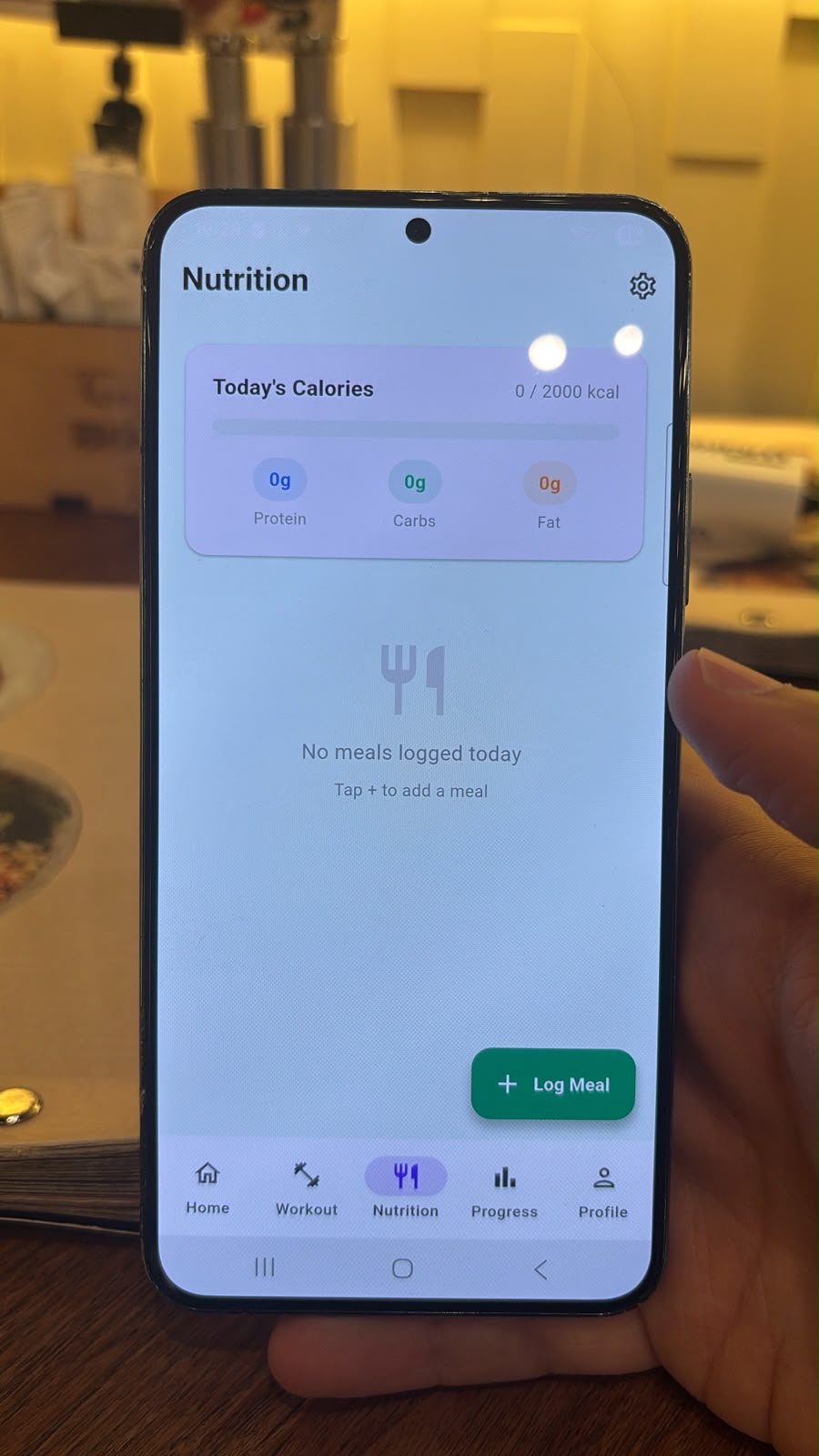
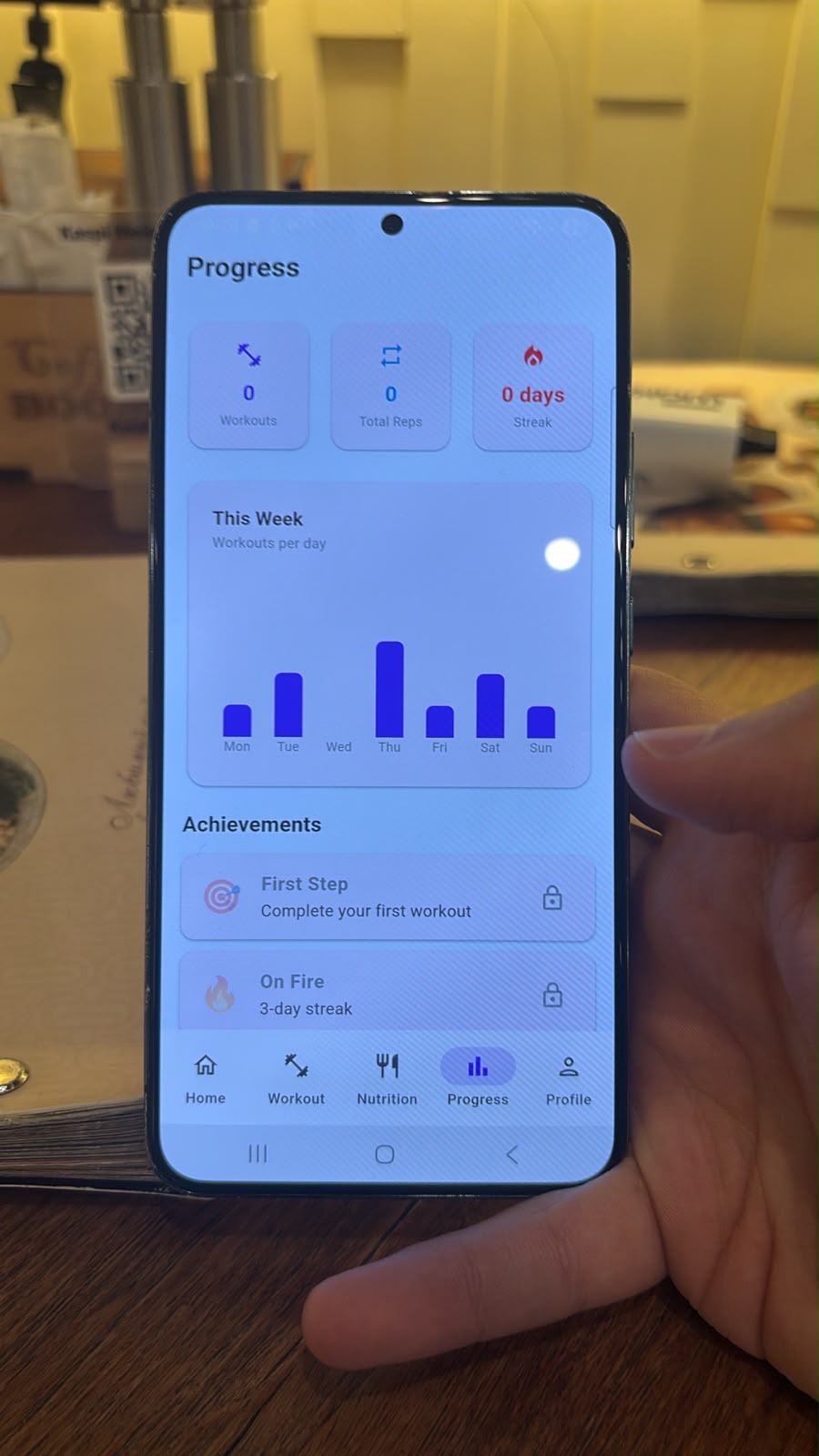
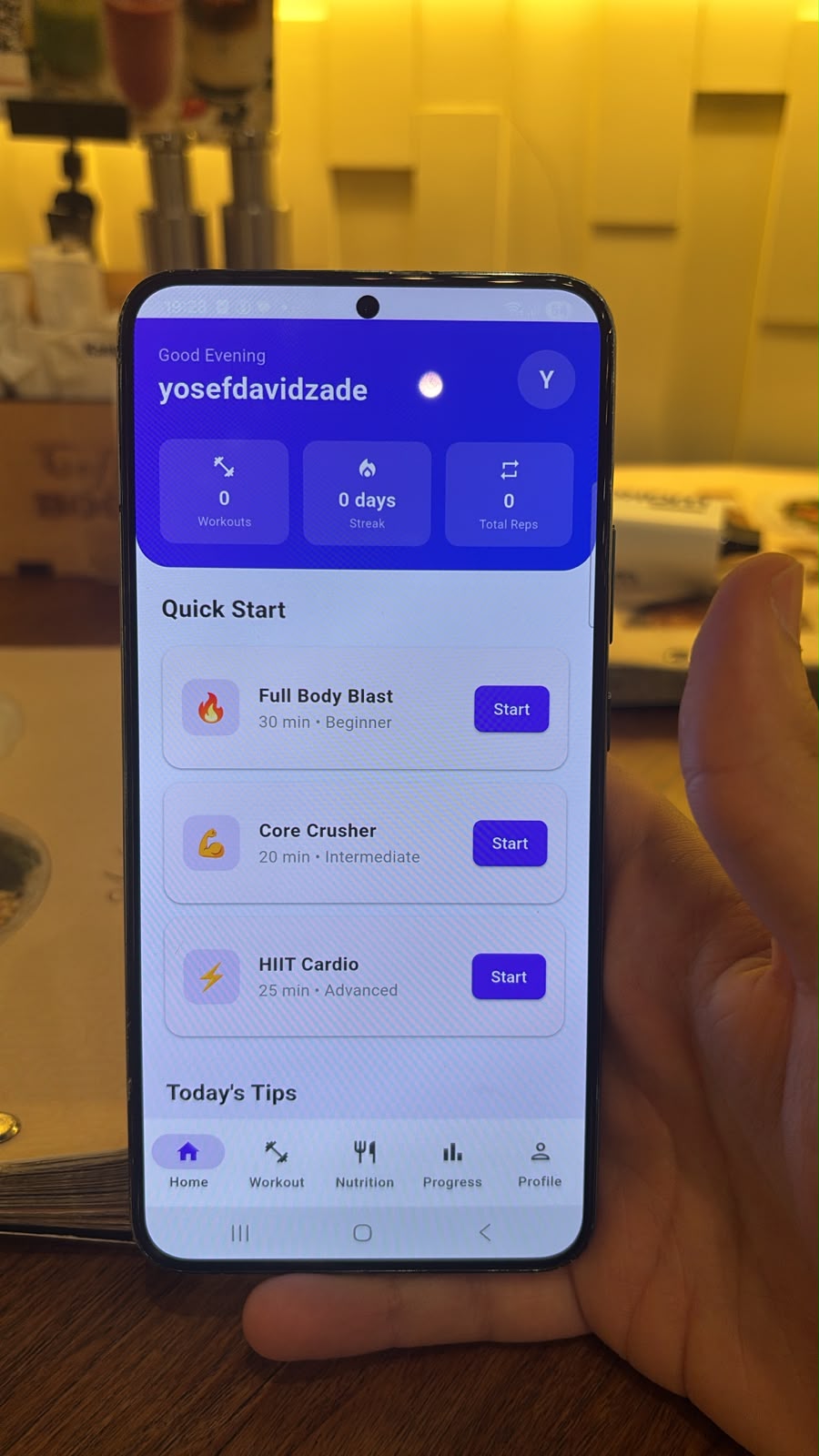
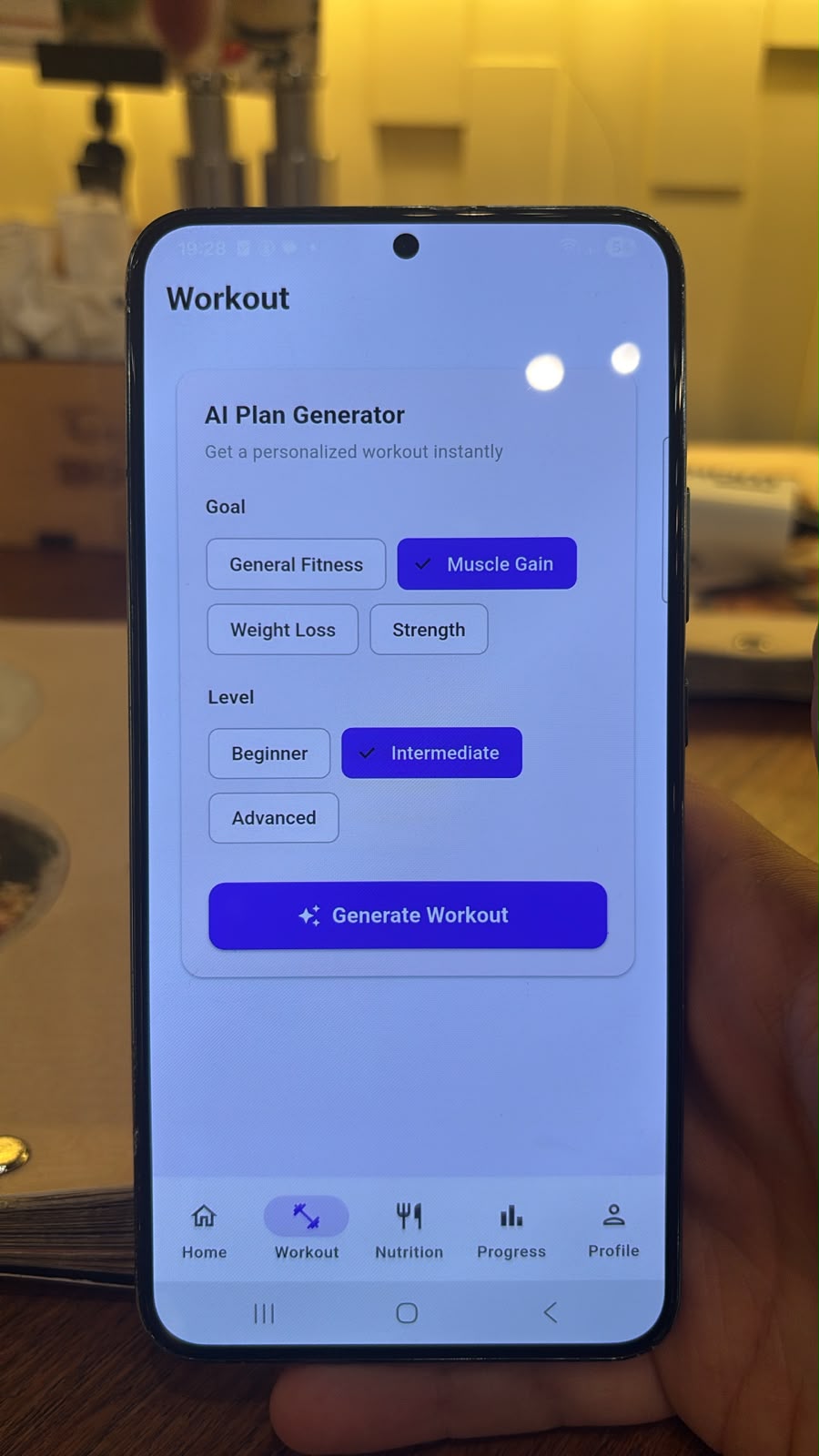
We combined computer vision and machine learning to detect and track key body joints from live camera input, then built a layer of AR overlays that render corrective guidance (target angles, alignment cues) directly on top of the user's movement. On top of that, we built the mobile app experience — rep tracking, feedback prompts, and progress logging — and designed a subscription model to make it sustainable as a product, not just a demo.
Challenges we ran into
Getting pose-tracking to feel instant rather than laggy was the hardest technical problem — for feedback to be trustworthy, it has to arrive the moment the mistake happens, not a second later. We also had to balance how much correction to show at once: too little and users don't know what's wrong, too much and the AR overlay becomes distracting instead of helpful. Tuning the model to reliably read different exercises, camera angles, and body types under real lighting conditions also took real iteration.
Accomplishments that we're proud of
We're proud that we built a working live demo — not a mockup — where the AI genuinely detects joint angles and switches from a correction to "Perfect form" in real time as someone moves. We're also proud of turning a technical prototype into an actual business case, with a clear pricing model, a path to B2B partnerships with gyms and corporate wellness programs, and a believable path to revenue.
What we learned
We learned how much harder real-time, on-device feedback is than "offline" pose estimation — accuracy, latency, and user trust all have to be solved together, not separately. We also learned a lot about translating a technical capability into a product people would actually pay for, and about how much clearer a pitch becomes once you can show, not just tell, that it works.
What's next for Ai fit
Next, we want to expand the exercise library beyond squats and lunges to a full range of strength and mobility movements, and start piloting with gyms and corporate wellness programs to validate the B2B channel. Longer term, we're excited about the unique biomechanics dataset this creates — which could power personalized injury-prevention insights and new monetization paths beyond the core subscription.

Log in or sign up for Devpost to join the conversation.