
About AI Financial Copilot
Managing money is not just about knowing how much you earn or spend. The real challenge is understanding where your money goes, why your expenses increase, and how you can save better.
This was the problem that inspired us to build AI Financial Copilot.
We wanted to create something more useful than a traditional expense tracker. Instead of simply showing transactions and charts, we wanted an application that could help people understand their financial habits and make better everyday decisions.
What does it do?
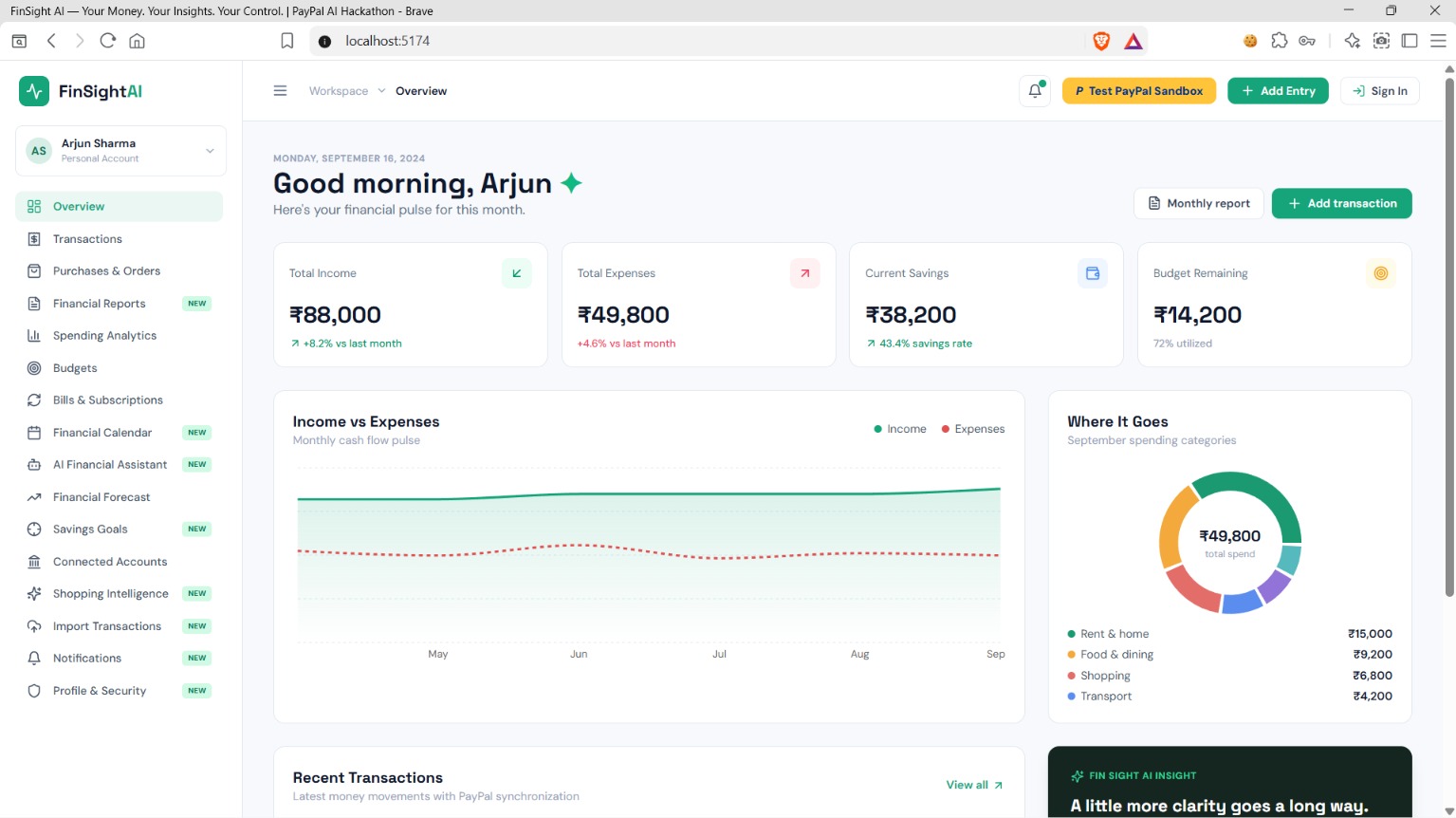
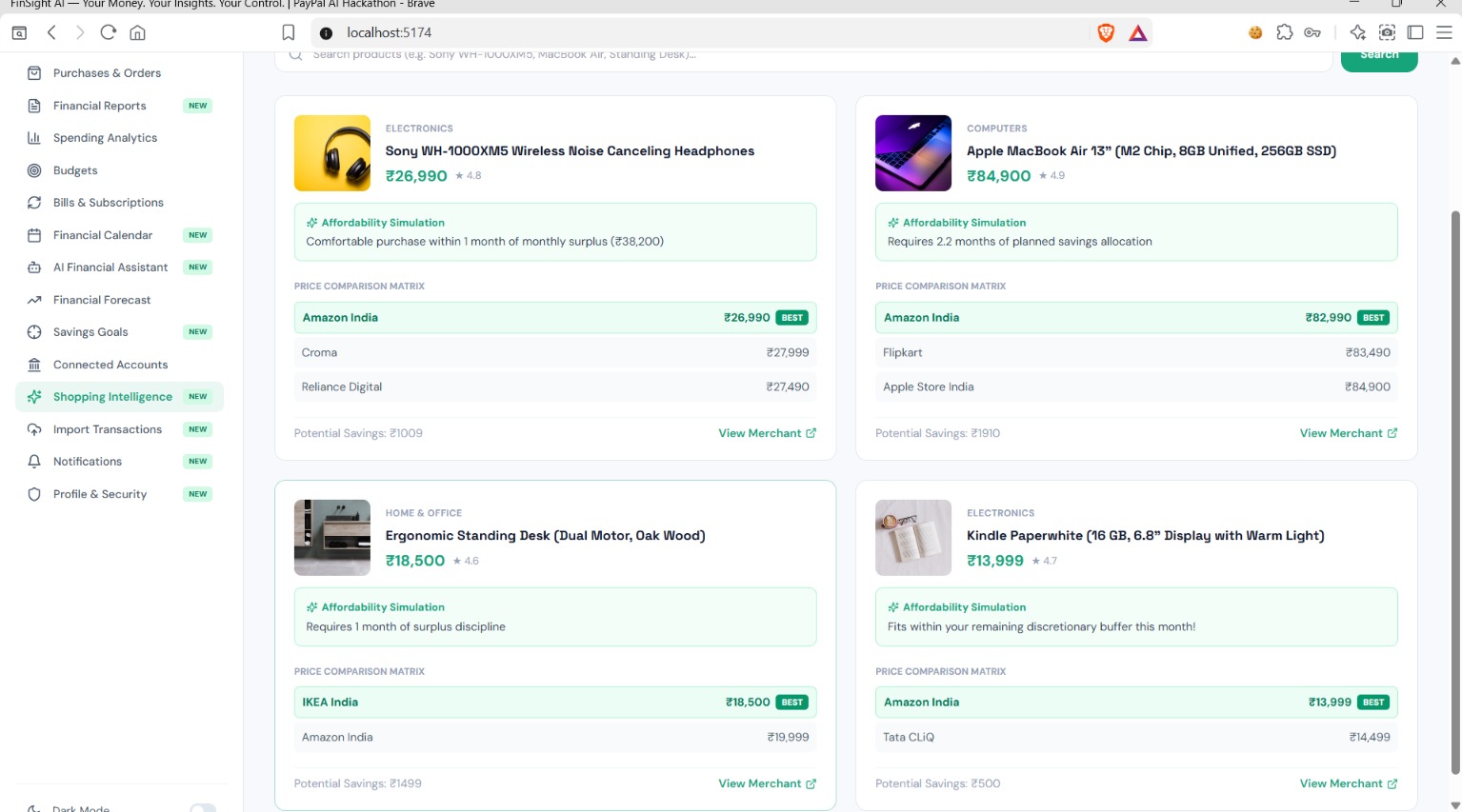
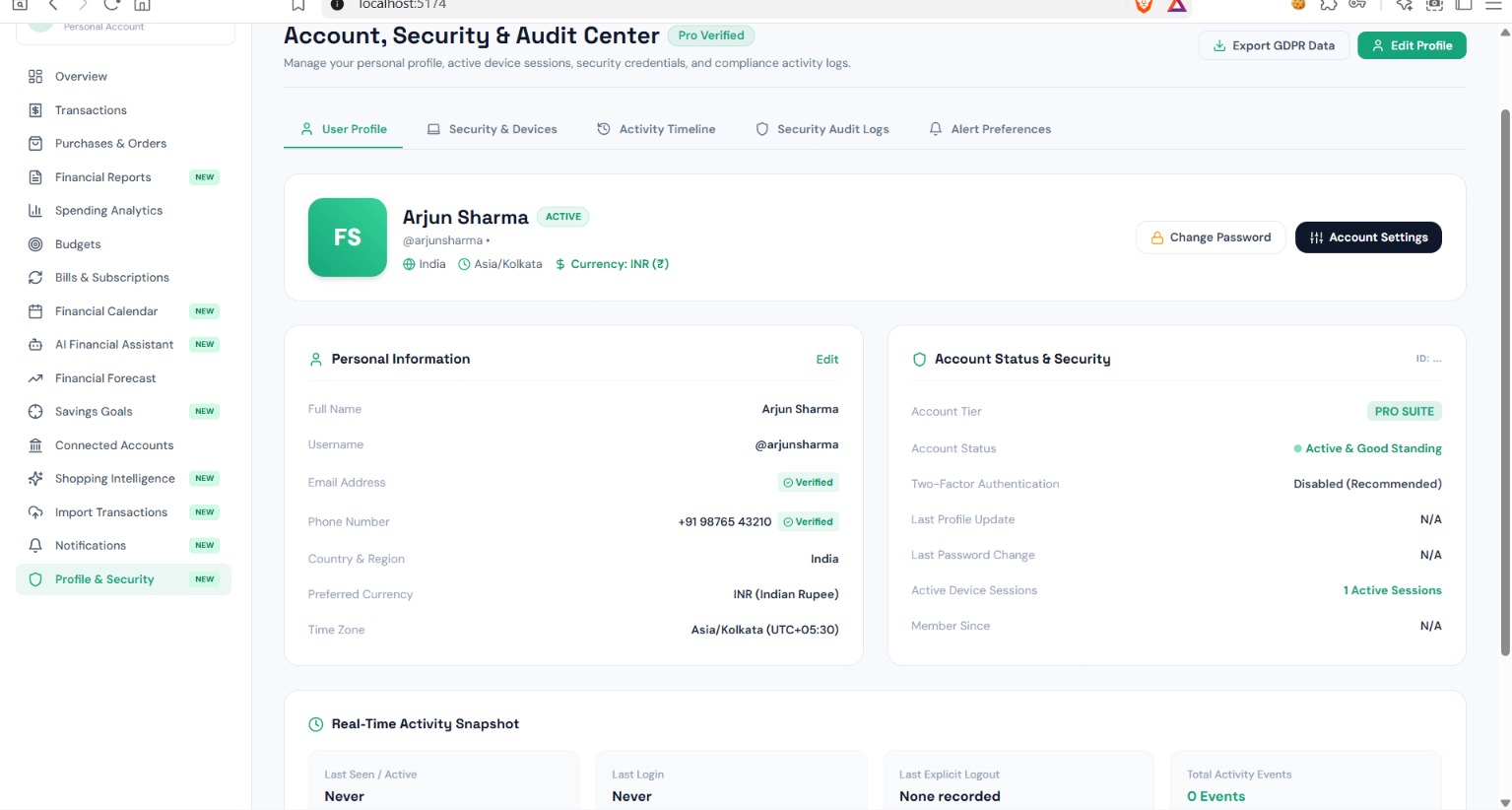
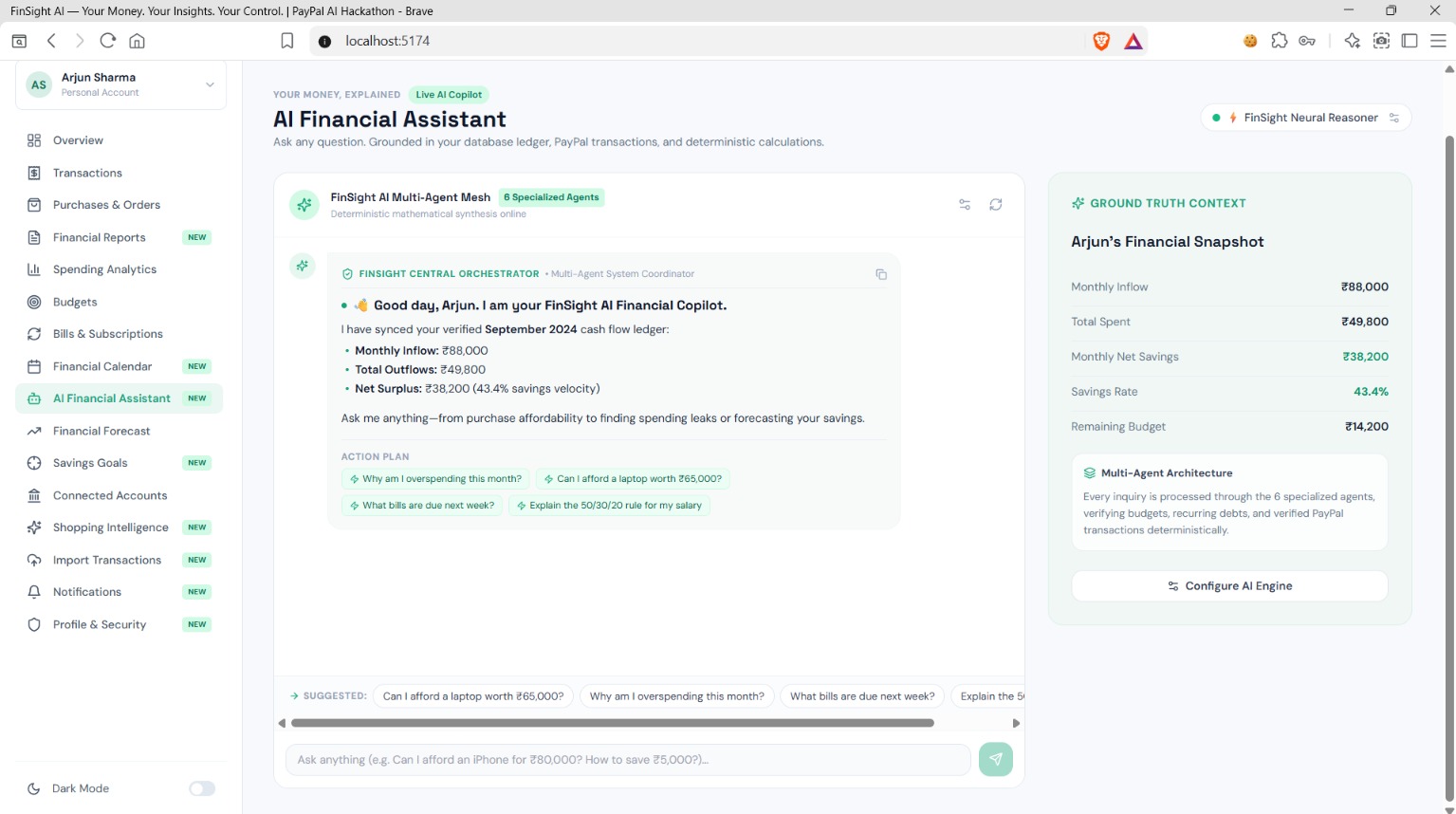
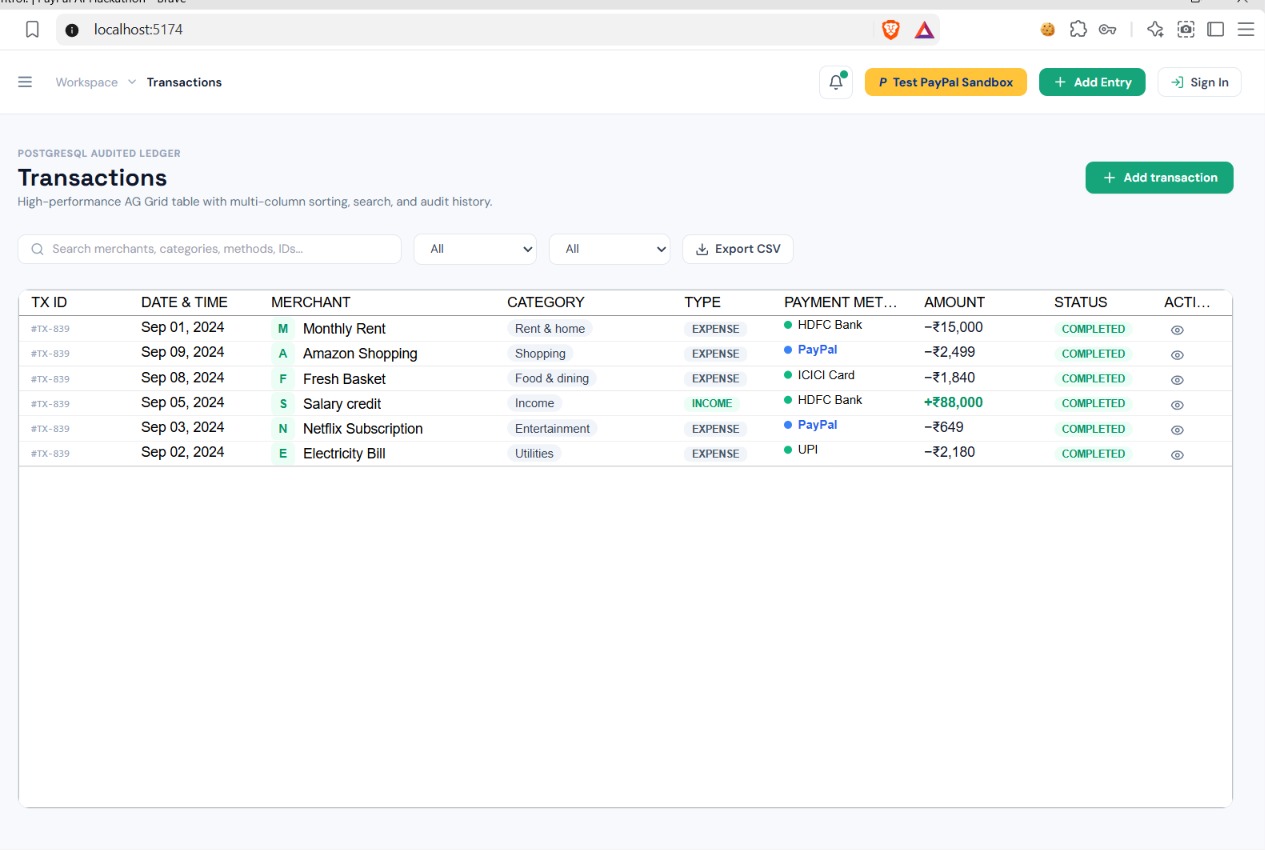
AI Financial Copilot is an AI-powered personal finance application that brings transaction tracking, budgeting, financial analytics, and an AI assistant together in one place.
The key capabilities include:
- Smart Expense Tracking: Organize income and expenses with transaction categorization.
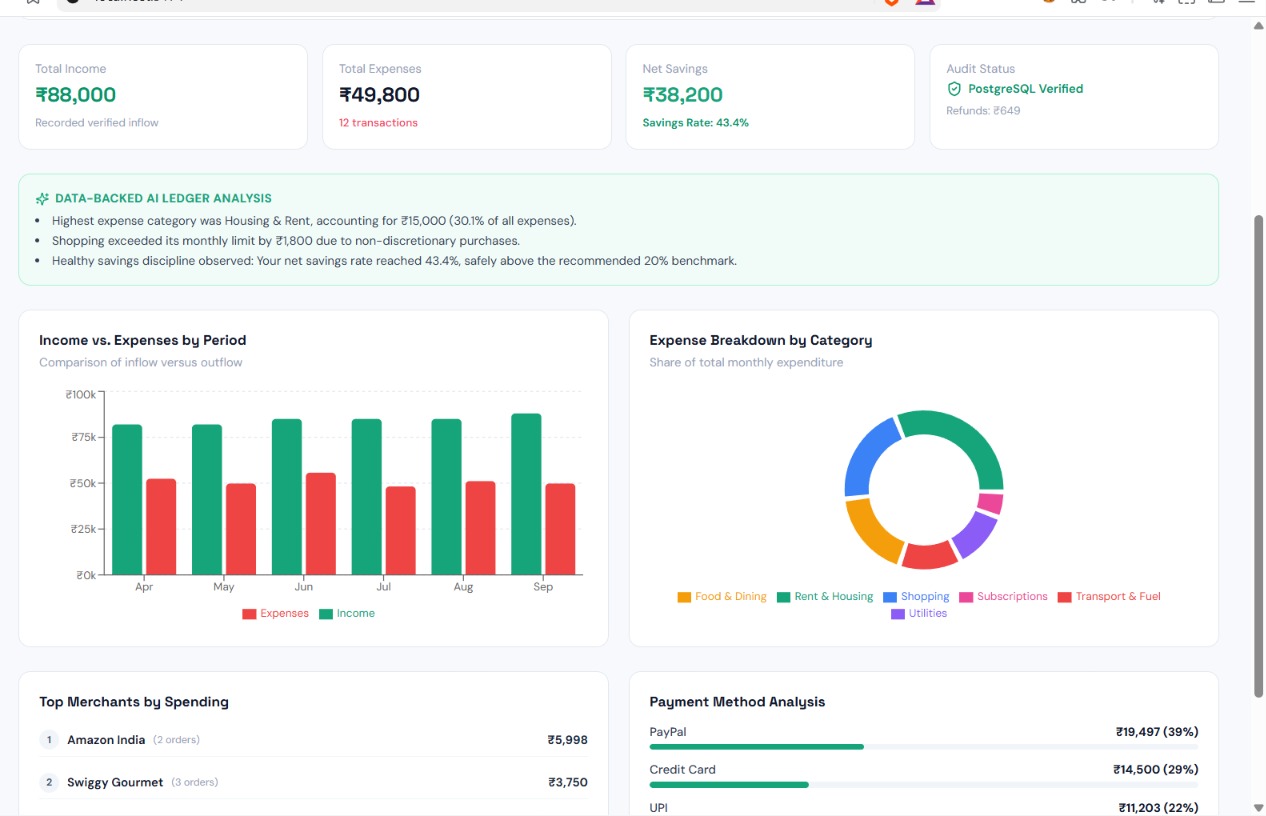
- Financial Dashboard: Understand spending patterns through charts, summaries, and monthly comparisons.
- AI Financial Assistant: Ask questions about your spending in natural language and receive personalized explanations based on financial data.
- Budget Planning: Set spending limits and monitor budget utilization.
- Savings Simulator: Explore how reducing expenses in different categories could impact your monthly and yearly savings.
- Recurring Payment Detection: Identify potentially recurring expenses and keep track of upcoming payments.
- PayPal Integration: Support a PayPal Sandbox checkout workflow with user-approved payments.
How we built it
We developed the project as a full-stack web application using technologies we wanted to explore and apply in a practical scenario.
Our technology stack includes:
- Frontend: React.js, JavaScript, Vite and Tailwind CSS.
- Backend: Node.js and Express.js.
- Database: PostgreSQL with Prisma ORM.
- AI: LLM API integration with function calling.
- Payments: PayPal REST APIs and PayPal JavaScript SDK.
- Version Control: Git and GitHub.
One important architectural decision was to keep financial calculations in the backend rather than relying on the AI model to calculate everything.
For example, when a user asks why their spending has increased, the backend retrieves and calculates the actual financial figures. The AI then uses those results to explain the changes in simple language.
This helps keep financial answers grounded in actual records rather than generated assumptions.
We also designed the backend as a modular monolith, keeping authentication, transactions, analytics, AI, and payment integrations in separate modules.
Challenges we faced
Building this project came with several interesting challenges.
1. Making AI responses reliable
A financial application cannot afford to invent transaction amounts or balances. We had to think carefully about how the AI should access financial information and how actual calculations should remain separate from AI-generated explanations.
2. Integrating frontend and backend
Working with different parts of the application in parallel required coordination around API contracts, database structures, and shared data formats. Integrating everyone's work and resolving conflicting changes also taught us the importance of proper Git workflows and code reviews.
3. Handling payment integration
PayPal integration involved understanding authentication, order creation, payment approval, and capture workflows. We also had to distinguish between Sandbox checkout and transaction reporting capabilities.
4. Handling financial data correctly
Working with money introduced important considerations around currency, decimal precision, transaction status, and data consistency. We learned that even a small mistake in financial calculations can lead to misleading results.
What we learned
This project helped us understand that building an AI-powered application involves much more than connecting an API to a chatbot.
We gained practical experience with full-stack development, REST API integration, database design, third-party payment services, AI function calling, and collaborative Git workflows.
Most importantly, we learned that AI is most useful when it works with reliable data and meaningful business logic instead of trying to replace them.
What's next?
We want to continue improving the application, strengthening the integration between its modules, testing real user workflows, and making the overall experience more reliable.
Our goal is simple:
Don't just track your money. Understand it, optimize it, and make better financial decisions.
Built With
- ai
- express.js
- github
- javascript
- llm
- node.js
- paypal
- postgresql
- prisma
- react
- restapi
- tailwindcss


