Inspiration
The inspiration for the AI Farm Water Management System came from seeing how farmers in drought‑prone regions struggle to balance water scarcity with the need to keep crops healthy. Advances in sensors and machine learning made it possible to create a smart system that uses data to make irrigation efficient. I wanted to build something that would conserve water, reduce costs, and support sustainable agriculture.
What it does
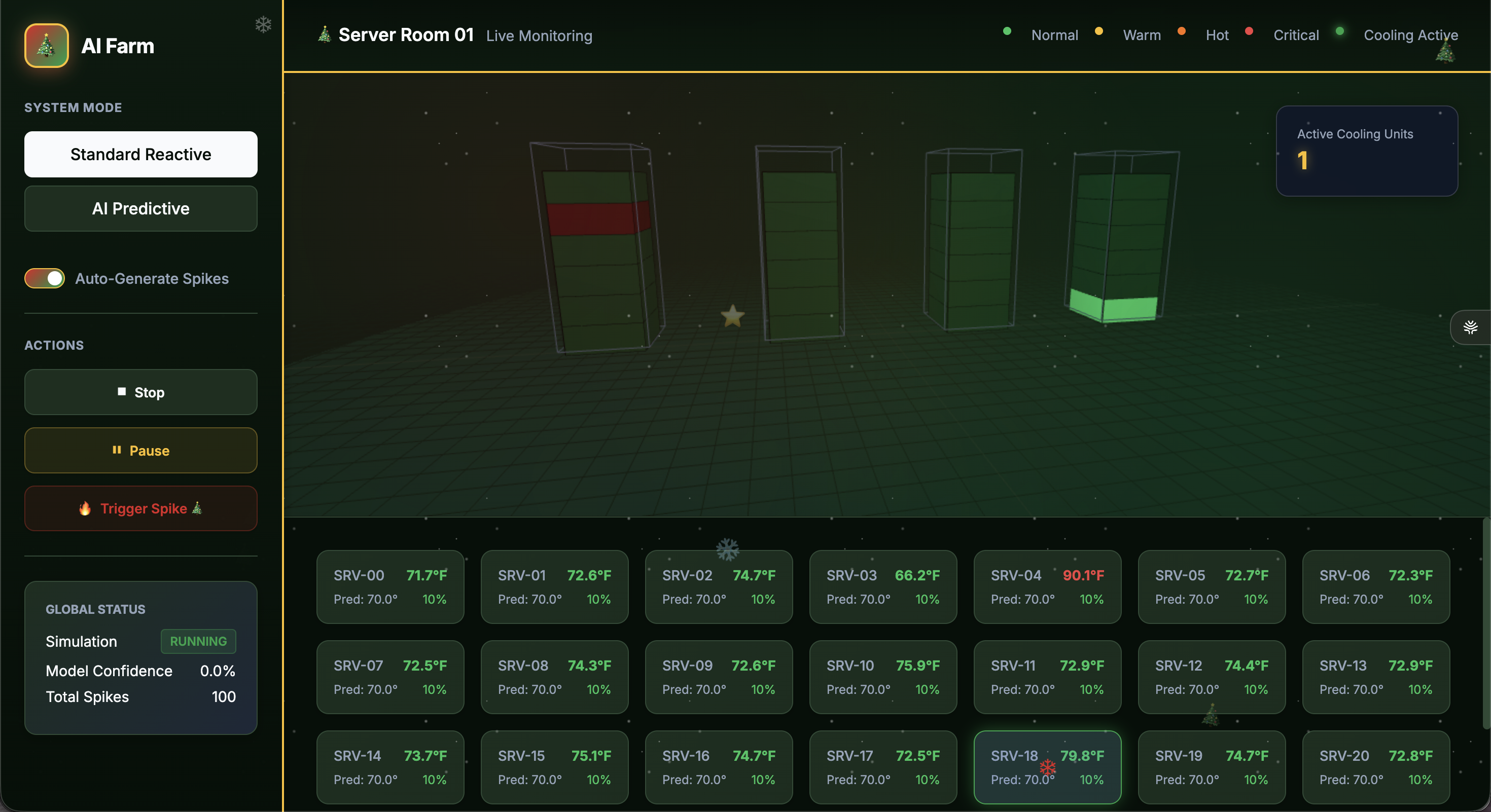
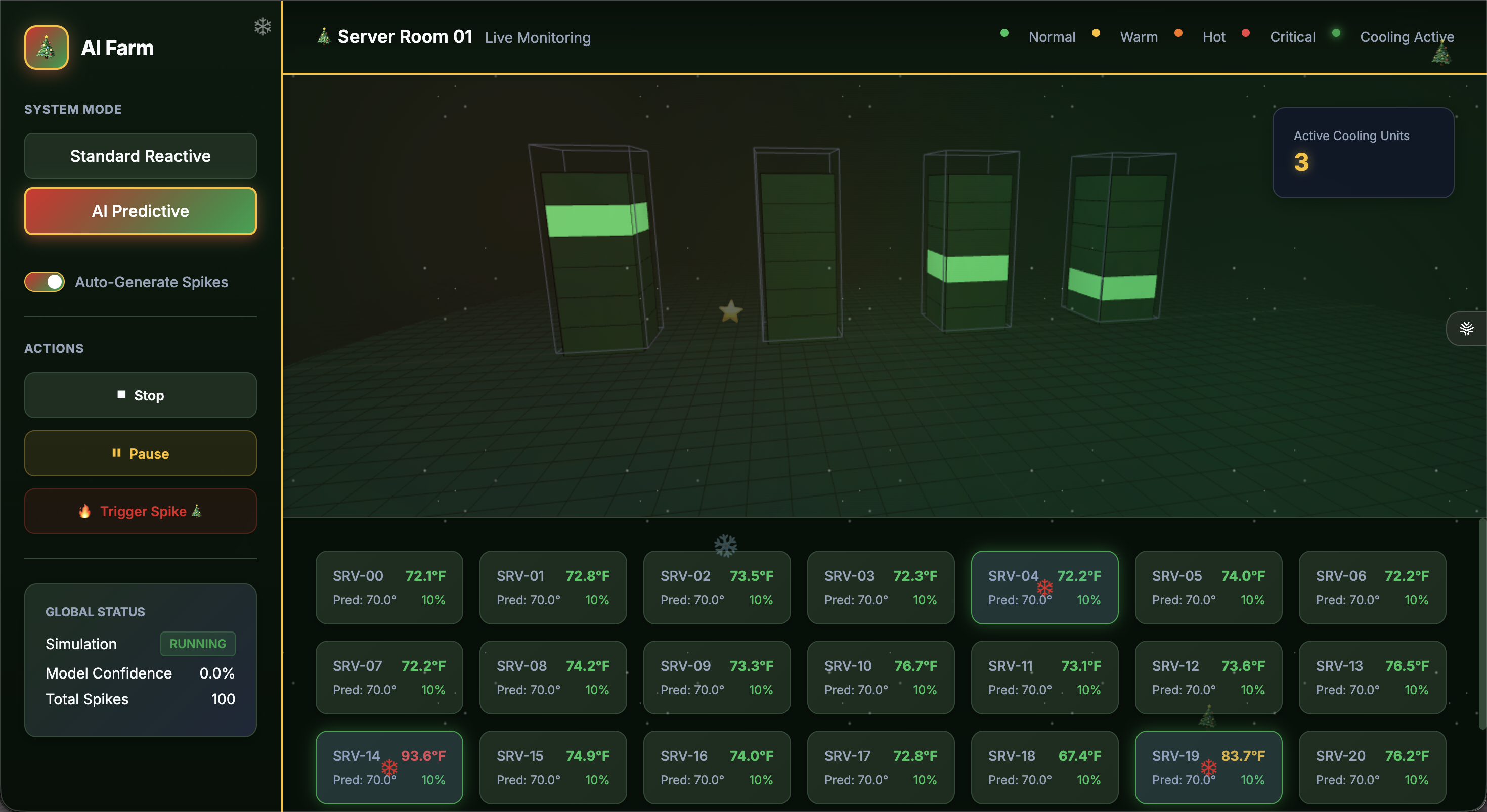
The project monitors soil moisture, weather forecasts, and crop requirements to provide precise irrigation recommendations. Sensors placed throughout the farm collect real‑time data, which is sent to an AI model that predicts water needs for each section. The system then triggers valves or notifies farmers via a mobile dashboard when and where to irrigate. It also logs historical data to help farmers understand usage patterns.
How I built it
I prototyped the system using moisture sensors connected to a microcontroller (ESP32) that communicates via Wi‑Fi to a central server. The server runs a Python backend with a machine‑learning model trained on soil and weather data to predict optimal watering schedules. The frontend dashboard is built with React to visualize sensor readings and provide controls. I hosted the backend on a cloud platform and used a PostgreSQL database to store data.
Challenges I ran into
Integrating hardware and software components was challenging. Getting reliable wireless communication from sensors across a large field required experimenting with network configurations. Training the machine‑learning model required collecting enough diverse data to avoid overfitting. I also had to design the system to be robust against sensor failures and network outages. Ensuring that the recommendations were accurate and trustworthy took several iterations of testing in different soil and weather conditions.
Accomplishments that I'm proud of
I am proud that the prototype achieved significant water savings compared to manual irrigation schedules during testing. The dashboard provides an intuitive interface for farmers who may not be tech‑savvy. The modular design means sensors and valves can be added or removed easily, making the system scalable. I also implemented alert notifications, so farmers receive SMS messages when conditions require attention.
What I learned
This project taught me about embedded systems, IoT networking, and machine‑learning model deployment. I learned how to preprocess sensor data, train regression models, and evaluate their performance. Designing for real‑world conditions highlighted the importance of redundancy and error handling. I also became more comfortable with frontend development and data visualization.
What's next for AI Farm Water Management System
Future work includes expanding the system to support multiple crop types and integrating satellite imagery for better predictive accuracy. I plan to explore edge computing so that AI predictions can run on the microcontroller itself, reducing latency and dependence on internet connectivity. I would like to conduct pilot tests with local farms in Cypress, Texas to gather feedback and refine the system for broader deployment.

Log in or sign up for Devpost to join the conversation.