AI Family OS
Inspiration
As a mother of two young children, including one with a disability requiring several therapy appointments, I experience every day how quickly the mental load of family organization becomes overwhelming.
Appointments, therapy sessions, medications, school and kindergarten information, routines, shopping lists, emails, and unexpected changes constantly compete for attention. Most families already use several good apps, but the information is scattered across different places. The real challenge is not storing information—it is remembering what matters at the right moment.
This project grew directly from that experience.
I wanted to explore how AI could reduce this mental load by helping families organize information automatically instead of asking parents to organize everything themselves.
That idea became AI Family OS.
The Problem
Family organization is scattered across too many places.
Calendars hold appointments.
Important details get buried in email.
Reminders live in task apps.
Medication schedules are tracked somewhere else.
In the end, most of that mental load still sits in a parent's head.
The result is stress, forgotten tasks, duplicated effort, and a constant background hum of things to remember.
I didn't want to build another isolated productivity tool.
I wanted something that could eventually bring all these sources together into one clear overview.
The Solution
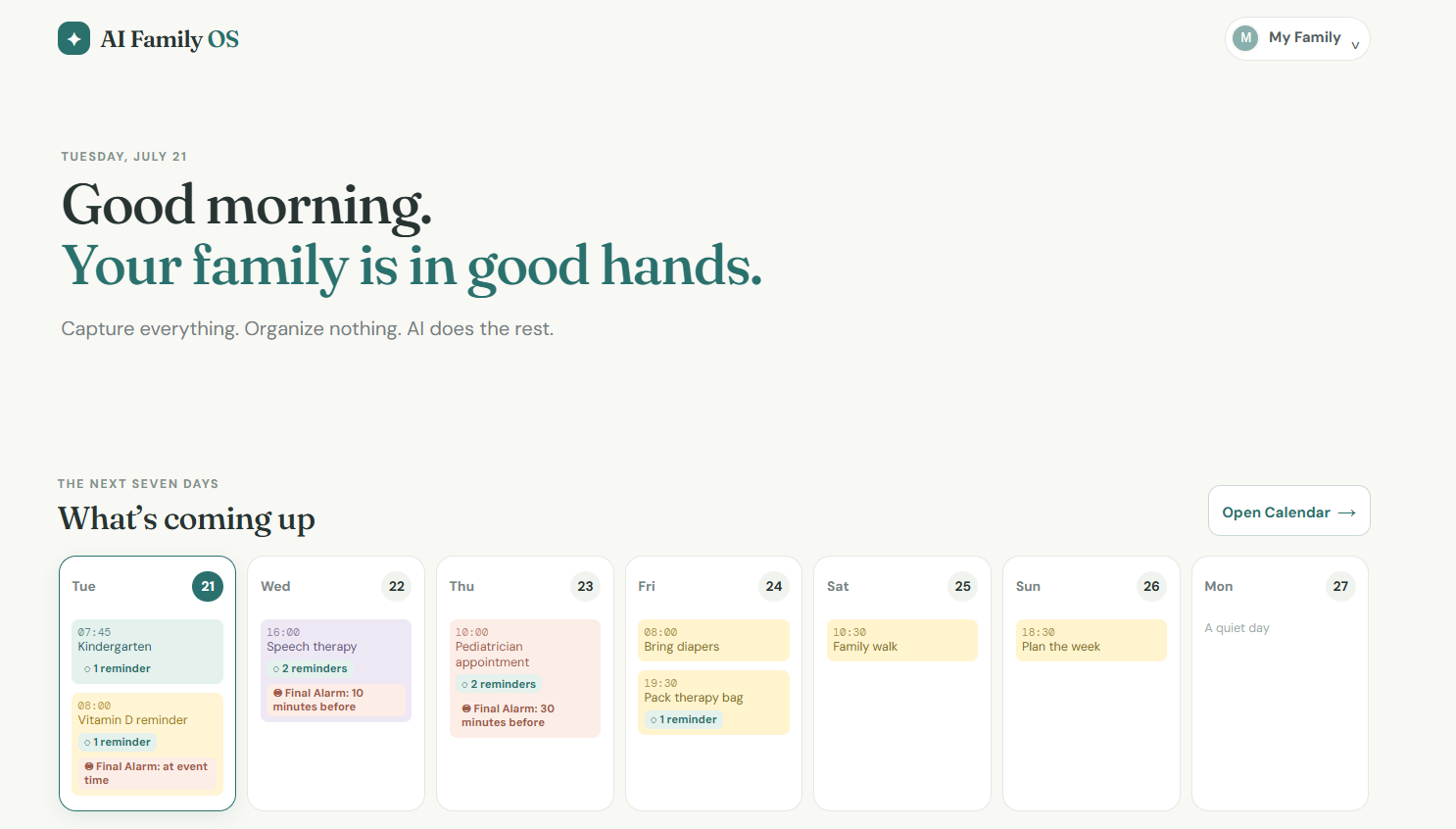
AI Family OS is designed to work as an operating system for family life.
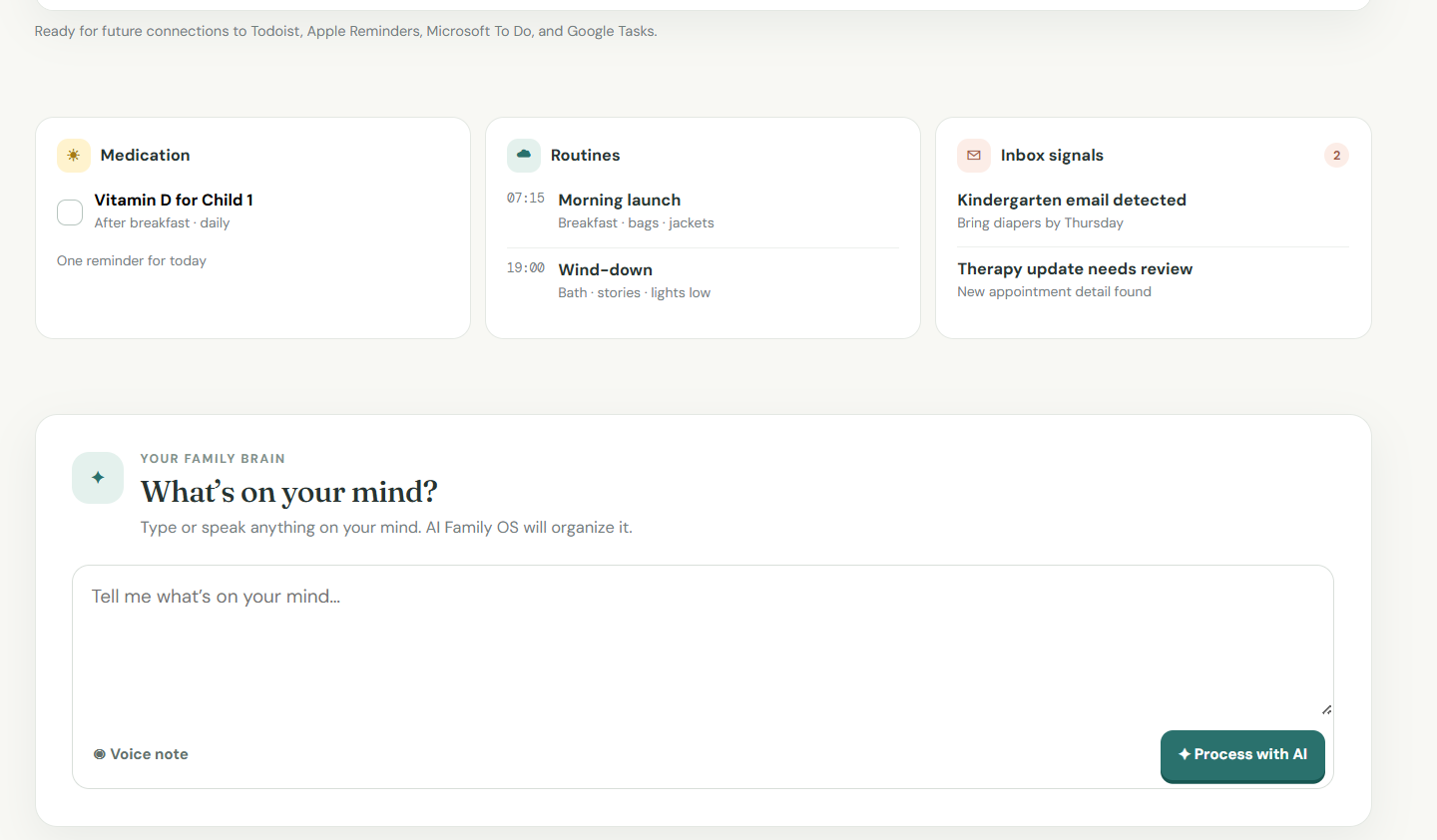
Instead of deciding where every piece of information belongs, users simply capture everything through a Brain Dump, chat, or voice input.
The system identifies:
- appointments
- tasks
- reminders
- medications
- routines
and organizes everything into one clear dashboard.
The goal isn't to replace the apps families already use.
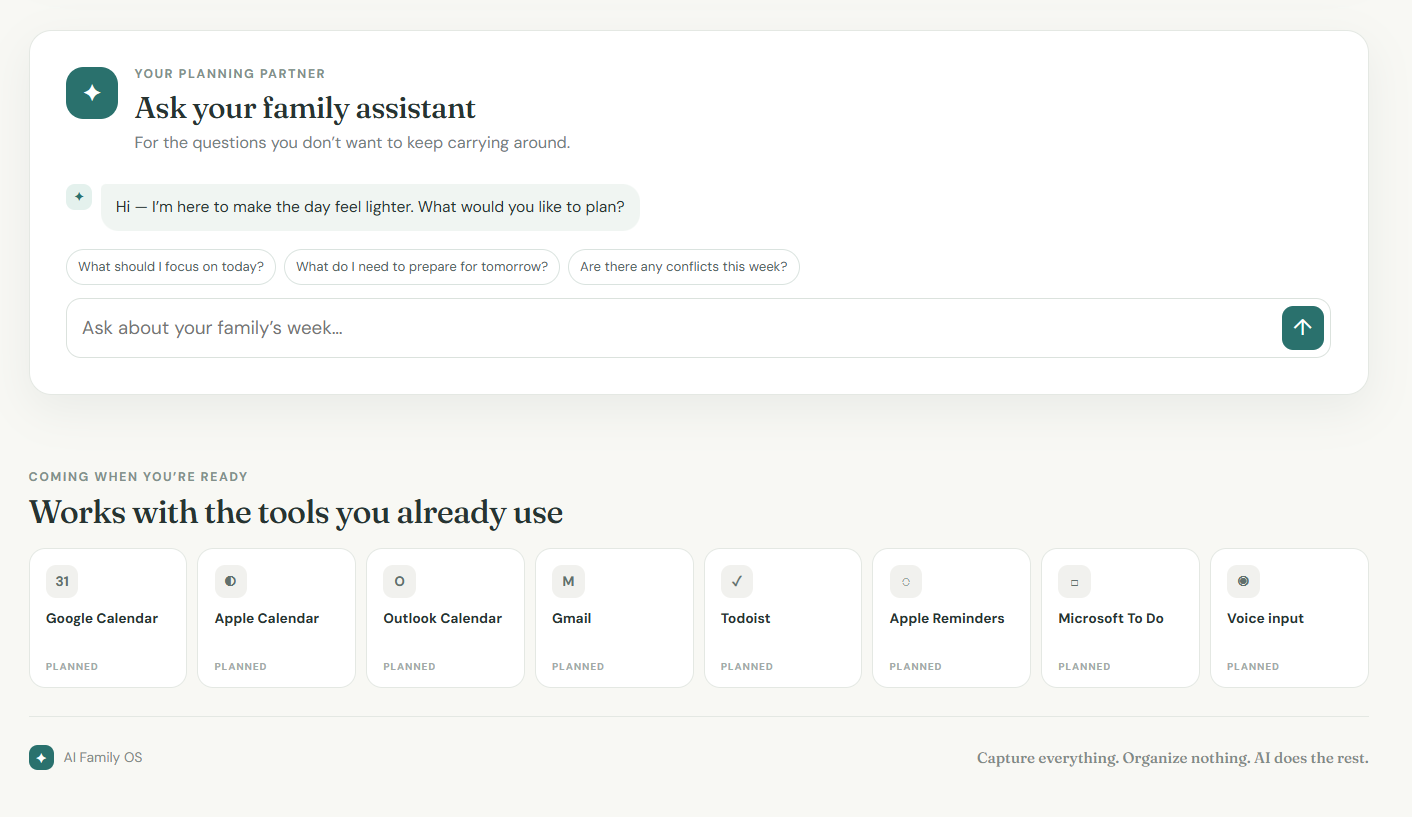
Long-term, AI Family OS should connect with existing calendars, email providers, and task managers so families can continue using the tools they already know.
How I Built It
Before writing any code, I focused on defining the product.
I documented the product vision, target users, MVP scope, and overall user experience.
To accelerate development, I used Codex powered by GPT-5.6 to transform these requirements into a React/Vite prototype.
Rather than generating everything at once, I worked through many small iterations, testing every version locally before deciding what to improve next.
This process resulted in features including:
- family member management
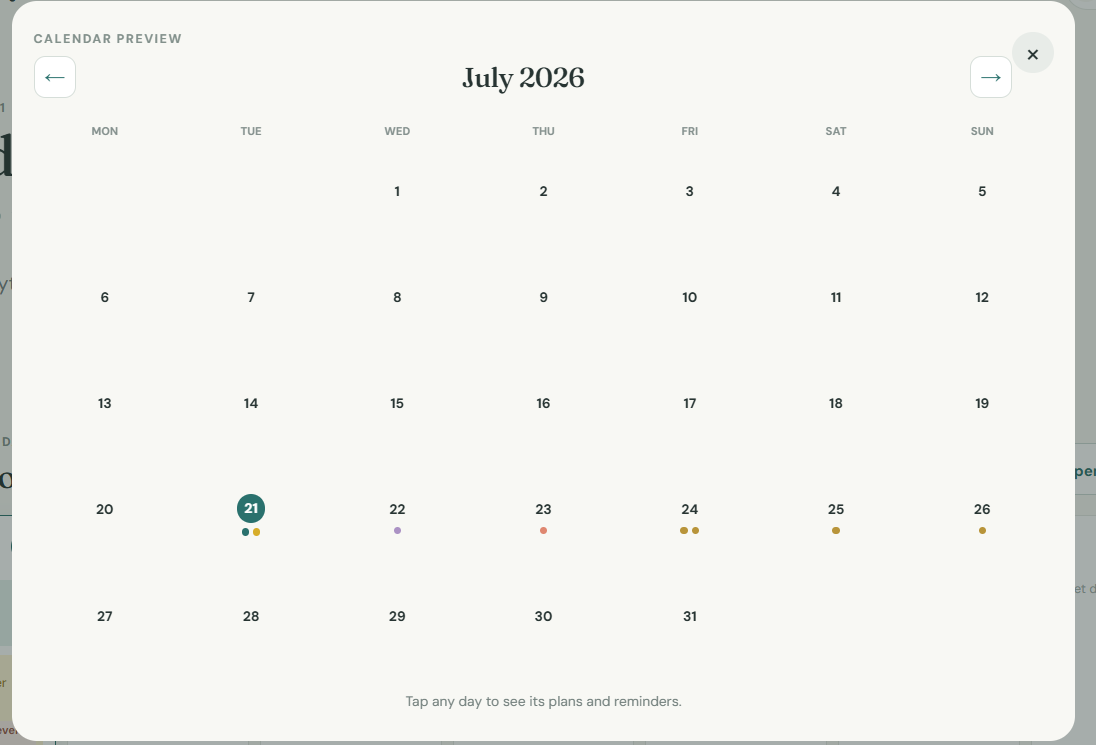
- weekly and monthly calendar views
- creating and editing events
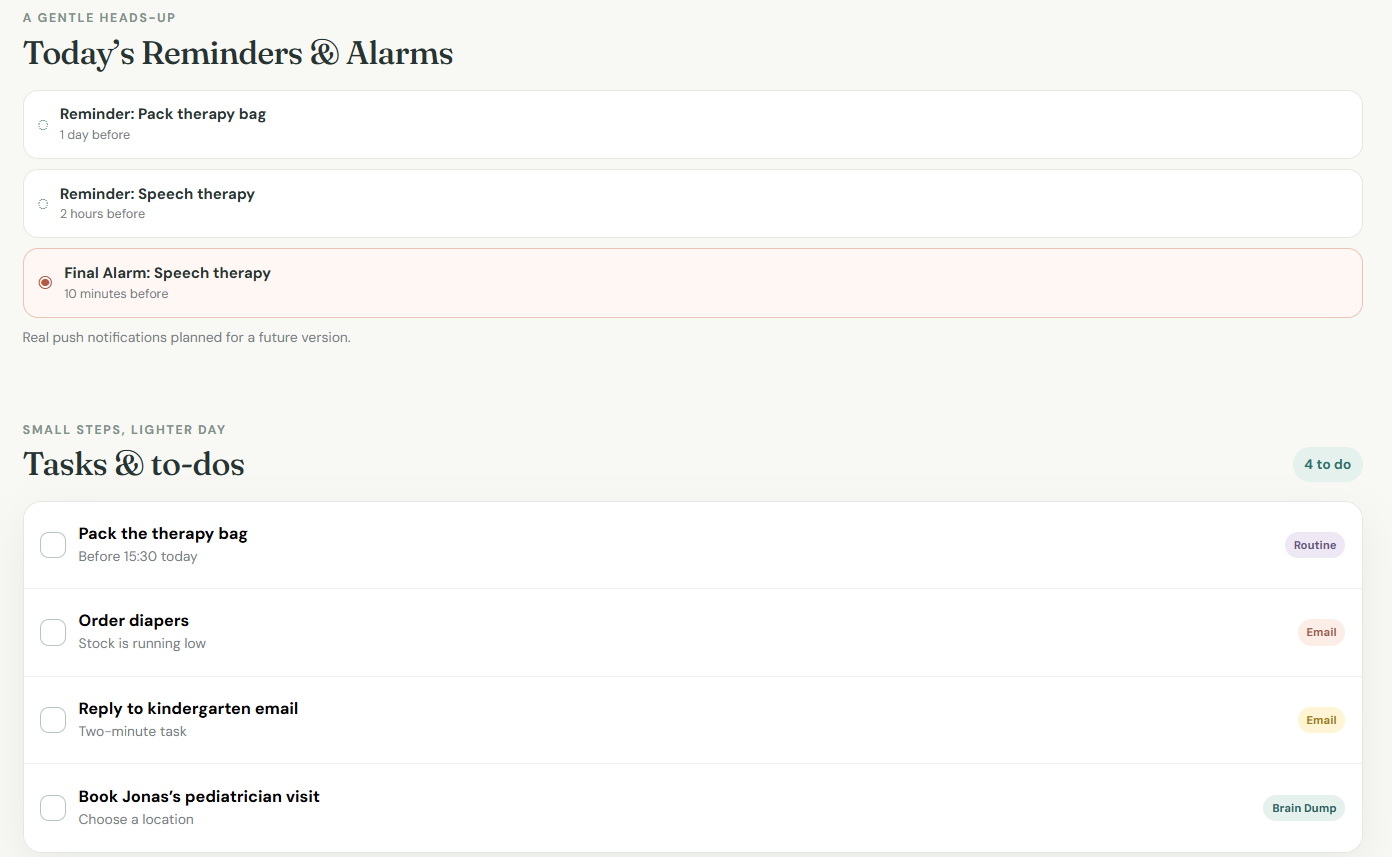
- multiple custom reminders
- a separate final alarm
- Brain Dump processing
- a responsive mobile-first layout
- browser-based voice input
Throughout development, I continuously refined the product based on usability and user experience rather than simply accepting the first implementation.
Challenges
The biggest challenge was balancing ambition with the limited time available during OpenAI Build Week.
My long-term vision includes:
- AI-powered planning
- calendar synchronization
- email integration
- intelligent follow-up questions
- notifications
- and many additional features
For the hackathon, I intentionally focused on building a realistic, polished MVP instead of trying to implement every idea.
Another challenge was keeping the experience simple for parents while managing a significant amount of complexity behind the scenes.
What I Learned
This project reinforced how important product thinking really is.
Writing code is only one part of building software.
Clearly defining the problem, prioritizing features, testing usability, and continuously iterating are equally important.
Working with Codex also showed me how much AI can accelerate software development while the overall product direction, priorities, and user experience still depend on human decisions.
Future Vision
AI Family OS is intended to become much more than a family calendar.
My long-term vision includes:
- real AI-powered Brain Dump processing
- Google Calendar integration
- Apple Calendar integration
- Microsoft Outlook integration
- Gmail integration
- automatic task creation in Google Tasks, Apple Reminders, and Todoist
- medication management
- recurring routines
- proactive planning suggestions
- personalized assistance for the whole family
Ultimately, I want AI Family OS to become a real second brain for families—helping them spend less time organizing life and more time actually living it.
Built With
- css
- github
- gpt-5.6
- html
- javascript
- openaicodex
- react
- vite

Log in or sign up for Devpost to join the conversation.