-
-
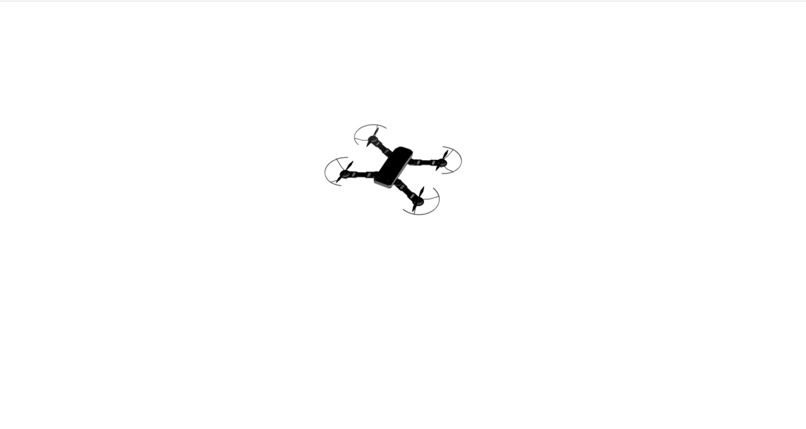
drone 3d simulation made with Three js and TensorFlow
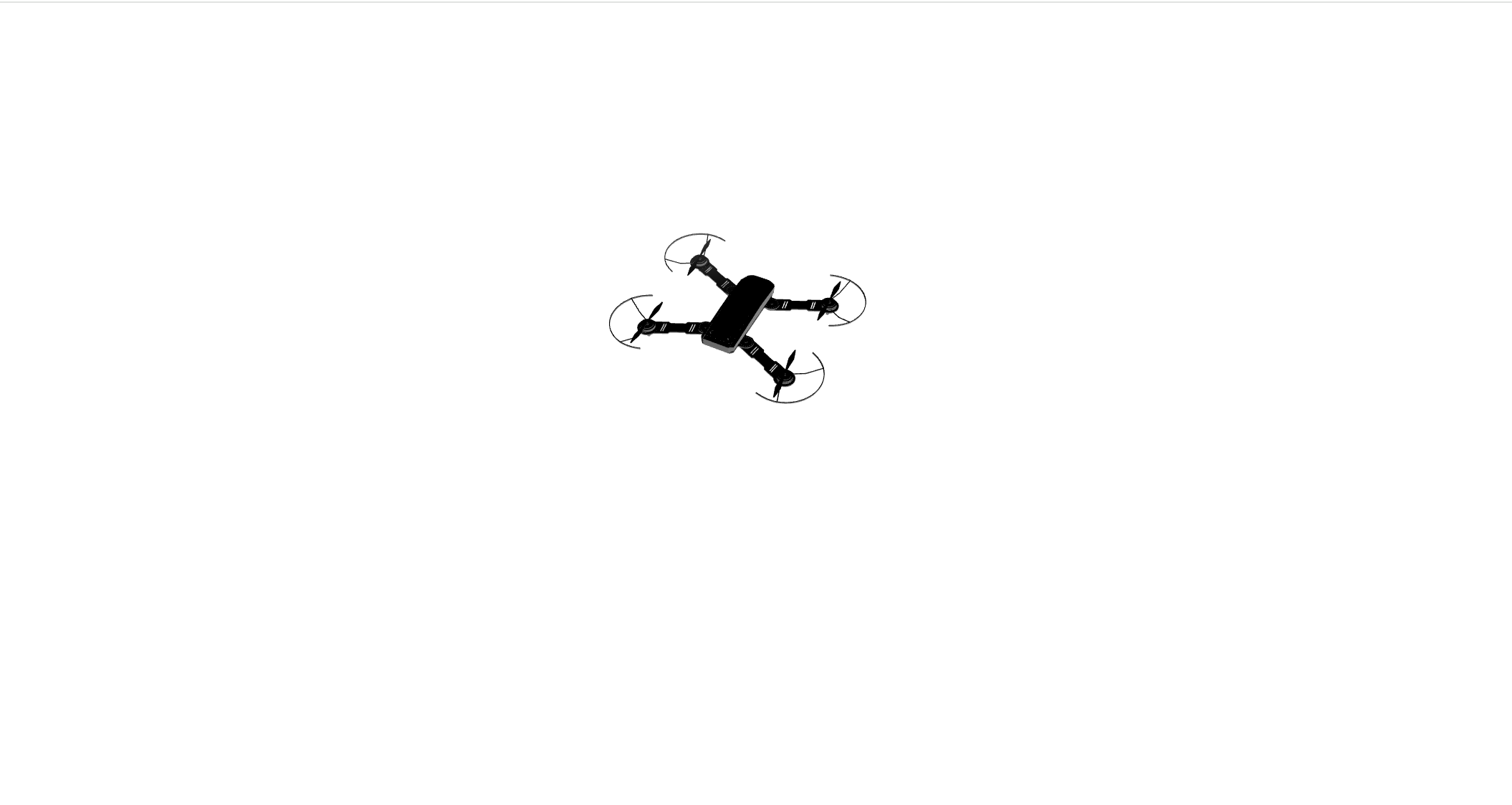
Inspiration - Accident reduction and capability projection through simulation.
What it does - Creating a simulated environment for drones functionality testing.
How we built it - Steps we did:
Design the Environment: We began by outlining the virtual environment's structure, including terrain features like hills, buildings, and obstacles. We also considered dynamic elements such as weather and lighting conditions. Develop 3D Models: Using JavaScript libraries like Three.js, we created and rendered detailed 3D models of the environment. This involved defining textures, colors, and interactions to ensure realism. Integrate the Environment: The 3D environment was then set up within a web-based simulation framework. We used Three.js to handle rendering and user interaction, providing a dynamic and interactive space for the drone simulation.
Challenges we ran into :
- Creation of the Virtual 3D Environment
Design and Render: Developed a detailed 3D environment using Three.js, including realistic terrain and dynamic elements like weather.
- Addition of Flight Mechanics
Accurate Physics: Implemented realistic flight dynamics using Cannon.js for precise movement, rotations, and interactions within the environment.
- Integration of AI for Behavior Simulation
Intelligent Behavior: Used TensorFlow.js to enable AI-driven navigation and decision-making, ensuring the drone responds effectively to the simulated conditions.
Accomplishments that we're proud of
Accurate Projections of Drone Capabilities in JavaScript Simulation
- Creation of the Virtual 3D Environment
Realistic Setup: Developed a comprehensive 3D environment using Three.js, incorporating detailed terrain and dynamic elements to reflect real-world conditions.
- Flight Mechanics and Physics
Precise Physics: Implemented accurate flight dynamics and control responses with Cannon.js, ensuring correct simulation of drone movements, rotations, and interactions. Capability Projections: The simulation provides realistic projections of drone capabilities, including maneuverability, stability, and performance under various conditions.
- AI Integration
Intelligent Behavior: Integrated AI using TensorFlow.js to model sophisticated navigation and decision-making, reflecting true drone performance and adaptability.
What we learned
Process:
Develop AI Models: Created and trained AI models using TensorFlow.js to understand and execute complex control tasks, such as navigation and obstacle avoidance.
Simulate in 3D Environment: Integrated these AI models into a detailed 3D simulation created with Three.js, allowing the AI to interact with and respond to the virtual environment.
Optimize Performance: Tested and refined the AI's control strategies based on simulation results to ensure accurate and effective drone behavior.
What's next for AI Drone simulation project
Next Steps for AI Drone Simulation Project:
- Enhanced AI Training and Optimization Advanced Algorithms: Explore and implement more sophisticated AI algorithms and techniques to improve decision-making and control. Training Data: Expand and diversify training datasets to cover a broader range of scenarios and edge cases. Performance Metrics: Develop and use advanced metrics to evaluate AI performance and make data-driven improvements.
- Integration with Real-World Systems Hardware Testing: Begin integrating the AI with actual drone hardware for real-world testing, comparing simulation results with physical performance. Sensor Integration: Incorporate real-world sensor data into simulations for more accurate testing and calibration.
- Simulation Environment Expansion Diverse Scenarios: Add more varied and complex scenarios to the simulation, such as different weather conditions, diverse terrains, and dynamic obstacles. User Interaction: Enhance the environment with interactive elements and real-time feedback to test AI under different operational conditions.
- Scalability and Deployment Scalable Architecture: Develop a scalable architecture to support larger simulations and multiple concurrent scenarios. Deployment: Plan for the deployment of the AI and simulation system in practical applications, such as delivery services, surveillance, or industrial inspections.
- Collaboration and Partnerships Industry Collaboration: Seek partnerships with industry leaders for testing and feedback, and explore potential commercial applications of the technology. Academic Research: Collaborate with research institutions for further development and validation of AI models and simulation techniques.
- User Interface and Visualization Enhanced UI: Develop user-friendly interfaces for better interaction with the simulation environment and AI control systems. Visualization Tools: Implement advanced visualization tools for real-time monitoring and analysis of drone performance and AI behavior.
- Regulatory and Compliance Considerations Compliance: Ensure the system meets relevant regulations and standards for drone operations and AI usage. Ethical Considerations: Address ethical concerns related to AI decision-making and drone deployment.
Built With
- css3
- graphapi
- html5
- javascript
- tensorflow
- three.js

Log in or sign up for Devpost to join the conversation.