-
-
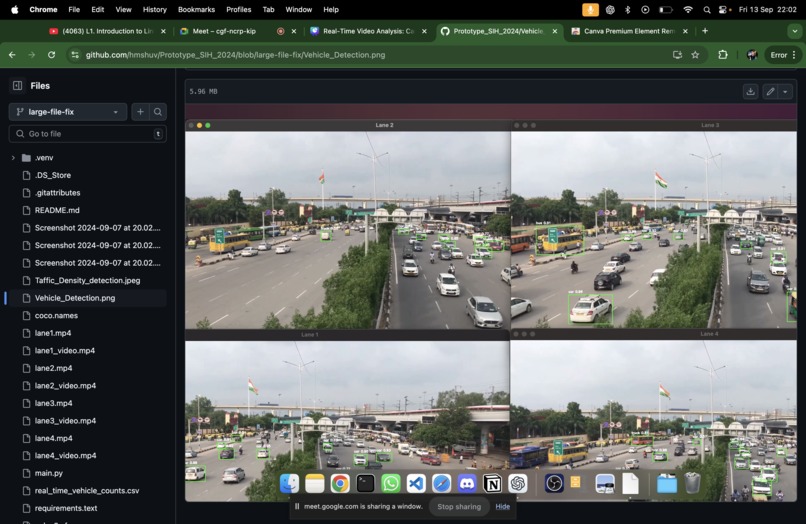
Vehicle Detection and Classification
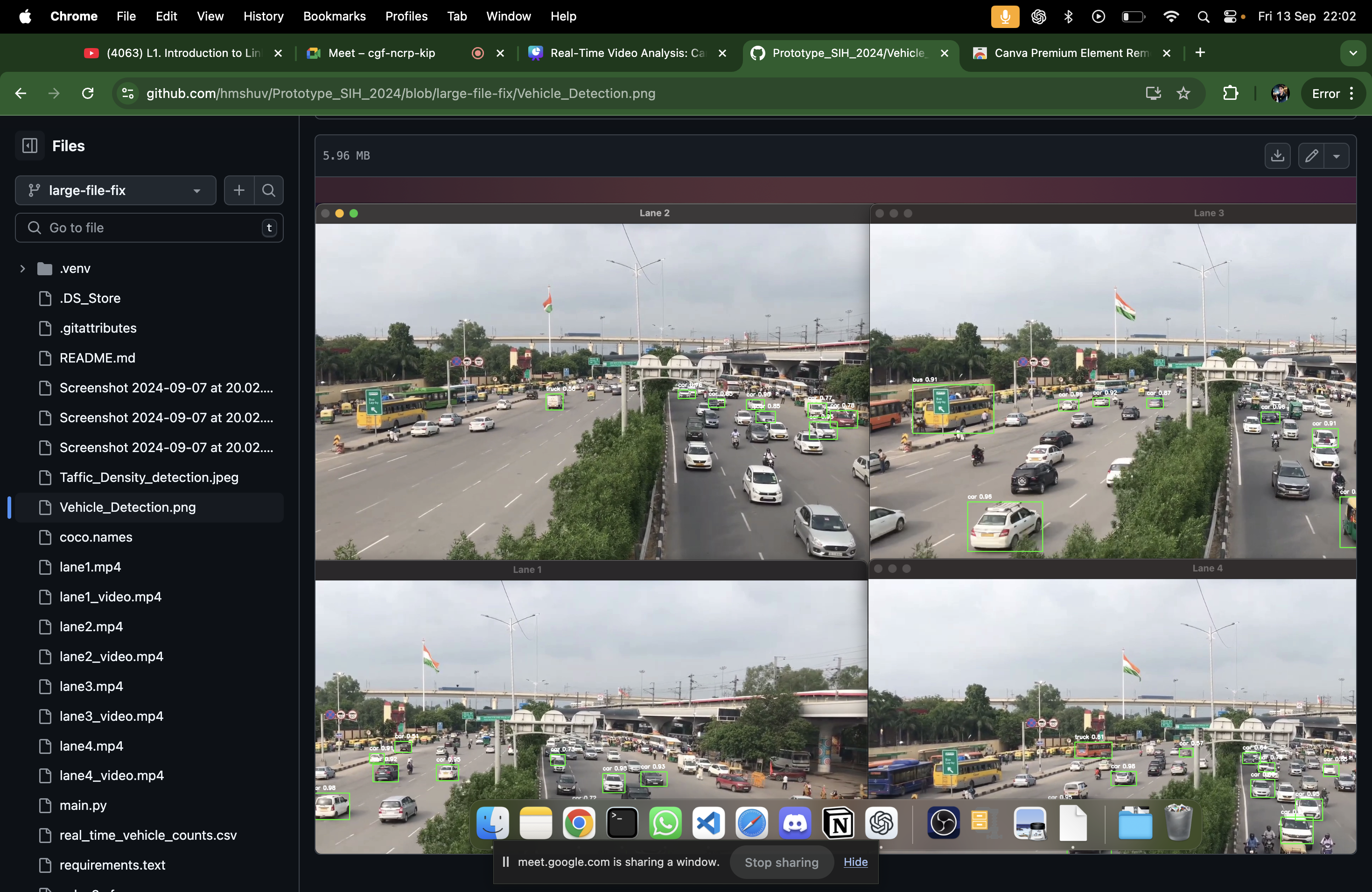
Inspiration
Our inspiration for this project came from the increasing traffic congestion in urban areas and the need for a smarter, more sustainable solution. We wanted to create a system that not only improves traffic flow but also ensures the safety of both vehicles and pedestrians. Additionally, the integration of AI and machine learning to prioritize emergency vehicles and reduce emissions aligned with our goal to contribute to smarter cities and environmental sustainability.
What We Learned
Throughout this project, we learned how to integrate advanced AI models with real-time traffic data, optimizing the use of resources like green lights and emergency prioritization. We gained a deeper understanding of traffic pattern analysis using machine learning and its impact on reducing congestion, travel time, and fuel consumption. We also explored how smart city solutions can drive economic and environmental benefits.
How We Built the Project
We built our project using AI and machine learning models for vehicle detection and traffic pattern analysis. The system incorporates real-time data from sensors and cameras to calculate traffic density and adjust signal timings dynamically. We used Python for data processing and model training, while the front-end dashboard was developed with web technologies to allow authorities to monitor traffic conditions and adjust parameters when necessary.
Challenges We Faced
One of the major challenges we faced was handling the real-time data processing needed for accurate vehicle detection and classification, especially in high-density areas. We also had to ensure that the system was scalable and could be easily integrated into existing traffic infrastructure. Another hurdle was fine-tuning the machine learning models to accurately prioritize emergency vehicles while maintaining smooth traffic flow for other lanes. Overcoming these challenges required rigorous testing and continuous improvement of our algorithms.

Log in or sign up for Devpost to join the conversation.