-
-
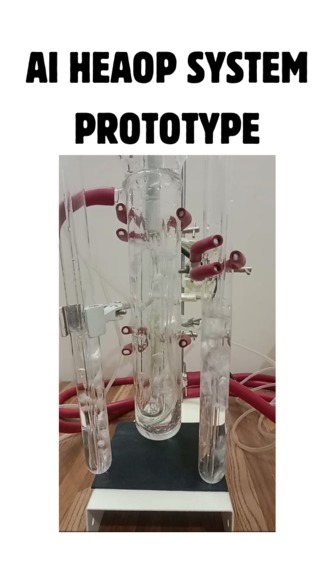
Prototype
-
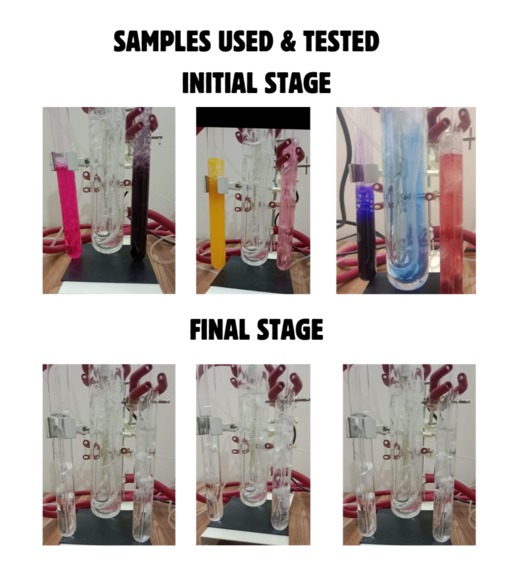
Samples Used and Tested
-

App
-

App
-
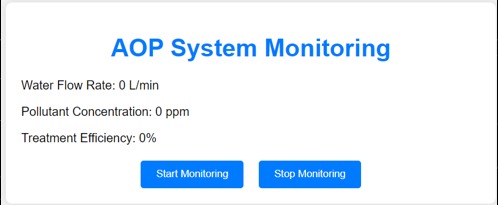
Machine Screen
-
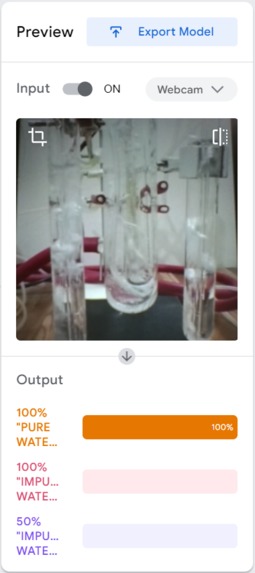
Machine Learning


Overview Our AI-integrated Bio-AOP (Biological Advanced Oxidation Process) reactor delivers a cutting-edge solution to combat global water scarcity. It combines biotechnology with advanced oxidation processes to effectively treat wastewater by targeting a broad range of contaminants, including toxic elements, pesticides, pharmaceuticals, and especially microplastics, which are increasingly polluting aquatic ecosystems. By leveraging bio-based catalysts, smart monitoring, real-time optimization, and energy-efficient techniques, our system ensures safe, clean water for both industrial and domestic applications, benefiting both humans and aquatic wildlife. Scalable and adaptable, our project contributes to sustainable resource management and environmental conservation.
Problem Description The uncontrolled release of synthetic chemicals and microplastics into water bodies due to rapid industrialization, agricultural runoff, and improper waste disposal is a growing threat. These pollutants disrupt aquatic ecosystems, leading to biodiversity loss and long-term damage to human health. As populations grow and water becomes scarcer, the availability of clean water is poised to be one of the most critical global challenges in the near future.
Proposed Solution To address this challenge, we developed a Bio-AOP reactor that utilizes a combination of biological and advanced oxidation techniques. The reactor’s system is designed to degrade complex pollutants like plastics and pharmaceuticals through eco-friendly, bio-based catalysts. The process follows these steps:
- Pre-treatment: Removes large impurities from wastewater. 2.Bio-Catalytic Reactor: Uses bio-inspired or enzyme-based catalysts to trigger oxidation reactions that break down toxic chemicals. 3.UV-AOP Integration: UV lamps accelerate oxidation, efficiently degrading pollutants into harmless by-products. 4.Post-treatment: Final polishing to eliminate residual contaminants. 5.Optimization: AI-driven algorithms monitor the reactor’s performance in real time, adjusting operational parameters for maximum efficiency.
Inspiration The merging of biotechnology with sustainable water treatment solutions is key to safeguarding ecosystems. Inspired by nature's ability to break down organic compounds, our project focuses on bio-mimicking processes to enhance traditional AOPs. This approach offers a more sustainable, lower-cost solution for water treatment, with potential applications in areas with limited access to clean water or facing severe contamination issues.
What it Does Our Bio-AOP reactor prototype is designed to provide clean water from polluted sources. It achieves the following:
1.Biological and Chemical Synergy: Combines bio-catalysts with advanced oxidation processes to remove stubborn pollutants, including microplastics and pharmaceuticals. 2.Energy Efficiency: Optimizes energy usage with renewable sources such as solar power, minimizing the environmental footprint. 3.Scalability: The reactor is designed for flexibility, with applications ranging from individual households to industrial wastewater management. 4.Smart Monitoring: AI integration ensures real-time tracking of water quality and system efficiency, helping users adjust operations based on contamination levels.
By offering a comprehensive solution that addresses both biological and chemical pollutants, our Bio-AOP system aims to contribute to global efforts in water conservation and clean water access.
How We Built It Our system is built on a biotech-centric stack that includes: 1.Bio-Catalytic Materials: Enzyme-based catalysts that enhance degradation of organic pollutants and plastics. 2.AI and Machine Learning: AI algorithms continuously optimize the AOP system’s parameters based on input data (pollutant levels, energy usage, etc.), ensuring efficient operation. 3.UV-AOP Reactor: UV lamps are integrated to accelerate oxidation, supported by bio-catalysts. Mobile App for Field Technicians: Developed with Flutter, the app enables real-time monitoring and adjustments to the system based on field data. 4.Web Dashboard: Built using HTML, CSS, and JavaScript, it provides engineers and scientists with a user-friendly interface to monitor and control the system remotely. 5.Backend in Python/Django: Handles API development, data processing, and predictive analysis for optimizing the system’s performance.
Challenges We Ran Into Developing the Bio-AOP reactor presented several challenges: 1.Bio-catalyst Efficiency: Scaling bio-catalysts for large-scale applications while maintaining their effectiveness was a significant hurdle. 2.UV Energy Demand: The energy consumption of UV lamps was substantial, requiring careful optimization to balance performance and sustainability. 3.Data Quality: Ensuring reliable and accurate sensor data for the AI system to make real-time decisions was critical for maintaining the efficiency of the process.
Accomplishments That We're Proud Of 1.Successfully developed a prototype for a sustainable water treatment system. 2.Integrated AI and biotechnology to create an adaptable, energy-efficient solution. 3.Conducted 30 sample tests on various pollutants, demonstrating the system’s effectiveness. 4.Built a field technician app for remote monitoring and adjustments. 5.Reduced operational costs by 20% using renewable energy.
What We Learned 1.Integrating AI with bio-catalytic AOP systems can significantly enhance water treatment efficiency. 2.However, we learned that: 3.High-quality data and robust sensor networks are critical for AI-driven optimization. 4.Bio-based catalysts are a promising avenue for sustainable water treatment, but further research is required to improve their scalability. 5.Effective project implementation requires close collaboration between biotech and AI disciplines.
What's Next for Bio-AOP Reactor Moving forward, our goal is to refine the Bio-AOP system by: 1.Enhancing the AI algorithms for more precise real-time control. 2.Exploring new bio-catalysts that are more effective and durable. 3.Expanding the system’s application to agricultural runoff and urban wastewater. 4.Continuing to optimize energy use to reduce overall environmental impact.


Log in or sign up for Devpost to join the conversation.