-
-
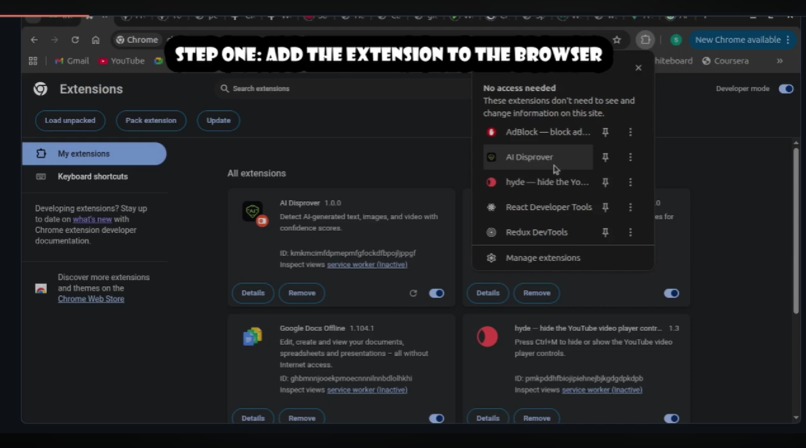
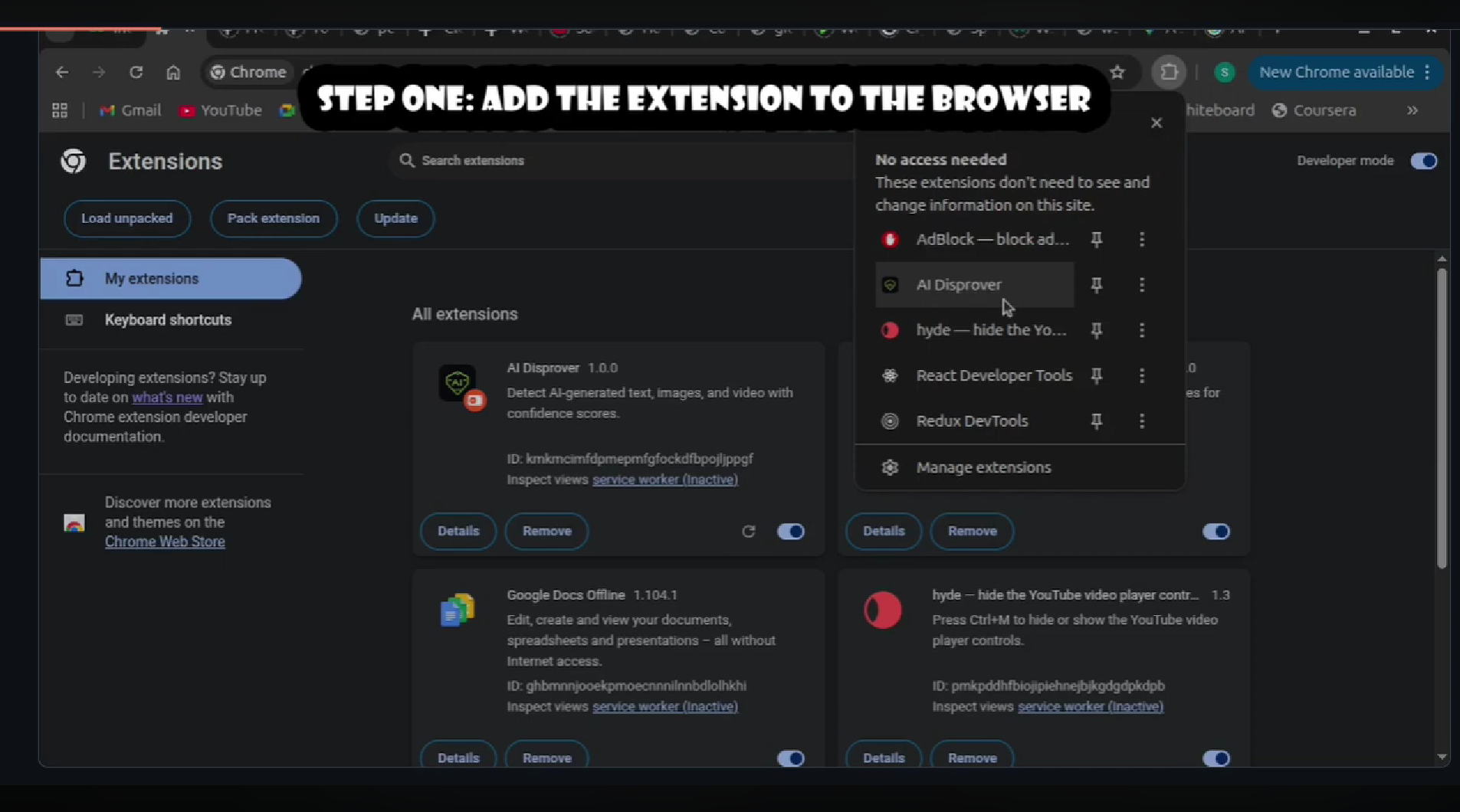
Add AI Disprover extension
-
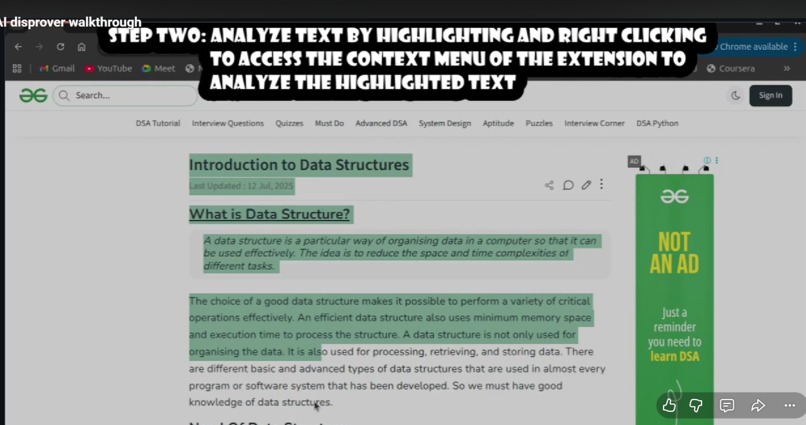
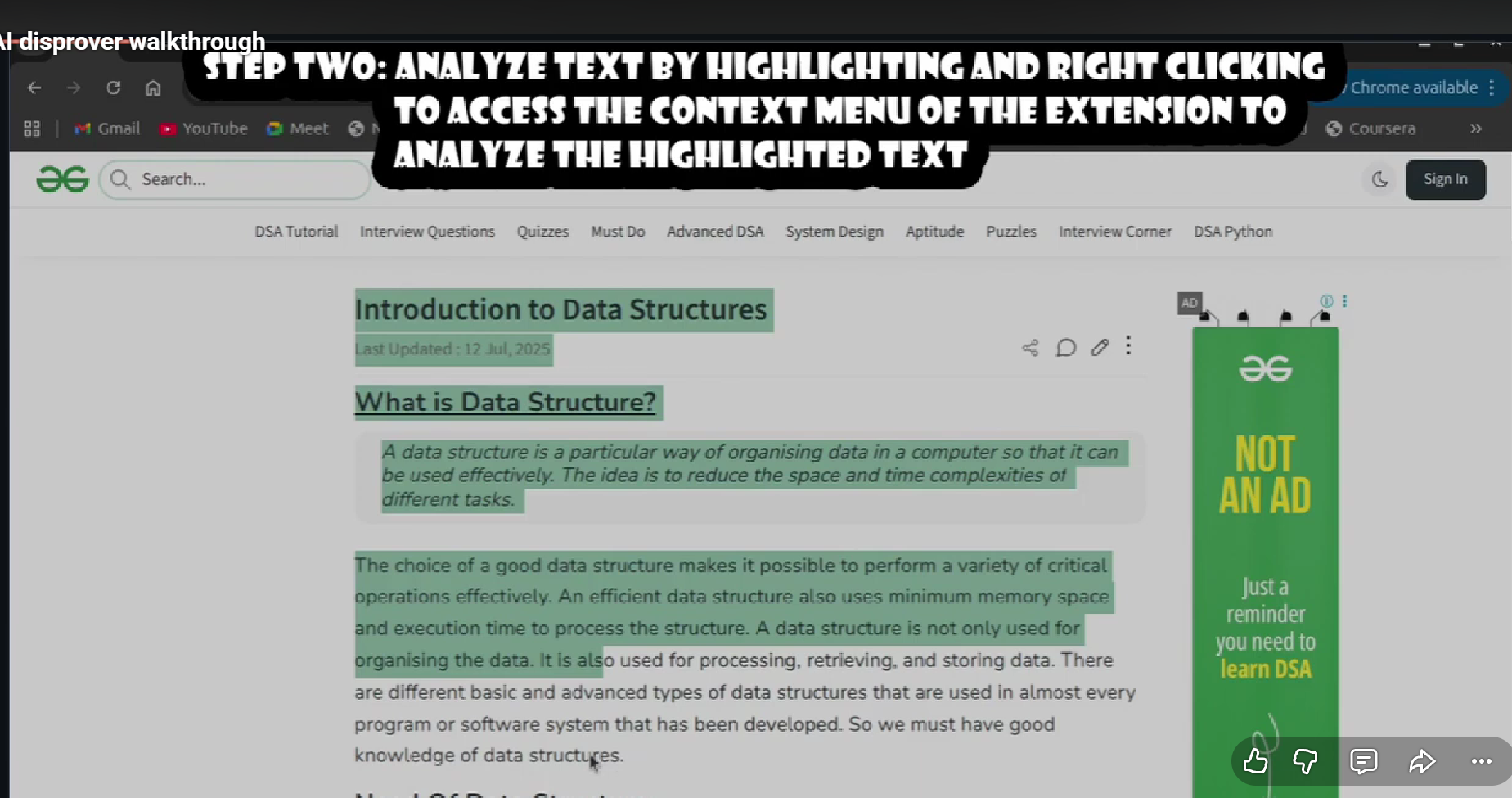
Select text/images you want AI Disprover to analyze
-
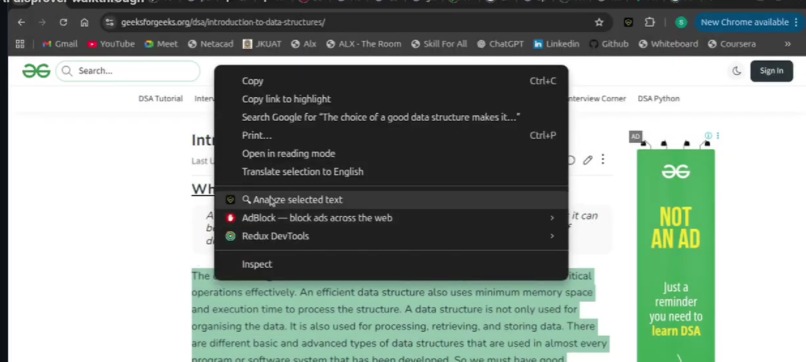
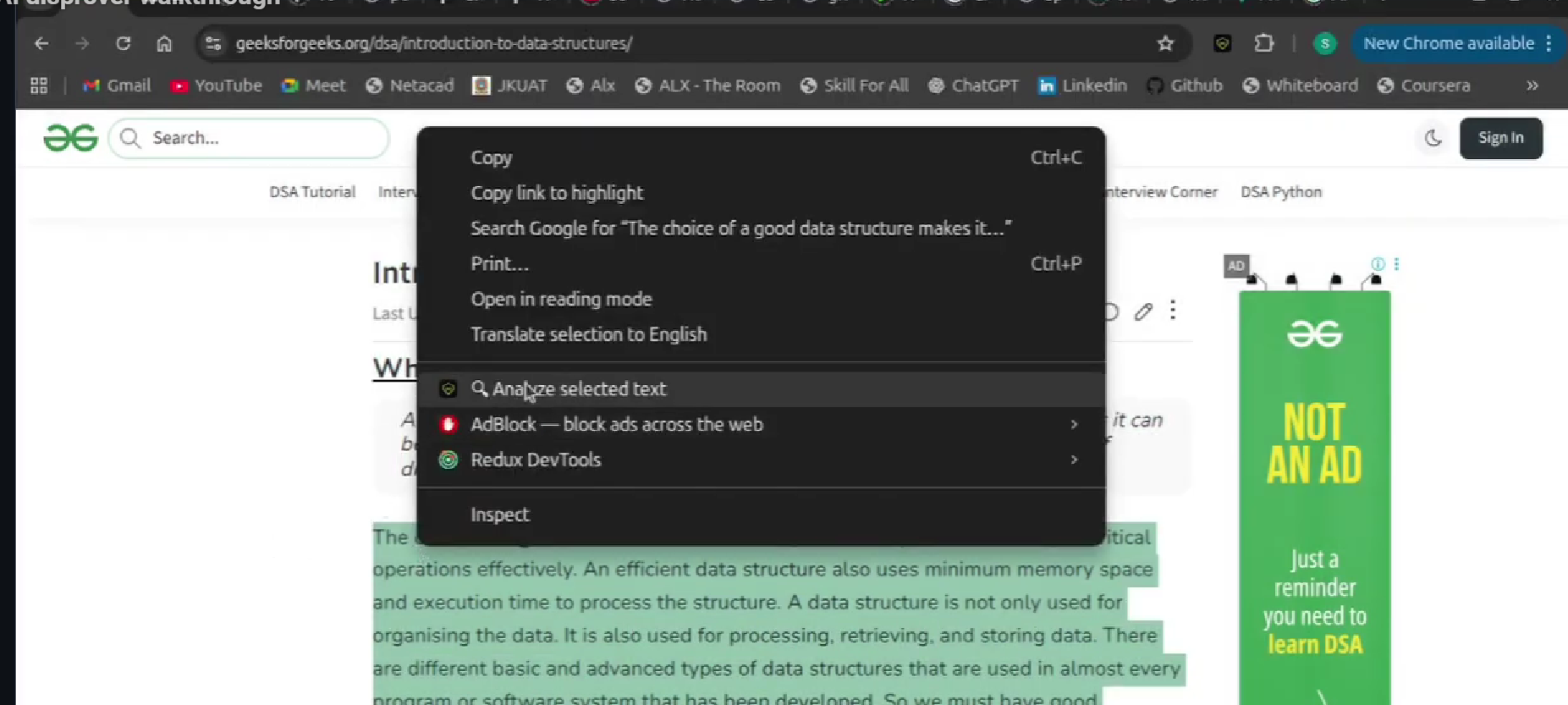
Ask AI Disprover whether the text/images are AI generated
-
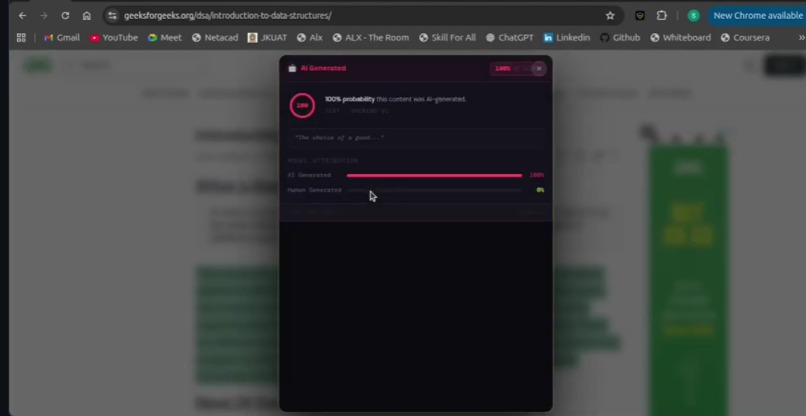
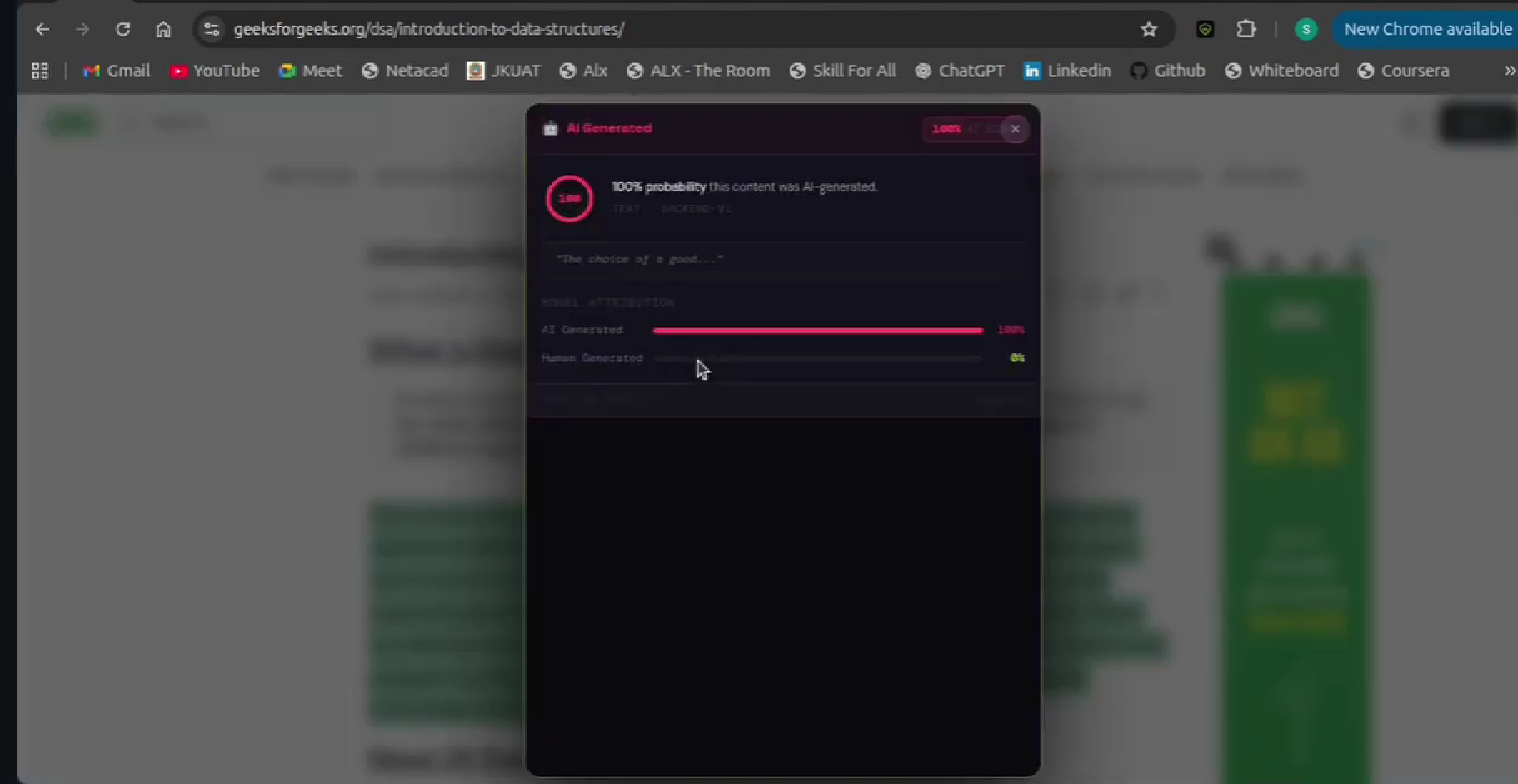
Get your results!
Inspiration
Digital Platforms are experiencing a surge of false and misleading content. The increasing accessibility of AI generated content has further complicated and intensified this challenge. It is becoming increasingly difficult to verify the authenticity of online content. In Kenya particularly, Africa Check, has flagged AI-generated content and digital scams as critical disinformation trends already unfolding in Kenya in 2025.
Furthermore, documented AI disinformation campaigns across Africa have increased by 350–500% since 2023, with projections indicating a further 400–600% growth by the end of 2026. This increase in AI-generated content across Kenya and the broader African region illustrates an urgent and growing demand for robust, localised solutions capable of detecting and combating the growing threat of disinformation.
What it does
AI Disprover is an AI-powered fact-checking engine that debunks misinformation, detects deepfakes, validates sources, and generates verified reports. It functions as a browser extension designed to help users distinguish between AI-generated and human-generated content (text, images, videos) directly within their browser. The tool addresses the growing challenge of "deepfakes" and AI-generated media, which are increasingly difficult to identify and can have negative impacts in education, creative industries, and online information integrity.
How we built it
AI Disprover was built as a browser extension powered by an AI fact-checking engine. The core pipeline takes any piece of content a user encounters online — text, images, or videos — and runs it through a multi-step analysis: misinformation detection, deepfake image/video analysis, and source credibility scoring. The extension integrates directly into the browser so users can verify content in real time without leaving the page. We also built an automatic fact-check summary generator and social media integration layer to make the tool accessible across platforms. The system was designed with African and specifically Kenyan-generated AI content in mind, training and tuning our detection models to recognize patterns in locally produced AI content that Western tools typically miss.
Challenges we ran into
The biggest challenge was the lack of African-focused training data for AI-generated content detection. Most existing models are trained predominantly on Western datasets, which means they underperform on content generated in African contexts, languages, and styles. Building reliable deepfake detection for video and image content was also technically demanding given the compute constraints we worked within. On the product side, packaging a multi-feature AI pipeline into a lightweight, performant browser extension without degrading the browsing experience required significant optimization. Scaling the infrastructure to handle real-time analysis across text, images, and video simultaneously was another key hurdle.
Accomplishments that we're proud of
We're proud of building the first AI content detection tool specifically designed for the African market a gap that has been overlooked by every major player in the space. Delivering a browser extension that combines misinformation detection, deepfake analysis, source credibility scoring, and fact-check summaries in a single unified tool is a significant technical achievement. We're also proud of identifying and beginning to address a genuinely underserved set of users: teachers, researchers, and businesses across Kenya and the broader African continent who need tools that reflect their context and content landscape.
What we learned
We learned that geography and context matter deeply in AI detection. A model that performs well in one region can fail significantly in another due to differences in language patterns, content style, and media ecosystems. We also learned the importance of designing for your specific customer segments early the needs of a teacher verifying student work are quite different from those of a marketing team auditing product reviews. Building a browser extension forced us to think carefully about performance vs. accuracy trade-offs, and we came away with a much deeper appreciation for how much infrastructure is required to run AI models reliably at scale.
What's next for AI Disprover
The next phase involves expanding the detection capabilities to cover more African languages and regional content types, and strengthening our deepfake video analysis pipeline. We plan to formalize partnerships with educational institutions, government bodies, and media houses across Kenya and Africa to drive adoption and gather real-world feedback. On the business side, we'll be launching a subscription model and pursuing educational grants and sponsorships to fund infrastructure scaling. Longer term, the goal is to become the go-to trust and authenticity layer for digital content across the African continent —a regional answer to a global problem that the rest of the world has largely built solutions for without us in mind.
Built With
- cloud-inferenceapis
- image/videodetectionmodels
- largelanguagemodels
- react

Log in or sign up for Devpost to join the conversation.