-
-
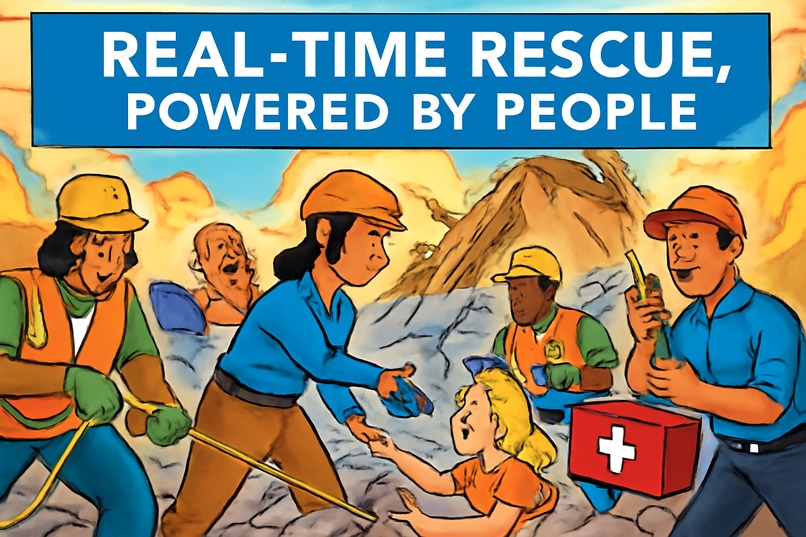
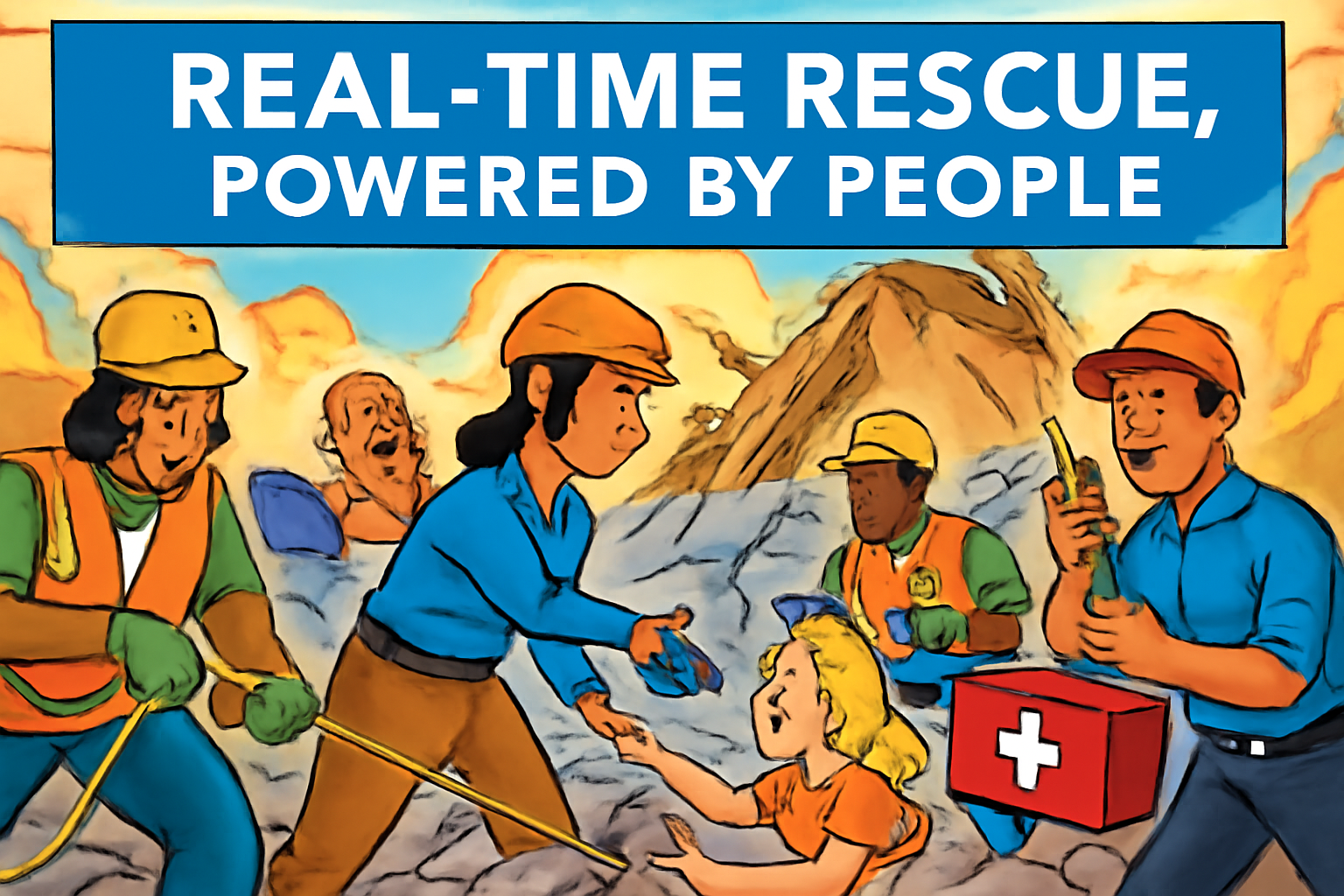
this is your app for resue
Inspiration
When disasters strike, people often panic and communication breaks down. I was inspired by the idea that technology could give victims a simple way to call for help and give rescuers a smarter way to respond quickly.
What it does
AI DISASTER connects victims and rescuers. Victims can report their status with just one tap and share their location. Rescuers see all reports on a live map, where AI groups similar requests, highlights urgent ones, and suggests the best rescue routes.
How we built it
We used React for the victim and rescuer interfaces, Flask with Socket.IO for real-time updates, and MongoDB for storing reports. Maps are powered by Leaflet.js, and AI clustering with scikit-learn helps prioritize rescue operations.
Challenges we ran into
Handling real-time updates without lag was tricky. We also had to deal with messy location data and make sure the AI clustering didn’t miss urgent cases. Balancing simplicity for victims with detailed info for rescuers was another challenge.
Accomplishments that we're proud of
We’re proud that we created a working prototype where victims can send help requests and rescuers can actually see and act on them. It feels meaningful to build something that could save lives.
What we learned
We learned a lot about real-time systems, AI clustering, and how small design choices can make or break usability in crisis situations. More importantly, we learned how powerful teamwork and clear communication are in hackathon settings.
What's next for AI DISASTER
We want to make the app more scalable, add support for offline mode when the internet is down, and explore integration with government disaster response teams. Long-term, the goal is to test it in real disaster drills.
Built With
- bootstrap
- flask
- leaflet.js
- mongodb
- react.js
- scikit-learn
- socket.io
- tailwind-css


Log in or sign up for Devpost to join the conversation.