-

-

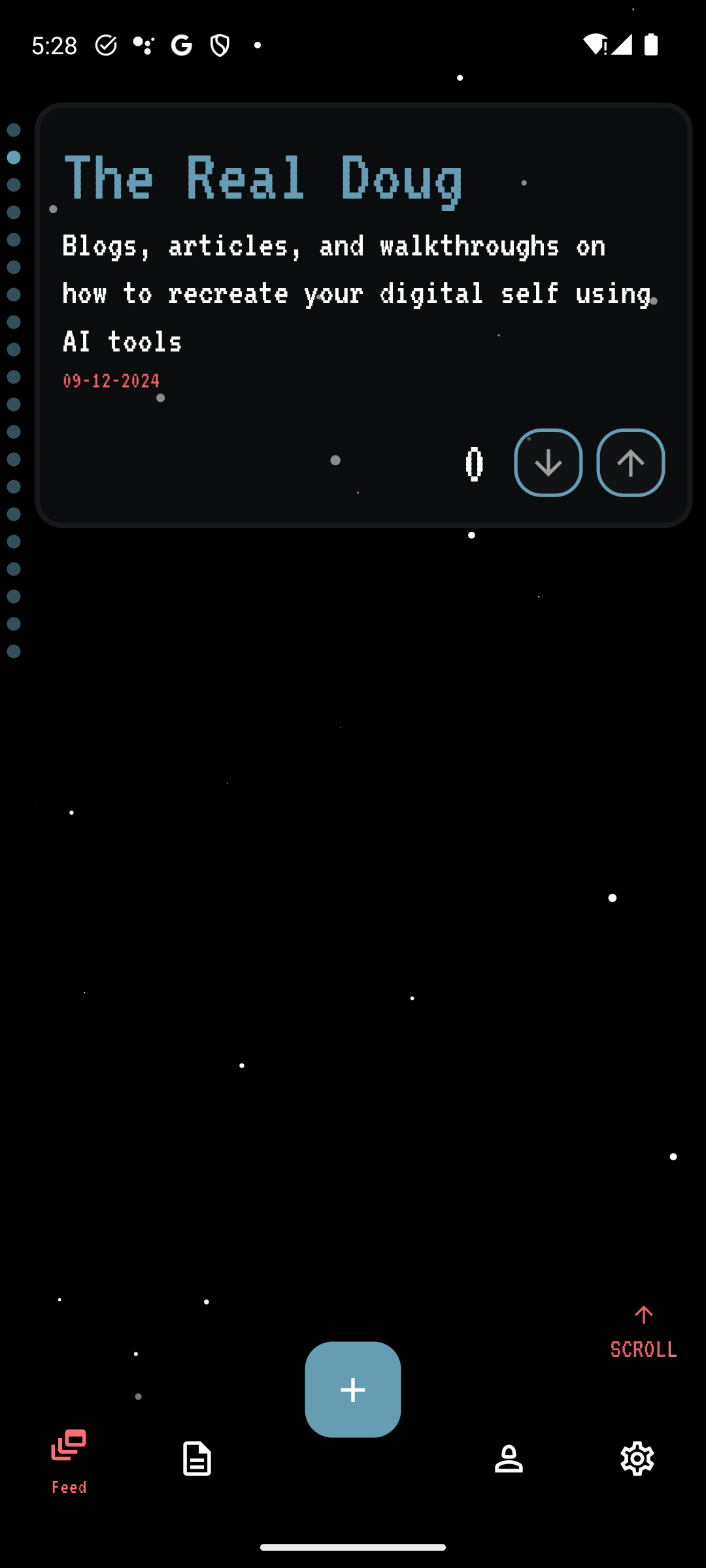
Business plan home feed
-
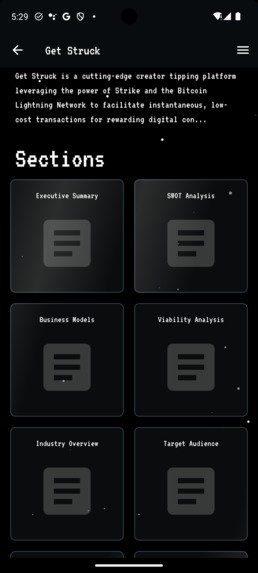
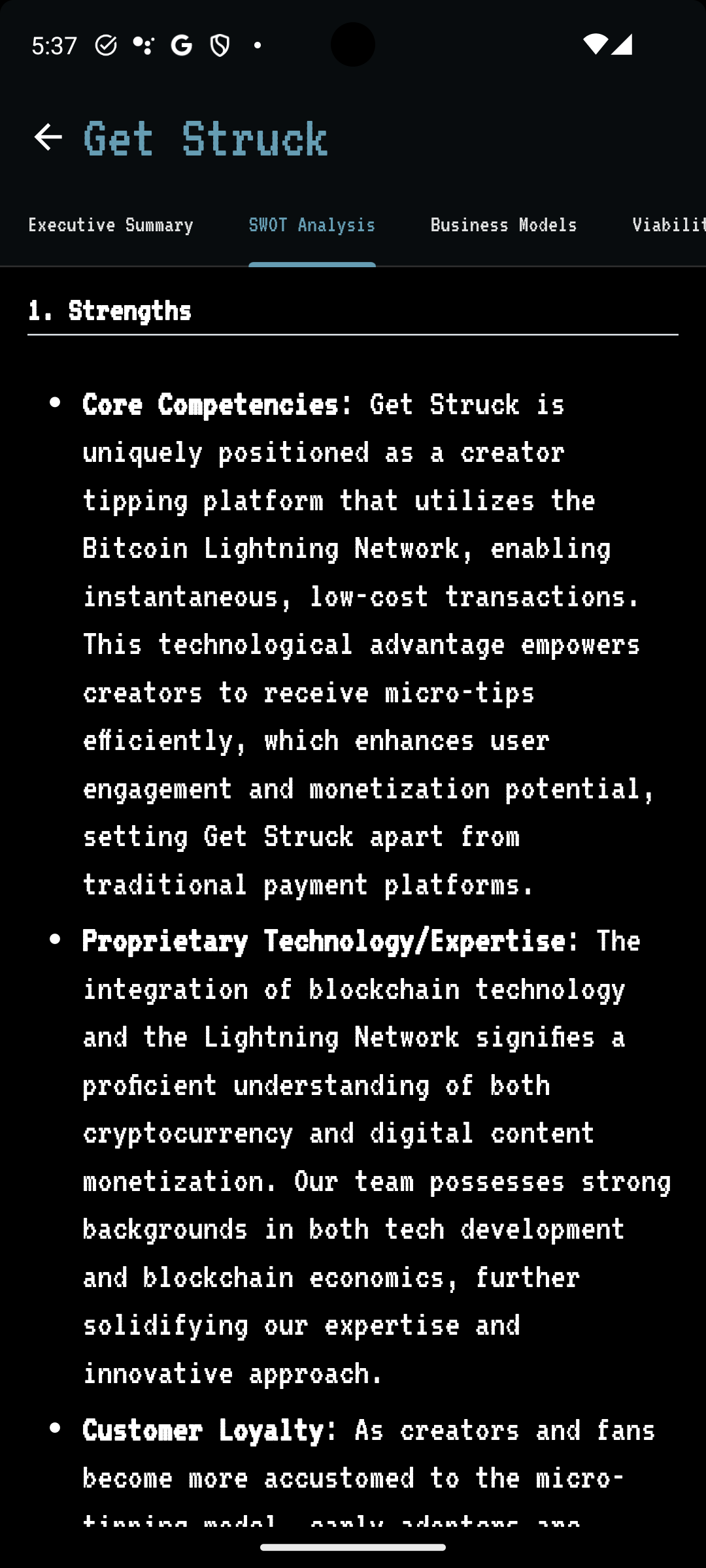
Mega plan dashboard
-
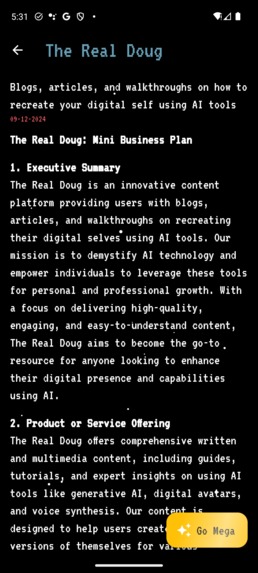
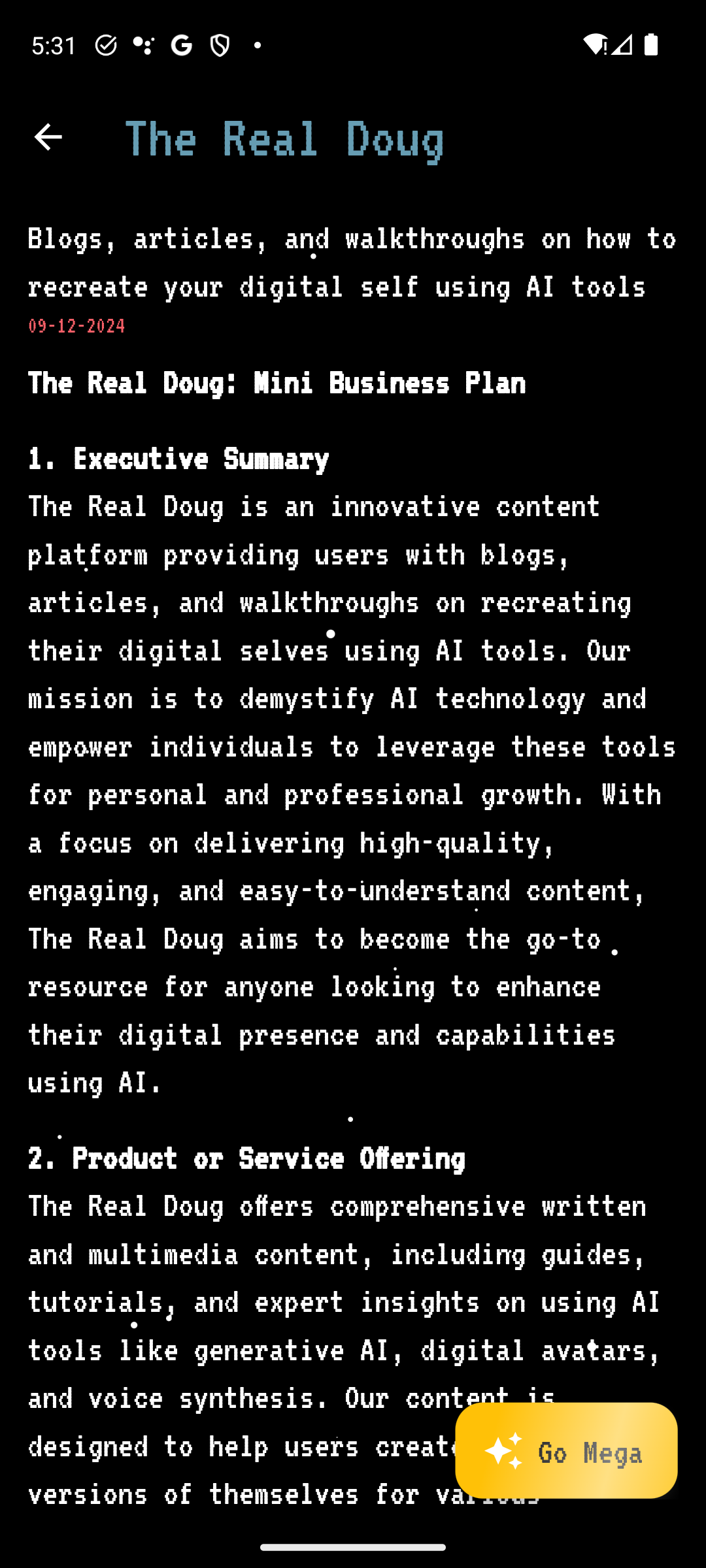
Executive summary for mini plan
-
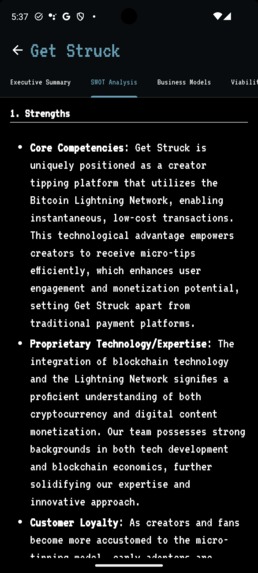
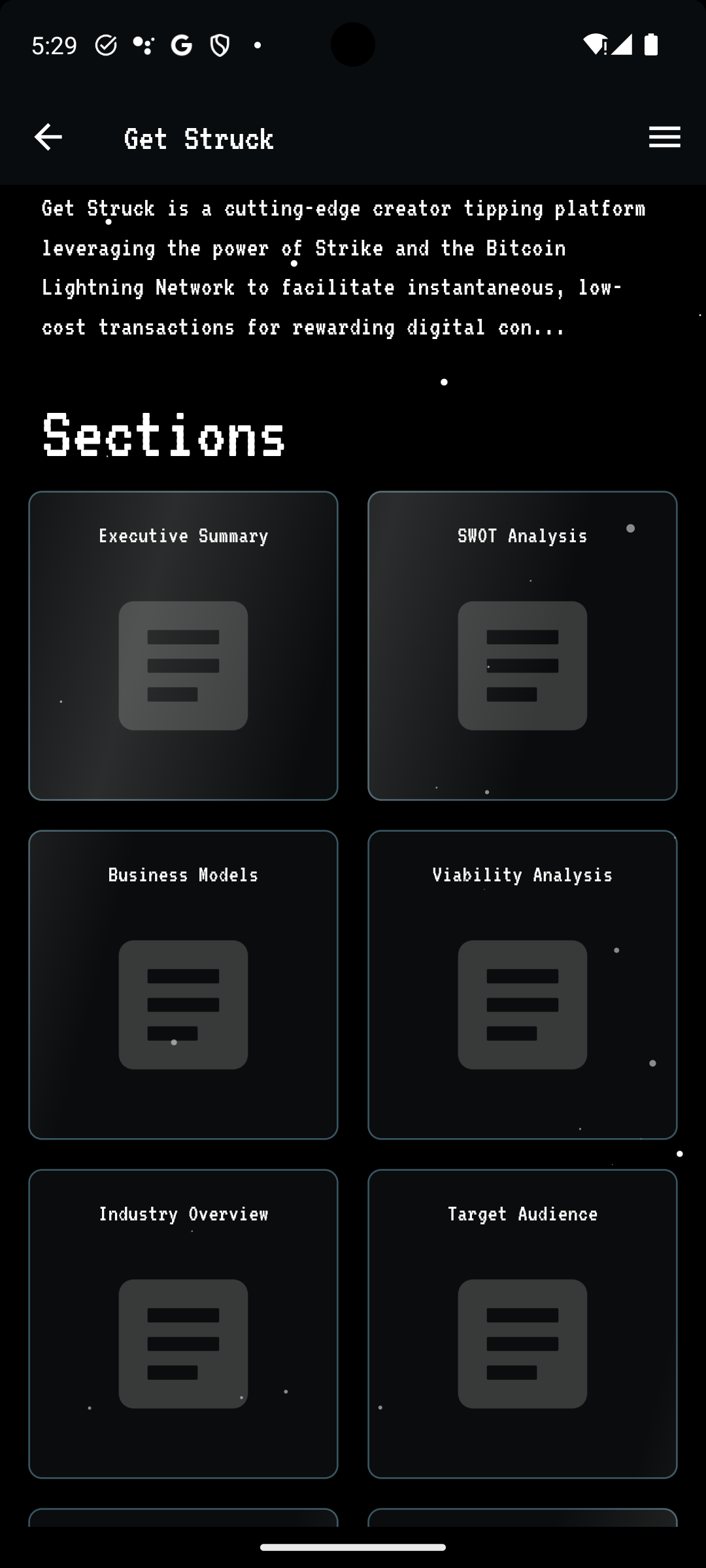
Mega plan sections page

Inspiration
When ChatGPT was first released I was heavily involved in the HustleGPT trend on Twitter. The idea was to prompt ChatGPT to help you earn as much money as possible starting with a small initial investment. The trend lasted for a few months and people learned a lot about starting a business, prompting, and technology in general. Eventually, as the initial hype over ChatGPT died down and everyone realized they still had to put in work to start a company, HustleGPT faded into internet history.
AI Co-Founded is an app and idea built on the foundation of HustleGPT. It aims to be a central location where you can run and organize your business with the help of AI.
What it does
The first version of AI Co-Founded lets you create and share business plans. Everyone can create unlimited "mini plans", which include brief overviews on marketing, target audiences, risk, and more. You can upgrade any of these mini plans to a mega plan, a comprehensive business document for running and growing the associated business.
How we built it
AI Co-Founded began as a web app built with React, TypeScript, TailwindCSS, and the coding genius of Claude Sonnet. For this hackathon, I turned the idea into a mobile app built with Flutter.
At its core, the platform revolves around "plans" which can optionally be upgraded to display larger amounts of information. Mini plans generated on the free plan are posted to a public feed where anyone can vote on the best ideas. Mini plans and mega plans are created with various different LLMs from OpenAI and everything is stored in Supabase.
Challenges we ran into
Generating large amounts of text using the smartest models from OpenAI can cause a significant lag on the client side. I had to get creative to prevent excessive wait times that would both annoy the user and time out my Supabase edge functions. The solution was a combination of making requests smaller (ex. generate one business plan section instead of 10) and delaying requests until they were absolutely necessary.
I also learned a cheap lesson about protecting Supabase edge functions connected to OpenAI endpoints. After posting about my app and website on Twitter, someone hacked my unprotected edge function and used up all of my OpenAI credits:
Thread: https://x.com/code_ontherocks/status/1834263200625299740
In response to this, I added rate limiting to my edge functions using Upstash.
Accomplishments that we're proud of
I started with about 10 days remaining in the hackathon and was able to finish and get it through the app store's review process on the first try.
What we learned
In addition to learning about the importance of rate-limiting endpoints, I learned a lot about using structured outputs in the OpenAI API. By providing robust class models in my requests, I could prevent a lot of unnecessary text being returned to my client.
What's next for AI Co-Founded
In the near future, I will release the app on iOS. Beyond that, there are a whole bunch of tools and features I'd like to add for pro subscribers, including advanced competitor analysis, similarity rankings between AI Co-Founded business, and a chat interface that always has your entire business plan in its context window. All of these features will be available across all platforms and I'll put more effort into getting people excited about partnering with AI.
Built With
- dart
- flutter
- openai
- revenuecat
- supabase
- typescript

Log in or sign up for Devpost to join the conversation.