
Inspiration
When ChatGPT 4.0 was released, I created a plugin called "Insta Caption Generator" (Insta Caption Generator). This plugin is designed to generate captions for media files on Instagram. After three months of operation, the GPT plugin became quite popular in the GPT store. My co-founder and I recognized an opportunity to expand this idea into a broader product, leading to the development of Post-ai.io, an AI tool that enables users to create captions across various social media platforms.
What it does
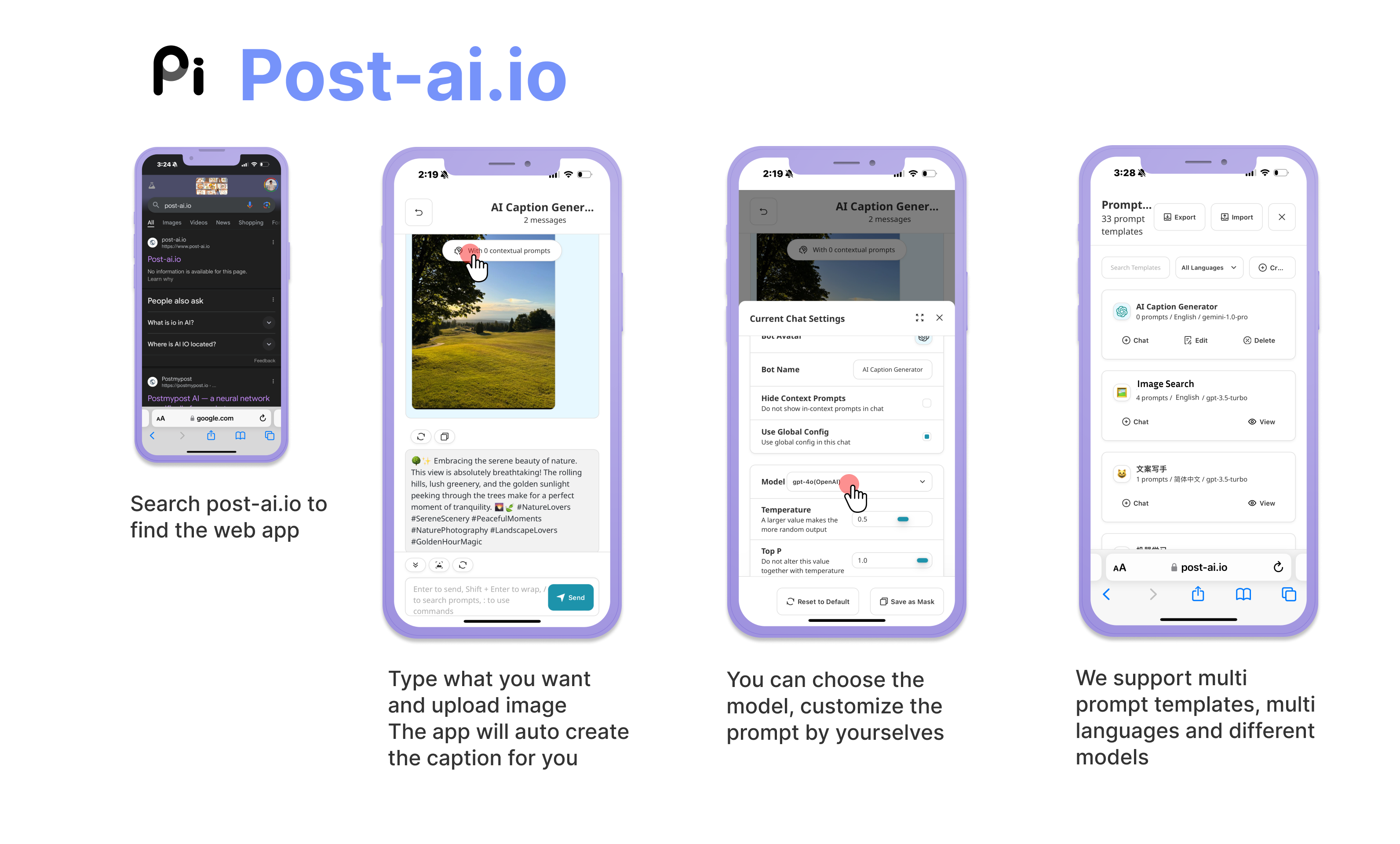
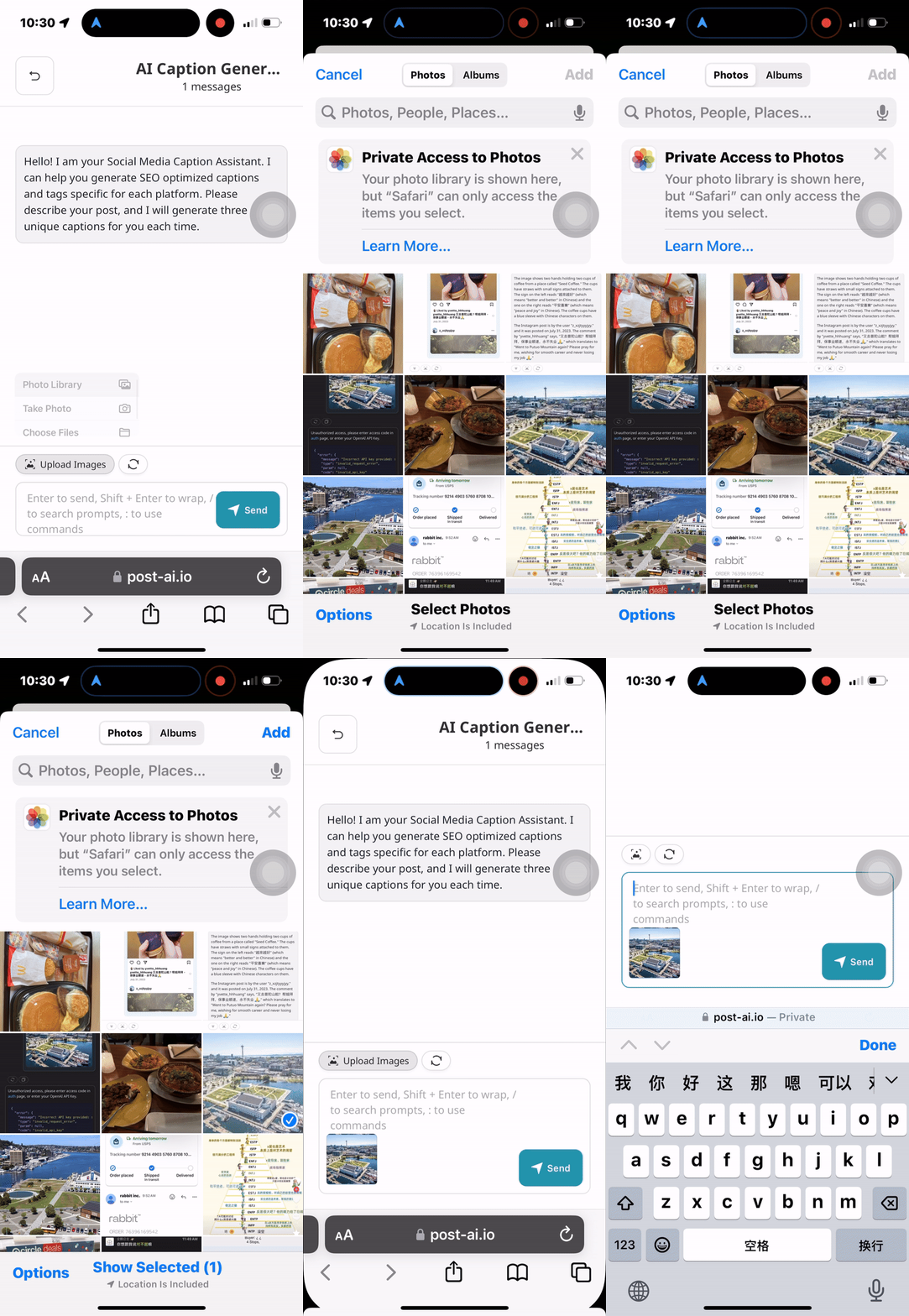
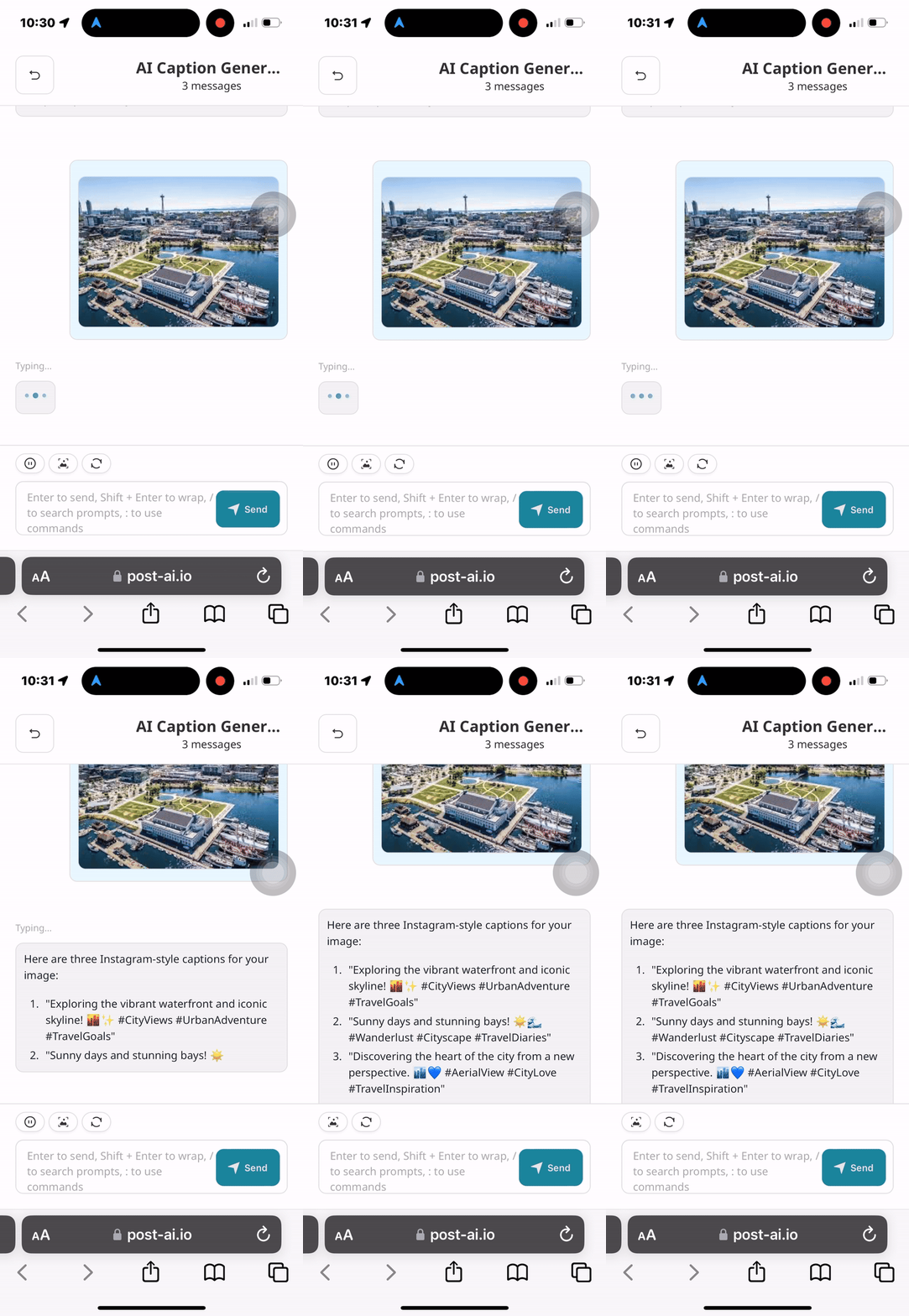
Post-ai.io is a web app that allows users to upload media files to generate captions with three options, or to polish existing captions for enhancement. The default APIs we connect to are GPT-4.0 and GPT-4. Additionally, we offer users the freedom to choose other preferred APIs such as Gemini and Claude at no cost.
How we built it
In a span of just a few weeks, our team diligently worked on creating and refining Post-AI.io, a versatile AI-powered content generator. Initially, we explored various tools and platforms such as UpGrow for inspiration, deciding on essential features for our service, like multi-platform caption generation and the possibility of text-to-image functions.
For the frontend, we chose Next.js and React.js as our primary frameworks. These technologies allowed us to create a responsive and interactive user interface, providing a seamless experience across different devices. The UI was designed with simplicity and functionality in mind, featuring a clean layout with a message input area and a send button.
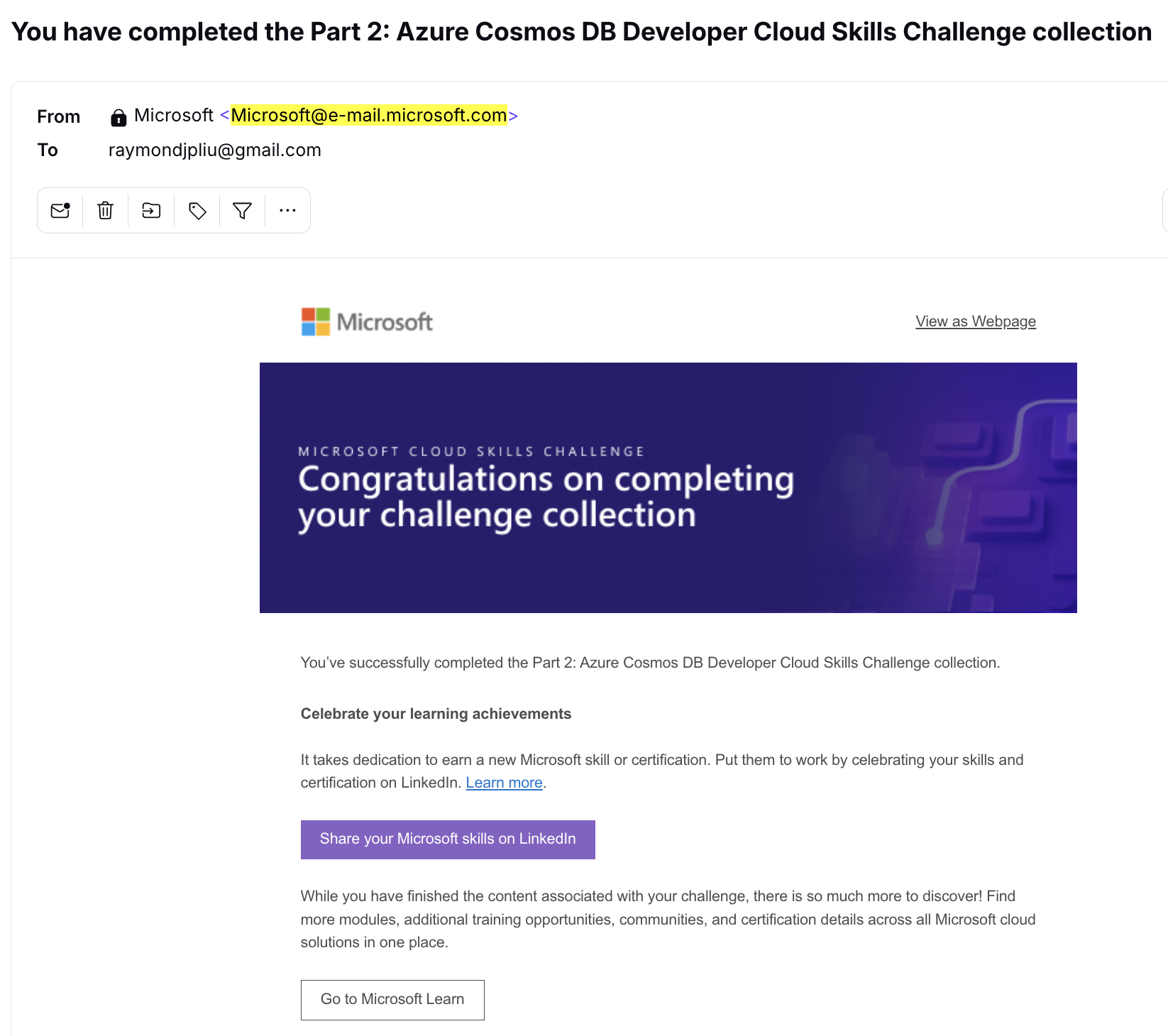
On the backend, we utilized Azure AI studio to implement our AI-powered caption generation capabilities. This allowed us to tap into advanced natural language processing models to create engaging and platform-specific captions. We also integrated Cosmos DB as our database solution, ensuring efficient data storage and retrieval.
To handle state management and API interactions, we implemented custom hooks and context providers in React. This approach allowed us to maintain a clean and organized codebase while ensuring efficient data flow throughout the application.
For deployment and hosting, we chose Vercel for the frontend and Azure App Service for the backend. Vercel's seamless integration with Next.js allowed for quick and easy deployments, while Azure App Service provided a reliable and scalable environment for our backend services.
Throughout the development process, we focused on creating a modular and extensible architecture. This approach allows for easy addition of new features and improvements in the future, such as supporting multiple social media platforms or integrating text-to-image capabilities.
Our development process was marked by rapid iterations and weekly updates, each adding layers of complexity and refinement. We held strategic meetings to align on next steps, including the essential setup of business infrastructure and planning further development.
The result is a functional prototype that demonstrates the core capabilities of Post-AI.io, showcasing our ability to generate AI-powered captions for social media posts. This hackathon project serves as a solid foundation for future enhancements and potential commercialization.
Challenges we ran into
- Uploading Media Files: Our initial version, which did not support media file uploads, was insufficient (initial version). We scrapped this idea and explored new solutions for both the front end and API integration, ultimately deciding on GPT-4.0 and GPT-4 as our default APIs to support both media and text simultaneously.
- Multi-Model Support and Customized Prompts: Initially, we planned to use only ChatGPT. However, user feedback from our demo presentation indicated a preference for other APIs. Raymond and I collaborated to optimize the user experience, enabling users to customize their prompts and model choices through an intuitive interface in the final version.
- Storage and Re-training Model with Encrypted Data: Post-demo, we realized the value of retaining user-generated content for re-training our model. To ensure user privacy while enhancing our model, we implemented end-to-end encryption for data used in model training.
Accomplishments that we're proud of
We are particularly proud of our ability to integrate multiple AI models into a single platform while maintaining user-friendly customization options. Our success in implementing end-to-end encryption to protect user privacy while utilizing data for model refinement stands out as a significant achievement.
What we learned
This project taught us the importance of flexibility and responsiveness to user feedback in product development. We also gained valuable insights into the technical challenges of managing multi-API integration and ensuring data security in AI-driven applications.
What's next for Post-ai.io
Looking ahead, Post-ai.io aims to expand its capabilities to include more languages and regional dialects to cater to a global audience. We are also exploring the addition of AI-driven analytics to provide users with insights into the performance of their posts based on the generated captions. Furthermore, we plan to enhance our machine learning models to offer even more precise and contextually appropriate captions, solidifying Post-ai.io as a leader in social media content generation.
Built With
- azure-ai-studio
- azure-app-service
- azure-cosmos-db
- claude
- gemini
- gpt4
- gpt4o
- heroku
- html
- javascript
- mongodb
- next.js
- node.js
- openai
- openai-api
- react.js
- typescript
- vercel


Log in or sign up for Devpost to join the conversation.