Inspiration
After repeatedly writing bug reports during web testing, it became clear that the slowest parts were capturing context, drafting clear repro steps, and polishing language—often under time pressure and with privacy constraints that blocked cloud AI. A local‑first assistant inside the browser could automate the boring parts, keep data on device, and standardize report quality across teams.
What it does
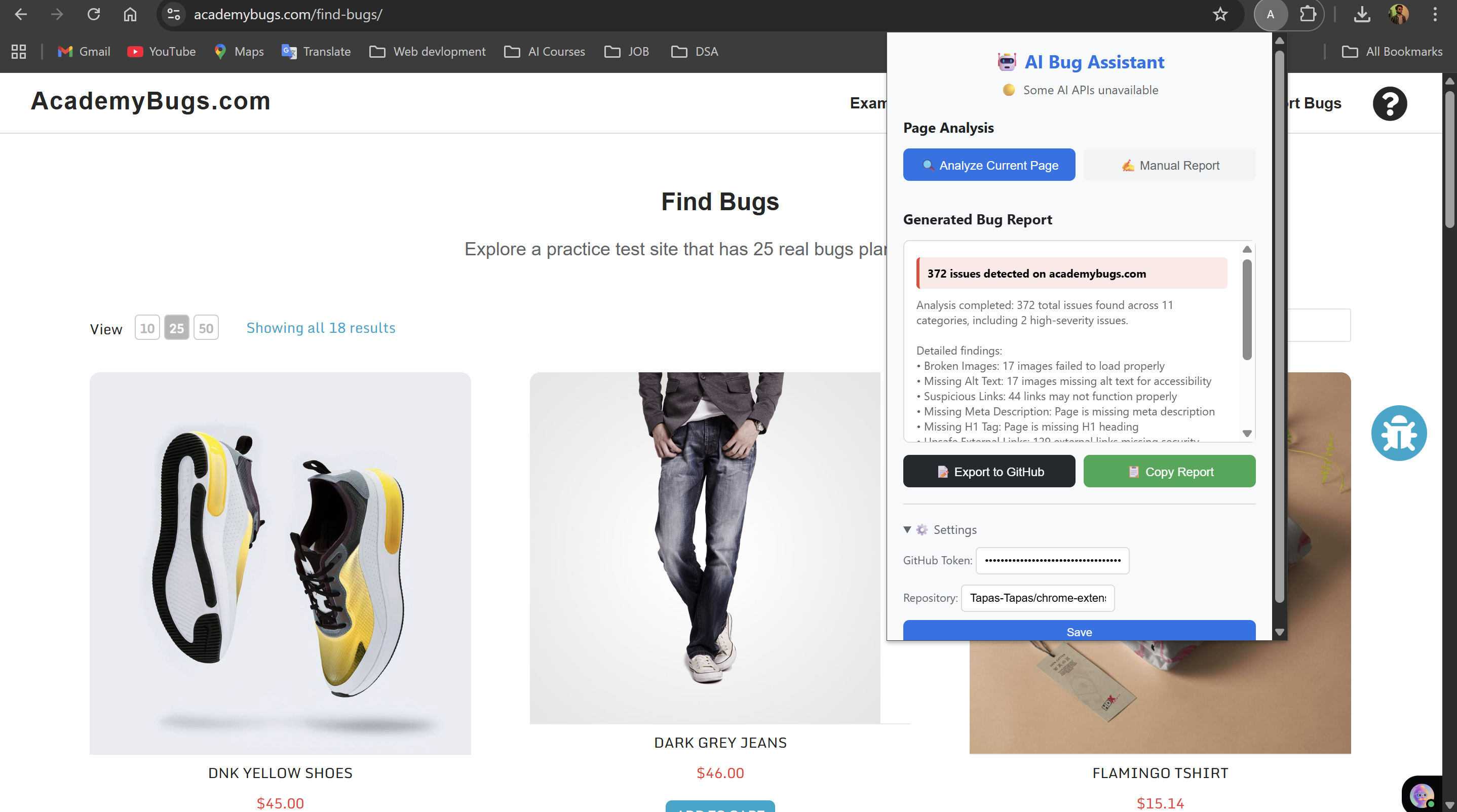
- Observes the current page to gather high‑signal clues: broken images/links, console errors, basic accessibility flags, and large unoptimized assets.
- Uses on‑device AI to draft a concise Issue Summary, propose reproducible steps, and proofread/polish titles and Markdown descriptions.
- Exports one‑click reports to GitHub Issues or a Google Doc template with severity/priority, environment, and steps.
How we built it
- Manifest V3 extension with a content script for page analysis, a background service worker to orchestrate AI pipelines and exports, and a popup UI for control and previews.
- On‑device AI flow: summarize detected signals and context, generate repro steps, proofread the title and description, then rewrite the final Markdown for clarity.
- Integrations: GitHub REST API for direct issue creation with labels, and a Docs template path for teams preferring documents.
Challenges we ran into
- Balancing signal and speed: limiting DOM scans and focusing on high‑value checks to keep the content script snappy.
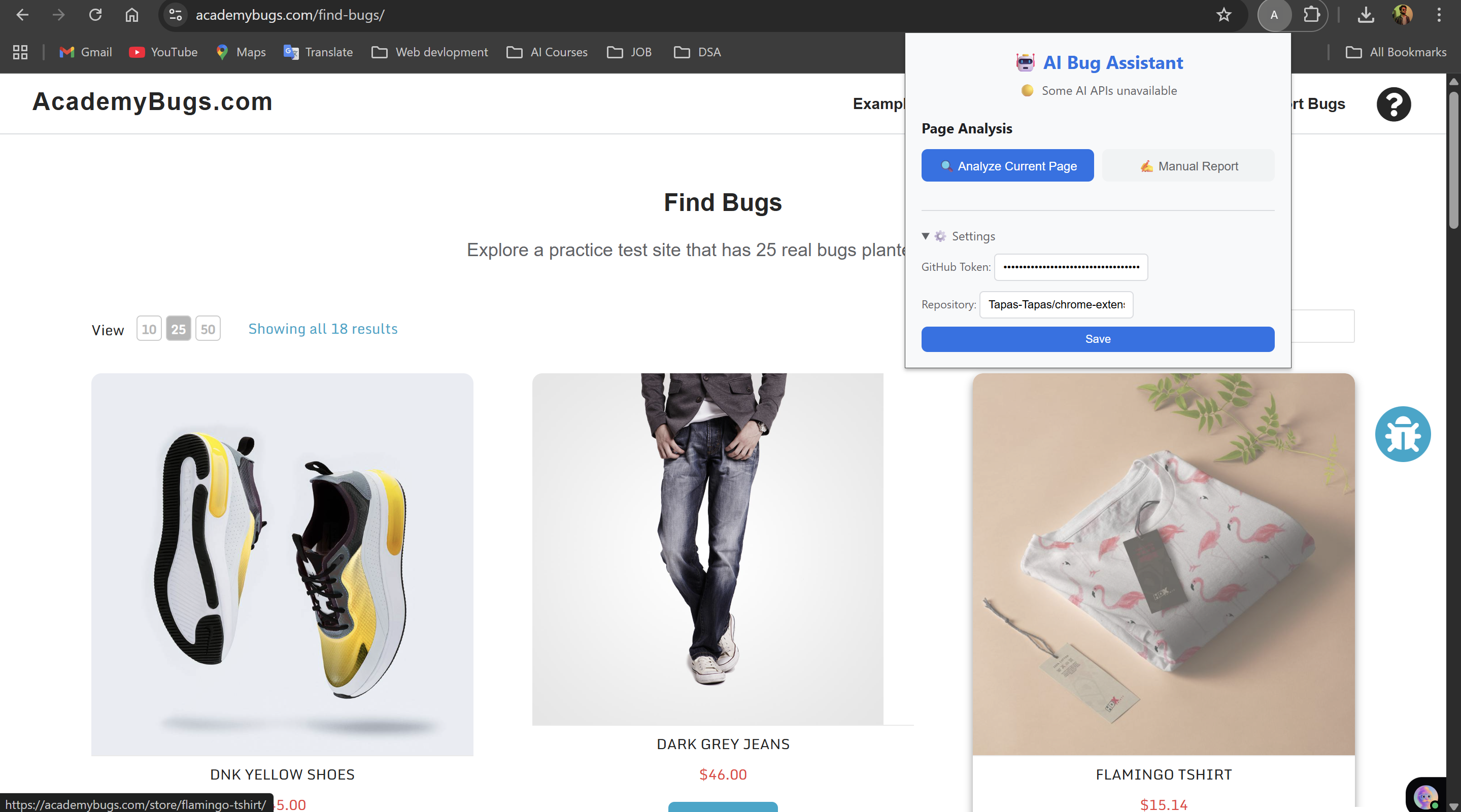
- AI availability and graceful fallback: handling first‑run model downloads, hardware constraints, and offline states without blocking the workflow.
- Export robustness: validating repo/token configuration, surfacing clear errors, and preventing duplicate issue creation.
- Usability in a small popup: status indicators, progress states, and an editable preview without overwhelming the interface.
Accomplishments that we’re proud of
- End‑to‑end “one click → clean report” flow that consistently produces reproducible, developer‑friendly issues.
- Privacy‑first architecture where testing data stays local, yet integrates smoothly with existing GitHub workflows.
- A structured Markdown report that teams can adopt immediately, improving triage quality and reducing back‑and‑forth.
What we learned
- Local‑first AI reshapes UX: lower latency and higher trust, but it requires transparent readiness checks and fallbacks.
- Structure beats verbosity: consistent headings, short summaries, and explicit steps dramatically improve triage speed.
- Modest static checks (alt text, broken media, console capture) deliver outsized value when paired with summarization and rewriting.
- Extension ergonomics matter: clear permissions, minimal friction, and predictable behavior make adoption easier.
What’s next for AI Bug‑Report Assistant
- Deeper accessibility rules and lightweight perf hints; optional Lighthouse integration.
- Multilingual QA with translation and locale‑aware rewriting.
- Visual context: annotated screenshots with sensitive‑data redaction.
- Team workflows: Jira export and Slack/Discord notifications.
- Regression mode: compare snapshots across builds and highlight deltas.

Log in or sign up for Devpost to join the conversation.