
Inspiration
As a physiotherapist, I have seen how posture and movement-related problems often develop silently. Many people only seek help after pain or injury appears, while early warning signs go unnoticed.
This inspired me to explore how AI and computer vision could be used to detect movement and alignment issues earlier, in a simple and accessible way, before they turn into chronic problems.
What it does
AI Body Axia is an AI-powered platform that analyzes body alignment and movement using computer vision.
It evaluates posture, joint angles, and movement quality in real time, classifies potential risk levels, and provides immediate corrective feedback to support injury prevention and rehabilitation.
How we built it
The project was designed as a cloud-based AI workflow:
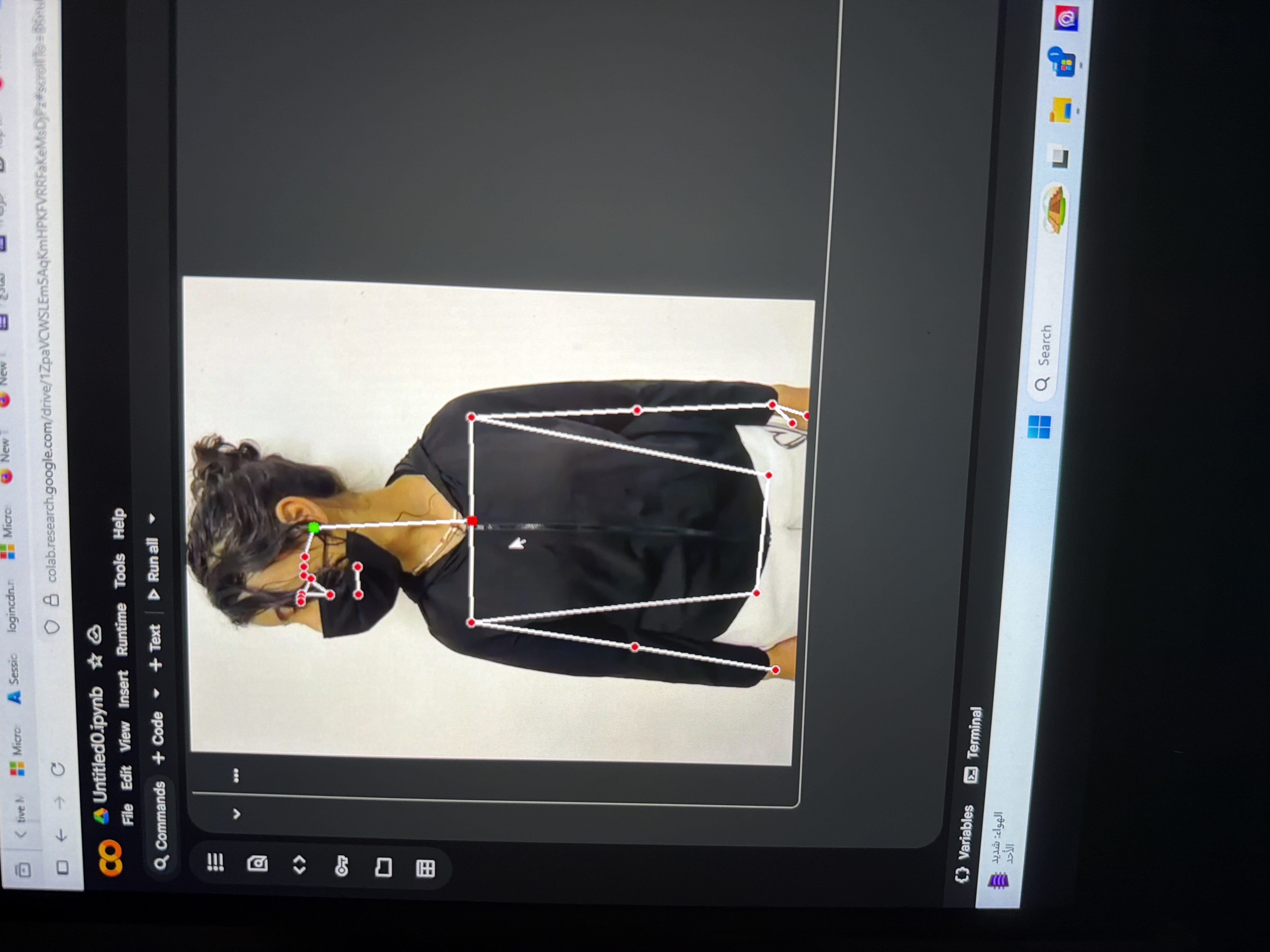
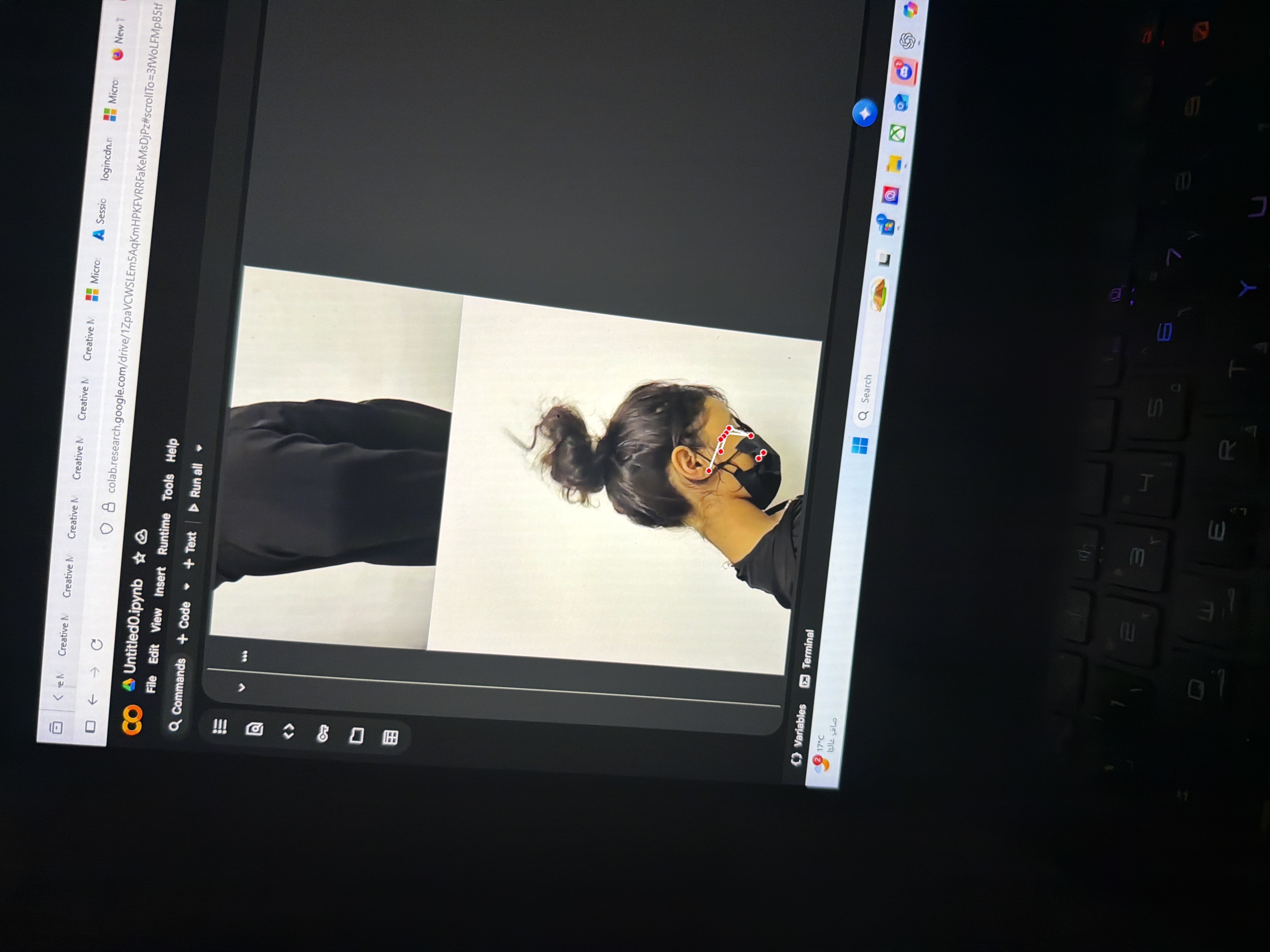
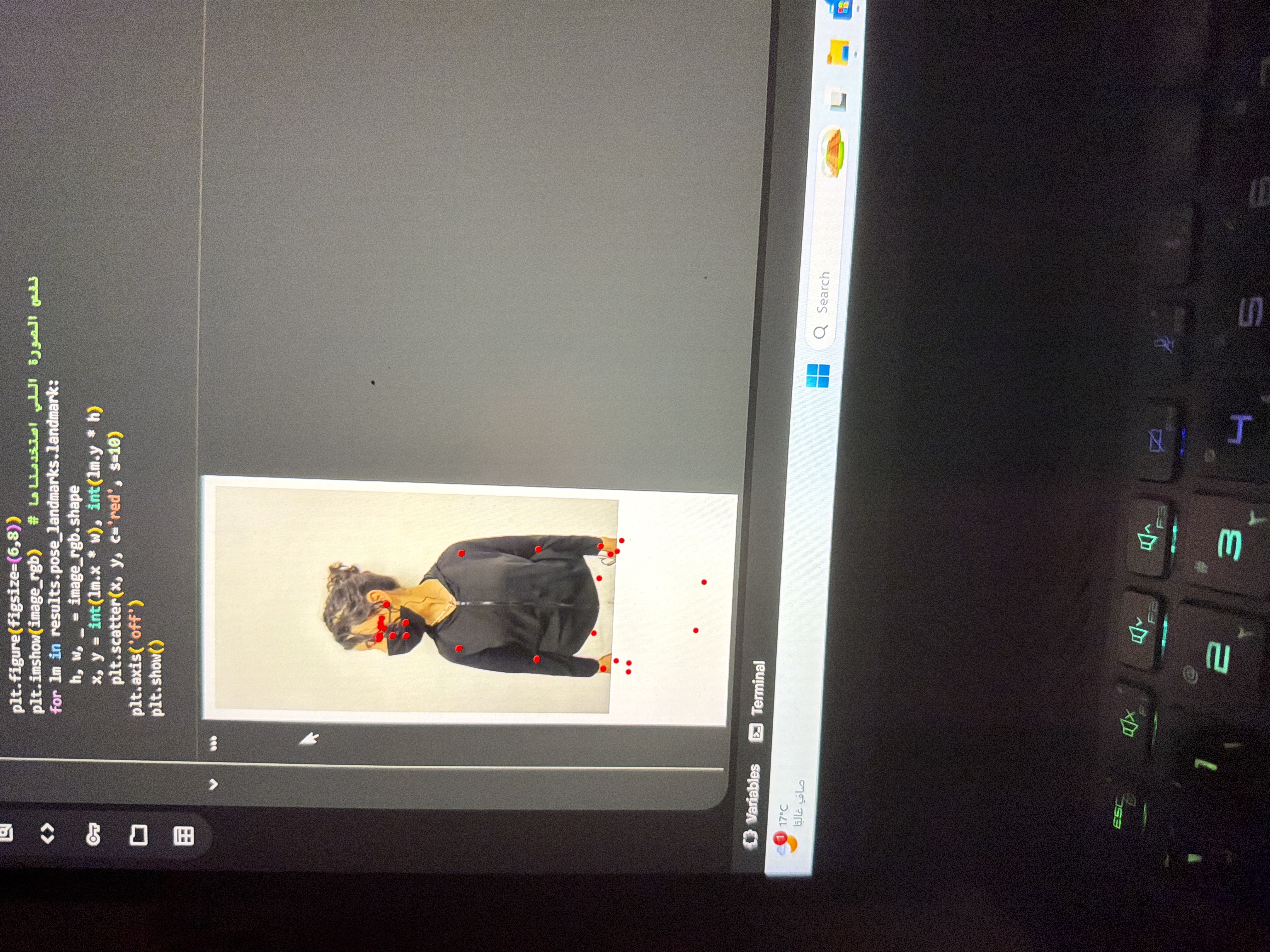
- Pose estimation is used to extract key body landmarks from camera input
- Movement and alignment features such as joint angles and symmetry are analyzed
- Lightweight AI models classify movement patterns into risk levels
- Google Cloud services support model training, data processing, and scalability
The focus was on building a clear, scalable AI pipeline rather than a fully deployed product.
Challenges we ran into
One of the main challenges was balancing clinical relevance with technical simplicity.
Translating movement quality—something traditionally assessed visually—into measurable AI features required careful consideration. Another challenge was defining a realistic prototype scope suitable for a hackathon timeframe.
Accomplishments that we're proud of
- Designing a clinically meaningful AI workflow for movement analysis
- Aligning healthcare needs with scalable cloud-based AI tools
- Creating a clear concept that bridges prevention, rehabilitation, and technology
What we learned
We learned that effective healthcare AI solutions do not need to be complex to be impactful.
Clear problem definition, simple models, and meaningful feedback can provide strong value, especially in preventive care and early risk detection.
What's next for AI Body Axia
Next steps include validating the model logic with real movement data, refining risk classification accuracy, and expanding the platform toward personalized insights for users and clinicians.
The long-term vision is to support preventive healthcare and digital rehabilitation through data-driven movement intelligence.

Log in or sign up for Devpost to join the conversation.