Inspiration
Identifying reliable disease biomarkers from high-dimensional gene expression data is a complex and time-consuming process that often requires multiple specialized bioinformatics tools and programming expertise. Researchers and students frequently struggle to integrate data preprocessing, statistical analysis, machine learning, and biological interpretation into a single workflow. We developed the AI Biomarker Discovery Platform to simplify this process by providing an end-to-end, interactive platform that combines bioinformatics and artificial intelligence to accelerate biomarker discovery and make advanced transcriptomic analysis more accessible.
What it does
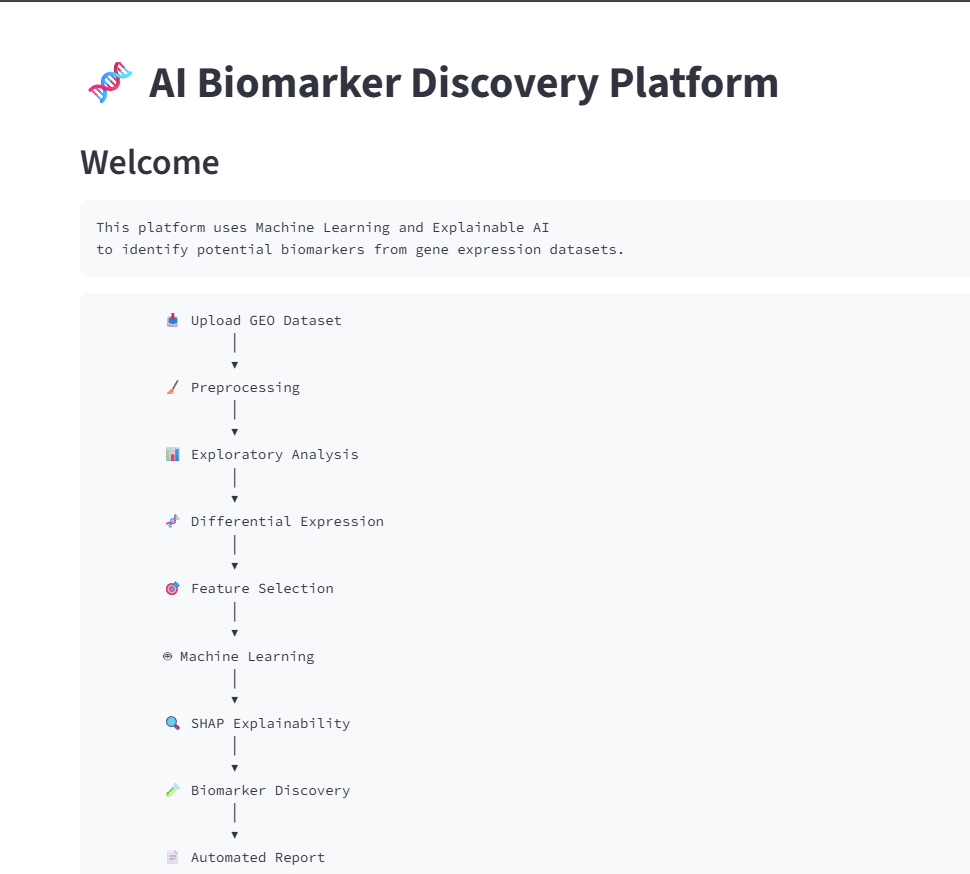
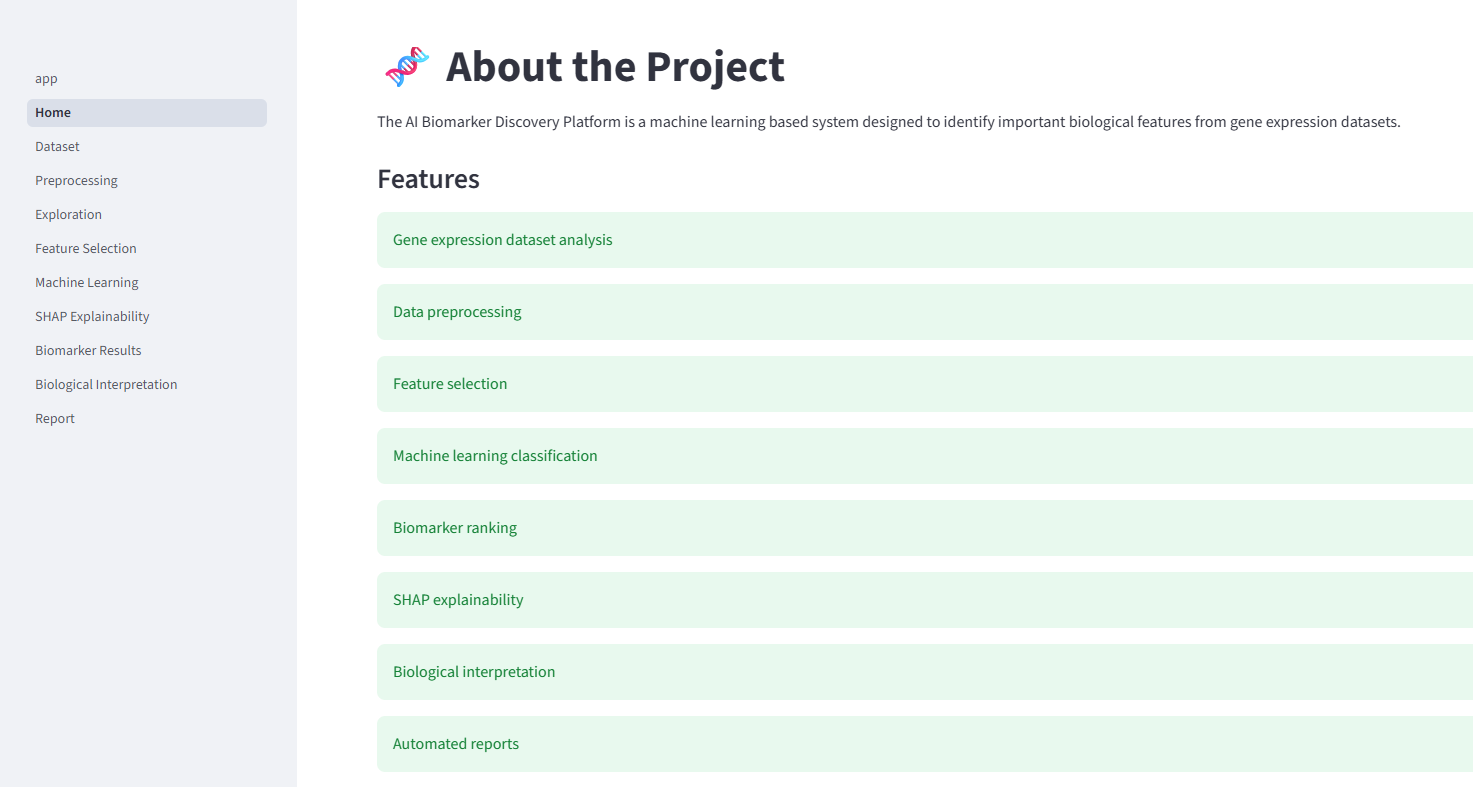
The AI Biomarker Discovery Platform is an end-to-end web application that enables users to analyze gene expression datasets and identify potential disease biomarkers using machine learning and explainable AI. Users can:
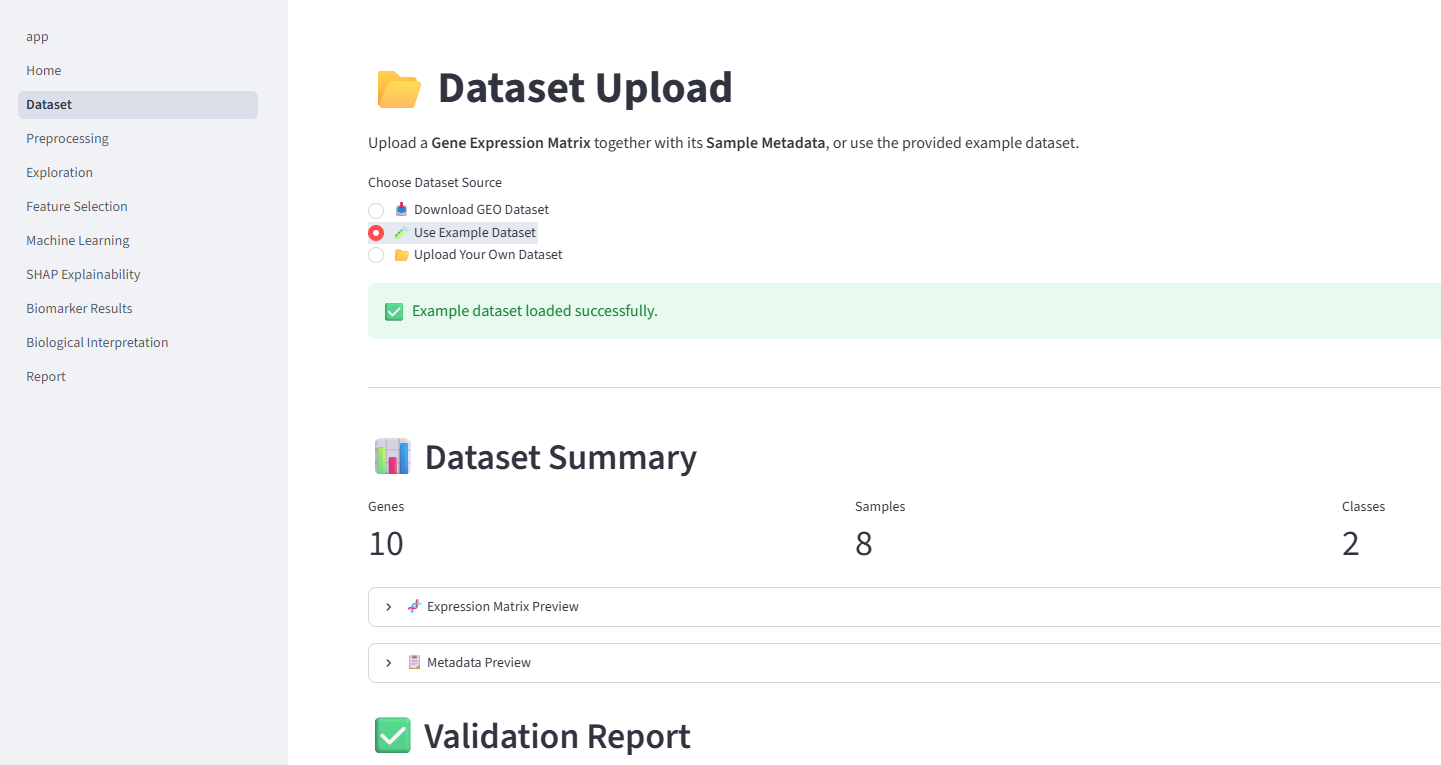
- Upload gene expression and metadata files.
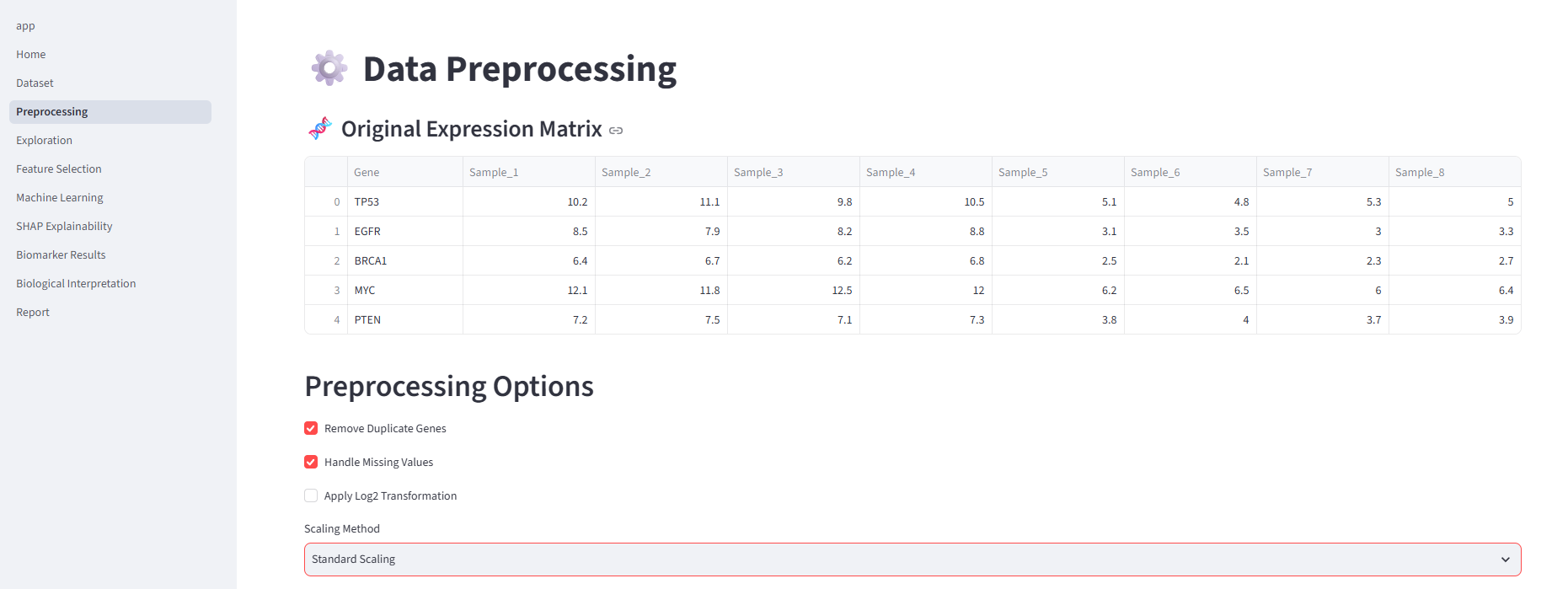
- Perform data preprocessing, quality control, and normalization.
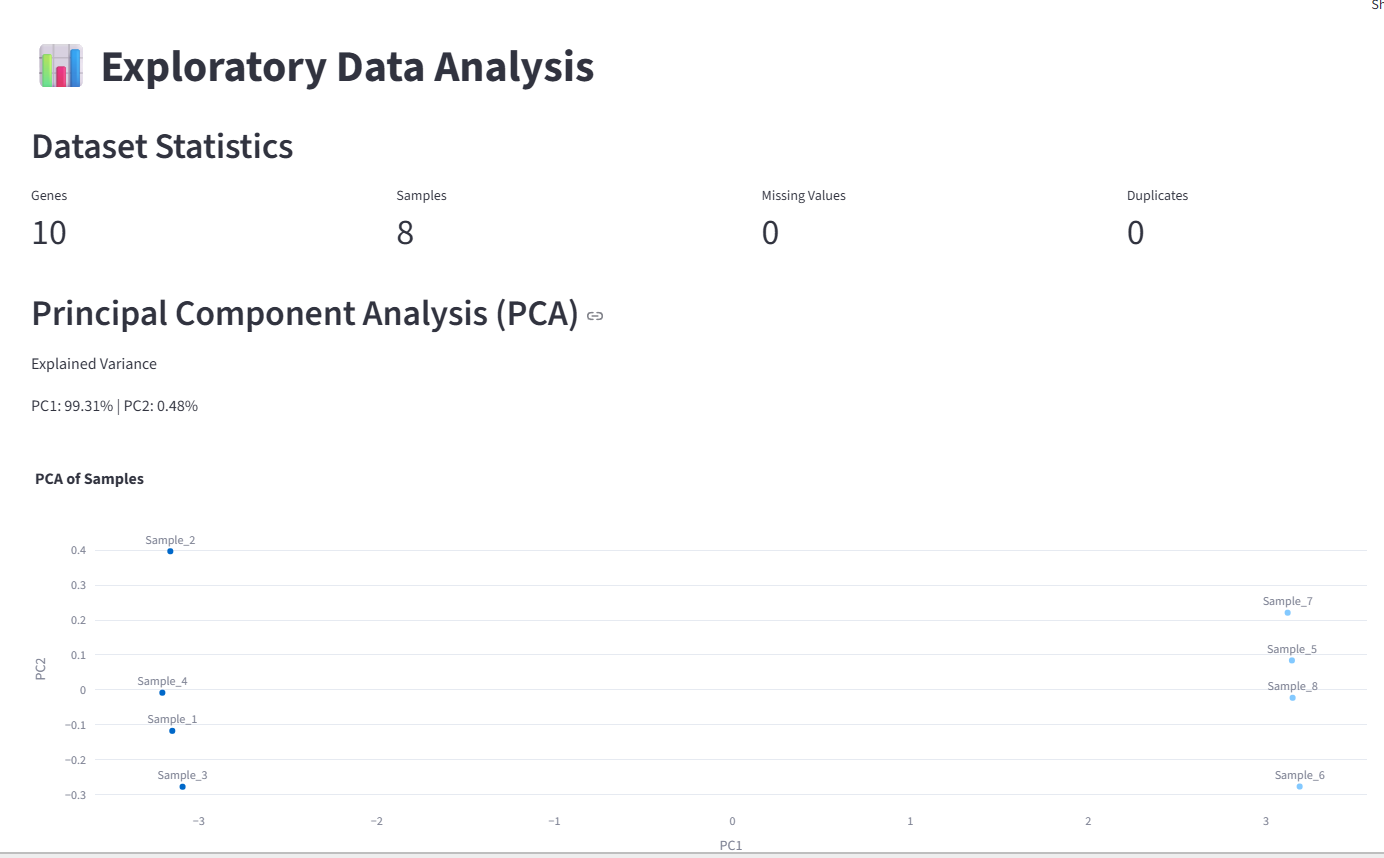
- Explore data through PCA, t-SNE, and UMAP visualizations.
- Conduct differential gene expression analysis.
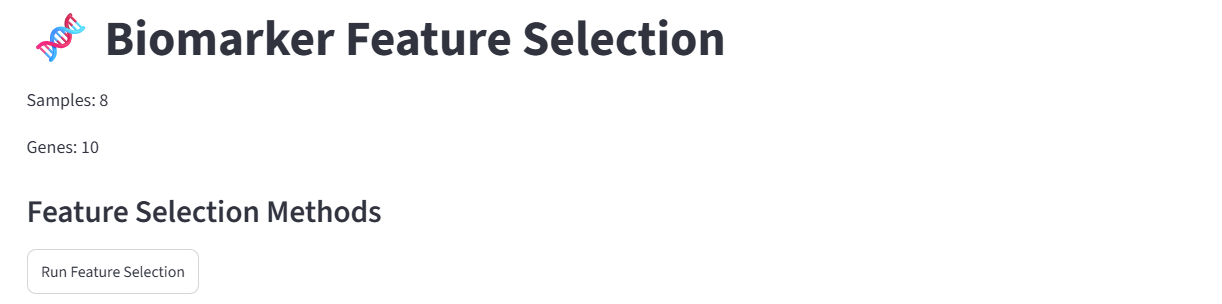
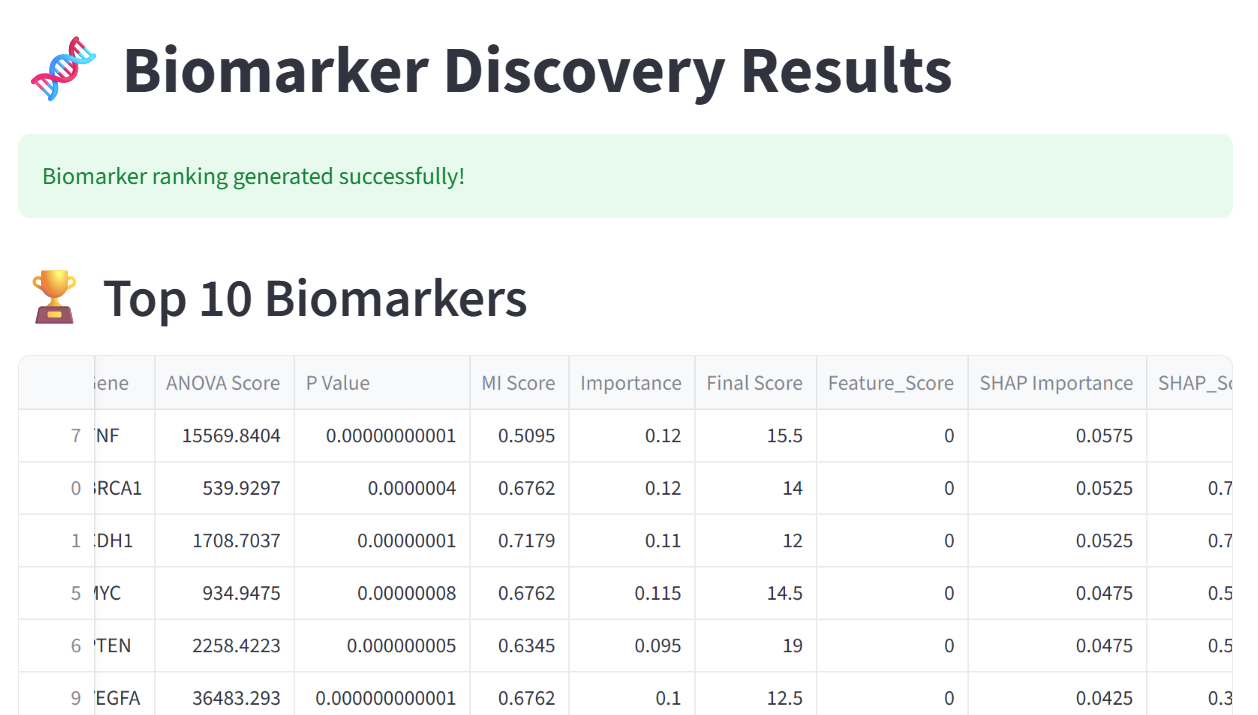
- Apply feature selection techniques to identify candidate biomarkers.
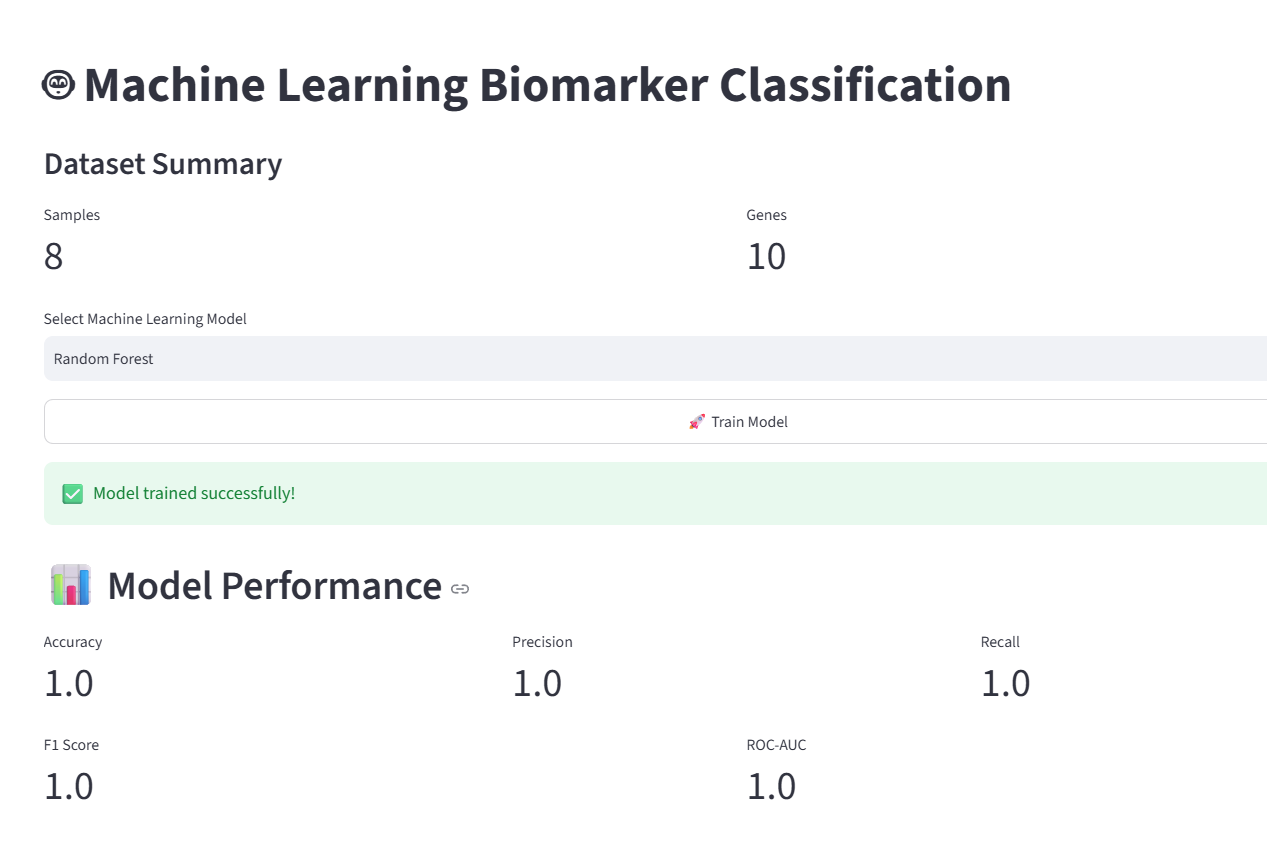
- Train machine learning models for disease classification.
- Interpret model predictions using SHAP explainability.
- Perform functional enrichment and biological pathway analysis.
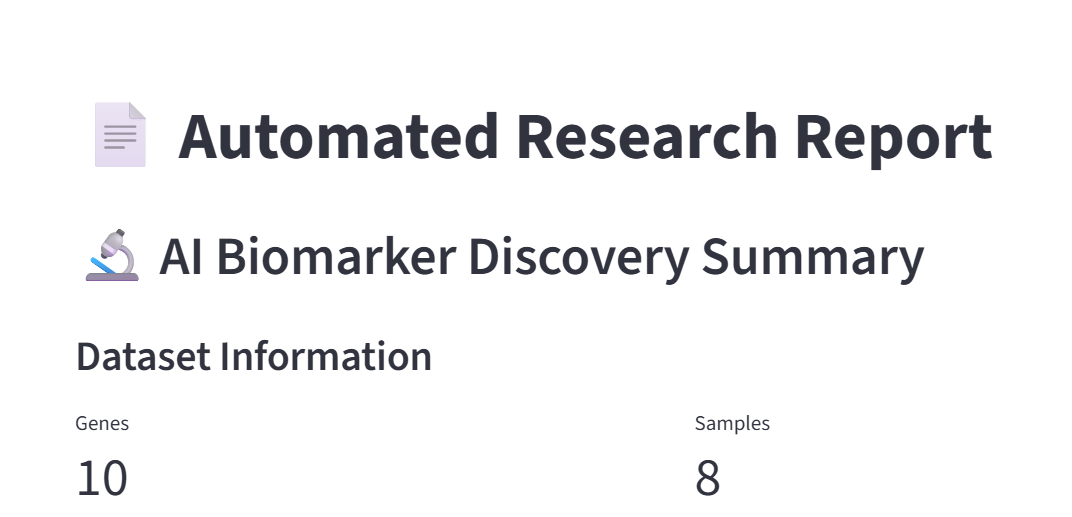
- Generate automated research reports summarizing the analysis. The platform streamlines biomarker discovery into a single interactive workflow, making advanced transcriptomic analysis accessible to researchers, students, and educators.
How we built it
The platform was developed using Python and Streamlit with an integrated machine learning and bioinformatics pipeline.
Tech Stack
- Python
- Streamlit
- Scikit-learn
- Pandas
- NumPy
- Plotly
- Matplotlib
- SHAP
- SciPy The application combines statistical analysis, machine learning, interactive visualizations, and explainable AI into a unified interface for transcriptomic data analysis.
Challenges we ran into
Developing the platform involved several technical challenges:
- Processing high-dimensional transcriptomic datasets efficiently.
- Designing an intuitive workflow that supports both beginners and experienced researchers.
- Integrating multiple stages of the biomarker discovery pipeline into a single application.
- Balancing computational performance with interactive visualizations.
- Making machine learning models interpretable using SHAP explainability.
- Automating biological interpretation while maintaining flexibility for different datasets. ## Accomplishments that we're proud of
- Built a complete end-to-end biomarker discovery workflow within a single application.
- Successfully integrated transcriptomic analysis, machine learning, and explainable AI.
- Developed interactive visualizations that simplify exploration of complex biological data.
- Automated biomarker prioritization and biological interpretation to support research workflows.
- Created an accessible platform that reduces the technical barriers to transcriptomic analysis for students and researchers.
What we learned
Developing this project strengthened our understanding of:
- Transcriptomic data analysis workflows.
- Biomarker discovery using machine learning.
- Feature selection and classification techniques for high-dimensional biological datasets.
- Explainable AI methods for interpreting predictive models.
- Designing interactive bioinformatics applications for scientific research.
- Building reproducible and user-friendly computational biology tools.
What's next for AI Biomarker Discovery Platform
We plan to expand the platform with more advanced capabilities, including:
- Support for single-cell RNA-seq analysis.
- Multi-omics integration (genomics, transcriptomics, proteomics, and metabolomics).
- Deep learning models for biomarker prediction.
- Integration with public biological databases such as TCGA, GEO, Ensembl, and OpenTargets.
- Drug target prioritization and therapeutic candidate identification.
- Advanced pathway enrichment and network analysis.
- Publication-ready report generation with customizable outputs.
- Cloud-based deployment for large-scale transcriptomic datasets.
- Collaborative workspaces for research teams. Our long-term vision is to create a comprehensive AI-powered bioinformatics platform that enables researchers to accelerate biomarker discovery, improve biological interpretation, and support precision medicine through accessible and reproducible computational workflows.

Log in or sign up for Devpost to join the conversation.