-
-
screenshot

Inspiration
A lot of time is spent by teachers and graders manually grading hundreds of students' work in universities and schools. This tedious and time-consuming process takes educators away from more valuable tasks like providing personalized feedback and support to students. An AI-based grading system could significantly reduce this burden and improve the efficiency of the grading process.
What it does
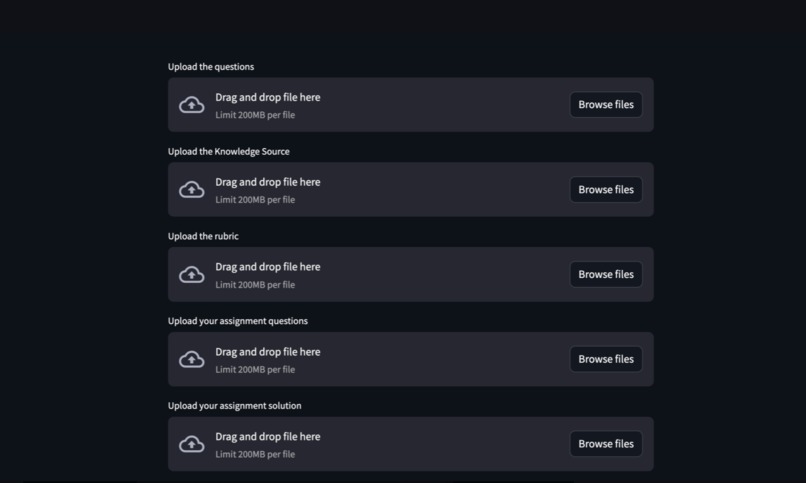
The AI-based rubric grading app automatically evaluates student assignments based on predefined rubrics. Teachers can create custom rubrics for each assignment, specifying the criteria and weightage for different aspects of the work. The app then uses advanced natural language processing and machine learning algorithms to analyze student submissions and assign scores based on the rubric. This provides a consistent and objective grading process, saving teachers valuable time.
How we built it
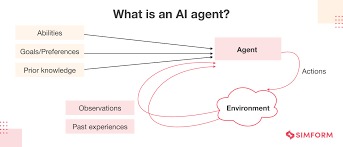
Using an Agentic workflow that uses plan and solve. We use Amazon bedrock and mongo db atlas in our pipeline
Challenges we ran into
Integrating Amazon bedrock and generating json output
Accomplishments that we're proud of
We are proud to have developed a functional and user-friendly AI-based grading app that has the potential to revolutionize the way grading is done in educational institutions. The app's ability to accurately assess student work based on custom rubrics and provide instant feedback is a significant accomplishment. We are also proud of the app's scalability, allowing it to handle large volumes of submissions and support multiple users simultaneously.
What we learned
Throughout the development process, we gained valuable insights into the application of AI in education. We learned about the intricacies of natural language processing and how to effectively train models to understand and evaluate human language. We also gained experience in integrating AI components with web applications and optimizing performance for real-time grading. Additionally, we learned the importance of user feedback and iterative development in creating a product that meets the needs of educators and students.
What's next for AI based rubric grading
The next steps for the AI-based rubric grading app include expanding its capabilities to support a wider range of assignment types and subject areas. We plan to incorporate more advanced AI techniques, such as deep learning and transfer learning, to further improve grading accuracy and efficiency. Additionally, we aim to integrate the app with existing learning management systems to provide a seamless experience for teachers and students. Ultimately, our goal is to make the app widely accessible to educational institutions worldwide, transforming the way grading is done and empowering educators to focus on what matters most – student learning and growth.
Built With
- amazon-web-services
- langchain
- mongodb
- openai
- python

Log in or sign up for Devpost to join the conversation.