-
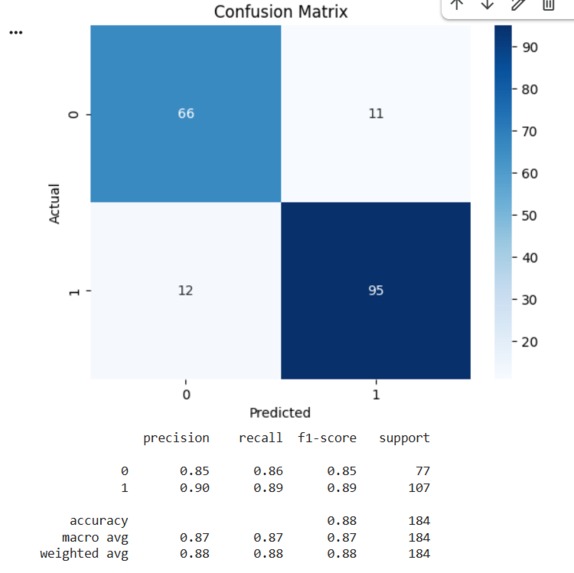
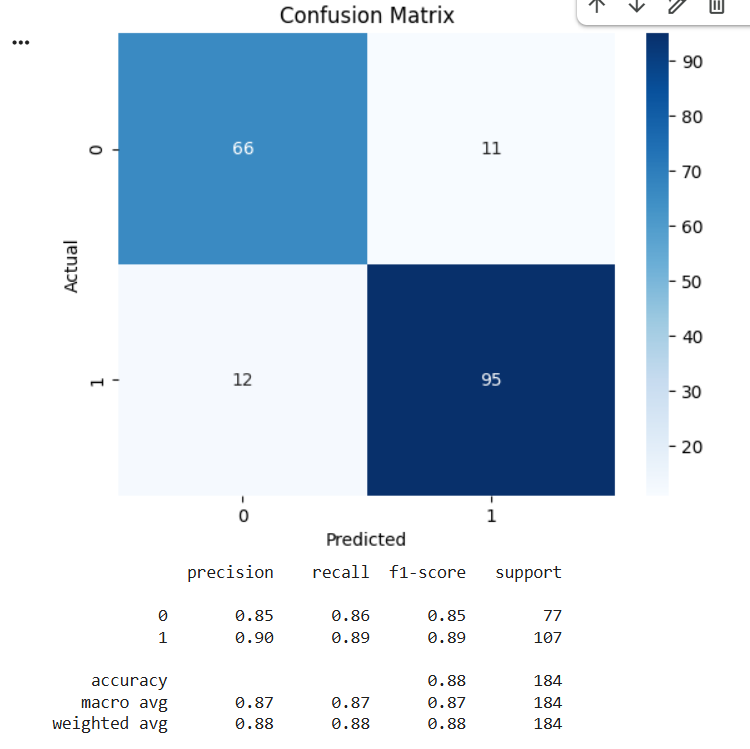
AI correctly identified 161 out of 184 patients. Overall accuracy: 87.5%
-
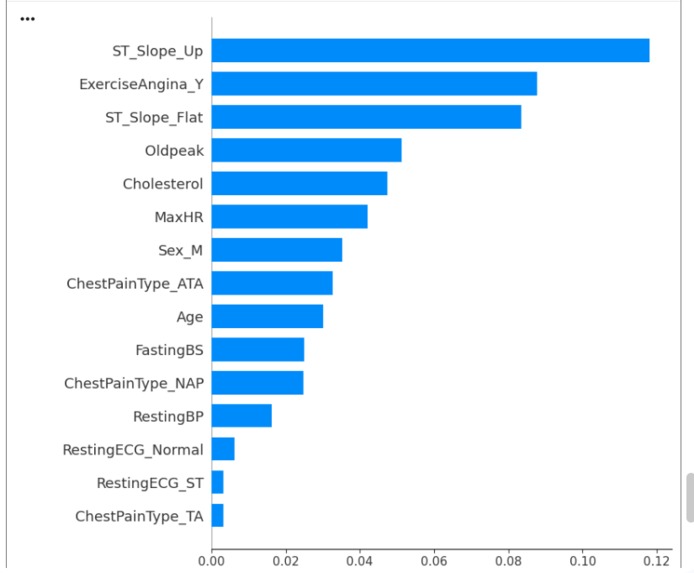
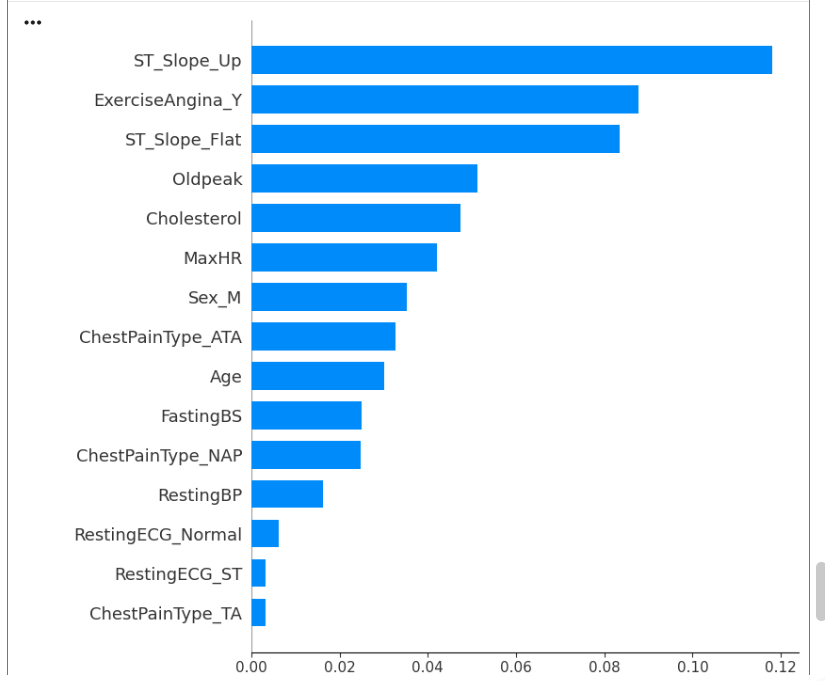
SHAP Explainable AI showing which factors cause heart disease most. ST_Slope is #1 risk factor.
-
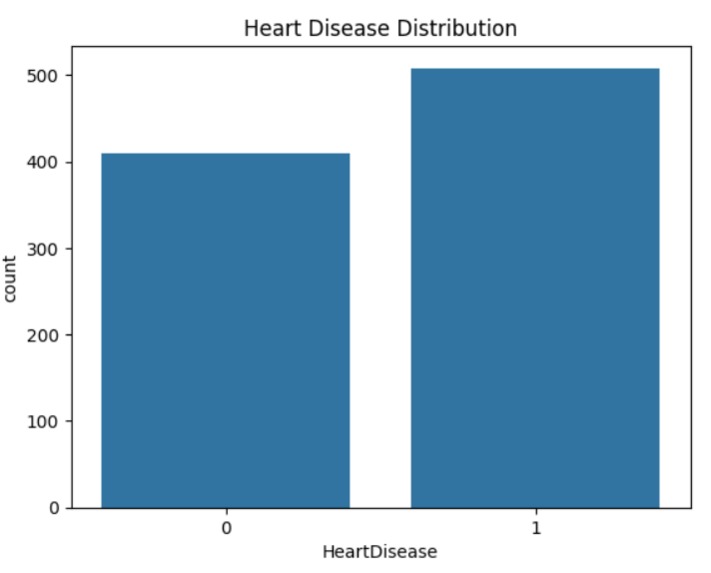
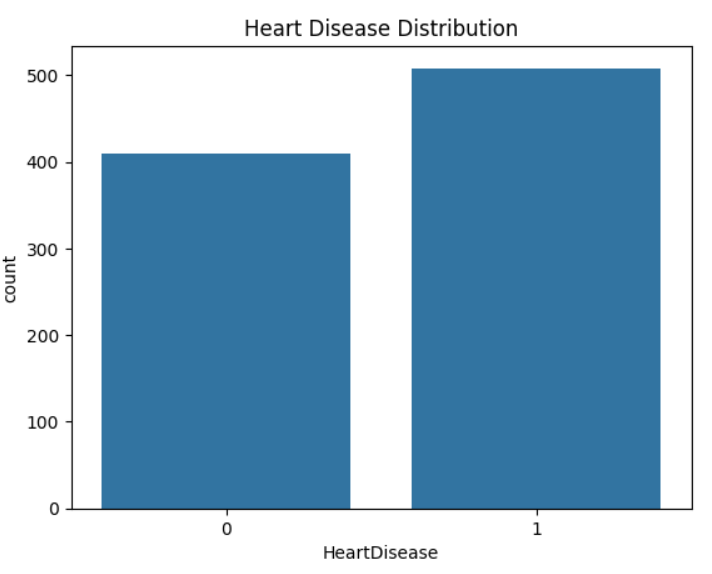
Dataset shows 410 healthy and 508 sick patients. Well balanced for AI training.
-
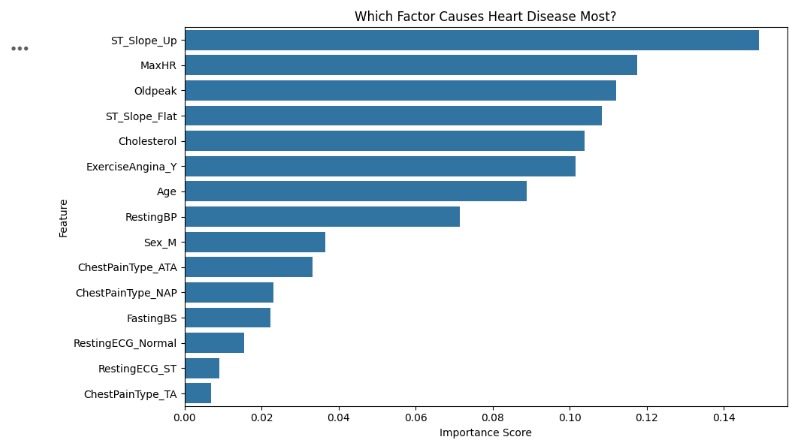
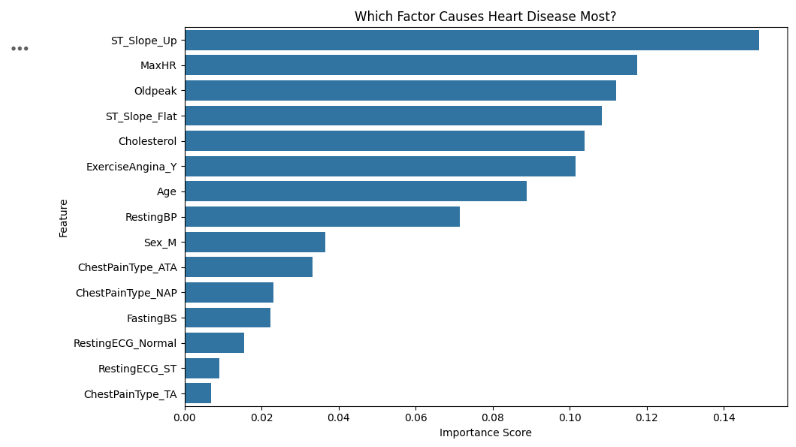
Random Forest feature importance showing ST_Slope, ExerciseAngina and Oldpeak as top factors.
-
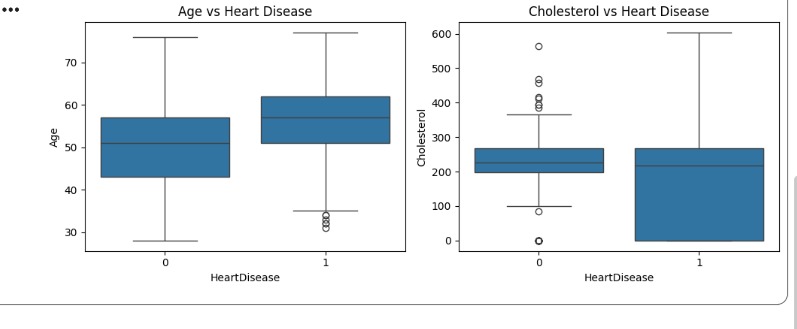
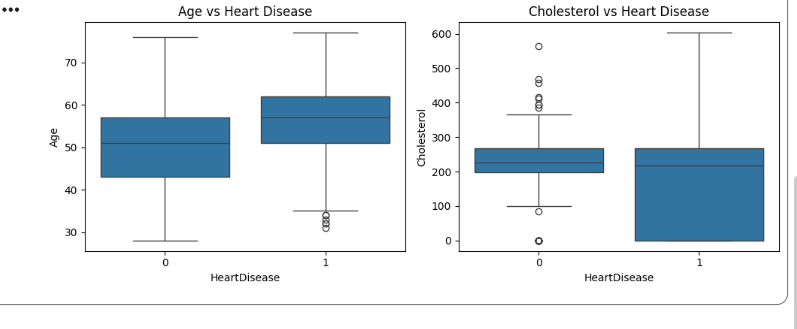
Older patients (avg 57) have more heart disease risk. Cholesterol shows wider variation in sick patients.
Inspiration
Cardiovascular disease is the #1 cause of death globally. I wanted to build an AI tool that helps doctors detect heart disease risk early and save lives.
What I Learned
- How to build a Machine Learning model
- How to use Explainable AI (SHAP)
- How to analyze real medical data
- How Random Forest Classifier works
How I Built It
- Used a dataset of 918 patients with 16 medical features
- Cleaned and analyzed the data
- Trained a Random Forest Classifier (87.5% accuracy)
- Added SHAP for Explainable AI
- Built a Patient Risk Predictor
Challenges I Faced
- Understanding medical data columns
- Fixing errors in the code
- Making AI explainable for doctors
Results
- Model Accuracy: 87.5%
- Precision: 0.87
- Recall: 0.87
- F1-Score: 0.87
- Most Important Factor: ST_Slope (ECG pattern)
Built With
- matplotlib
- pandas
- python
- scikit-learn
- seaborn
- shap


Log in or sign up for Devpost to join the conversation.