Inspiration
Many college students struggle to organize their schoolwork. Even in a professional environment, sorting through large stack of documents is time-consuming.
What it does
Our device uses a convoluted neural network to automatically determine what category a document falls under. The mechanical portion of the design then sorts the file into a drawer based on its category.
How we built it
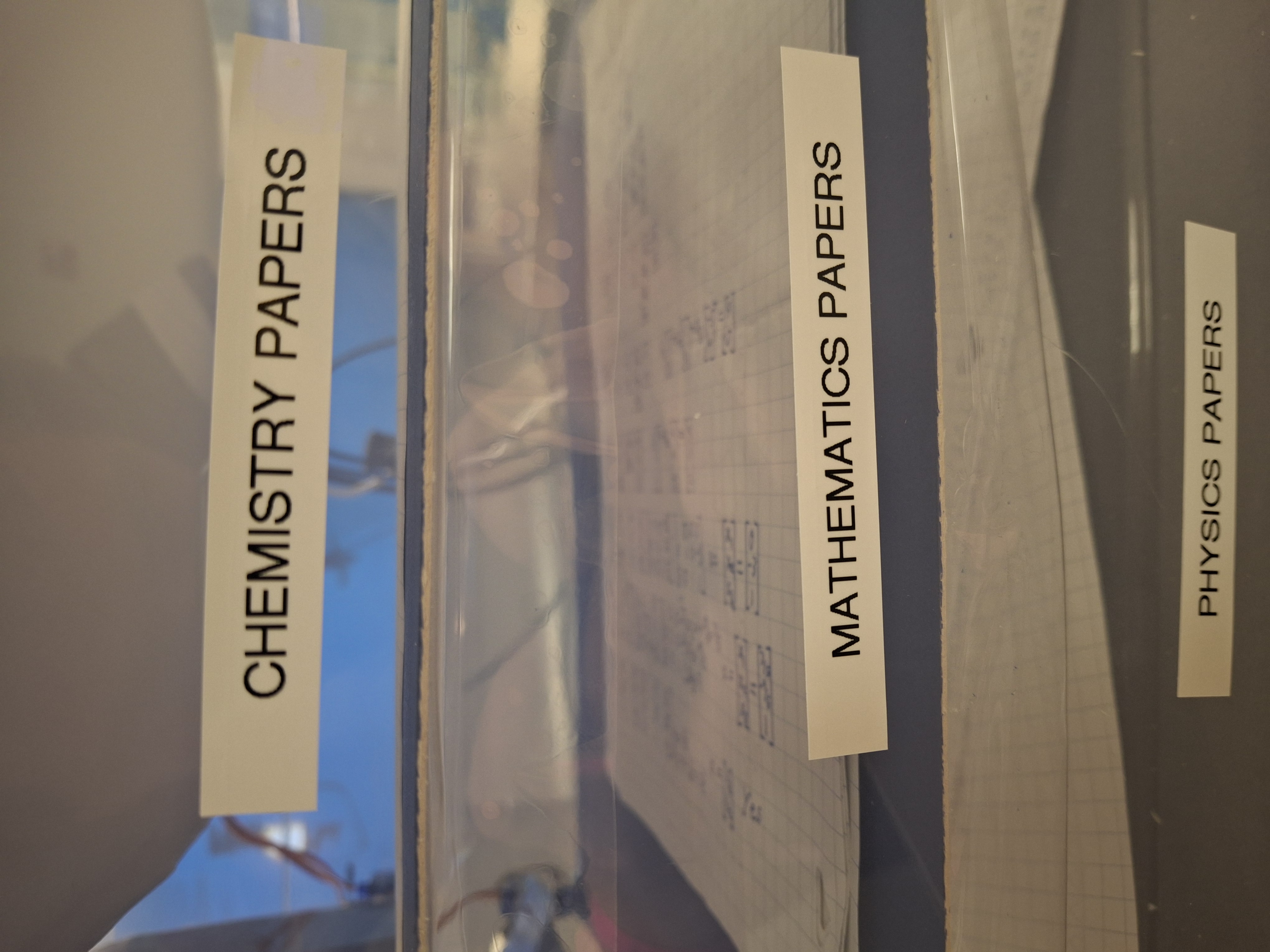
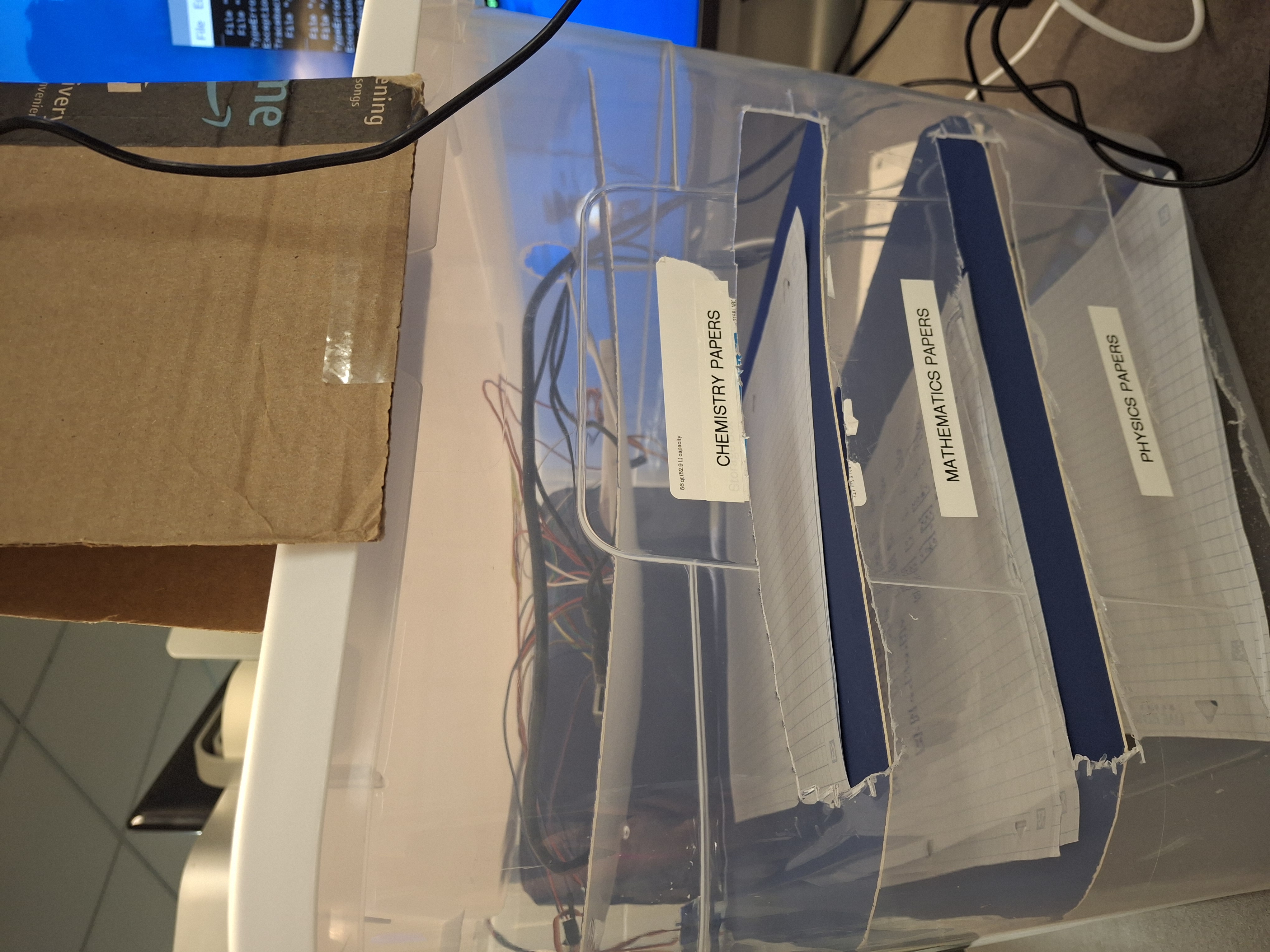
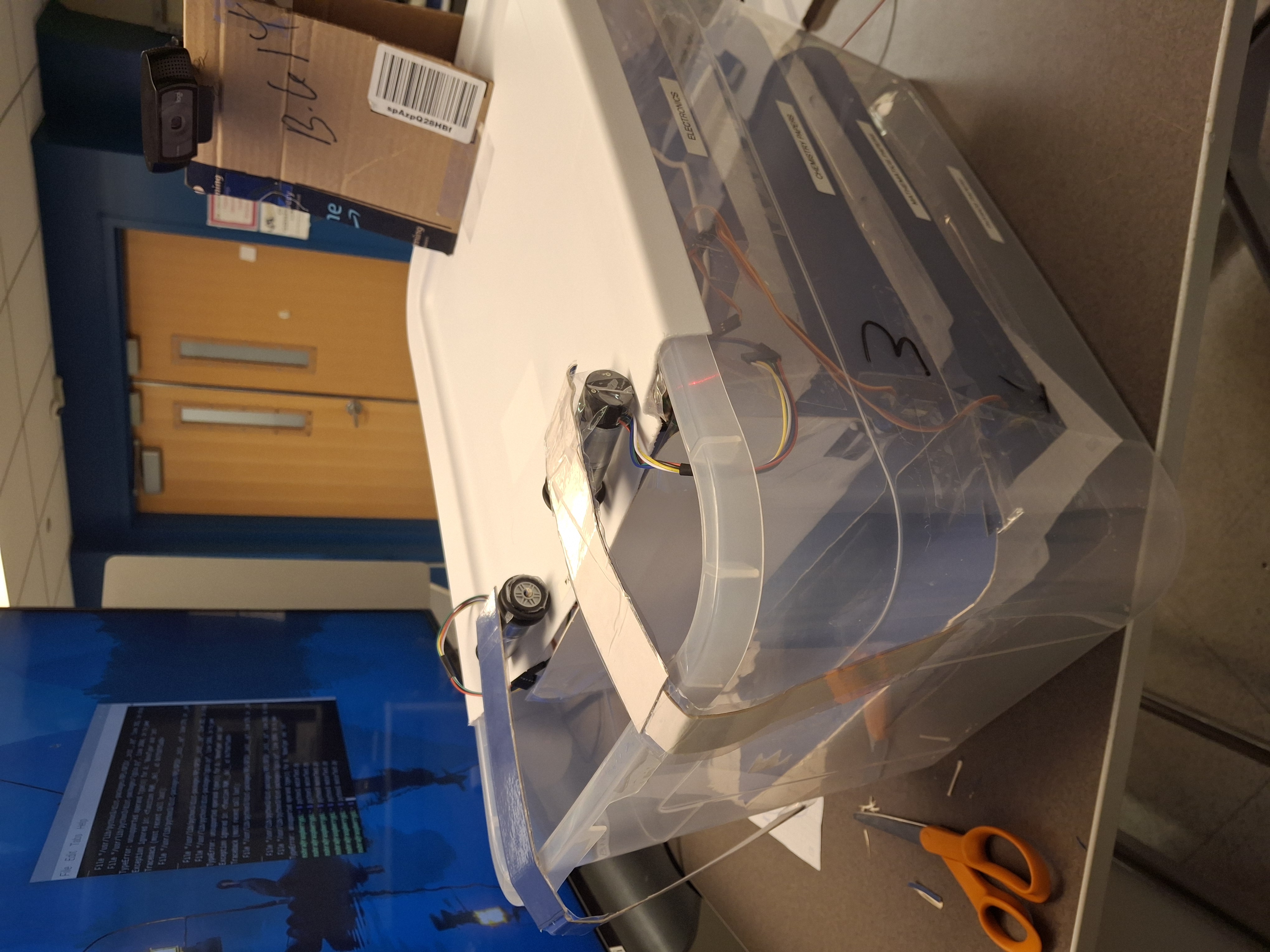
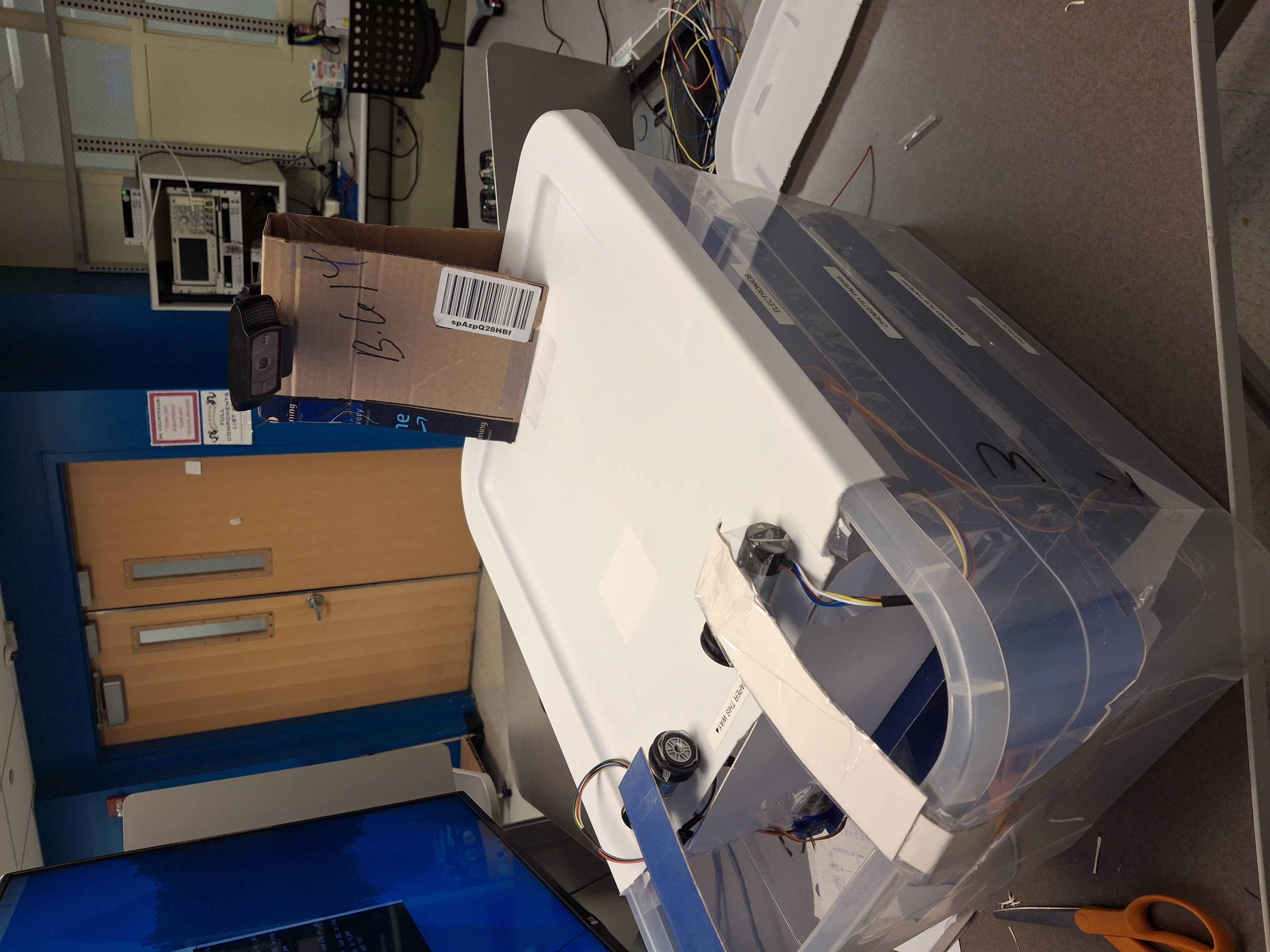
We built this device using the following components: • Rasbery Pi 3 • Logitech webcam • stepper motors • servo motors • cardboard • tape • and a plastic bin. The steps we took in construction were: • trained neural model based on over 6,000 chemistry, physics, and mathematics images • validated neural network through a mix of original data and academic tests from students • loaded our neural network onto the Rasbery Pi 3 • attached Logitech webcam to Rasbery Pi 3 • used cardboard to add shelves to a plastic container • cut shelf openings and a lid opening in the plastic container • added servo motors to each shelf • attached ramp to each servo motor pair • added a support for the Logitech webcam • attached stepper motors to the top of the box • and wired all motors to the Rasbery Pi 3.
Challenges we ran into
The challenges we encountered include: • Ardu cam could not be connected • convoluted neural networks have persistent bias throughout all trainings • high loss during training of neural network • Rasbery Pi 3 struggled to host neural networks • no access to library for training material • lack of proper assembly equipment • and ack of experience in mechanical design and assembly.
Accomplishments that we're proud of
We accomplished: • greaten than 75% accurate neural model • construction of a prototype, despite severe lack of materials and experience • and accomplishment of our first hackathon.
What we learned
We learned that: • convoluted neural networks take more than 24hours to design from start to finish • not many stores are open to sell hardware at 2:47am • tape cannot replace all connection methods • and caffeine cannot replace sleep.
What's next for AI Automated Document Sorter
Our next step for this project would be to: • use a more computationally powerful microprocessor • use a motor control system, as opposed to direct power from the Rasbery Pi 3 • design a mechanical enclosure from the ground up • and to build a larger training data set for the neural network.
Built With
- autodesk-fusion-360
- camera
- convoluted-neural-network
- motors
- python
- raspberry-pi
- servo


Log in or sign up for Devpost to join the conversation.