-
-
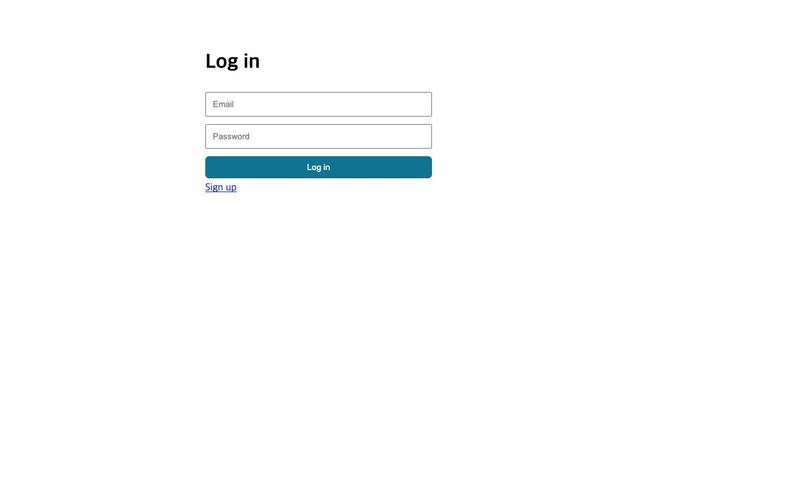
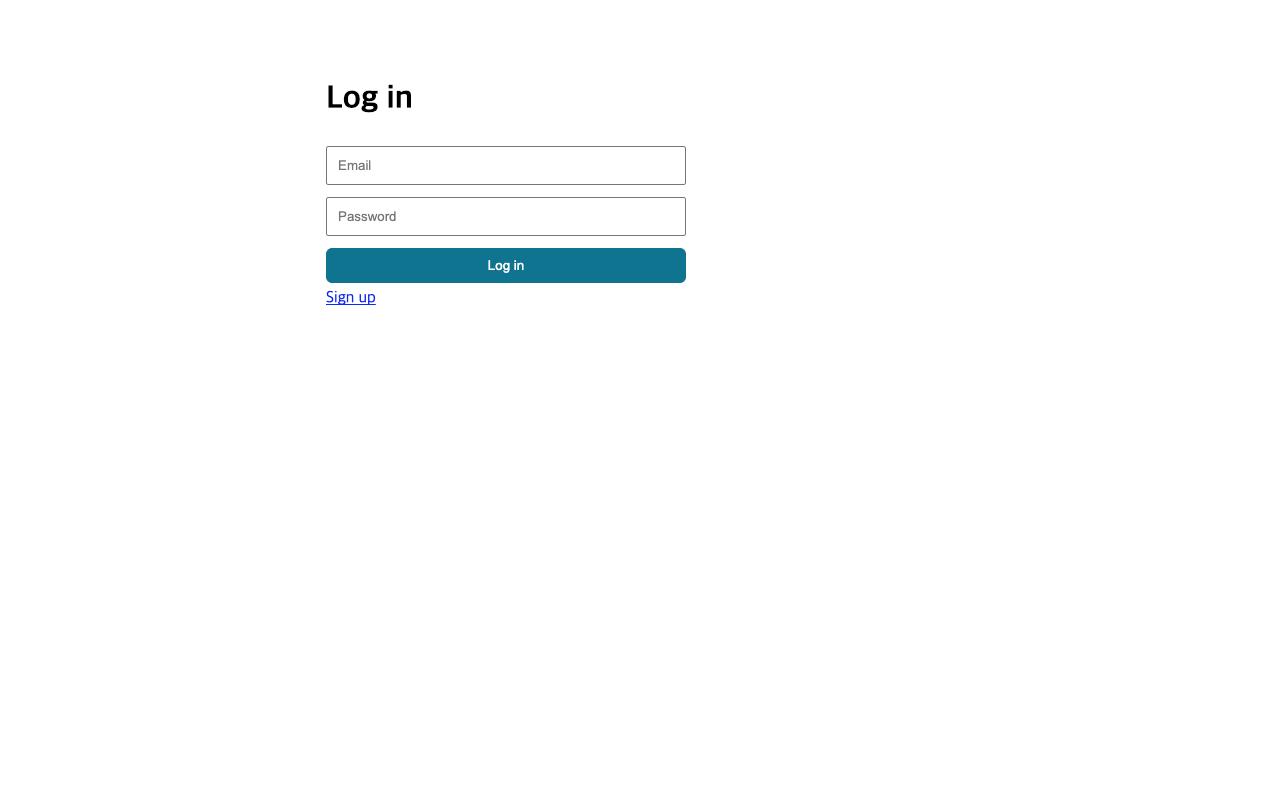
Login
-
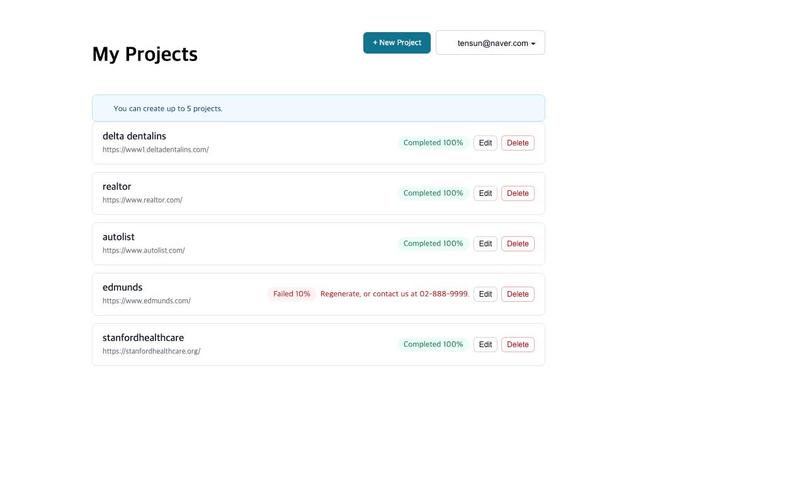
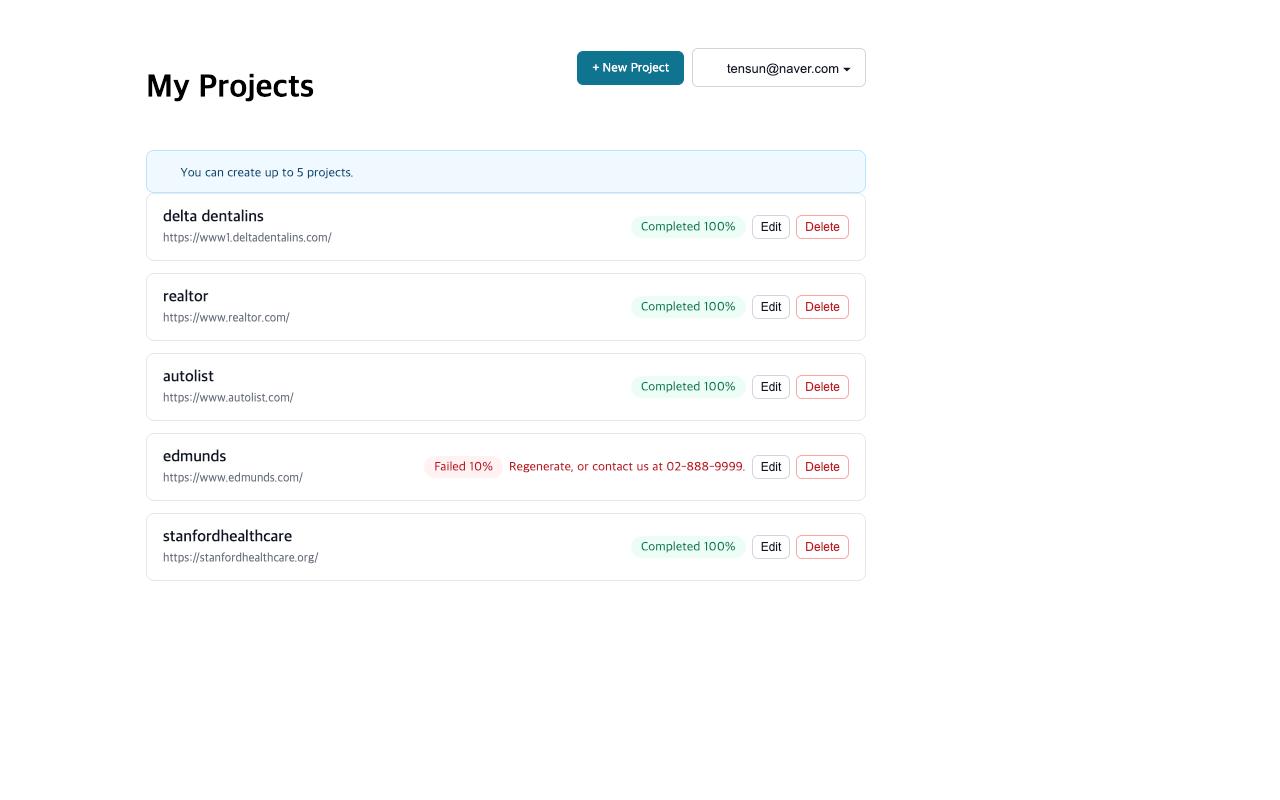
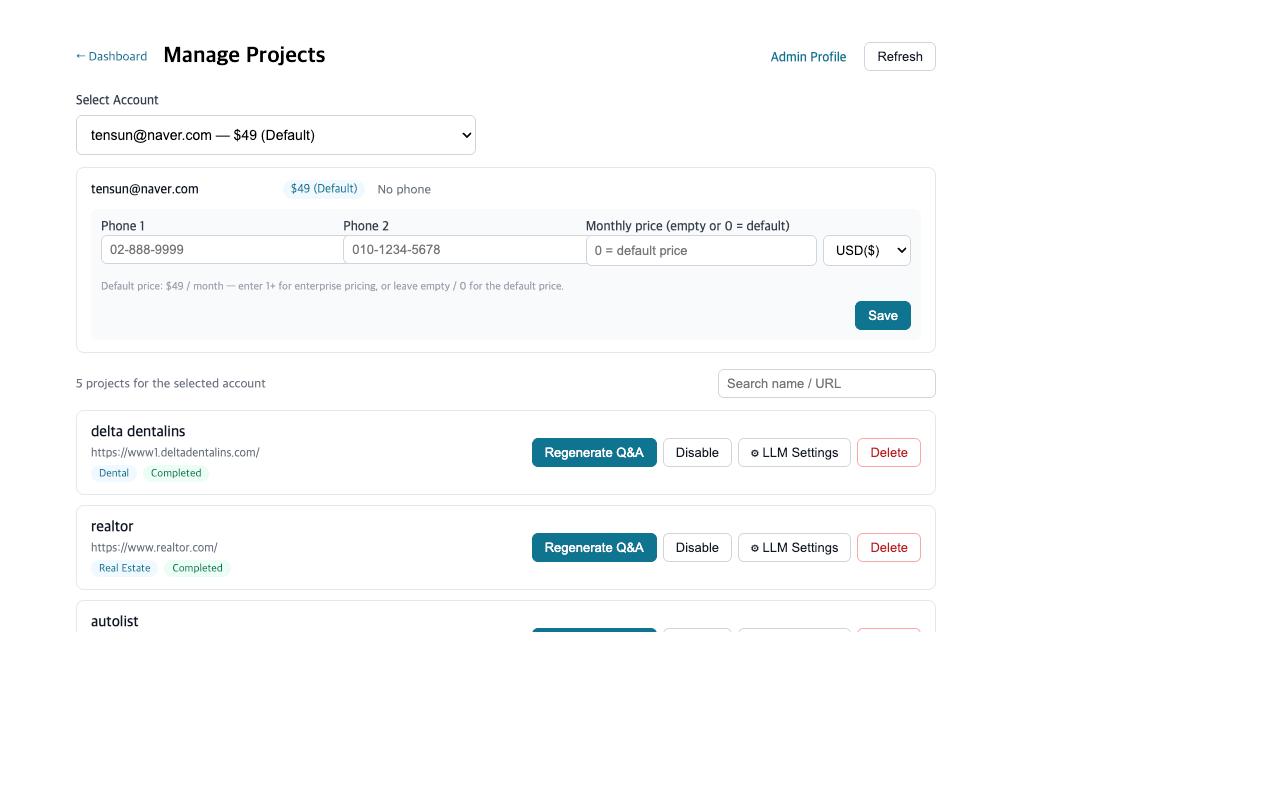
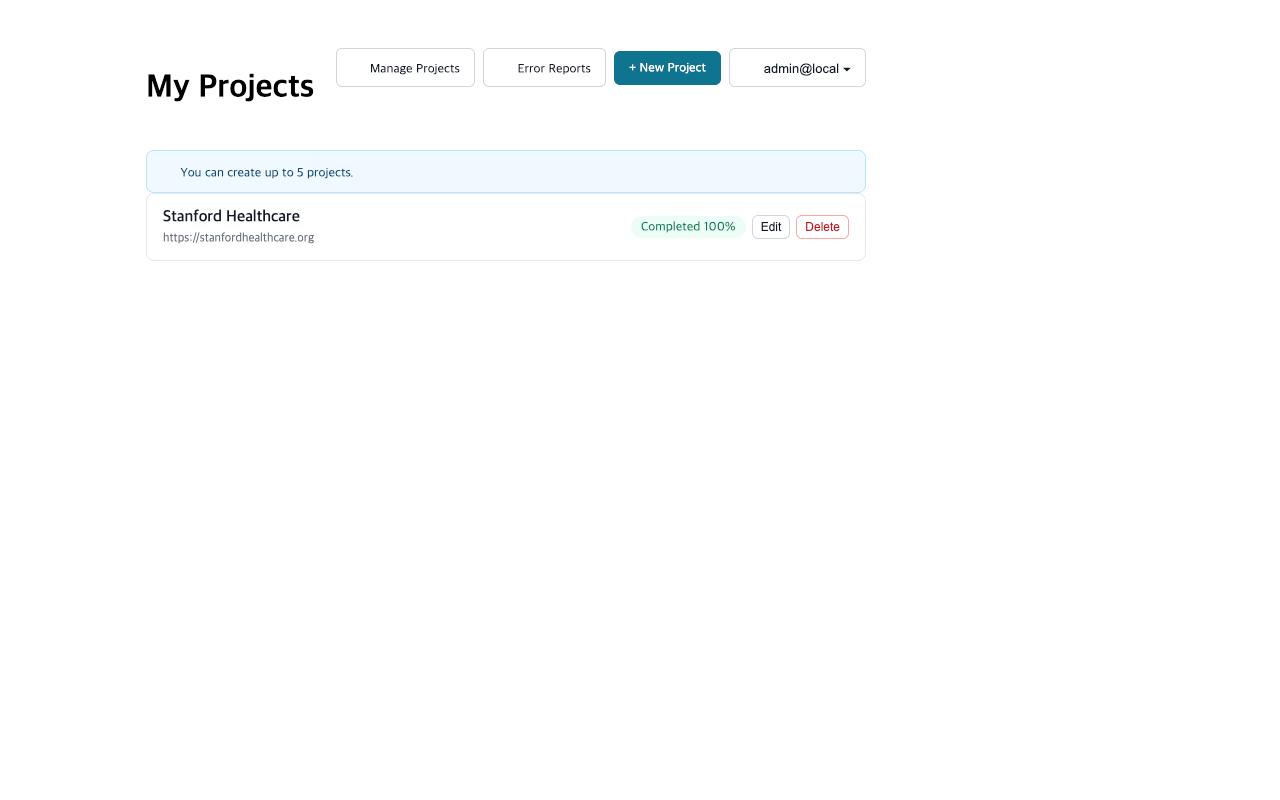
My Project list
-
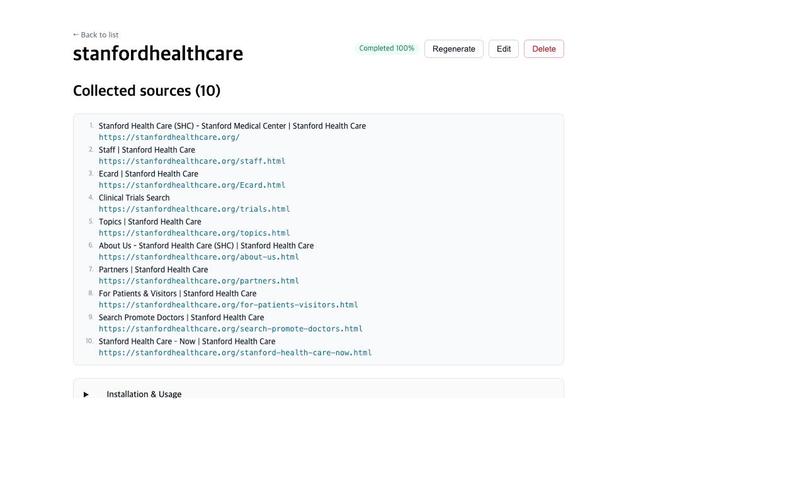
Project budiling
-
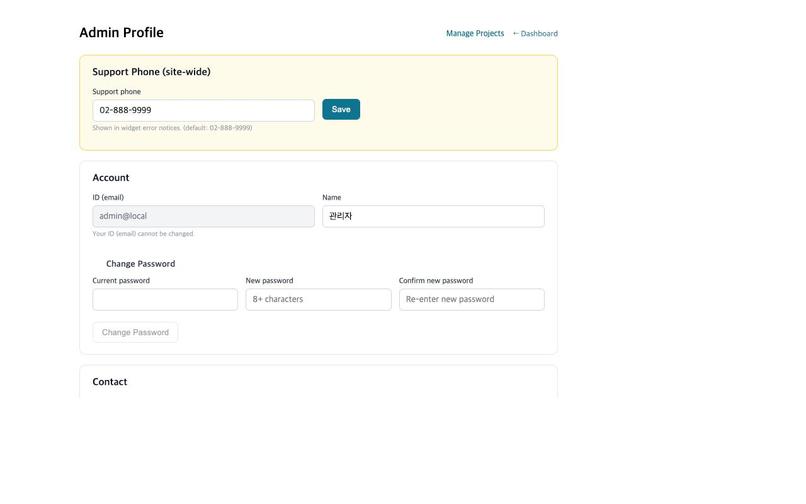
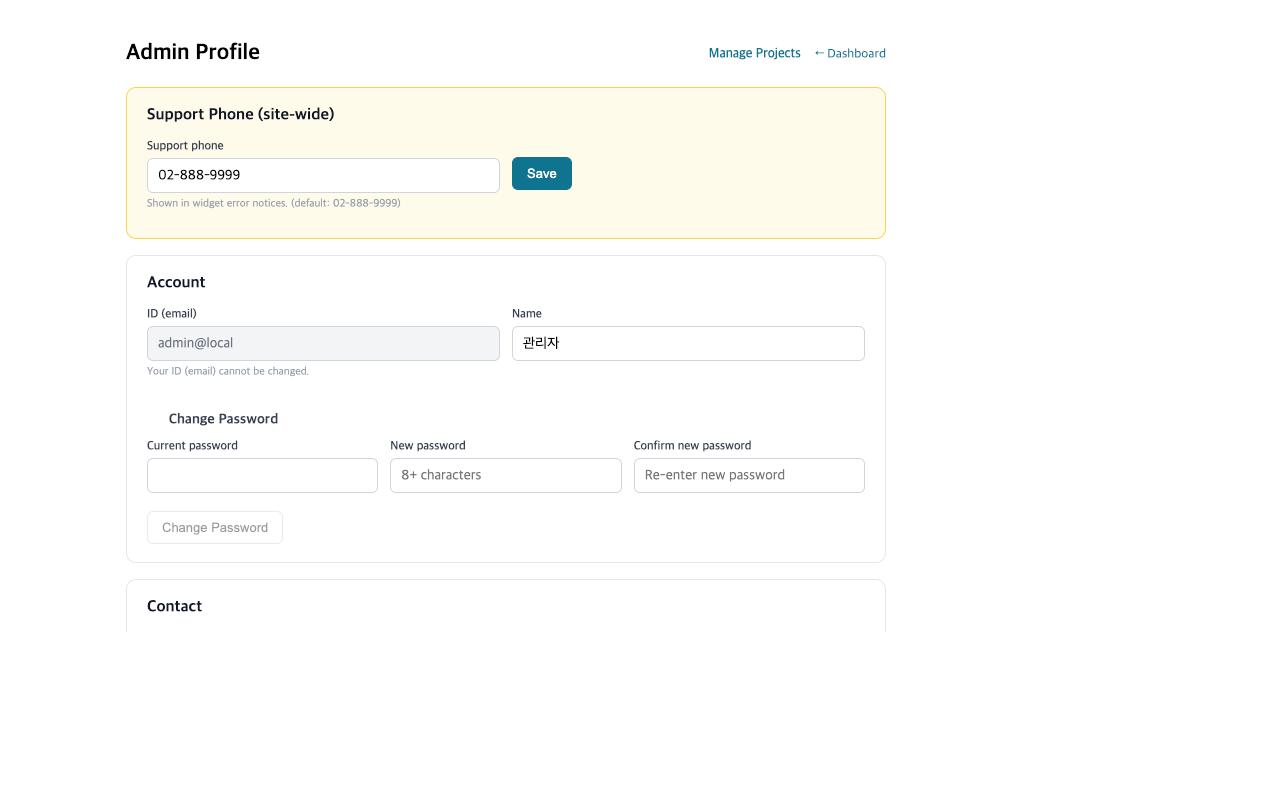
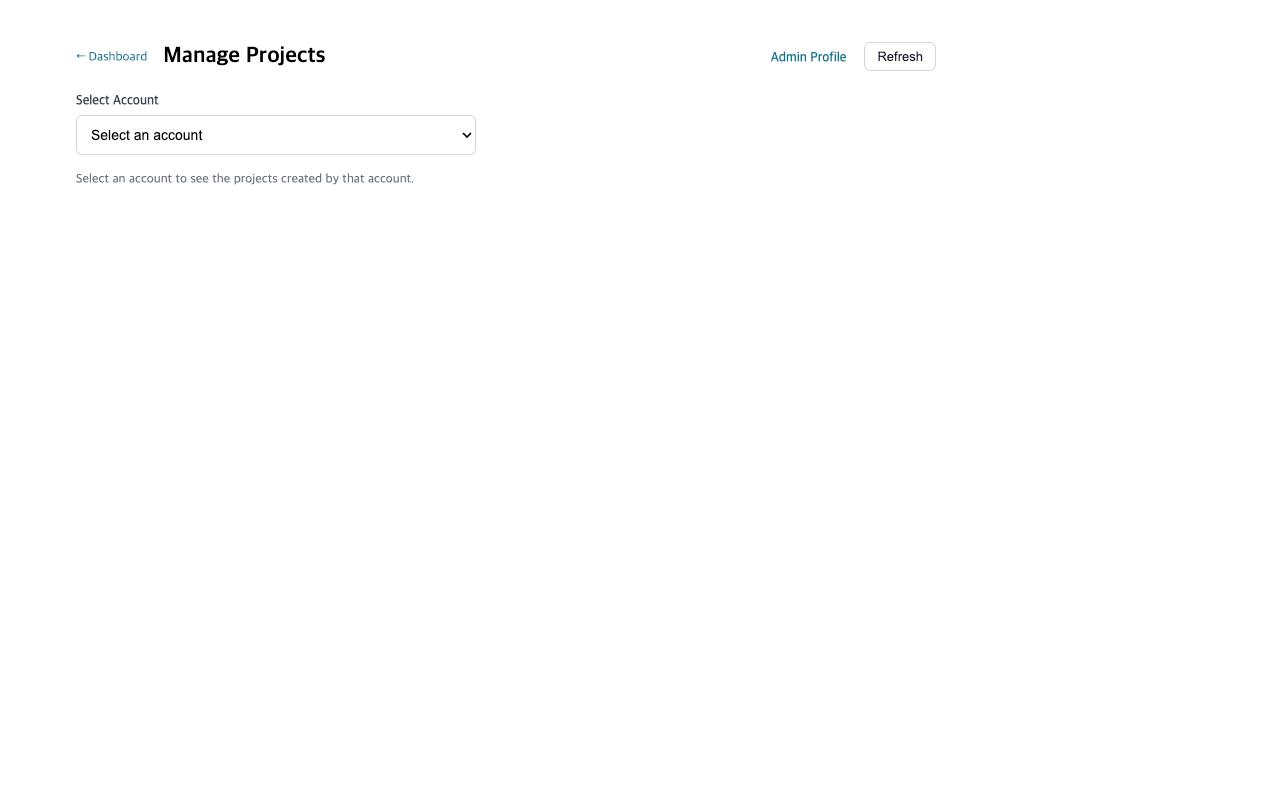
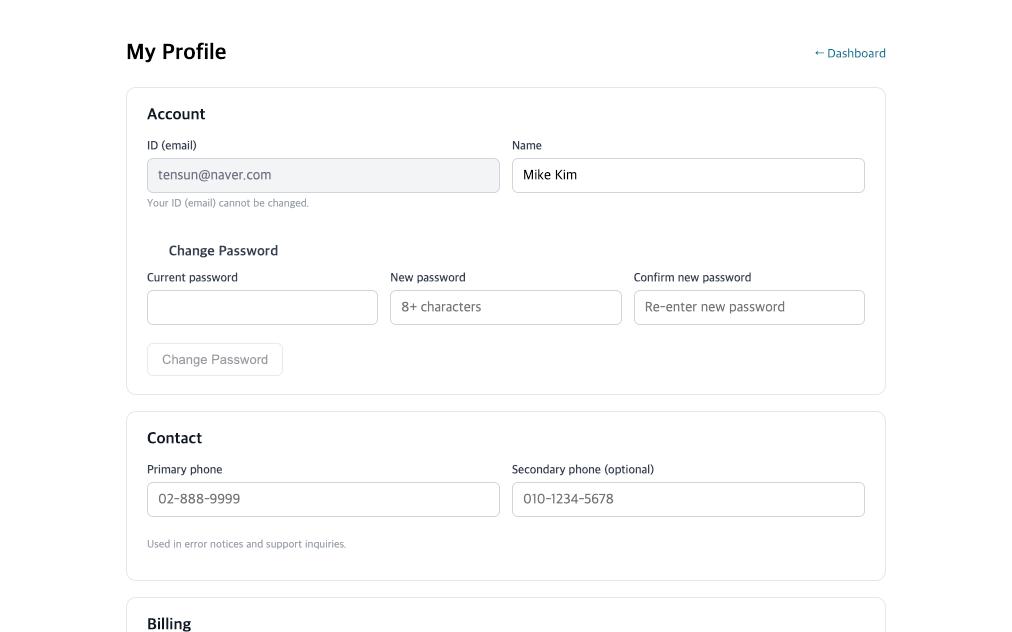
Profile
-
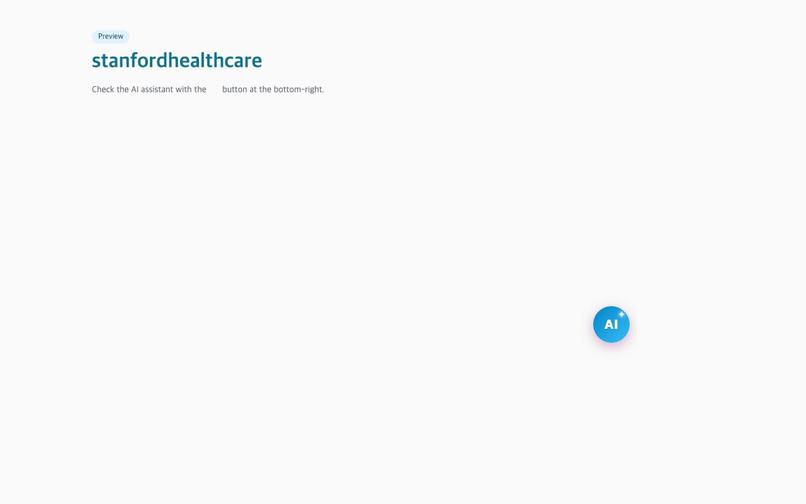
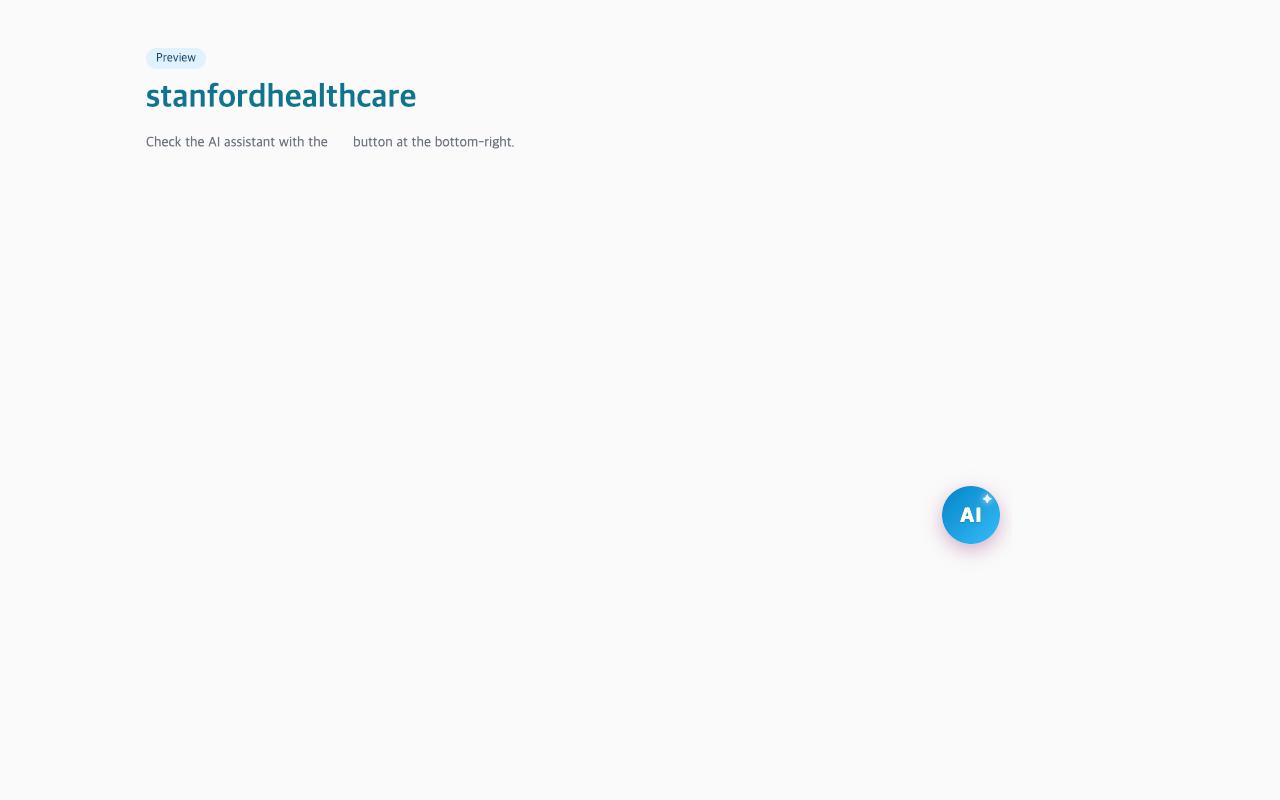
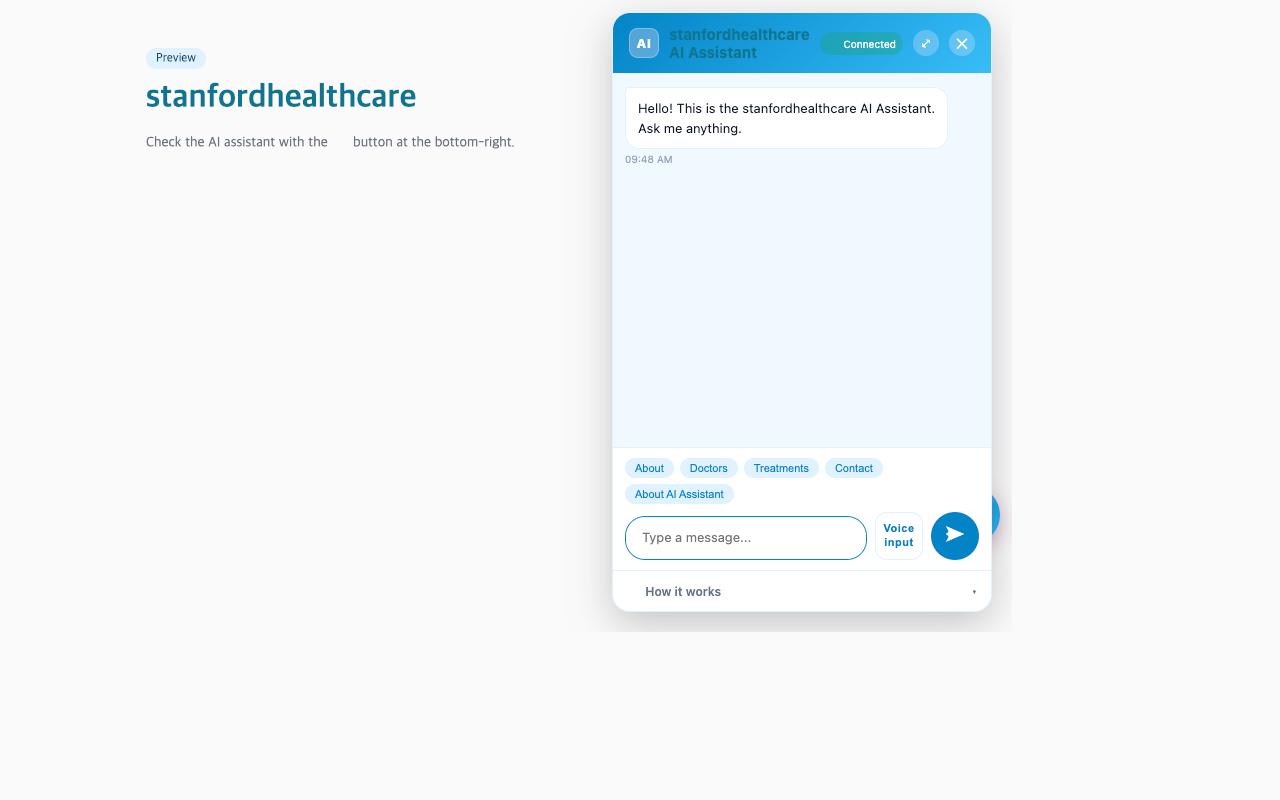
AI assistant
-
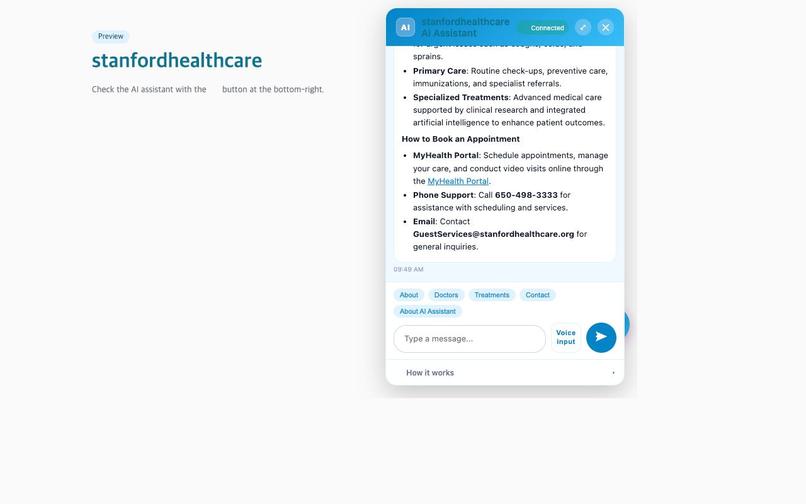
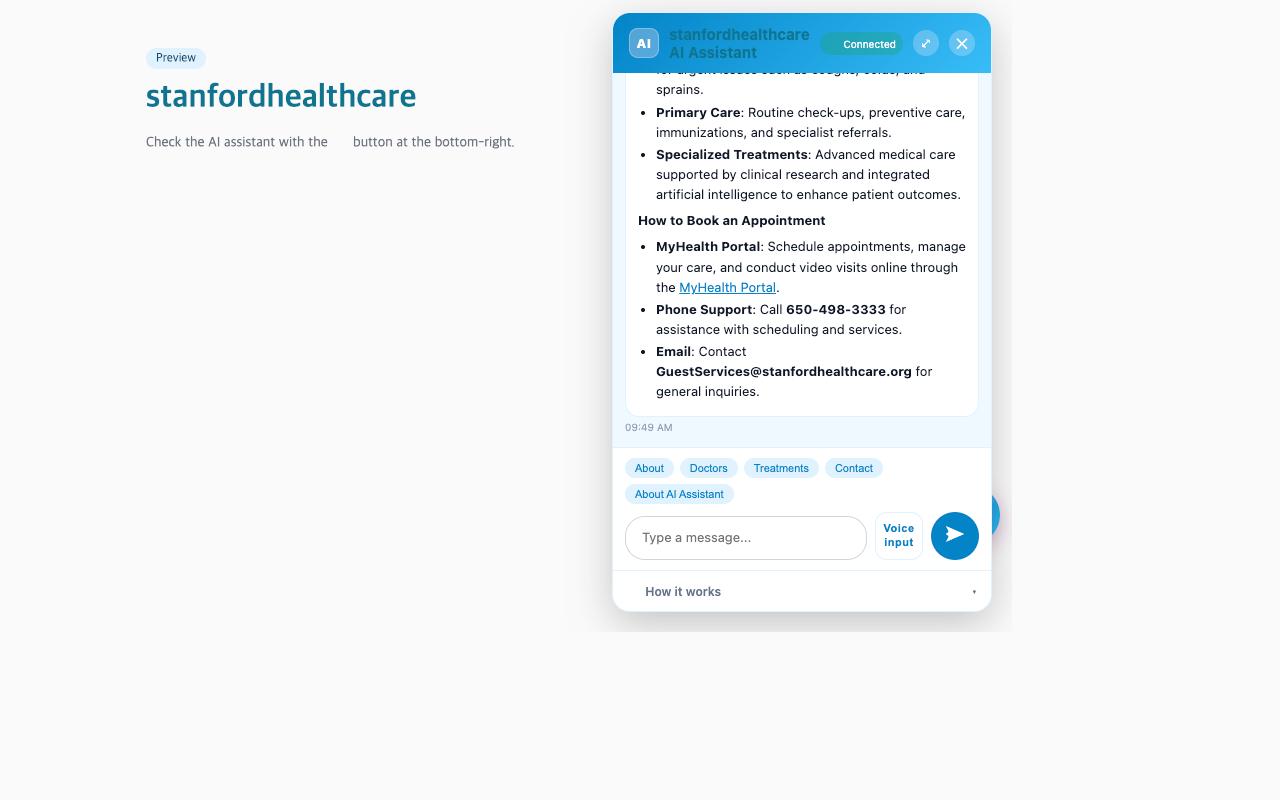
AI chatting
-
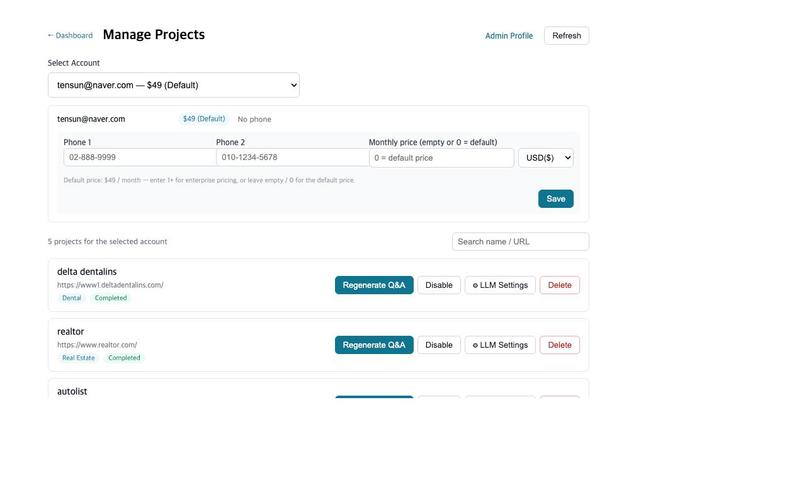
Profile
-
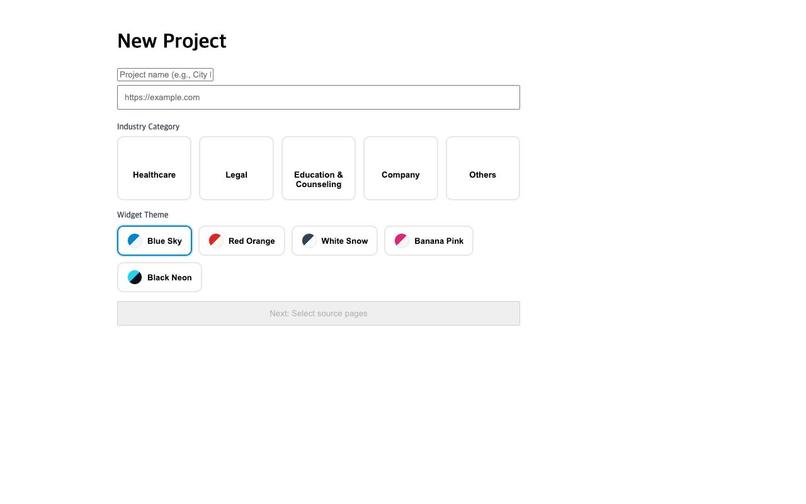
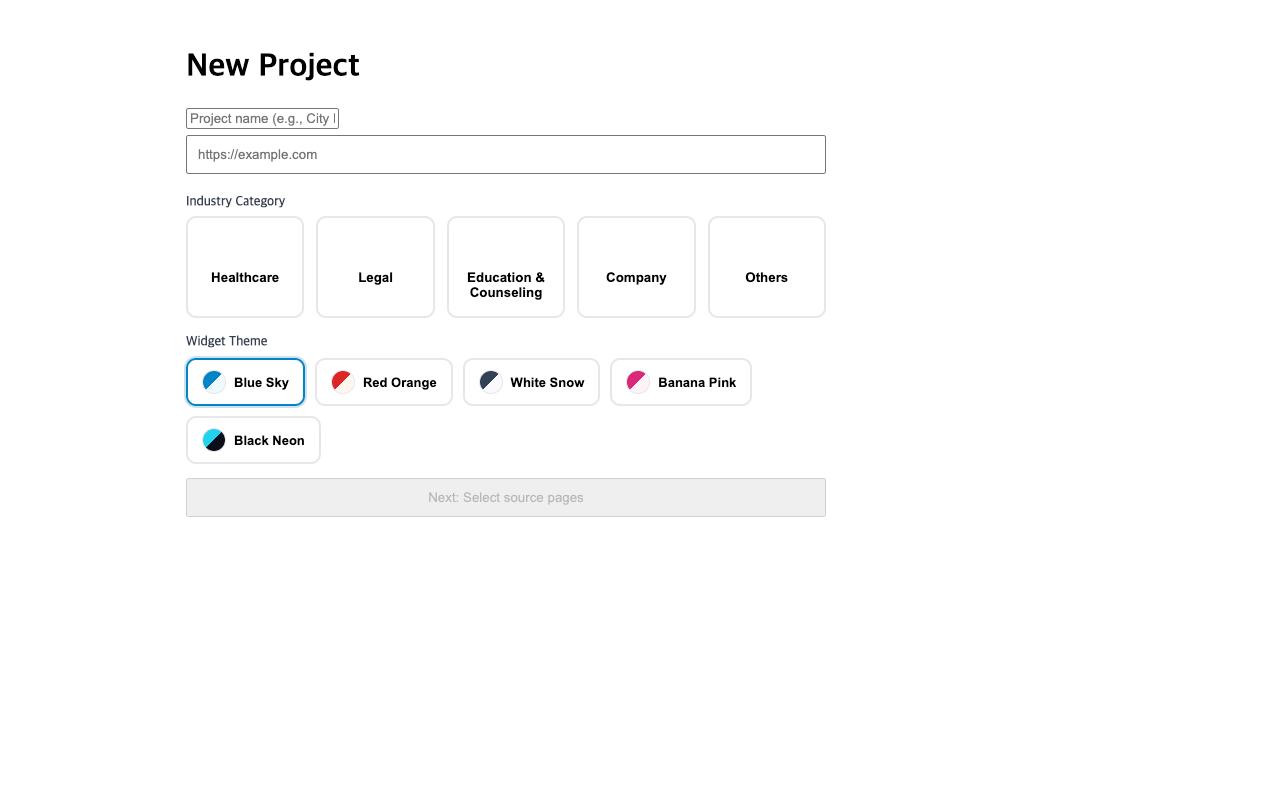
New Project
-
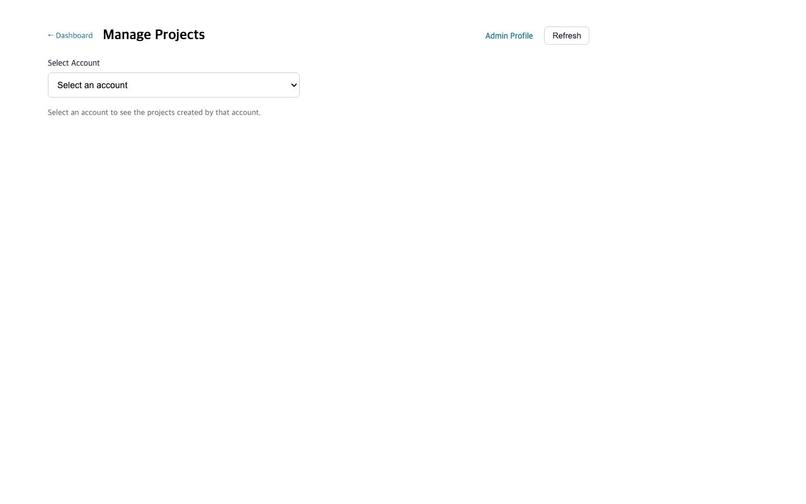
New Project
-
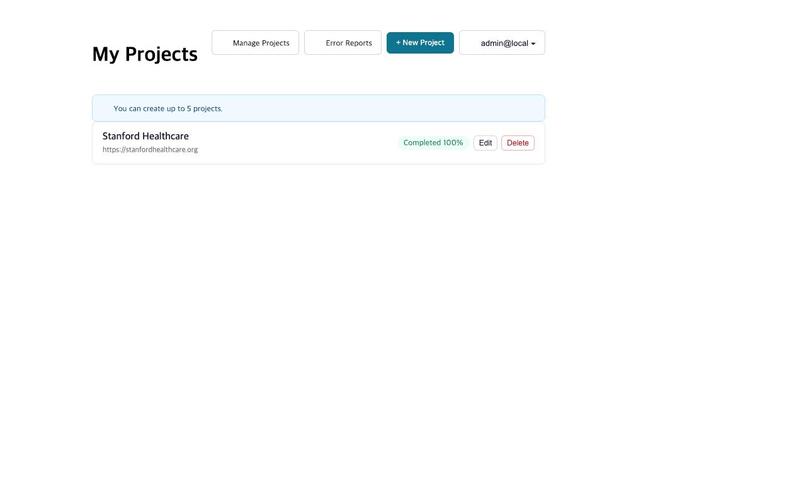
New Project
-

New Project
-
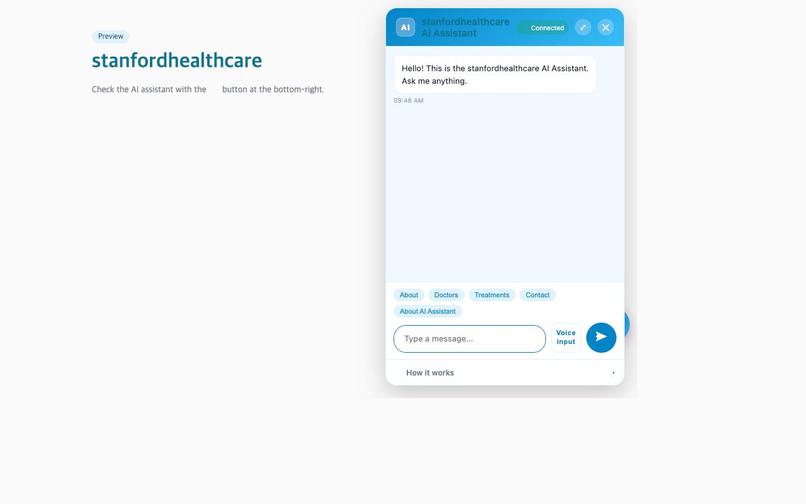
AI chatting
-
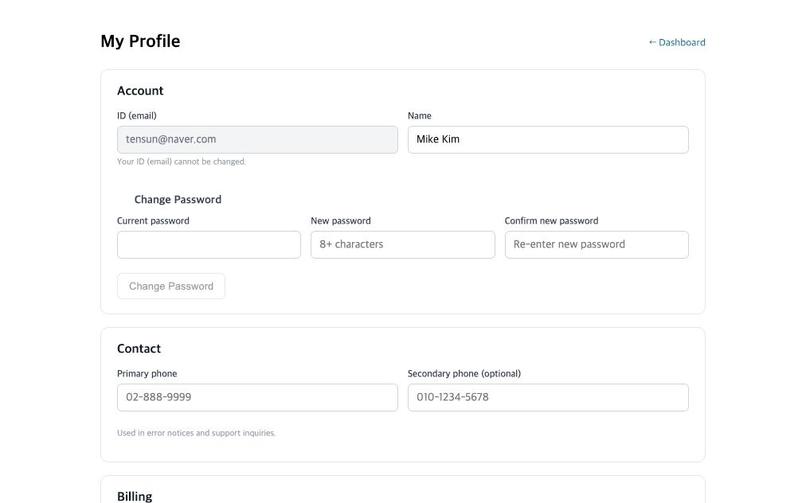
Profile
-
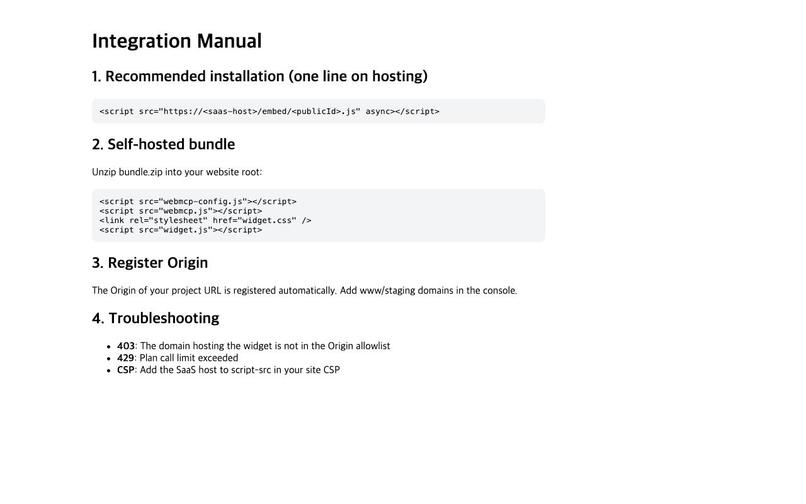
New Project
AI Assistant WebMCP — Project Story
Inspiration
Small clinics, counseling centers, and SMBs have websites, but no AI to answer the basic questions visitors ask around the clock — booking, pricing, location. General-purpose chatbots don't know the business's actual information and end up hallucinating. We wanted to give every small business an AI assistant that actually knows their site, without requiring any engineering effort from them.
What it does
WebMCP is a fully automated AI-assistant SaaS. You paste a URL, and it:
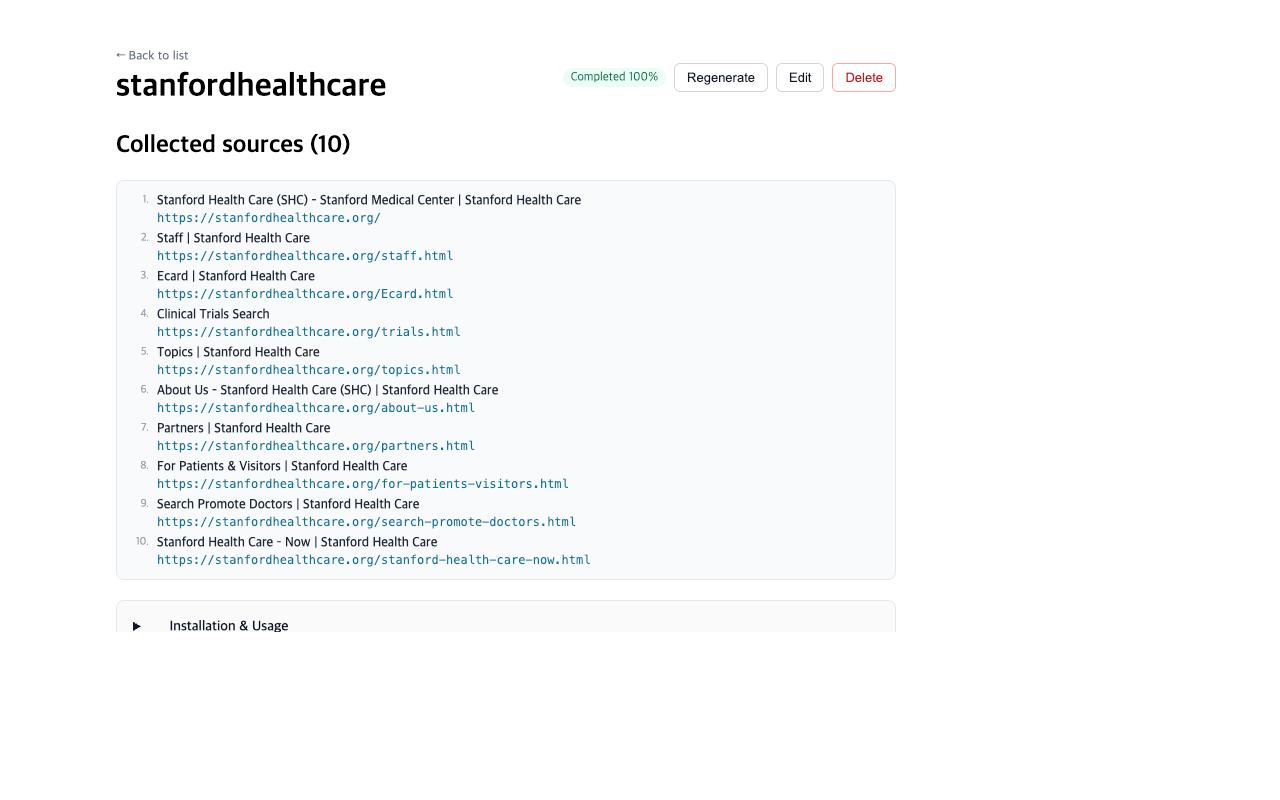
- Crawls the site (sitemap-based, multi-page)
- Generates industry-specific Q&A with an LLM
- Builds a widget (5 themes, voice input, quick-menu)
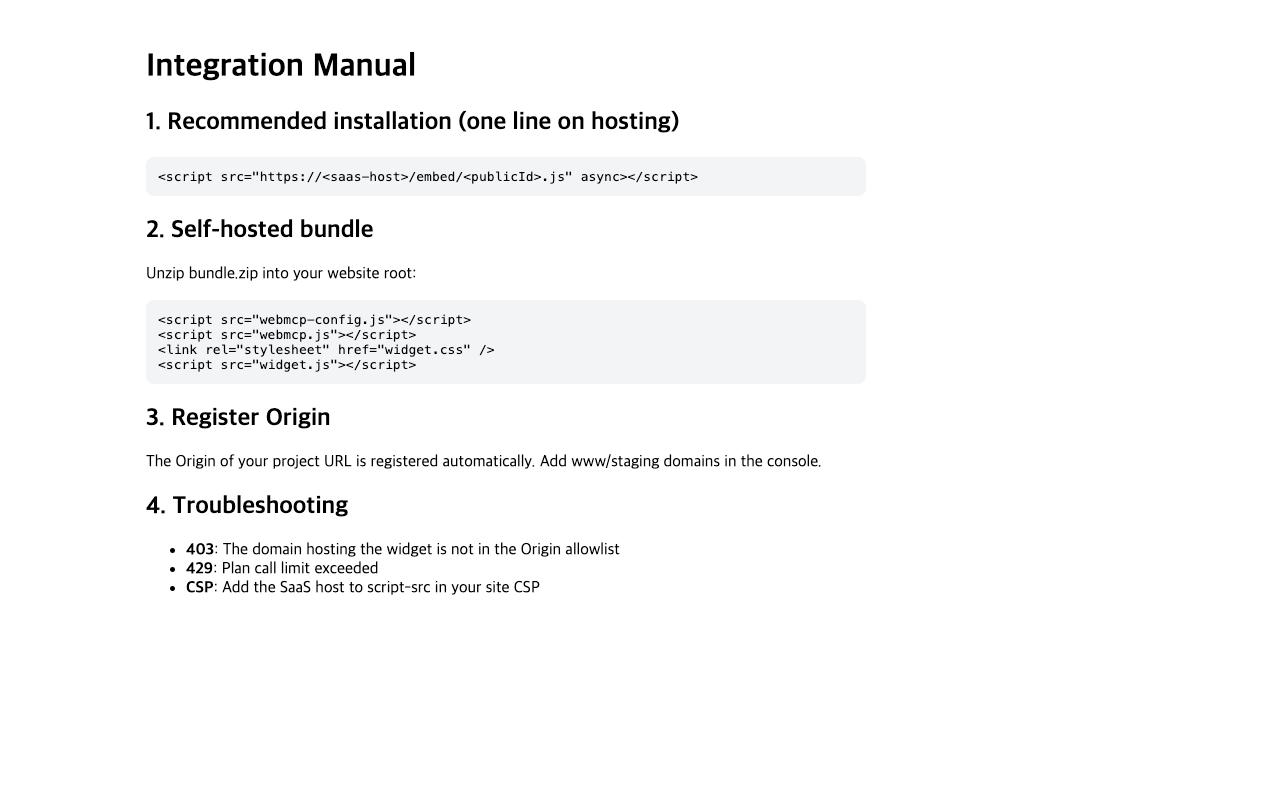
- Ships a paste-and-go embed (
/embed/<id>.js)
Visitors then chat with an AI that answers from the site's real knowledge — with off-topic screening and hallucination guards built in.
How we built it
- Nuxt 3 (SSR) console + Django 5/DRF backend + vanilla JS widget (single loader embed)
- Celery-free polling worker — select_for_update + lock-expiry auto-recovery for restart resilience
- Dual LLM engines — Gemini 3.5 Flash Lite for real-time chat (low latency + off-topic guard), OpenRouter gpt-oss-120b for batch Q&A (~$0.00196/run)
- Multilingual silos — ko/en fully separated across DB, containers, prompts, and UI
- 3-stage deployment — Docker Compose → self-hosted server (nginx + Let's Encrypt) → Render Blueprint (IaC)
Challenges we ran into
- Passive → proactive AI — the ideal is the widget JS dynamically scanning and injecting into site forms (no owner-side changes), but form structures vary wildly. We deliberately deferred form control and focused on chat automation.
- Crawling engine trade-off — plain HTTP parsers fail on WAF/SPA sites; browser crawlers are too heavy. Solved with a dual engine (httpx + browser-header fallback).
- Off-topic questions — solved with system-prompt bounding + cached Q&A similarity matching (≥0.6), verified stable on Gemini 3.5 Flash Lite.
- Multi-tenant security — Origin allowlist + publicId auth, per-tenant keys, global IP-allowlist switch.
- Platform quirks — Render misread a dockerCommand chain as a filename, crashing the worker in a loop.
Accomplishments that we're proud of
- End-to-end automation — URL in, working widget out, validated all the way to the cloud.
- Cost engineering — batch Q&A at ~$0.00196/run using OSS models, with similarity caching to cut expensive calls.
- Structural multilingualism — language mixing blocked at the architecture level, not via translation keys.
- 45 documented test records (T-001~T-045) and a troubleshooting FAQ that prevent repeat mistakes.
What we learned
- Scope selection is the essence of automation — one feature done end-to-end beats many half-done features.
- Combine models by purpose — cost-effective OSS for batch, low-latency Gemini for real-time.
- The prompt is a security layer — off-topic filtering via prompt bounding, at zero extra cost.
- Security should be a switch, not a default — environment-adaptable controls are what make them practical.
What's next for AI assistant WebMCP
- Proactive form integration — the widget JS dynamically scanning and injecting into site forms (booking, contact), so the AI can complete actions, not just answer.
- Broader language silos — Japanese, Chinese, and more, following the existing 4-step extension path.
- Deeper model routing — per-tenant model selection and cost controls at scale.
AI 어시스턴트 WebMCP — 프로젝트 스토리
Inspiration (영감)
소규모 병원·상담센터·중소기업은 웹사이트는 있지만, 방문자가 24시간 궁금해하는 기본 질문(예약, 요금, 위치)에 답해줄 AI가 없습니다. 범용 챗봇은 그 업체의 실제 정보를 몰라 환각을 일으킵니다. 우리는 엔지니어링 노력 없이도 모든 소규모 사업체가 자기 사이트를 진짜 아는 AI 비서를 가질 수 있게 하고 싶었습니다.
What it does (하는 일)
WebMCP는 완전 자동화 AI 비서 SaaS입니다. URL만 붙여넣으면:
- 크롤링 (sitemap 기반 멀티페이지)
- 업종별 Q&A 생성 (LLM)
- 위젯 빌드 (5종 테마, 음성 입력, 빠른메뉴)
- 붙여넣기 임베드 배포 (
/embed/<id>.js)
방문자는 사이트의 실제 지식을 바탕으로 답하는 AI와 대화합니다 — 오프토픽 스크리닝과 환각 방지 가드가 내장되어 있습니다.
How we built it (구축 방법)
- Nuxt 3(SSR) 콘솔 + Django 5/DRF 백엔드 + vanilla JS 위젯 (단일 로더 임베드)
- Celery 없는 폴링 워커 — select_for_update + 잠금 만료 자동 복구로 재시작 내성 확보
- LLM 이중 엔진 — 실시간 채팅은 Gemini 3.5 Flash Lite(저지연+오프토픽 가드), 배치 Q&A는 OpenRouter
gpt-oss-120b(1회 약 $0.00196) - 다국어 사일로 — ko/en을 DB·컨테이너·프롬프트·UI까지 완전 분리
- 3단계 배포 — Docker Compose → 자체 서버(nginx+Let's Encrypt) → Render Blueprint(IaC)
Challenges we ran into (직면한 도전)
- 수동적 → 능동적 AI — 이상은 위젯 JS가 사이트 폼을 동적으로 스캔·삽입하는 것(소유자 수정 불필요)이지만, 폼 구조가 천차만별이라 의도적으로 폼 제어를 미루고 채팅 자동화에 집중했습니다.
- 크롤링 엔진 트레이드오프 — 단순 HTTP 파서는 WAF/SPA를 못 읽고, 브라우저 크롤러는 너무 무거움. 이중 엔진(httpx + 브라우저 헤더 폴백)으로 해결.
- 오프토픽 질문 — 시스템 프롬프트 바운딩 + 저장 Q&A 유사도 매칭(≥0.6)으로 해결, Gemini 3.5 Flash Lite에서 안정 동작 확인.
- 멀티테넌트 보안 — Origin 화이트리스트 + publicId 인증, 테넌트별 키, 전역 IP 화이트리스트 스위치.
- 플랫폼 특이점 — Render가 dockerCommand 체인을 파일명으로 오판해 워커가 크래시 루프에 빠짐.
Accomplishments that we're proud of (자랑스러운 성과)
- 엔드투엔드 자동화 — URL 입력 → 동작하는 위젯 출력, 클라우드까지 검증 완료.
- 비용 엔지니어링 — OSS 모델로 배치 Q&A 1회 약 $0.00196, 유사도 캐시로 고비용 호출 절감.
- 구조적 다국어 — 번역 키가 아닌 아키텍처 레벨에서 언어 혼용 차단.
- 45건의 테스트 기록(T-001~T-045)과 트러블슈팅 FAQ로 재발 방지.
What we learned (배운 점)
- 자동화의 본질은 범위 선택 — 하나를 끝까지 완성하는 것이 여러 개를 반쯤 하는 것보다 낫습니다.
- 모델은 용도별 조합 — 배치는 가성비 OSS, 실시간은 저지연 Gemini.
- 프롬프트가 보안 계층 — 오프토픽 필터링을 프롬프트 바운딩으로, 추가 비용 없이 해결.
- 보안은 스위치로 설계 — 환경에 맞게 조절 가능해야 실용적입니다.
What's next for AI assistant WebMCP (다음 단계)
- 능동적 폼 통합 — 위젯 JS가 사이트 폼(예약·문의)을 동적으로 스캔·삽입해, AI가 답변을 넘어 행동을 완수하도록.
- 더 넓은 언어 사일로 — 일본어·중국어 등, 기존 4단계 확장 경로를 따라 추가.
- 고도화된 모델 라우팅 — 테넌트별 모델 선택과 대규모 비용 통제.
Built With
- ai-assistant
- chatbot
- django
- django-rest-framework
- docker
- google-gemini-api
- httpx
- i18n
- javascript
- let's-encrypt
- llm
- multi-tenancy
- nginx
- node.js
- nuxt.js
- openrouter
- postgresql
- python
- render
- rest-api
- saas
- vue.js
- web-scraping
- web-speech-api


Log in or sign up for Devpost to join the conversation.