Inspiration
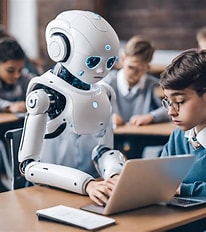
The rise of AI tools in education, from chatbots answering questions to algorithms grading essays, sparked a question: What happens when machines begin to shape, deliver, and judge our learning? This essay was inspired by both excitement and caution about AI’s growing authority in education.
What it does
The essay explores how AI is transforming the educational landscape by stepping into roles traditionally held by humans: teaching, evaluating, and controlling access to knowledge. It critically examines the potential, limitations, and ethical challenges of these shifts.
How we built it
The essay was crafted through extensive research, real-world examples, and reflective analysis. Drawing from AI advancements in EdTech, interviews, and academic papers, it presents a narrative that’s both informative and thought-provoking.
Challenges we ran into
Striking a balance between optimism and skepticism was tough. Conveying the complexity of AI’s role in education without making it too technical or too abstract required careful framing and thoughtful storytelling.
Accomplishments that we're proud of
We’re proud of presenting a nuanced perspective that doesn’t just hype AI but instead opens up meaningful conversations about its impact on education, equity, and ethics.
What we learned
We learned that while AI holds massive promise in democratizing and personalizing education, it also risks reinforcing biases and reducing human elements like empathy and creativity if not handled responsibly.
What's next for AI as Educators, Evaluators, and Gatekeepers of Knowledge
As AI continues to evolve, the next step is collaboration, not replacement. The future lies in hybrid models where AI enhances, not replaces, human educators, ensuring that knowledge remains inclusive, adaptive, and deeply human.
Built With
- journals
- research-articles
- self-thought

Log in or sign up for Devpost to join the conversation.