Inspiration
Students across different skill levels struggle with static study materials, while teachers spend hours preparing lessons without clear visibility of who needs help. We wanted to build a tool that personalizes learning for every student and reduces the workload for teachers — all using accessible, practical AI. This inspired us to create an AI-powered copilot that adapts to a learner’s pace and gives teachers meaningful insights instantly.
What it does
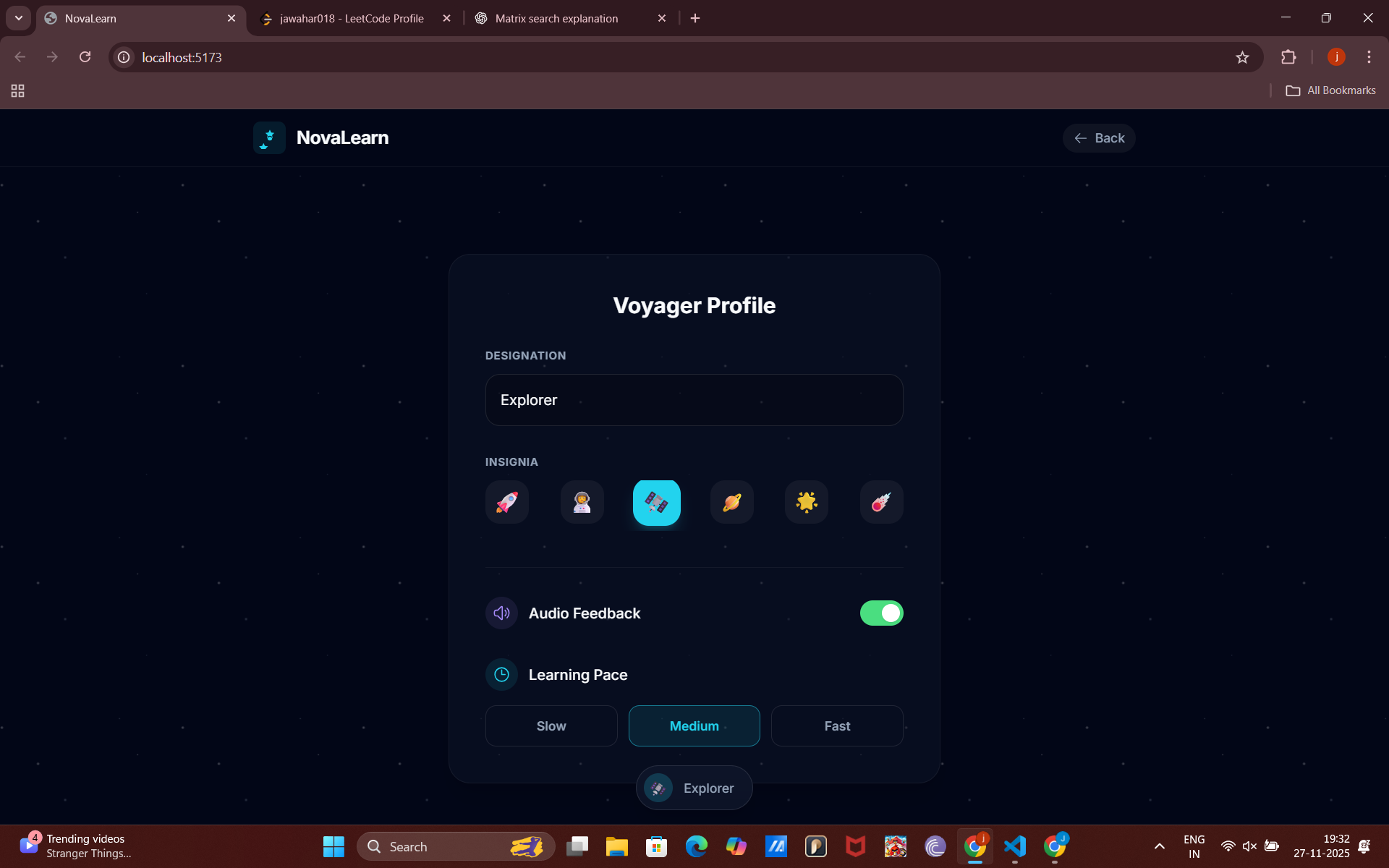
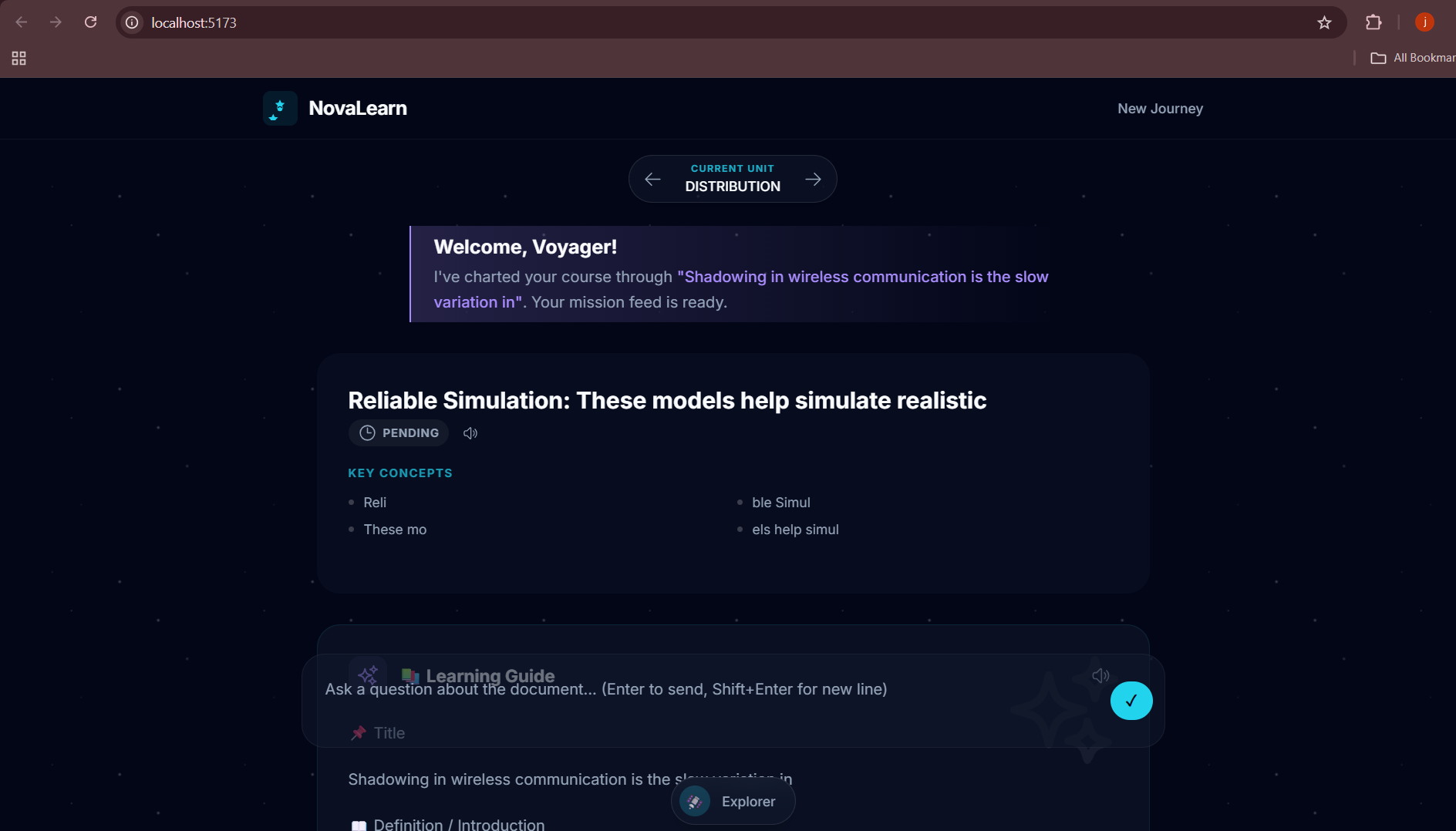
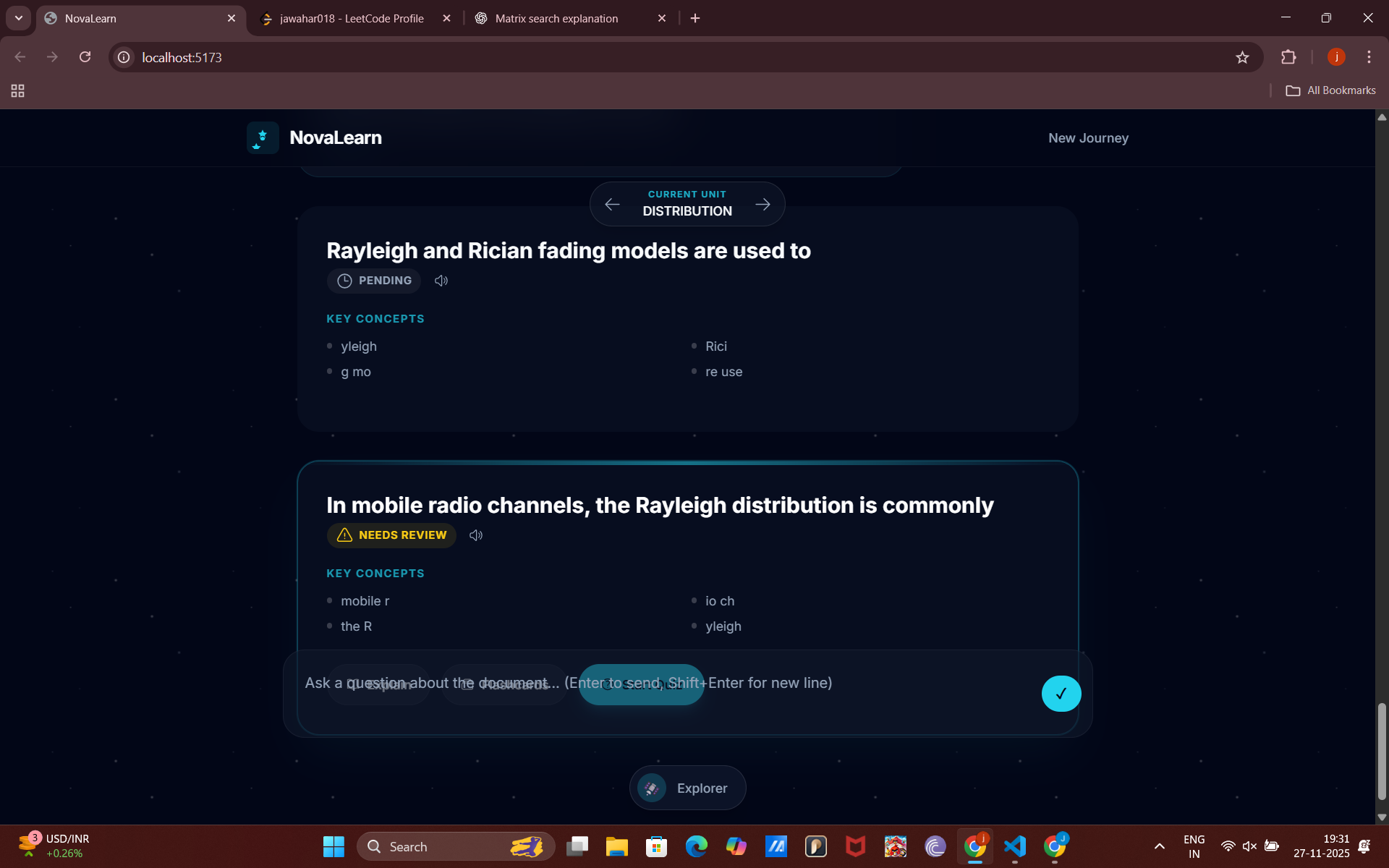
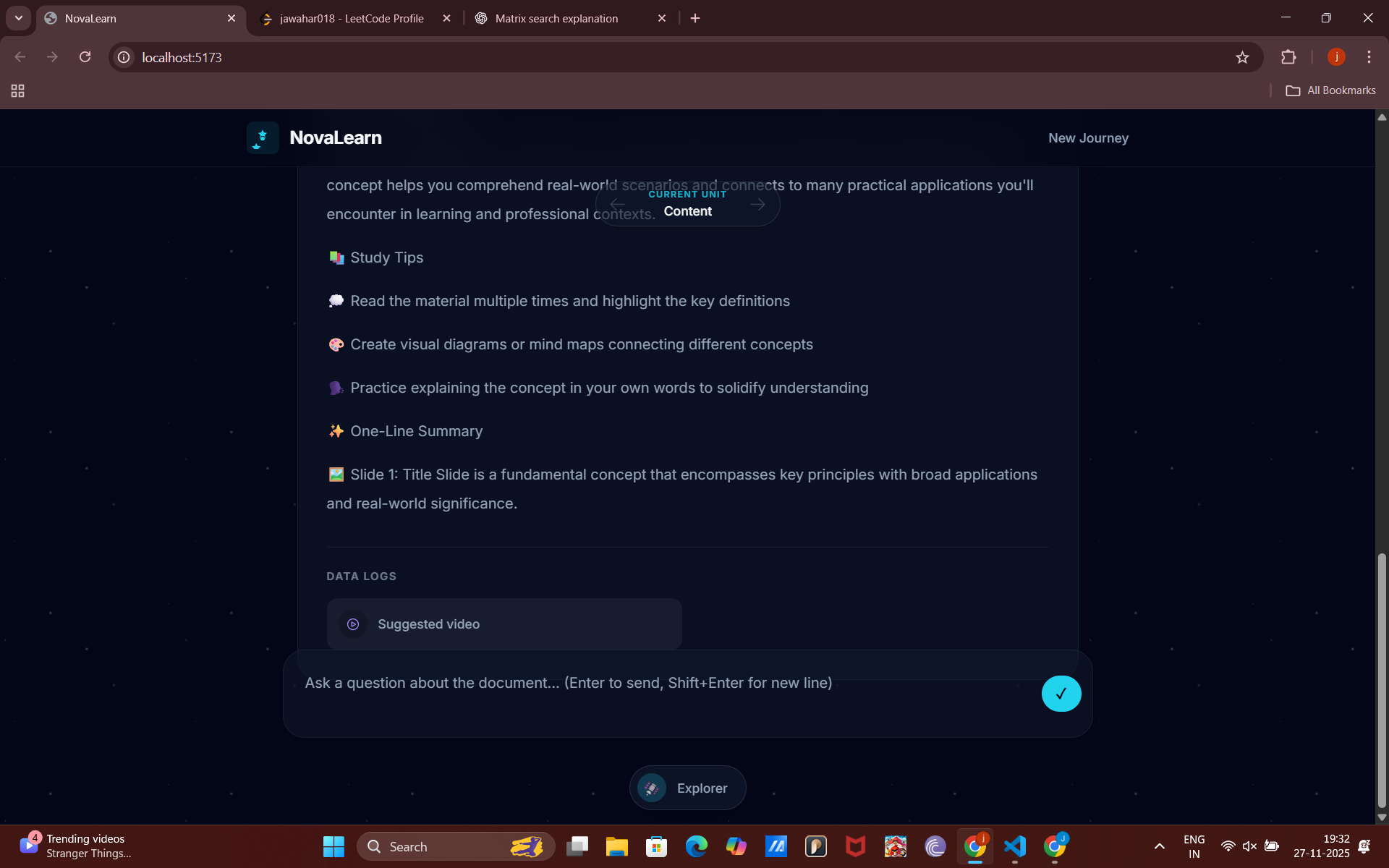
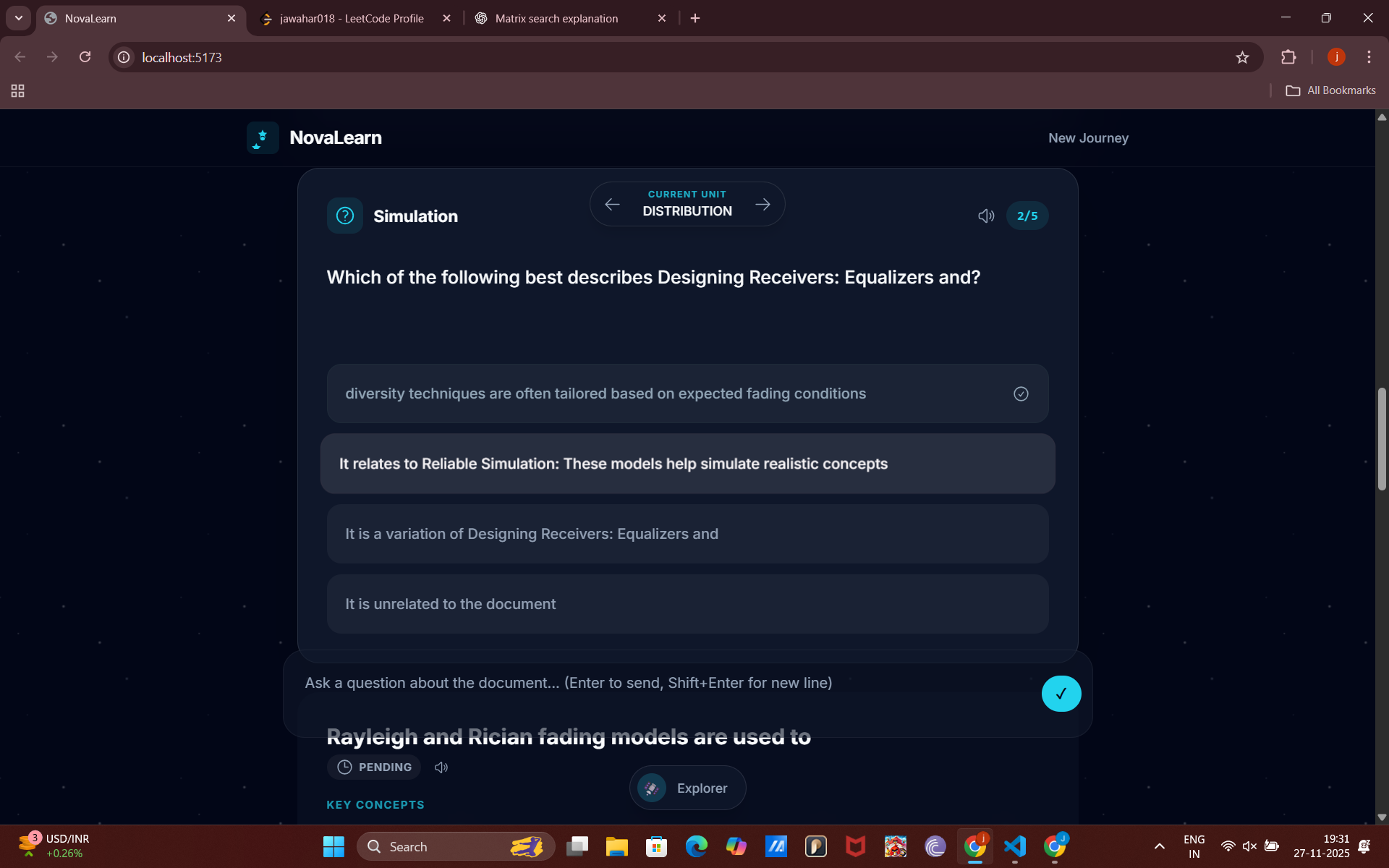
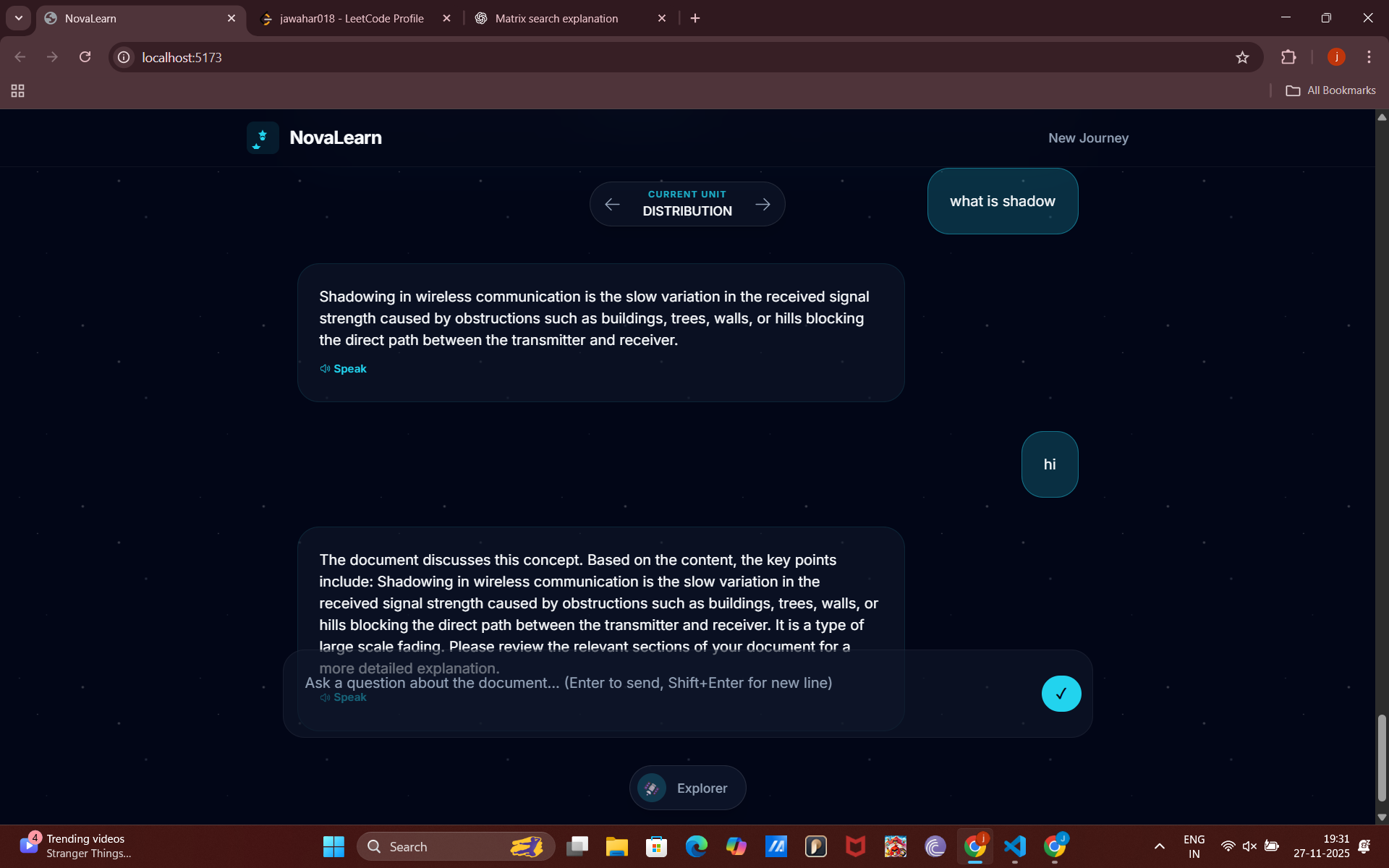
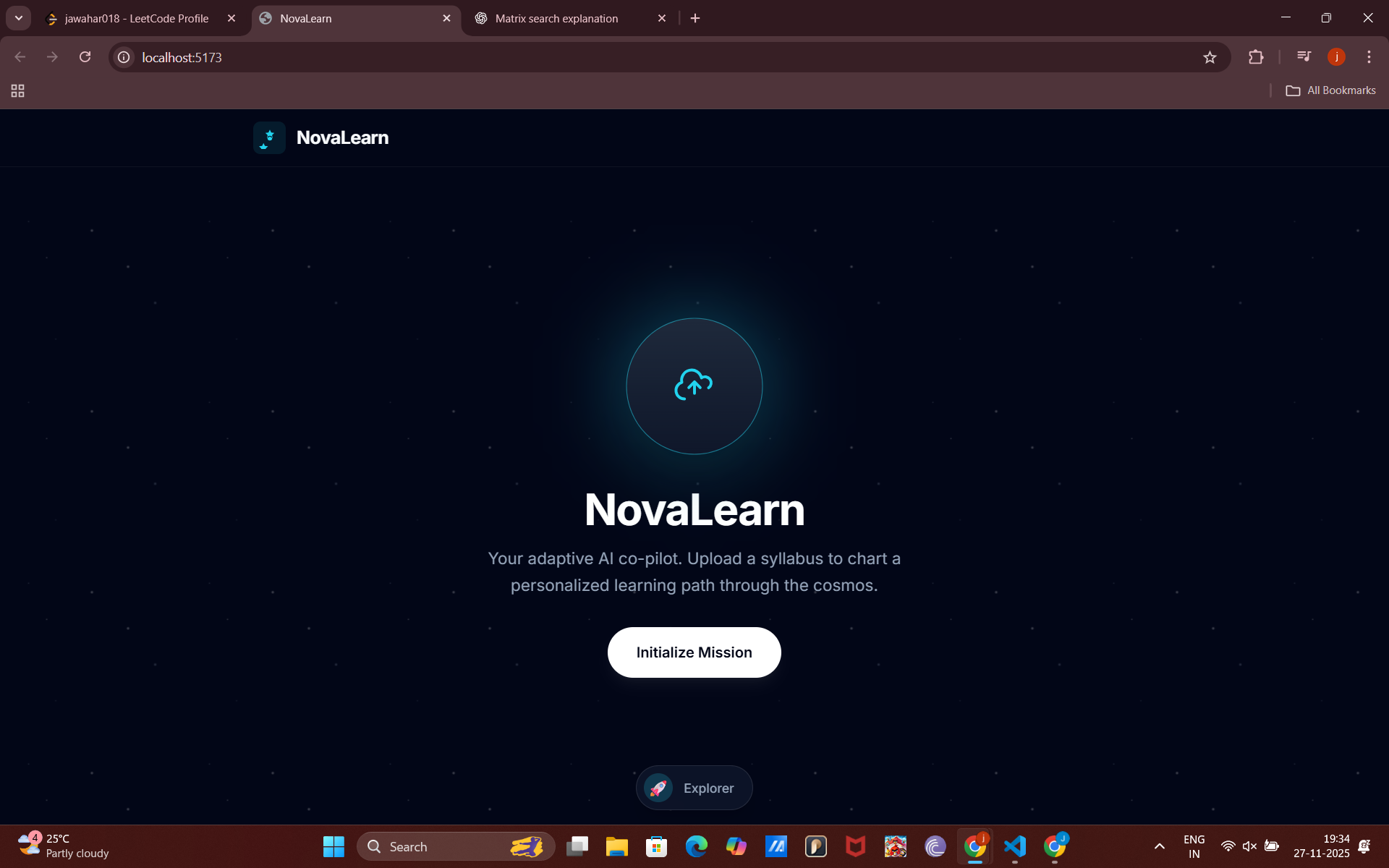
The AI Adaptive Learning Copilot transforms any syllabus, PDF, or class notes into personalized learning modules. It auto-generates summaries, flashcards, adaptive quizzes, step-by-step explanations, and study plans. A built-in AI tutor answers student questions using only their curriculum, not external data. Teachers receive real-time analytics like performance heatmaps, weak-topic detection, and AI-assisted lesson planning. The platform works on low bandwidth and supports multilingual learning.
How we built it
We used HTML, CSS, JavaScript for the front end, Java + basic DSA concepts for the backend logic, and integrated an AI API for content generation and adaptive scoring. We stored user progress locally and optimized the UI for both desktop and mobile. We iterated quickly using user test feedback.
Challenges we ran into
Ensuring AI responses stay within the uploaded syllabus
Designing adaptive quizzes that adjust difficulty dynamically
Making analytics simple and meaningful for teachers
Ensuring low-latency performance even with AI involvement
Keeping the UI fully accessible and easy for all users
Accomplishments that we're proud of
Built a functional personalized learning engine in a short hackathon timeline
Created clean, intuitive dashboards for teachers
Developed adaptive quiz logic using DSA fundamentals
Made the platform offline-friendly and accessible
Successfully tested multilingual learning mode
What we learned
We learned how to design AI systems centered on real user problems, not just features. We explored building adaptive learning flows, integrating model outputs responsibly, and improving UI accessibility. We gained hands-on experience with prompt engineering, data handling, and rapid prototyping.
What's next for AI Adaptive Learning Copilot with Teacher Analytics
Adding student motivation features like streaks and gamified progress
Expanding teacher analytics with predictive insights
Building a collaborative classroom mode
Adding voice-based tutoring and doubt clarification
Deploying a scalable cloud backend
Publishing a mobile app version for rural accessibility

Log in or sign up for Devpost to join the conversation.