-
-
Logo
-
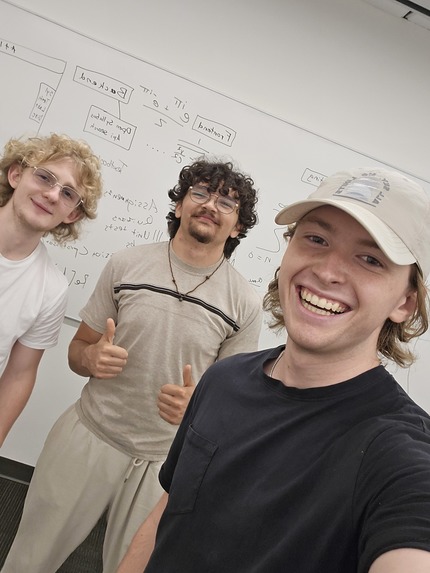
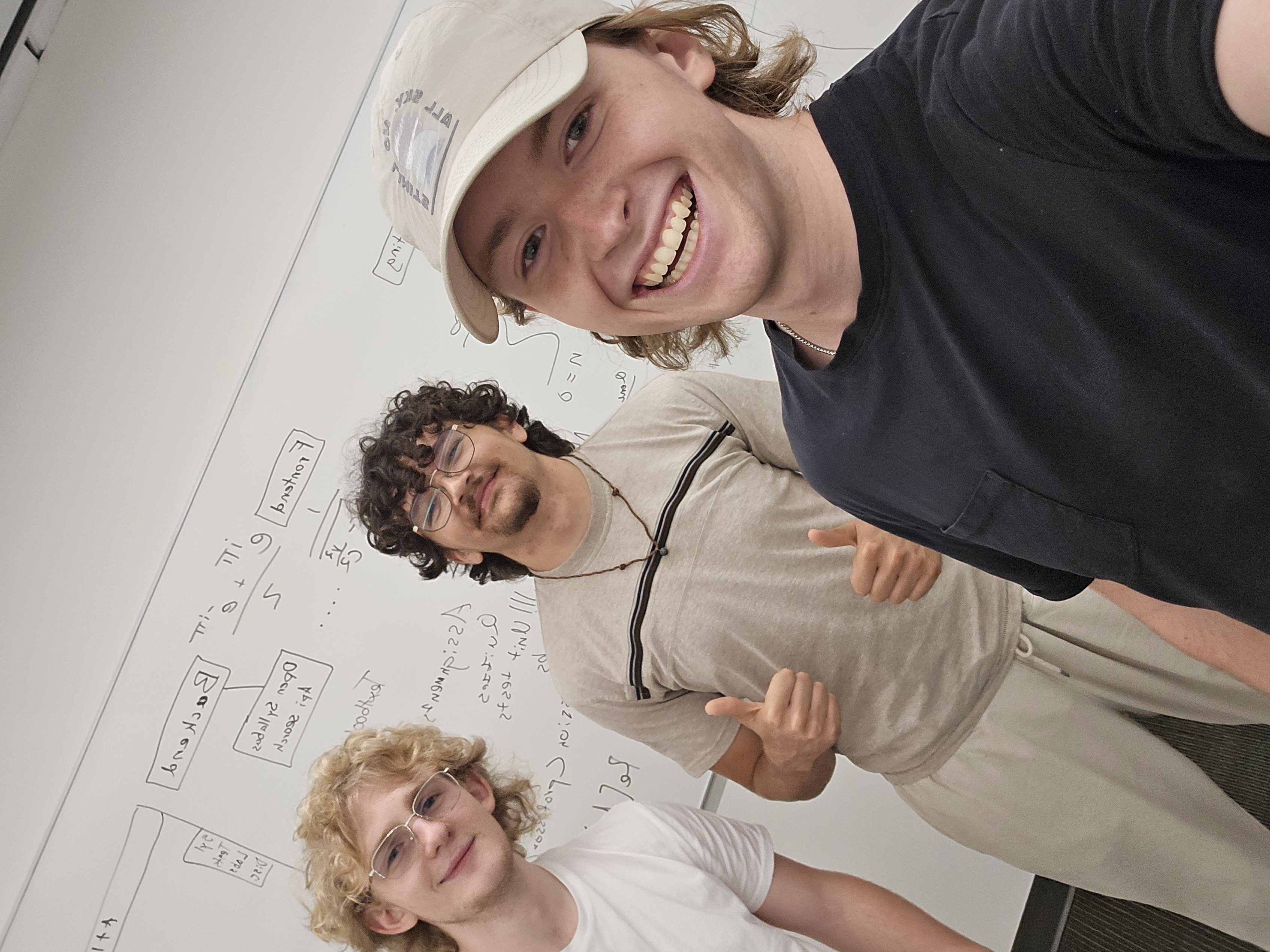
Team Picture
AHA
The Story - Failure and Getting Back Up
Coming from rural backgrounds we all knew we wanted to build something that helped connect people with available resources, but we wanted to reach a real need, so we made some calls. We called people we knew from low income and international backgrounds as well as some on campus leaders involved with the Moody Center for Civic Engagement. Based on their feedback, we decided to create something that brought Liberal Arts Education to anyone which many online certificate programs miss out on. Our team trained a model to sort through syllabi and available text resources to make personalized coursework; however, we ran out of API Credits and were slowed to a crawl taking 2 hours just to filter through Linear Algebra. So, we decided at Noon on the second day to Pivot.
Helping a Friend
We looked back over our initial calls and two things stuck out; A friend whose parents didn't speak English and who qualified for housing assistance but never knew they qualified or how to apply, as well as a Moody Center for Civic Immersion Rep informing us about how lack of housing contributes to cycles of poverty, worsens health outcomes, and erodes educational opportunities. This was an AHA moment and we decided to build the Affordable Housing Assistant - using Rice Baker Institute Policy Recommendations to help make housing more achievable.
How We Built It
For our first attempt with the custom education we were able to construct internet scrappers that would take digital pdfs and syllabi and chunk the information into sizes that were manageable with a small token count. We then ran this through OpenAI to try and summarize data and produce questions based on the readings as you would have in a real college course. We started with html files such as Wikipedia pages on Linear Algebra and Physics to test its performance. We then move on to digital textbooks that were several hundred pages long. We had to switch to hugging face transformers later on to get around paying for more OpenAI usage, but the extremely low token count made summaries useless. At this point we pivoted to our next idea.
Final Project
We decided to pivot ideas at this point and turned our attention to affordable housing, a major problem globally. We began working using many similar techniques to the first project. We began by designing and using internet scrappers that found as many different voucher programs as possible and affordable housing companies for Houstonians and then put them into an excel sheet. From there we went in manually and figured out what different requirements the forms had and compiled a list. After looking at the most common requirements throughout all of the forms, we created a curated list of questions that determined a person's eligibility for the largest range of forms possible. From there, we created the frontend landing page to explain the idea and the questionnaire. We finished by designing and implementing the frontend for the results tab and added links to all of the websites for the voucher programs and legal help. We also summarized the different documents that would be required for the documents. After this, to make it more accessible, we added a language toggle that allowed users to change the language of the results page as well as the quiz.
Built With
- css
- fastapi
- javascript
- json
- next
- post
- python
- tailwind
- typescript


Log in or sign up for Devpost to join the conversation.