-
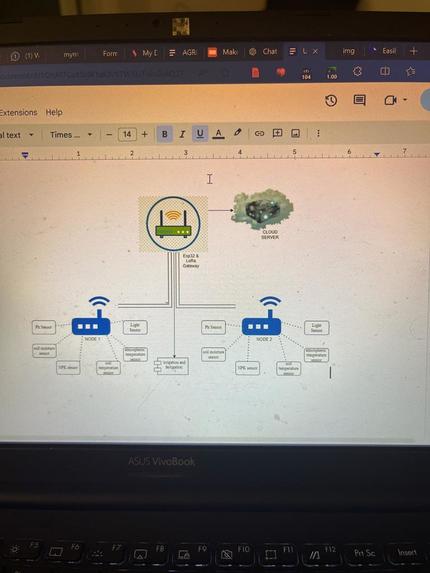
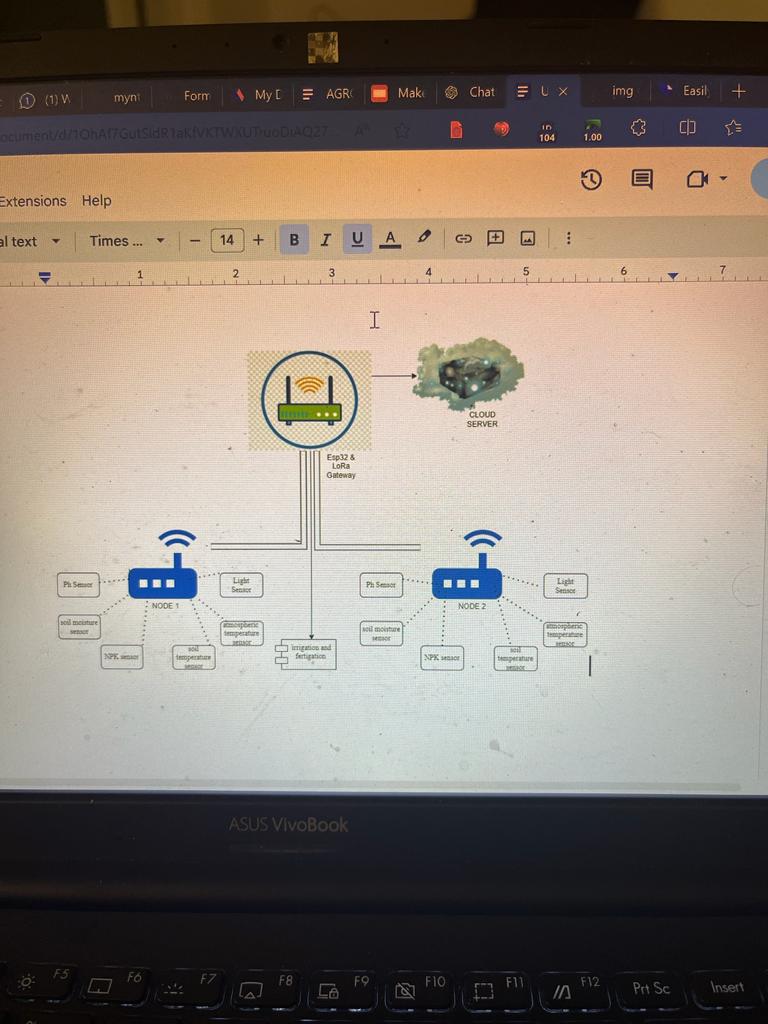
architecture
The world is in the middle of a modern agricultural revolution, sparked by the introduction of spectacular new technologies such as smart sensors, high-precision GPS systems, and a wide range of IT applications combined with high-end techniques. Traditional farming relied on managing entire fields based on time-proven manual techniques and regional conditions for a long time. Precision farming is a modern generation of farming that uses information technology to help farmers understand the health of their farms. With the help of remote-mounted or stationary sensors, along with camera-equipped drones, farmers get real-time data on crops.Precision farming is an approach where inputs are utilised in precise amounts to get increased average yields, compared to traditional cultivation techniques. The global population is increasing at a tremendous speed thus, the demand for safe and secure food to meet this population is in demand. Therefore, traditional farming methods are insufficient to meet this demand; thus, the next revolution in agriculture is required, which is Precision Agriculture (PA), the Fourth Agricultural Revolution. PA is a technology where the concept of farm management is based on observation, measuring, and responding to inter- and intra-field variability in crops.The technologies used for performing precision agriculture are mapping, global positioning system (GPS), yield monitoring and mapping, grid soil sampling application, variable-rate fertiliser application, remote sensing, geographic information systems (GIS), quantifying on farm variability, soil variation, variability of soil water content, time and space scales, robots, drones, satellite imagery, the internet of things, smartphone, and machine learning. Hence, the current chapter will be emphasising the overview, concepts, history, world interest, benefits, disadvantages, and precision farming needs.
Built With
- cortex-boards
- css
- edgeimpulse
- esp32
- html
- javascript
- nodered
- python
- tinyml


Log in or sign up for Devpost to join the conversation.