-
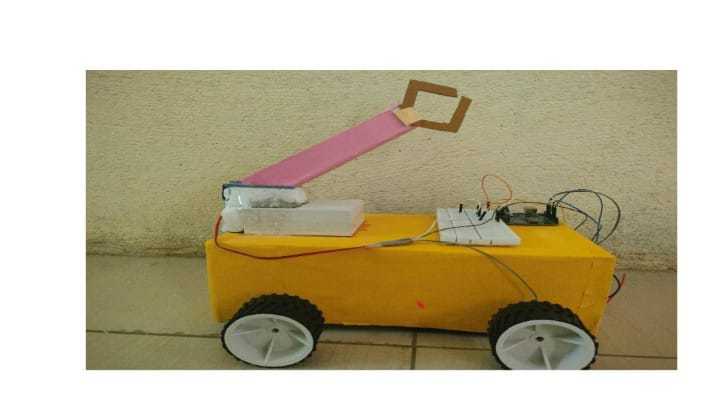
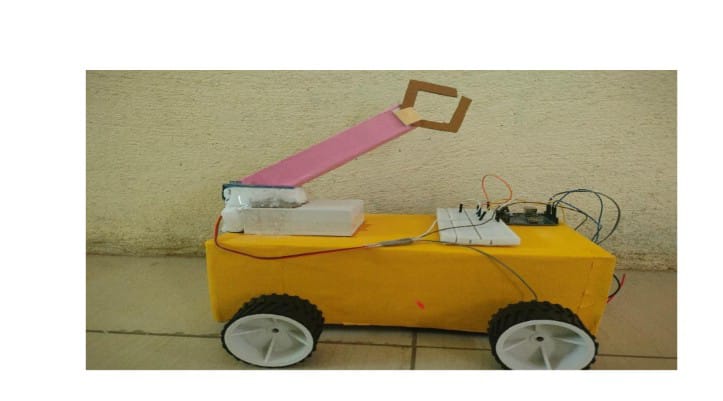
basic prototype
-
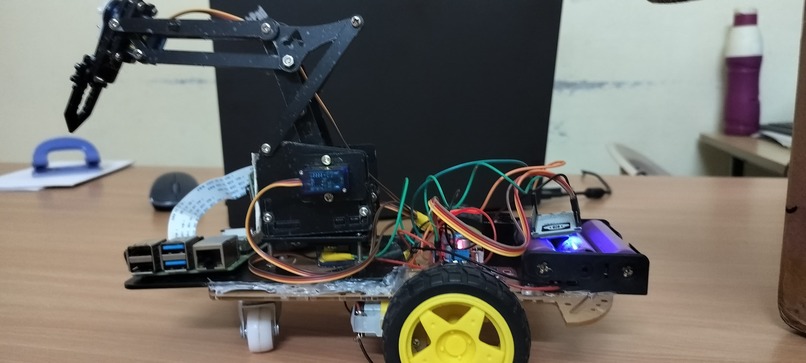
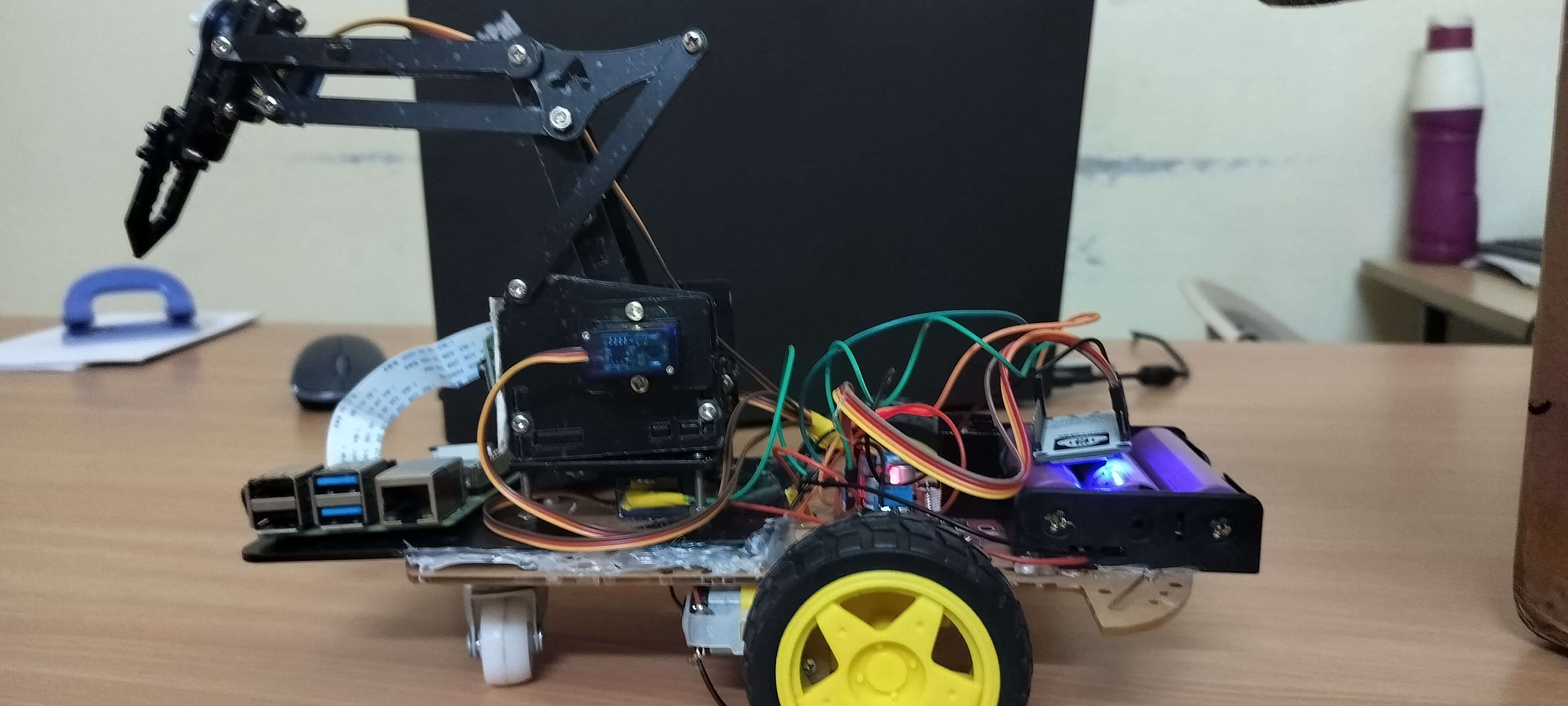
prototype
Inspiration
Coming from a farming background, I’ve seen firsthand how costly labor can be, particularly in the process of cutting mirchi (chili). The high expenses for manual labor prompted me to explore automation for reducing these costs, which led to the idea of creating a system that autonomously checks plant health, cuts the mirchi, and sprays pesticide only on specific plants that need it.
What it does
The project focuses on automating the process of checking the health of chili (mirchi) plants, cutting chillis autonomously, and spraying pesticide only on plants that need it. This automation reduces labor costs, especially for chili cutting, and ensures more efficient and targeted pesticide application. By using technology, the system improves plant care, reduces human error, and enhances productivity for farmers.
How we built it
We built the system by integrating several technologies, including computer vision, robotics, and sensors. First, we used cameras and sensors to monitor the health of the chili plants in real-time. Machine learning algorithms were trained to identify signs of plant health issues such as diseases or nutrient deficiencies. For the cutting and pesticide application, we used autonomous robots equipped with precision tools to cut the plants and spray pesticide only where necessary, minimizing waste. The entire system is controlled through a central interface that allows for easy monitoring and adjustments. The use of these technologies ensures an efficient and cost-effective solution for chili farmers
Challenges we ran into
- Sensor Accuracy: Ensuring sensors detect plant health precisely and avoid false readings.
- Machine Learning Model Tuning: Fine-tuning models for optimal plant health detection without overfitting.
- Weather Dependency: Implementing a system that works effectively in different weather conditions, especially outdoor factors like wind and rain.
- Real-time Performance: Ensuring the system runs efficiently in real-time to autonomously perform tasks without delays.
Accomplishments that we're proud of
- Accurate Plant Health Detection: Successfully developed a system that can autonomously assess plant health and make decisions based on real-time data.
- Autonomous Mirchi Cutting: Enabled the autonomous cutting of mirchi (chili) plants, significantly reducing labor costs.
- Efficient Pesticide Application: Built a solution to spray pesticide only where necessary, reducing chemical usage and promoting sustainability.
- Cost Reduction: Achieved significant cost savings in the farming process, particularly in labor and pesticide costs.
What we learned
1.Real-Time Data Processing: Gained experience in processing and analyzing real-time plant health data for quick decision-making. 2.Machine Learning in Agriculture: Learned how to apply machine learning techniques for automated tasks like plant health detection and autonomous actions. 3.Automation for Efficiency: Realized the importance of automation in reducing manual labor and improving operational efficiency in farming. 4.Sustainability Impact: Understood how targeted pesticide application not only reduces costs but also contributes to environmental sustainability.
What's next for agrorobot
The next steps for AgroRobot include expanding its capabilities to improve plant health and reduce labor costs even further. Planned enhancements include: 1.Weed Picking: Integrating a weed detection system to autonomously identify and remove weeds, ensuring better plant growth and reducing the need for herbicides. 2.Advanced Disease Detection: Adding machine learning models to detect plant diseases early, enabling faster intervention and reducing crop loss. 3.Irrigation Control: Implementing smart irrigation systems that adjust watering schedules based on plant health data, optimizing water usage. 4.Enhanced Automation: Improving the robot’s precision in plant cutting and pesticide application, further reducing waste and enhancing efficiency.
Built With
- api
- arduino
- matplotlib
- matplotlib-(for-data-analysis-and-visualization)-platforms:-raspberry-pi-(for-robotics-and-automation-control)-cloud-services:-google-cloud-(for-cloud-computing-and-model-training)-apis:-tensorflow-api-(for-machine-learning-model-integration)
- mysql
- numpy
- opencv
- opencv-api-(for-image-processing)-databases:-mysql-(for-storing-sensor-and-plant-data)-hardware:-raspberry-pi
- pandas
- python
- raspberry-pi
- sensor
- tensorflow
- tensorflow-(for-machine-learning-models)-libraries:-numpy

