
Inspiration
As a solo developer, I wanted to build something meaningful that could improve everyday user experience and also help me grow as a programmer. The inspiration for this project came from observing how people struggle with consistency, efficiency, and accessibility when interacting with digital tools. This motivated me to create a simple, clean, and functional solution that solves a real problem while showcasing my technical skills.
What it does
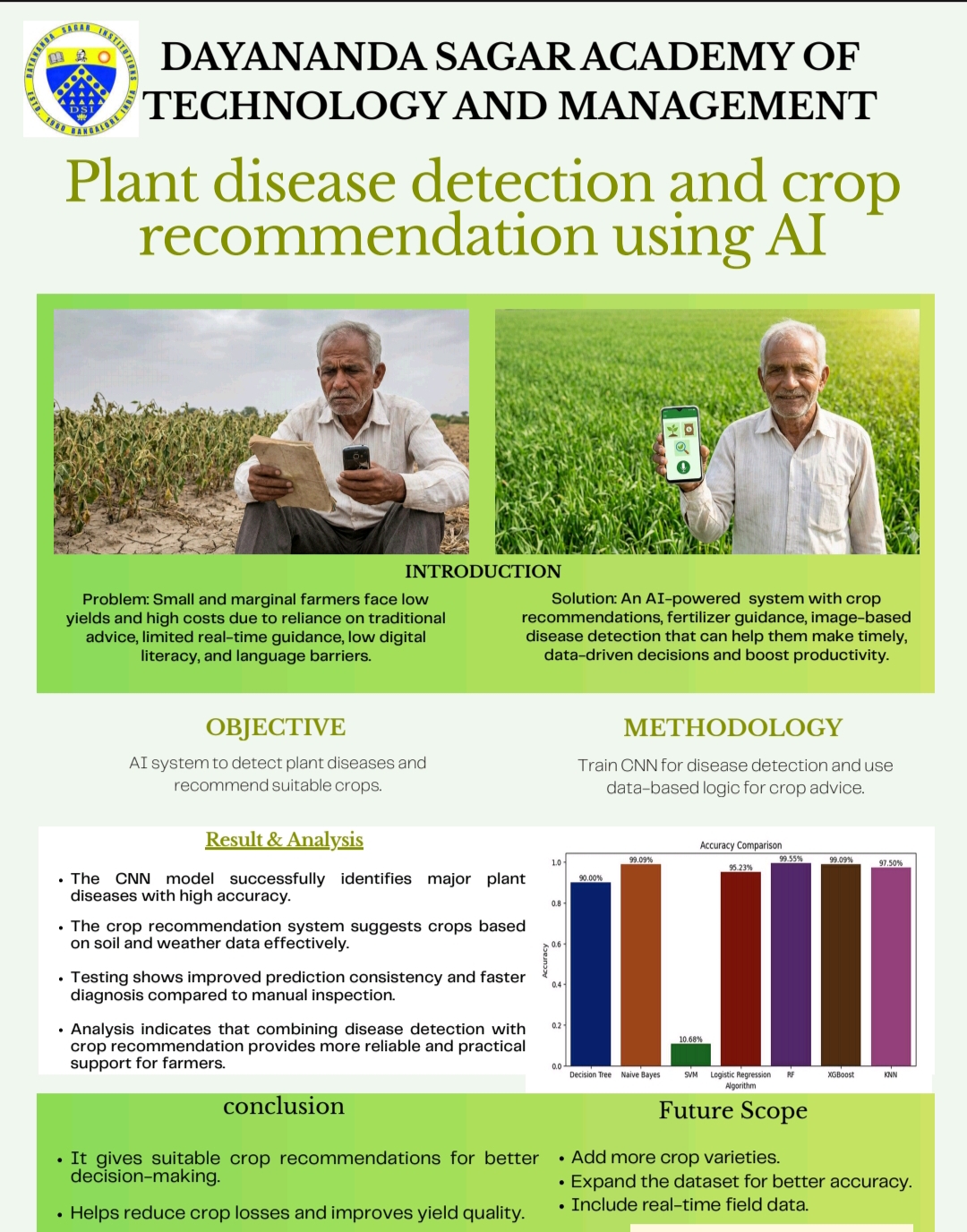
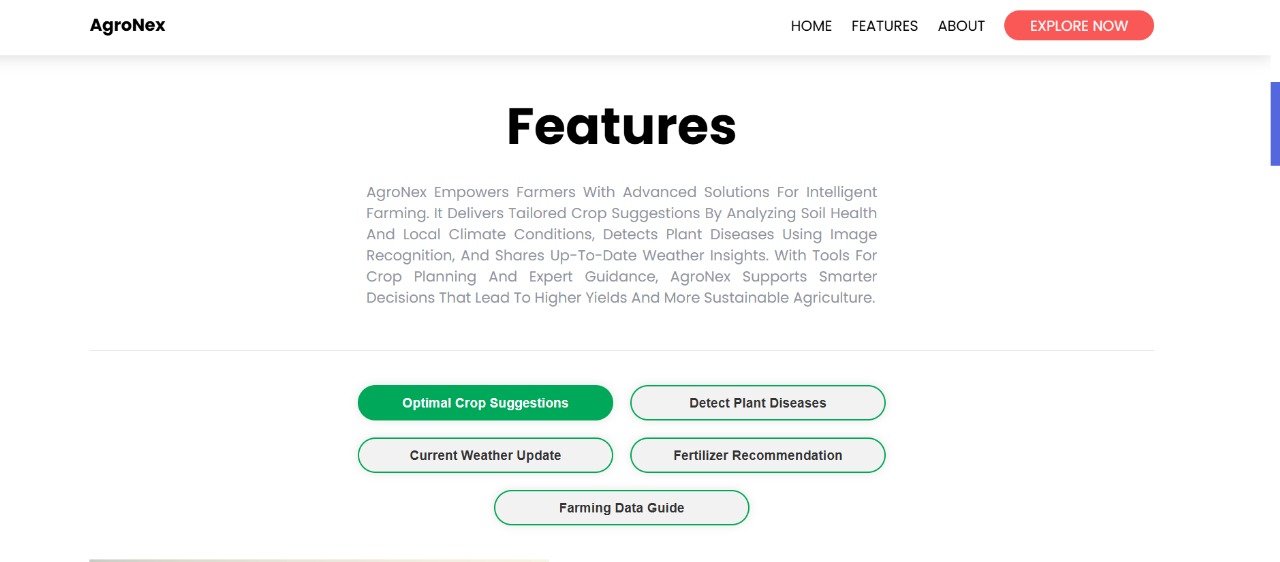
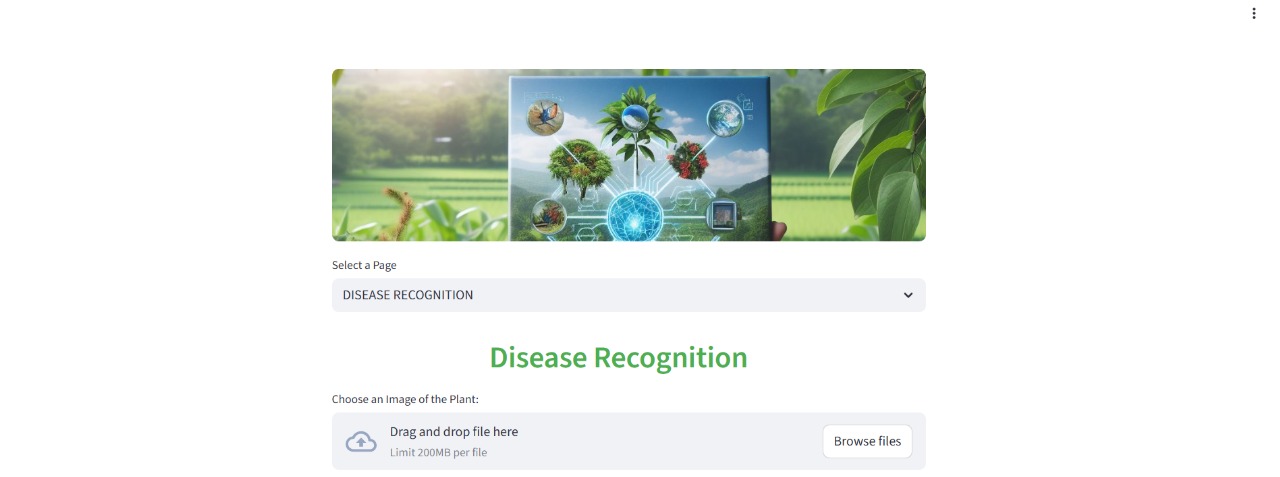
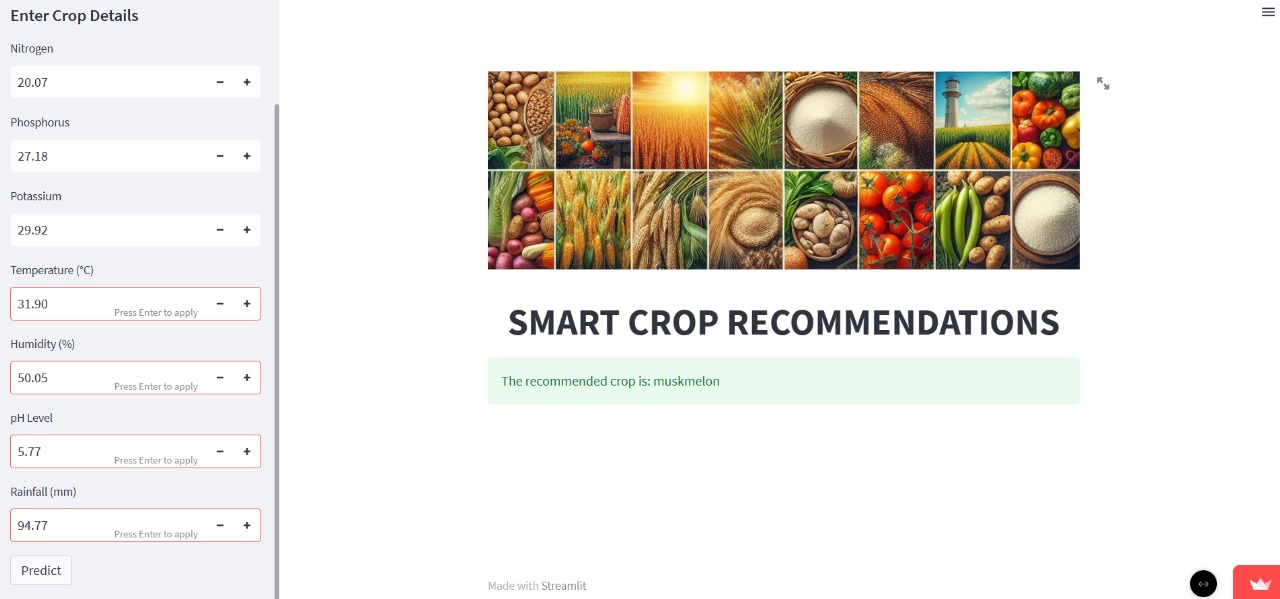
This project provides an easy-to-use interface where users can interact with the system smoothly. It focuses on usability, clarity, and performance. The platform allows users to access features quickly, perform tasks without complexity, and enjoy a modern and intuitive UI.
How I built it
Since I worked alone, I handled the complete development cycle: 1.Planned and designed the structure 2.Created UI screens and implemented core functionality 3.Wrote and optimized all the code 4.Tested every component individually 5.Integrated the entire system into a working prototype 6.Designed the final workflow and interactions This end-to-end experience helped me understand full-stack development from design to deployment.
Challenges I ran into
Working solo meant I had to handle every part myself. Some major challenges included:
1.Managing multiple tasks (design, coding, testing) alone 2.Debugging unexpected errors without support 3.Ensuring responsive design and smooth performance 4.Choosing the right technologies within limited time 5.Overcoming these challenges helped me improve both my technical and problem-solving skills.
Accomplishments that I am proud of
I’m proud that I was able to: 1.Build the entire project from scratch independently 2.Implement all the core features 3.Maintain clean UI/UX 4.Create a working prototype within the time frame 5.Learn new concepts and tools along the way 6.This project reflects both my creativity and dedication.
What I learned
Building this project solo taught me: 1.How to design clean user interfaces 2.How to write efficient, maintainable code 3.How to debug and solve problems independently 4.How to manage time effectively under deadlines 5.How to integrate multiple components seamlessly 6.How to think from both user and developer perspectives 7.Overall, this project strengthened my confidence as an independent developer.
What's next for AgroNex – AI-Powered Smart Farming Assistant
Future improvements I plan to add: 1.More user-interactive features 2.Better animations and UI enhancements 3.Additional modules to expand functionality I want to continue improving this project and build it into a more complete solution.

Log in or sign up for Devpost to join the conversation.