-
-
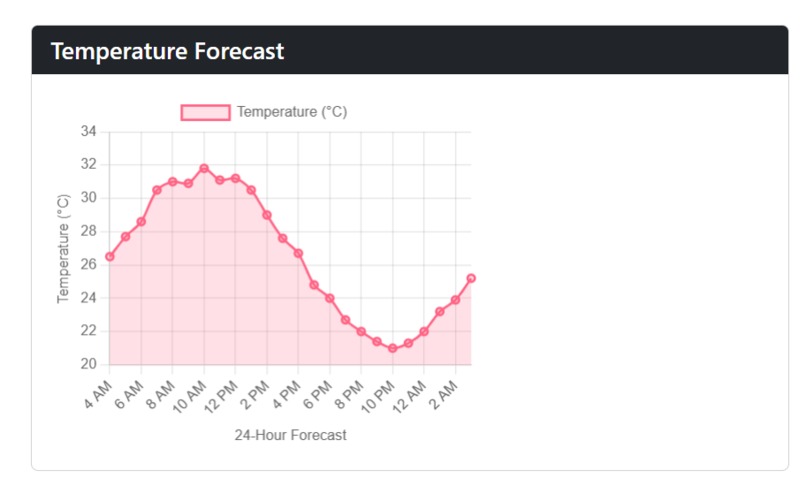
Weather forecast
-
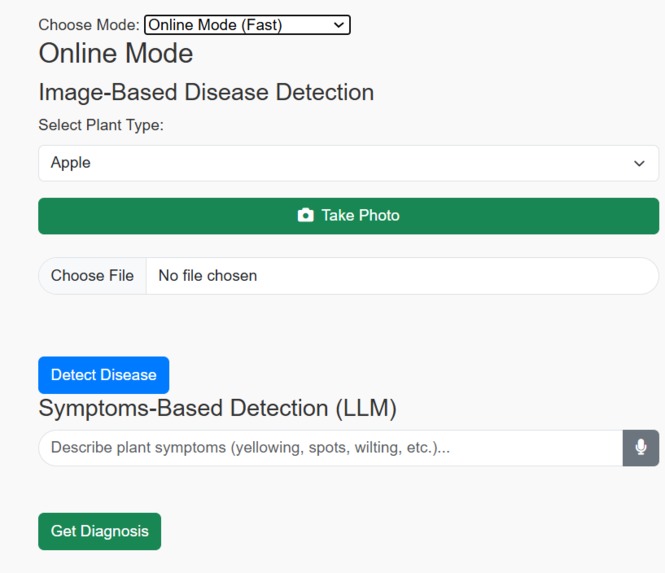
Voice to text feature
-
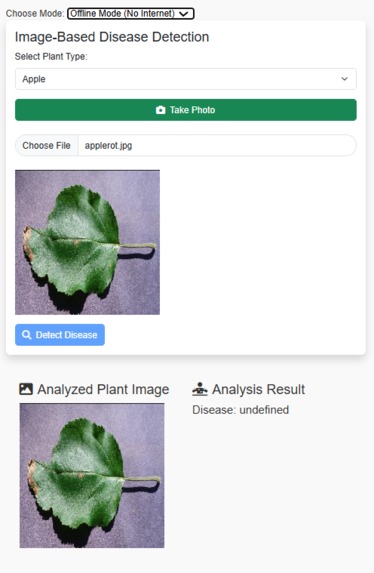
Get instant results
-
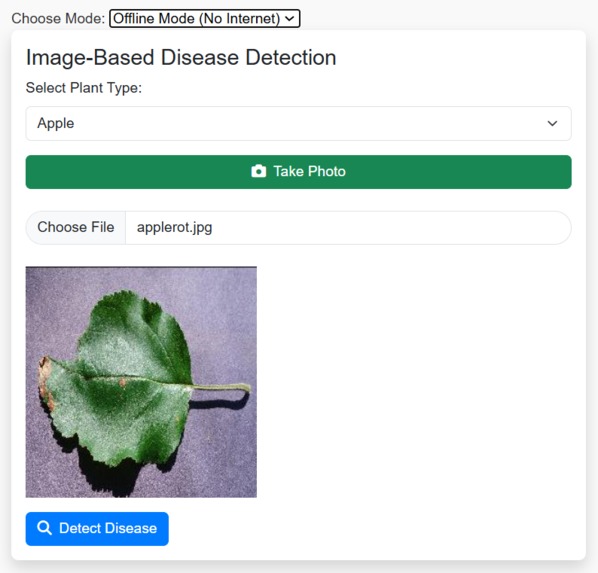
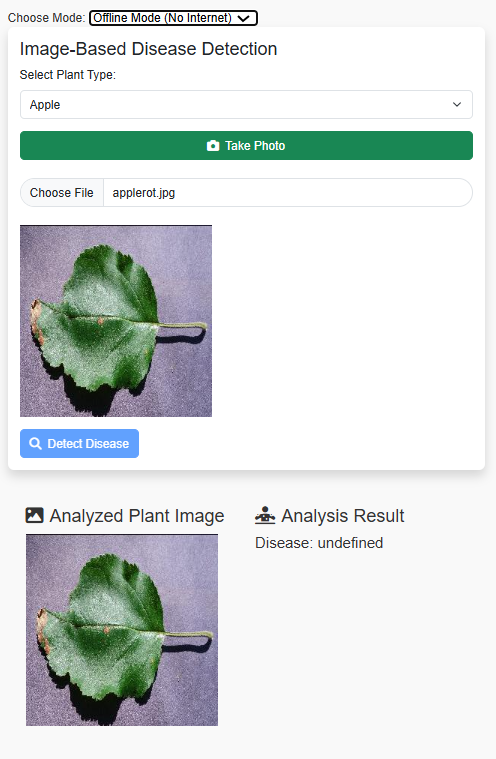
Offline mode
-
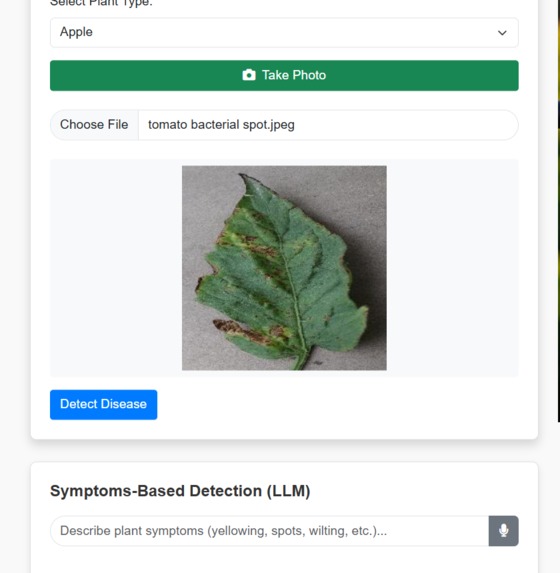
Real time diagnosis
-
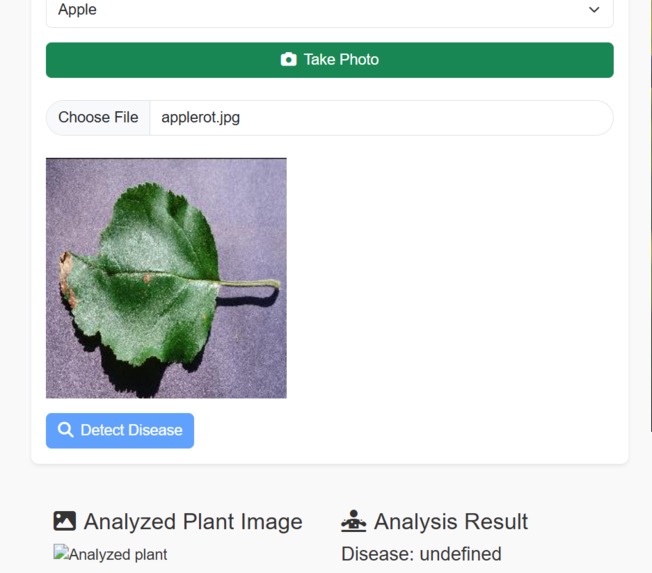
Upload using Camera




Here’s a structured write-up for AgroDx that you can use for a hackathon submission, portfolio, or presentation:
🌱 Inspiration
Agriculture is the backbone of many economies, yet millions of farmers still struggle with preventable crop diseases. We wanted to create a tool that empowers farmers with real-time, offline-capable disease diagnostics—without needing expensive equipment or constant internet access. That’s how AgroDx was born.
🚜 What it does
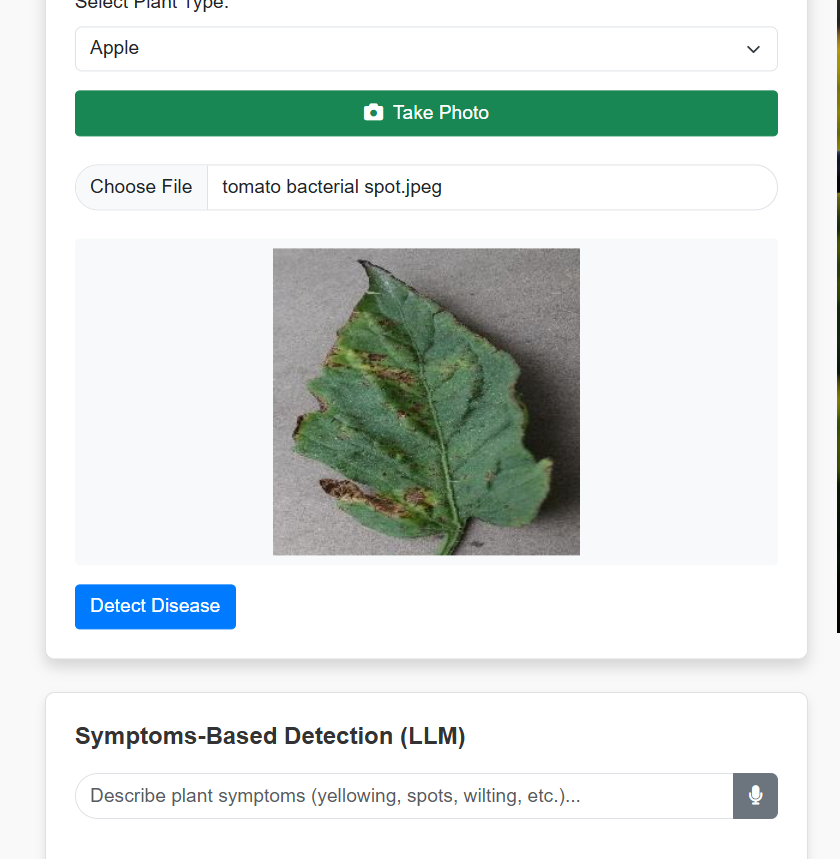
AgroDx is a plant disease detection tool that uses image-based AI to help farmers identify crop diseases quickly and accurately. Users can:
- Capture or upload images of their crops.
- Instantly receive disease predictions and treatment suggestions.
- Use the app even in remote areas thanks to offline support.
- Access a Progressive Web App (PWA) and mobile version for flexibility.
🛠️ How we built it
- Backend: Flask + TensorFlow for image-based disease classification.
- Model: A custom-trained CNN on a dataset of plant diseases (PlantVillage).
- Frontend: Responsive HTML/CSS/JS for the web, adapted into a mobile app using Capacitor.
- Offline Capability: Implemented using Service Workers (for PWA) and local storage.
- Deployment: Hosted on Render with a PostgreSQL database and email integration.
🧱 Challenges we ran into
- Making TensorFlow work with a lightweight deployment setup.
- Ensuring the app ran smoothly offline, especially with large models.
- Optimizing image preprocessing on mobile devices.
- Adapting the Flask API for both mobile and PWA environments.
🏆 Accomplishments that we're proud of
- Achieved 90%+ accuracy on several common crop diseases.
- Fully functional offline mode with real-time predictions.
- Seamless cross-platform experience via mobile and PWA.
- Deployed with scalability in mind, even using free-tier resources.
📚 What we learned
- How to compress and serve ML models efficiently.
- Nuances of Service Workers and offline caching.
- Cross-platform development using Capacitor and Flask APIs.
- The importance of accessibility and simplicity in agri-tech.
🚀 What’s next for AgroDx
- Add multilingual support for regional accessibility.
- Expand the disease database to cover more crops.
- Integrate voice guidance for farmers with low literacy.
- Partner with local agri-communities for field trials.
- Launch an open-source initiative to improve the dataset and model.
Built With
- api
- css3
- firebase
- flask
- gemini
- geoapify
- html5
- javascript
- numpy
- open-meteo-forecast
- pandas
- python
- render
- tensorflow


Log in or sign up for Devpost to join the conversation.