Inspiration
What it does
How we built it
Challenges we ran into
Accomplishments that we're proud of
What we learned
What's next for AgroDron
Inspiration
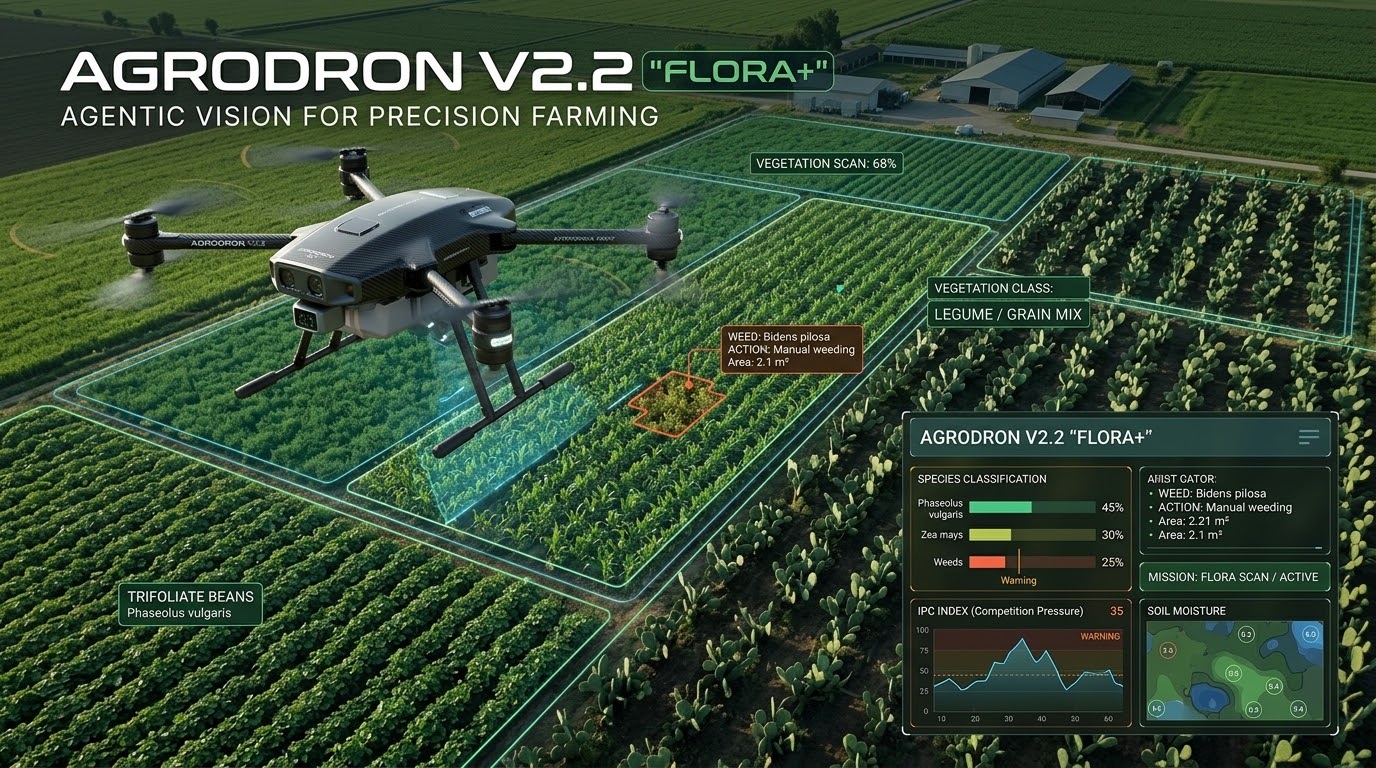
Crop diseases and environmental stress cause devastating yield losses before visible symptoms appear to the human eye. Early diagnosis in precision agriculture is essential to secure food production and reduce the overuse of agrochemicals. AgroDron was built to bridge the gap between high-altitude aerial imagery and actionable, automated phytosanitary intelligence.
What it does
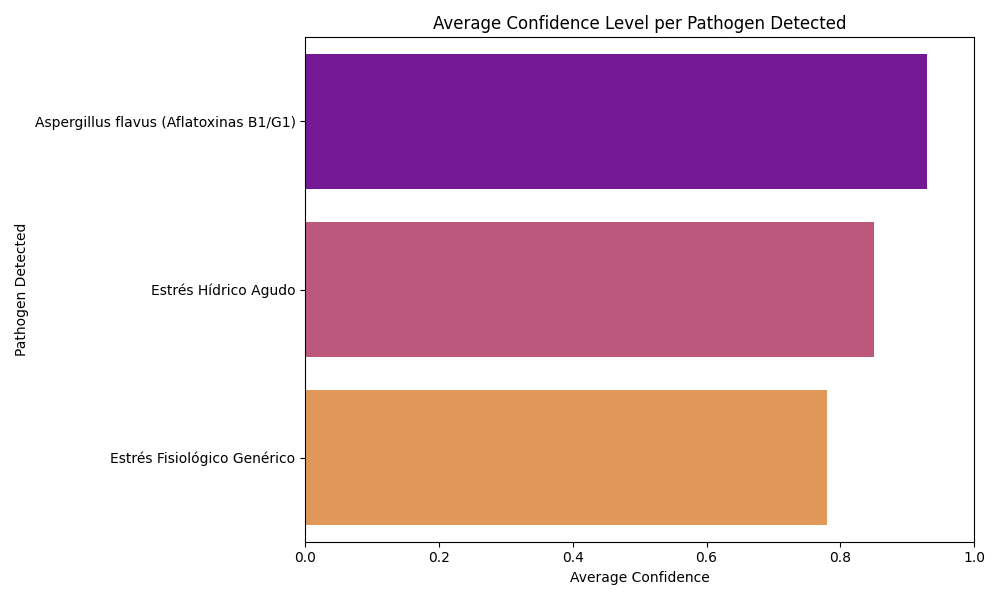
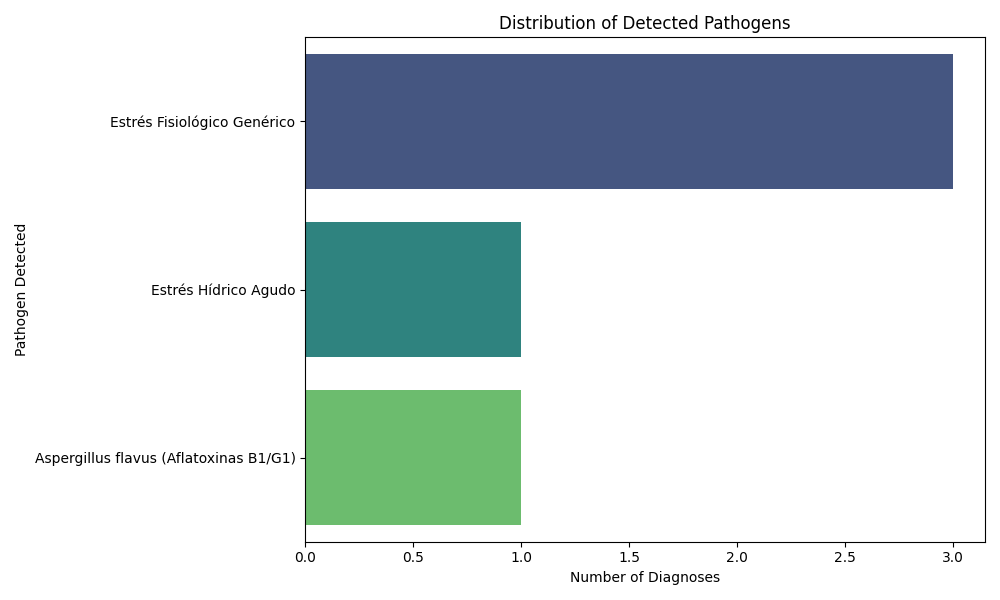
AgroDron is an automated vision engine that processes drone telemetry and spectral imagery to detect crop stress and plant pathogens (such as Aspergillus flavus or Agrobacterium tumefaciens) at an early stage.
Key Capabilities:
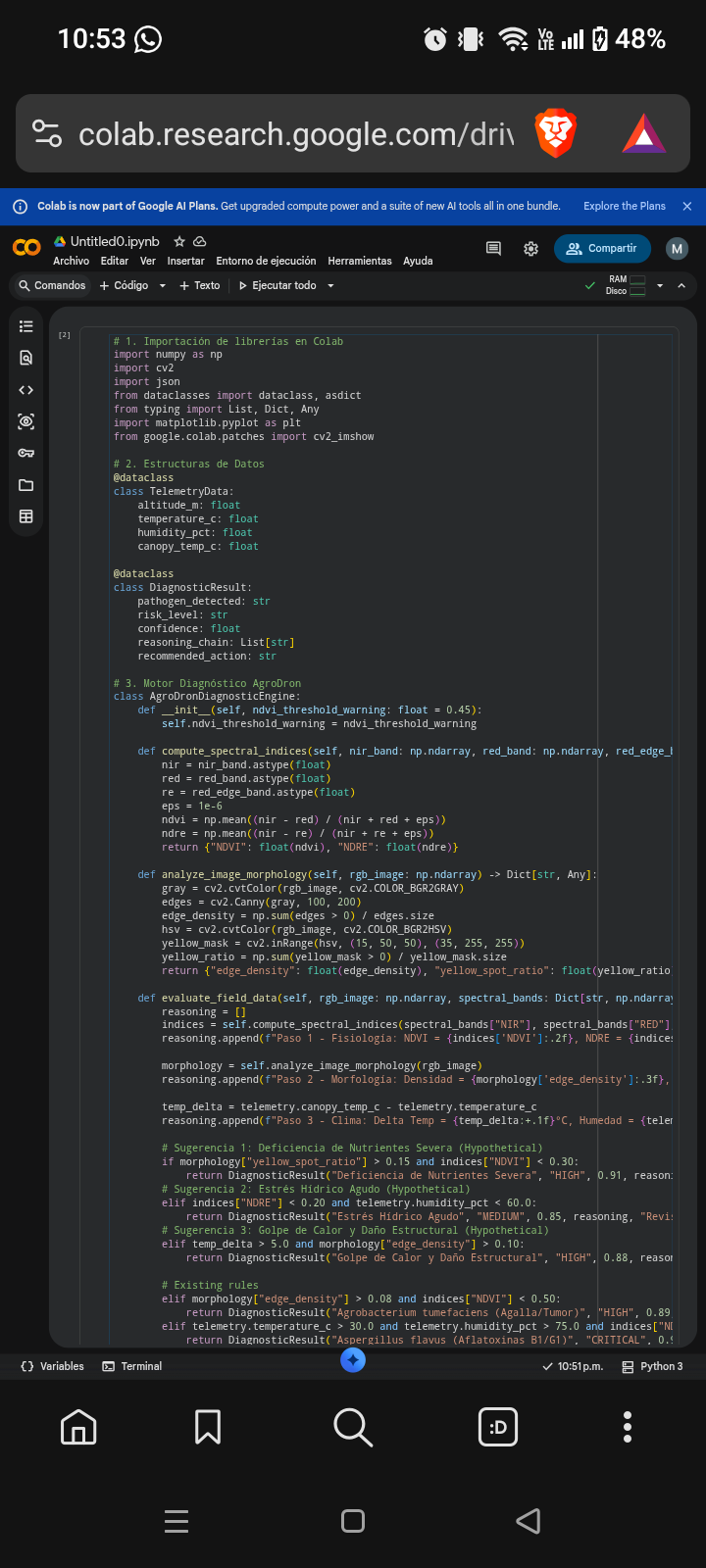
- Spectral Index Calculation: Computes key vegetation indices (NDVI, NDRE) to measure photosynthetic activity and chlorophyll health.
- Morphological & Edge Analysis: Uses OpenCV computer vision to analyze leaf structural damage, spot ratio, and edge density.
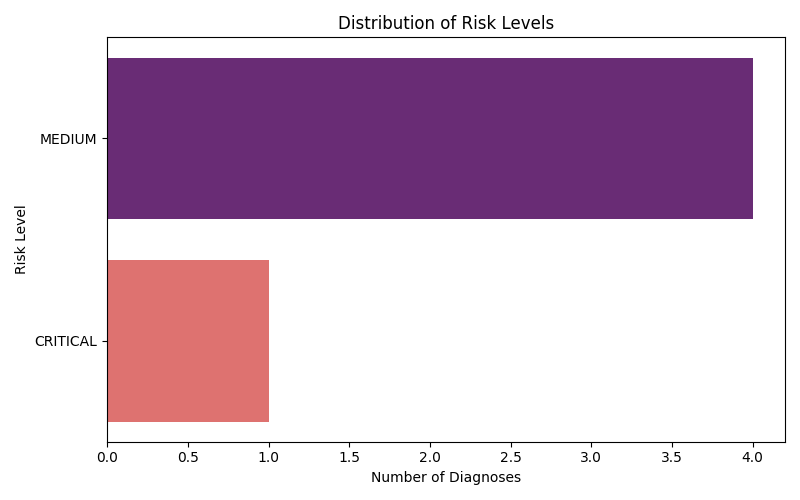
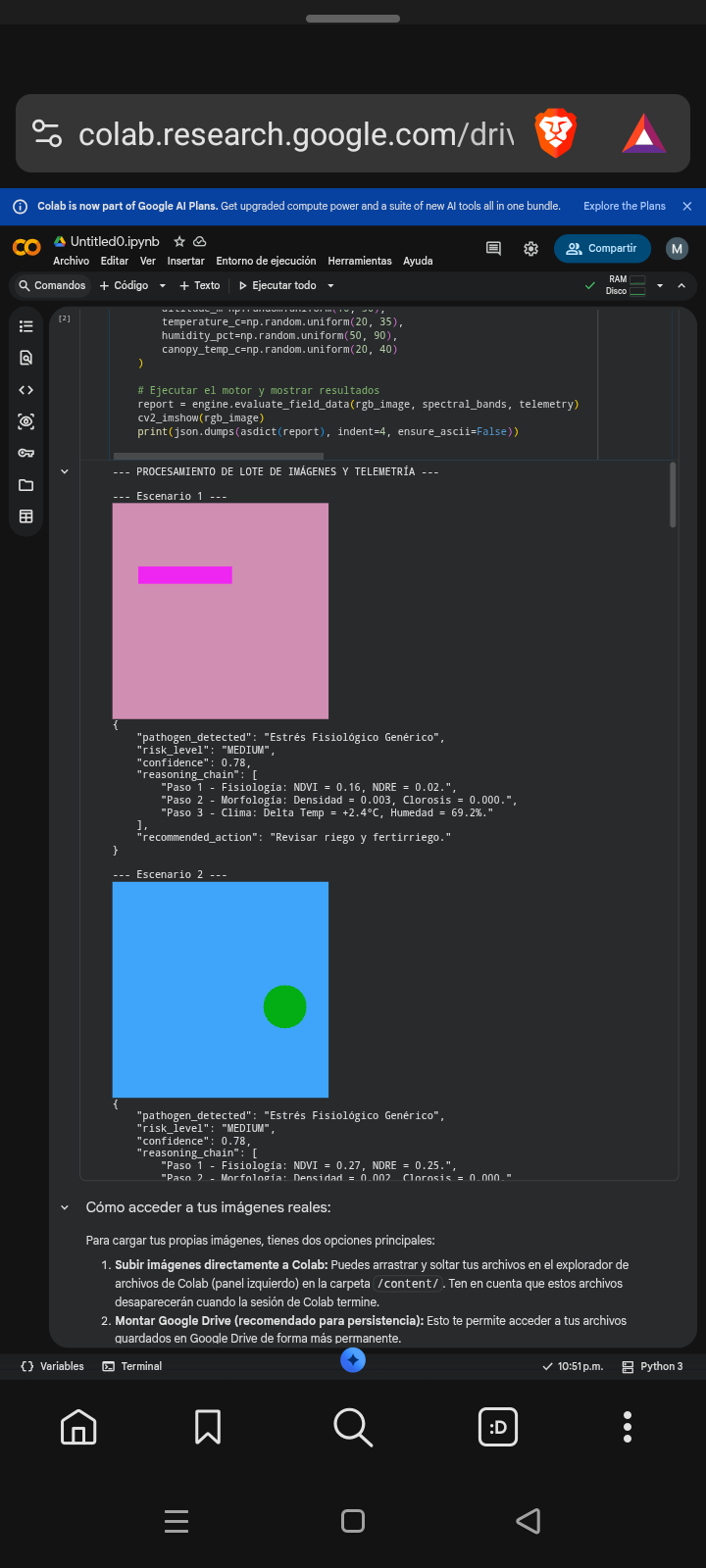
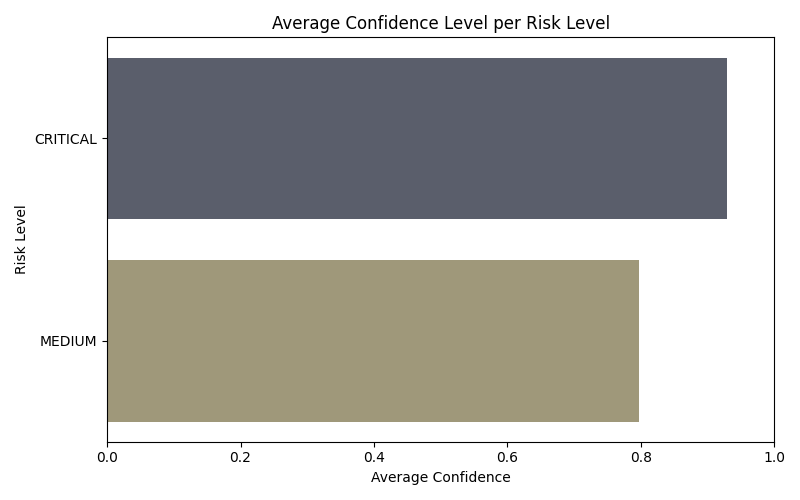
- Explainable Reasoning Chain: Combines telemetry (canopy temperature, soil moisture, altitude) with image features through a transparent rule-based logic engine to classify severity and risk levels.
- Automated Report Generation: Automatically produces executive PDF, JSON, and CSV diagnostic reports for farm management.
- AWS Cloud Integration: Uploads and syncs generated reports and processed imagery to Amazon Web Services (AWS S3) for remote access and audit trails.
How we built it
- Core Vision Pipeline: Built in Python using OpenCV (
cv2) for HSV/RGB color space analysis, Canny edge detection, and feature extraction. - Logic & Diagnostics: Developed custom dataclasses (
TelemetryData,DiagnosticResult) in Python to evaluate multi-factor environmental and visual rules. - Reporting Engine: Utilized
ReportLabfor automated PDF generation. - Cloud Architecture: Integrated
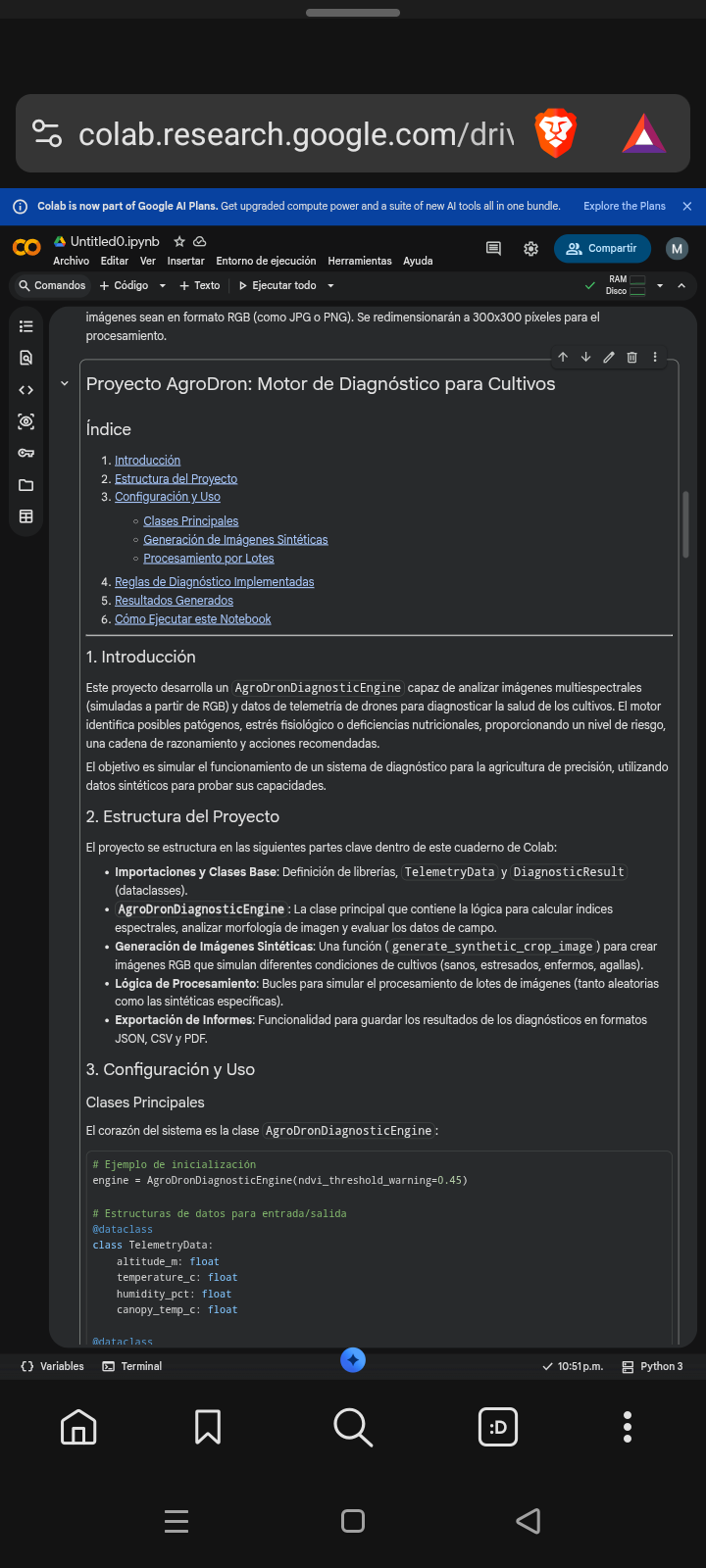
boto3to deploy diagnostic results directly to AWS S3 storage. - Development Environment: Prototype developed and validated in Google Colab.
Challenges we ran into
Simulating multi-spectral reflectance and synchronizing high-resolution vision analysis with environmental telemetry required careful tuning of thresholds to prevent false positives under changing light conditions.
Accomplishments that we're proud of
- Achieving a fully automated pipeline that transitions from raw flight telemetry to an executive PDF report in seconds.
- Maintaining clear, explainable AI reasoning rather than black-box decisions, giving agronomists actionable context.
What's next for AgroDron
- Expanding to real-time agentic drone flight adjustments (triggering lower flight altitudes when early stress is detected).
- Training custom YOLO and Segment Anything Models (SAM) on real-world multispectral datasets on AWS Graviton infrastructure.
Built With
- agriculture
- amazon-web-services
- computer-vision
- google-colab
- machine-learning
- opencv
- python
- sustainability

Log in or sign up for Devpost to join the conversation.