-
-
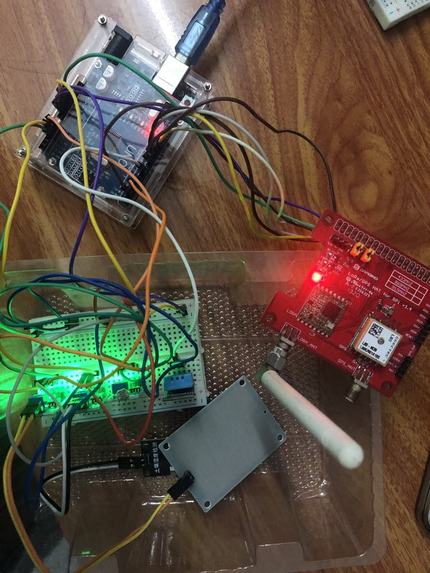
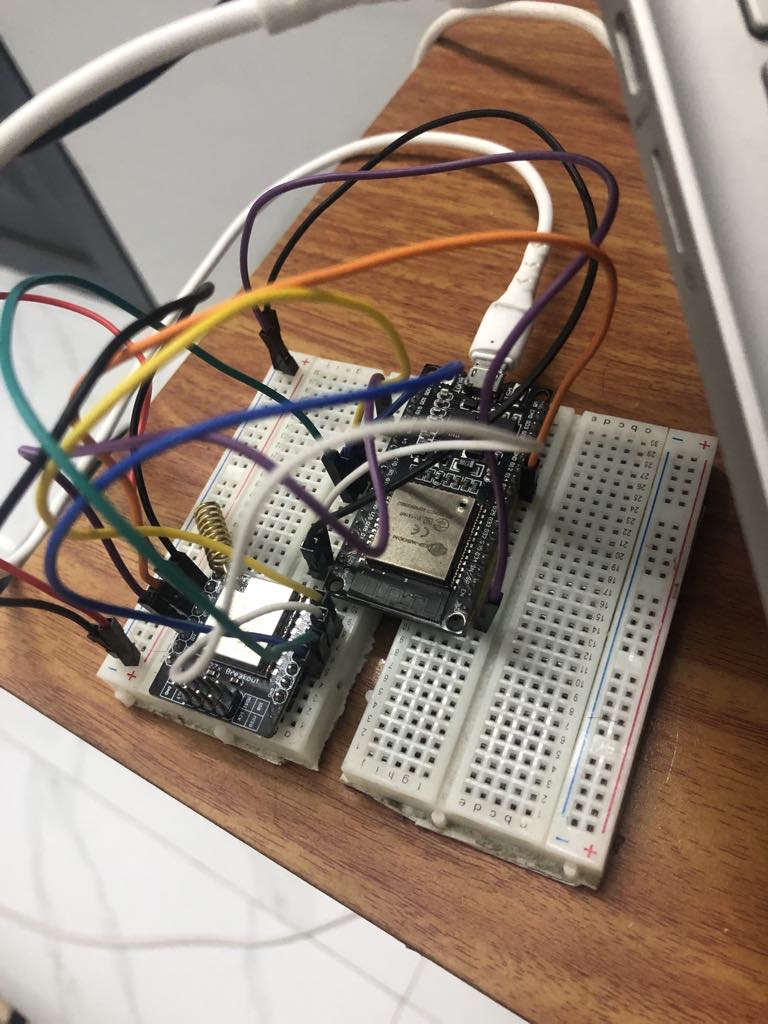
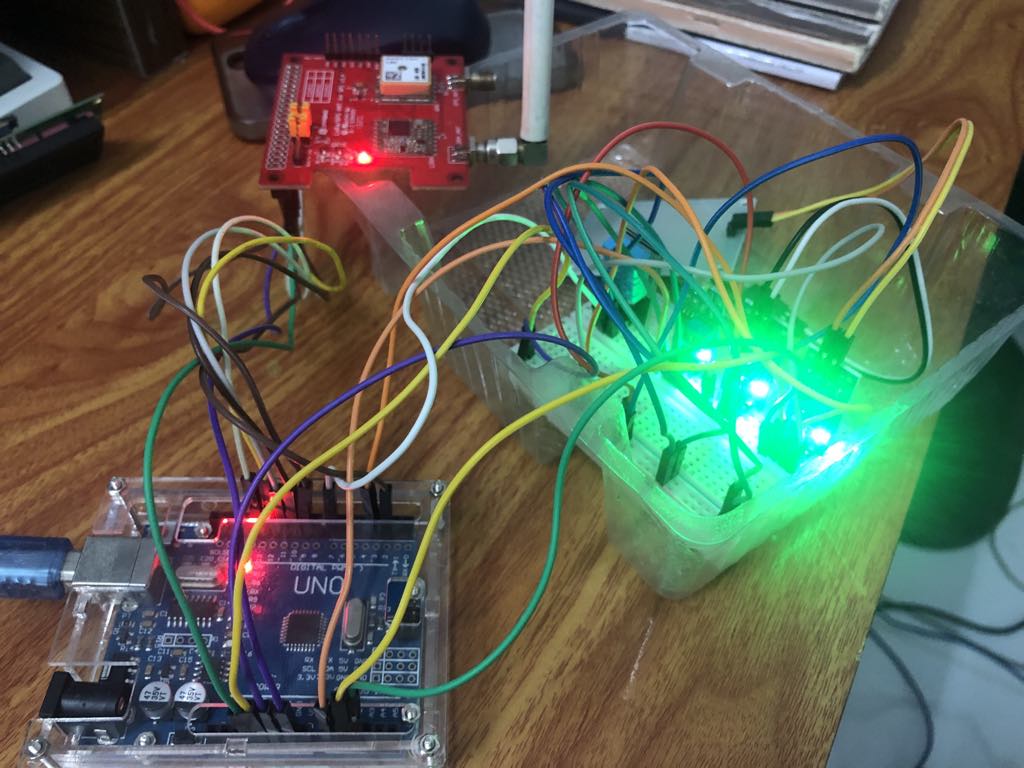
Transmitter Device
-
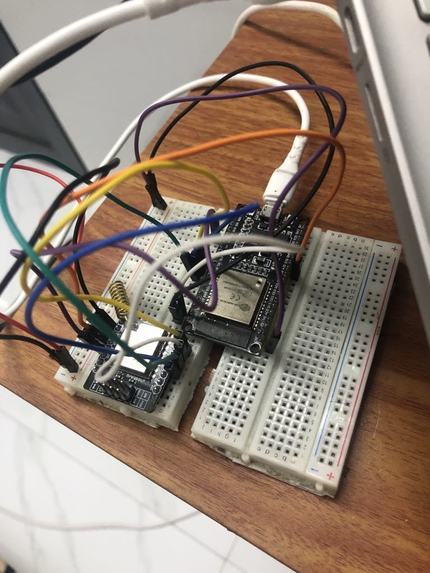
Receiver Device
-
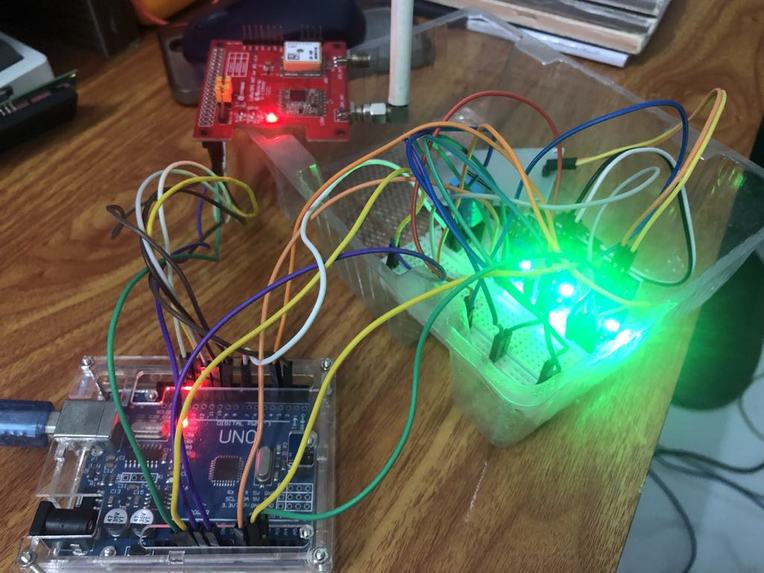
Transmitter Device
Inspiration
The inspiration for my project, AgriWater AI, came from a desire to make a meaningful contribution to sustainable agriculture, especially in regions facing water scarcity. With water conservation being a crucial part of sustainability efforts worldwide, I wanted to create a solution that could directly help farmers optimize water use in their crops. Leveraging IoT and AI seemed like the ideal way to achieve this, as these technologies offer precision and data-driven insights, aligning well with resource conservation goals.
Project Description
AgriWater AI is an AI-powered smart irrigation assistant that helps farmers conserve water by providing precise irrigation recommendations based on real-time environmental data. Using sensors that monitor soil moisture, temperature, and humidity, along with optional weather data, AgriWater AI’s model analyzes current conditions to calculate the optimal amount of water needed for specific crops. The system sends irrigation recommendations through a mobile app, enabling farmers to make informed decisions and avoid overwatering or underwatering. By optimizing water usage, AgriWater AI promotes sustainable agricultural practices and helps farmers maintain crop health while reducing water waste.
System Implementation
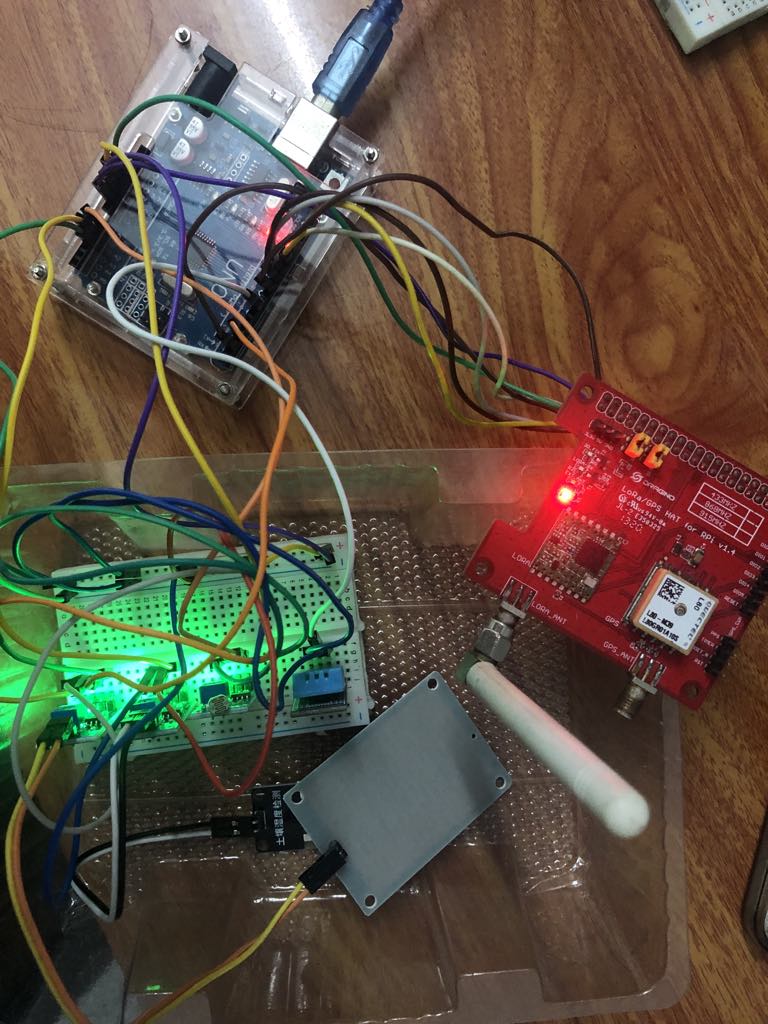
The project began by researching various crops and their typical water requirements based on soil moisture, temperature, and humidity. I connected a set of soil moisture and environmental sensors to an Arduino microcontroller to collect real-time data adn then transfer data to ESP32 central unit via LoRa to process the data. Using Python, I developed a basic machine learning model to predict water needs based on useful data, starting with simple regression algorithms to calculate the ideal amount of water to use.
After developing the model, I created a simple Blynk application interface where users could view the recommended water levels for the day. The Arduino was programmed to transmit data to the ESP32 and then process it in the cloud, where the model would run calculations and send irrigation suggestions back to the user. Testing on small sample plots helped validate the model and adjust its parameters for better accuracy.
Challenges
One of the main challenges was gathering enough high-quality data for accurate model training and testing. Crop water needs vary widely based on location, soil type, and weather conditions, so sourcing and applying a dataset that could provide robust predictions was initially difficult. Additionally, I faced memory and processing constraints on the ESP32 microcontroller, which made running complex AI models challenging. Optimizing the model to balance accuracy with performance on embedded hardware required multiple iterations and experimentation.
What we learned
Throughout the project, I gained a deeper understanding of how environmental data can impact crop health and water needs. I learned how to integrate and calibrate various sensors to gather accurate soil and weather data, and I enhanced my skills in data analysis, machine learning, and model development. Additionally, I discovered the complexities of AI-powered systems in IoT applications, particularly in optimizing algorithms to work on smaller microcontrollers with limited processing power. This project helped me develop a practical grasp of how embedded systems and machine learning can work together to solve real-world problems.
What's next for AgriWater AI
In the future, if i win this hackathon and have enough money I will invest to update more sensor and modules to increase the performance and accuracy of my system. For example, I can use better Microcontroller such as Rasberry Pi to improve the AI tasks of ESP32.
Built With
- ai
- arduino
- blynk
- c
- esp32
- lora
- python
- scikit-learn
- sensor


Log in or sign up for Devpost to join the conversation.