-
-
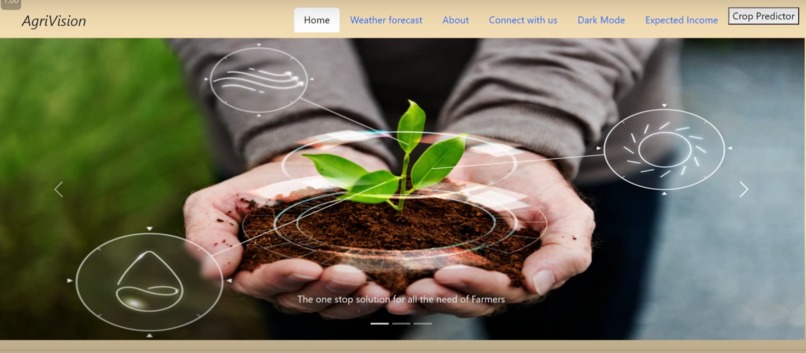
Homepage:Corousel1
-
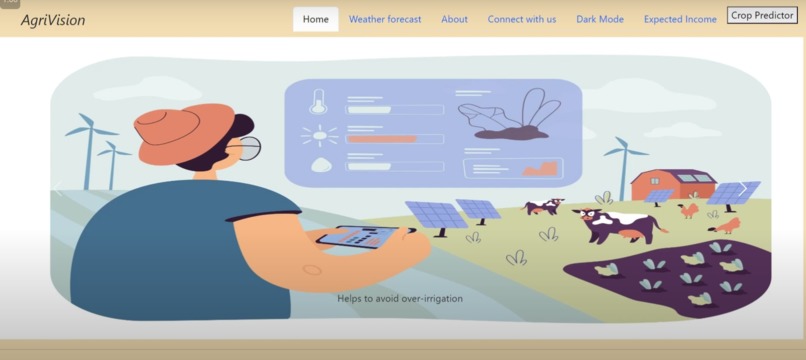
Homepage:Corousel2
-
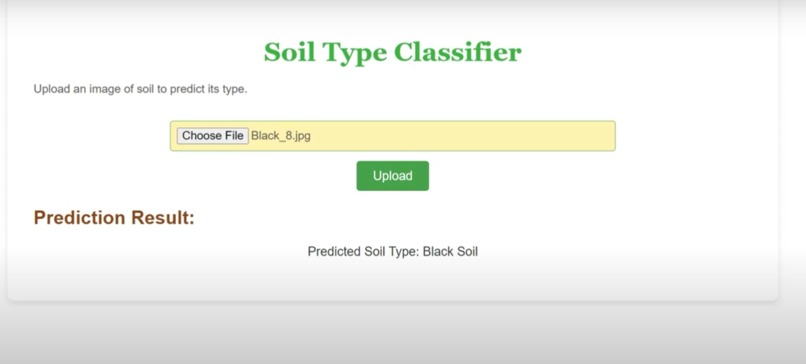
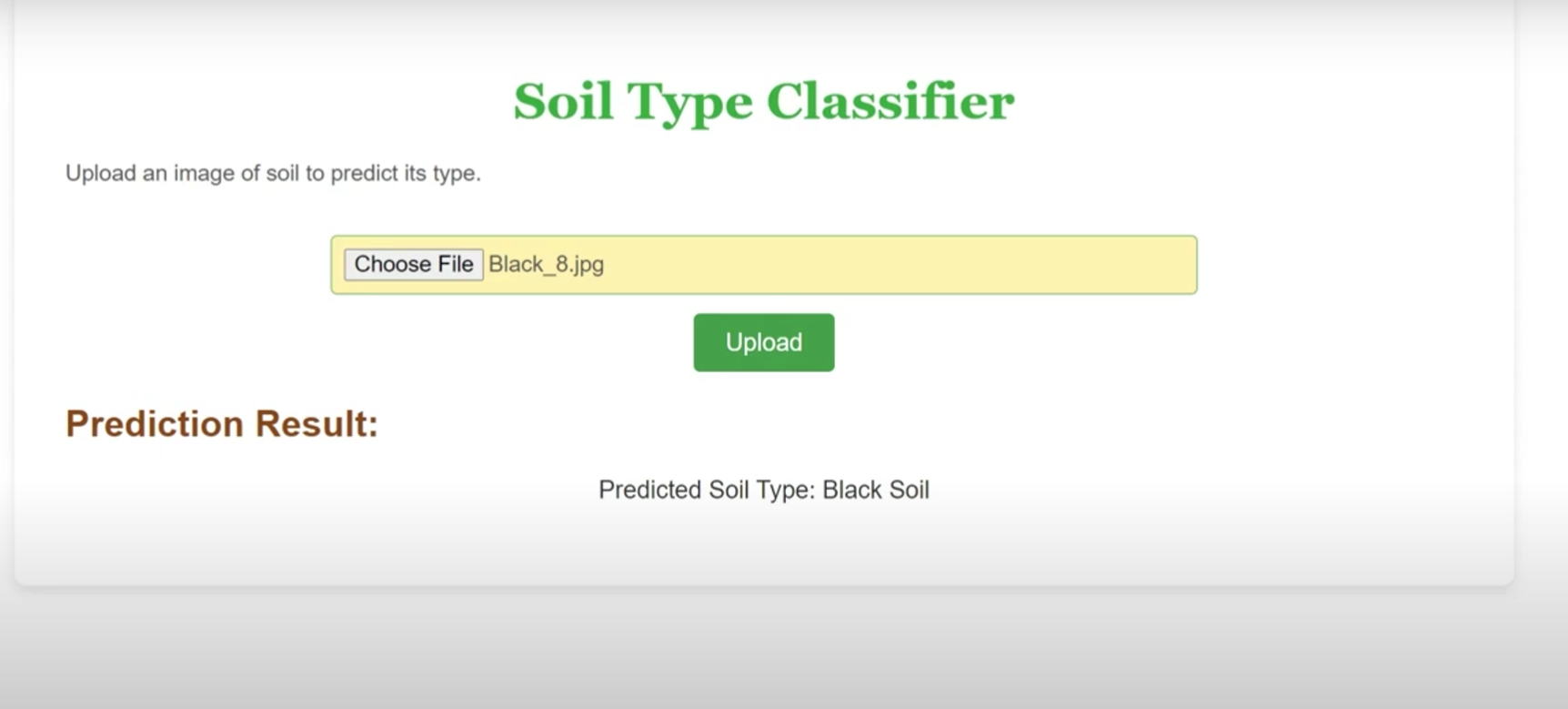
Machine Learning Model: Soil Predictor from image dataset
-
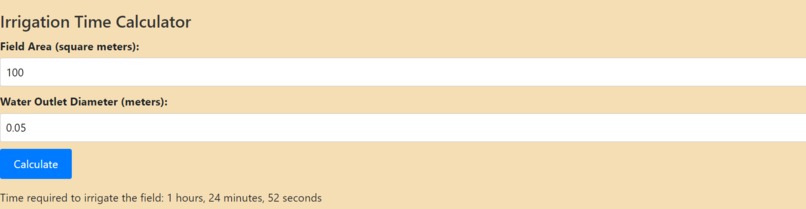
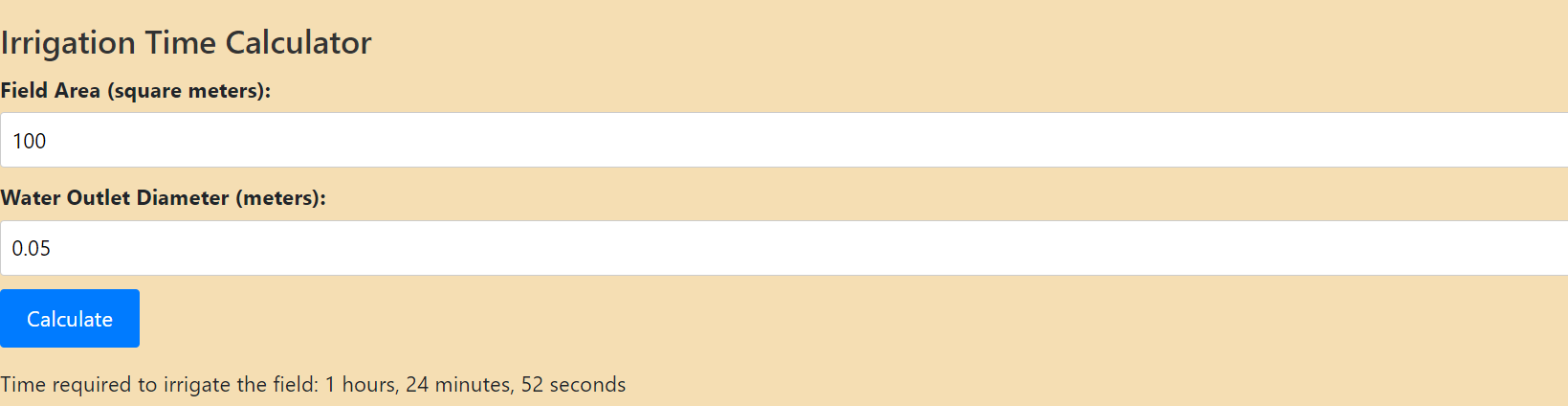
irrigation time calculator
-
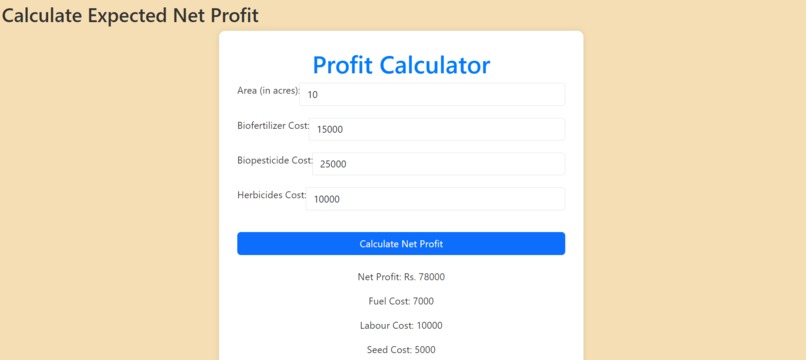
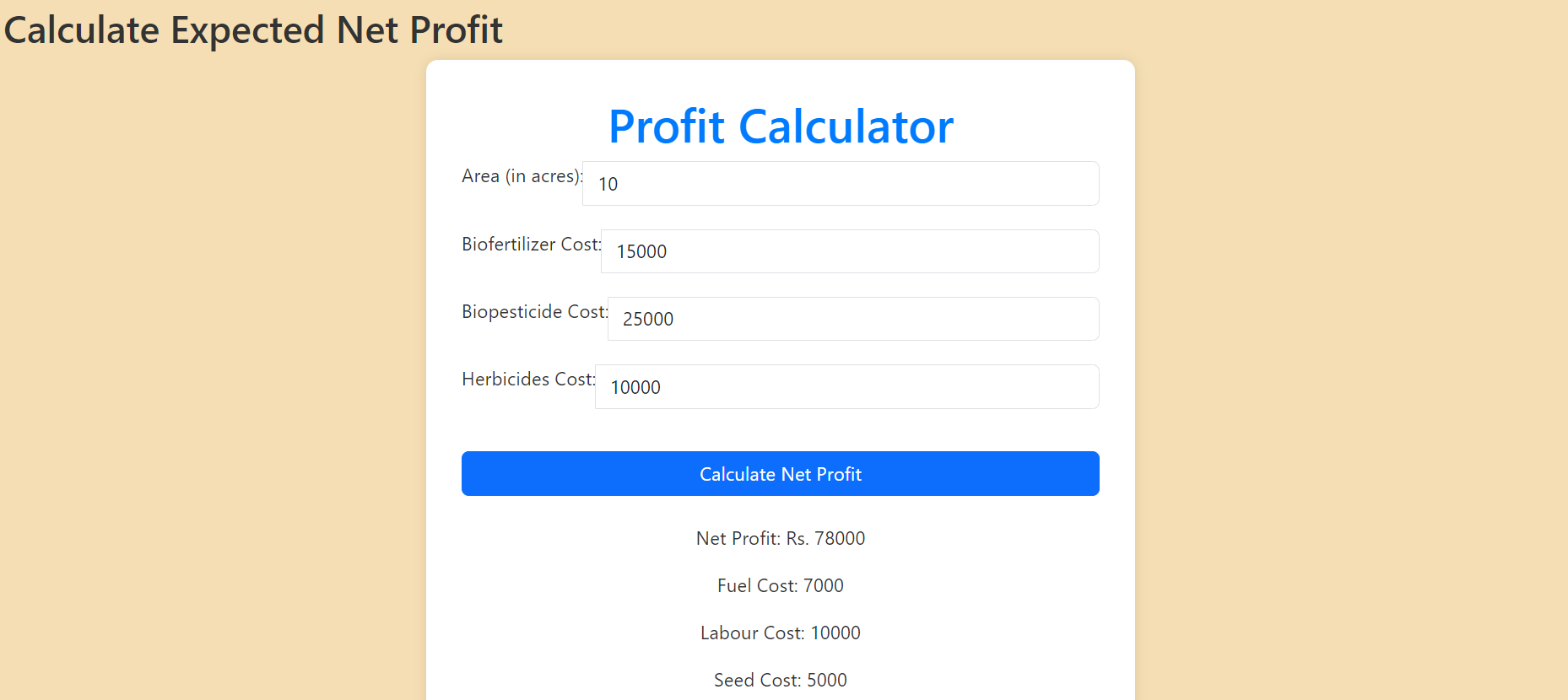
financial statements
-
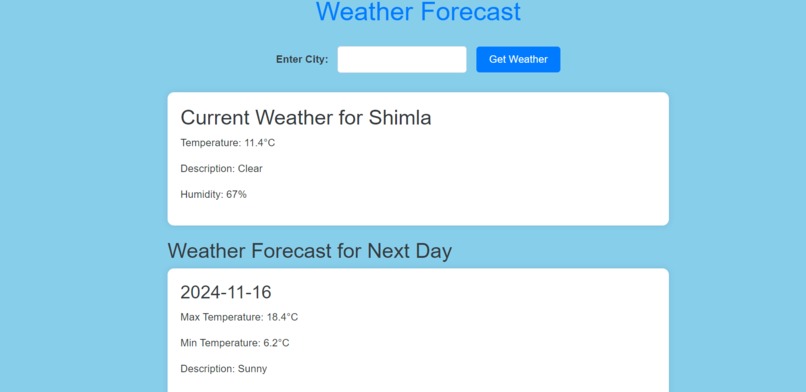
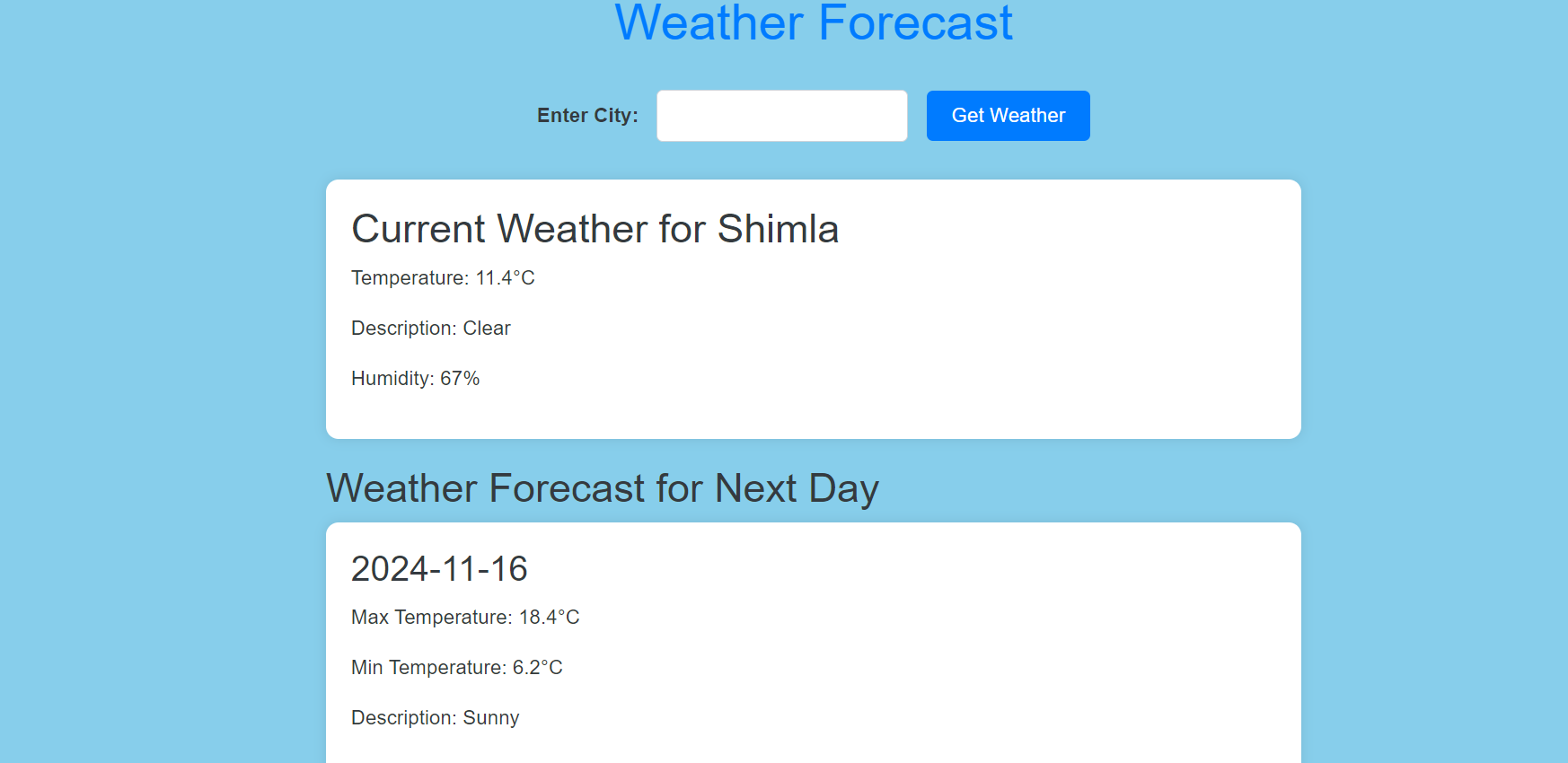
Weather Forecast
-
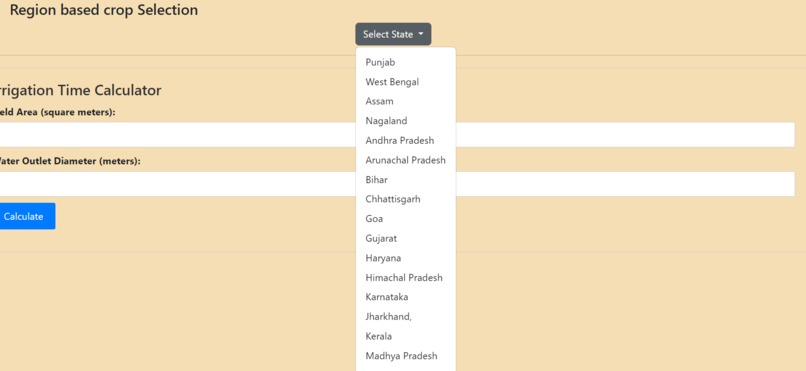
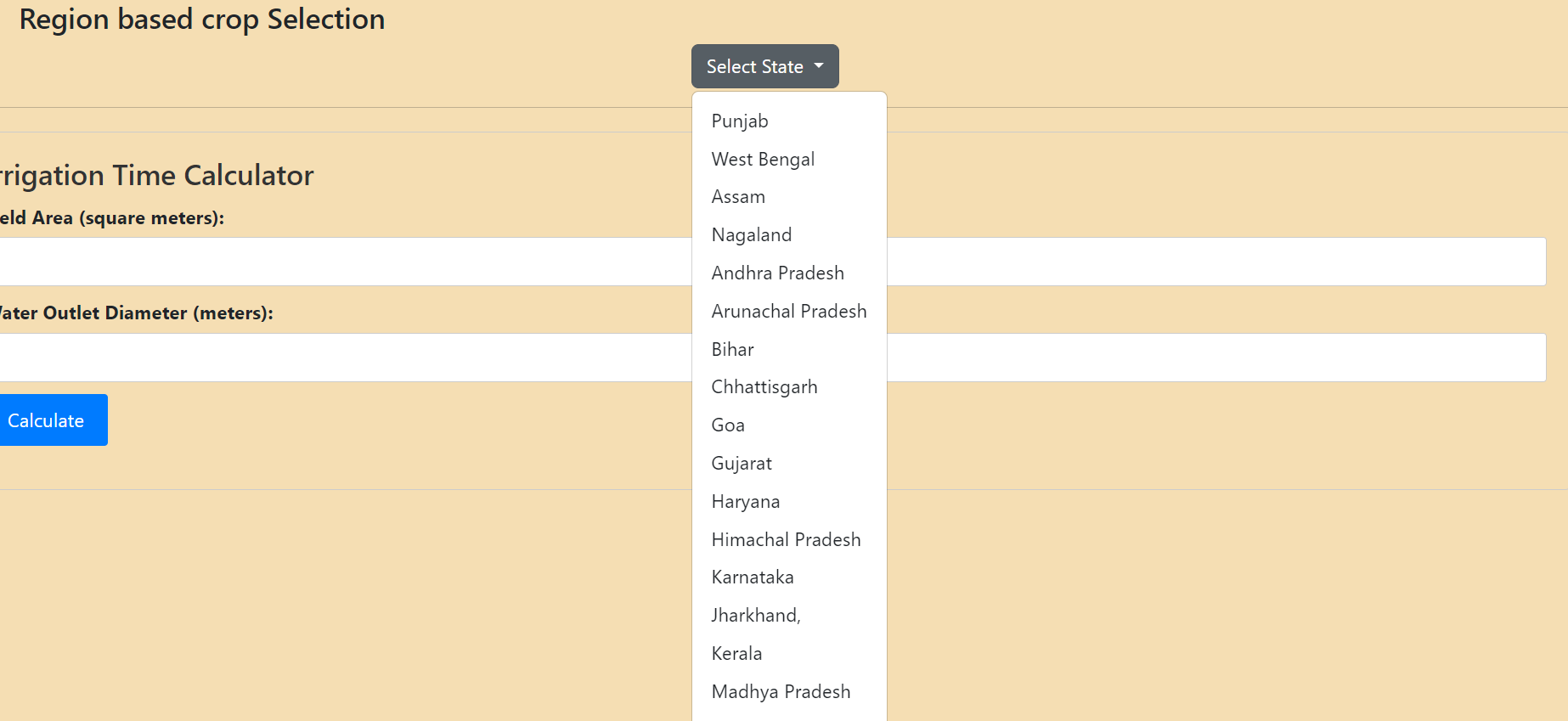
Region based crop selection
-
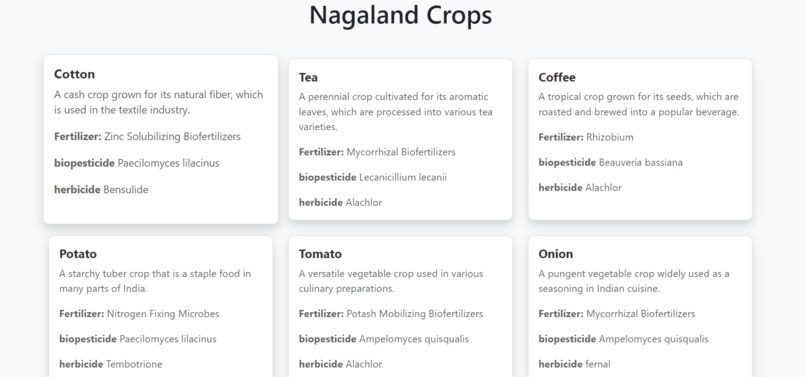
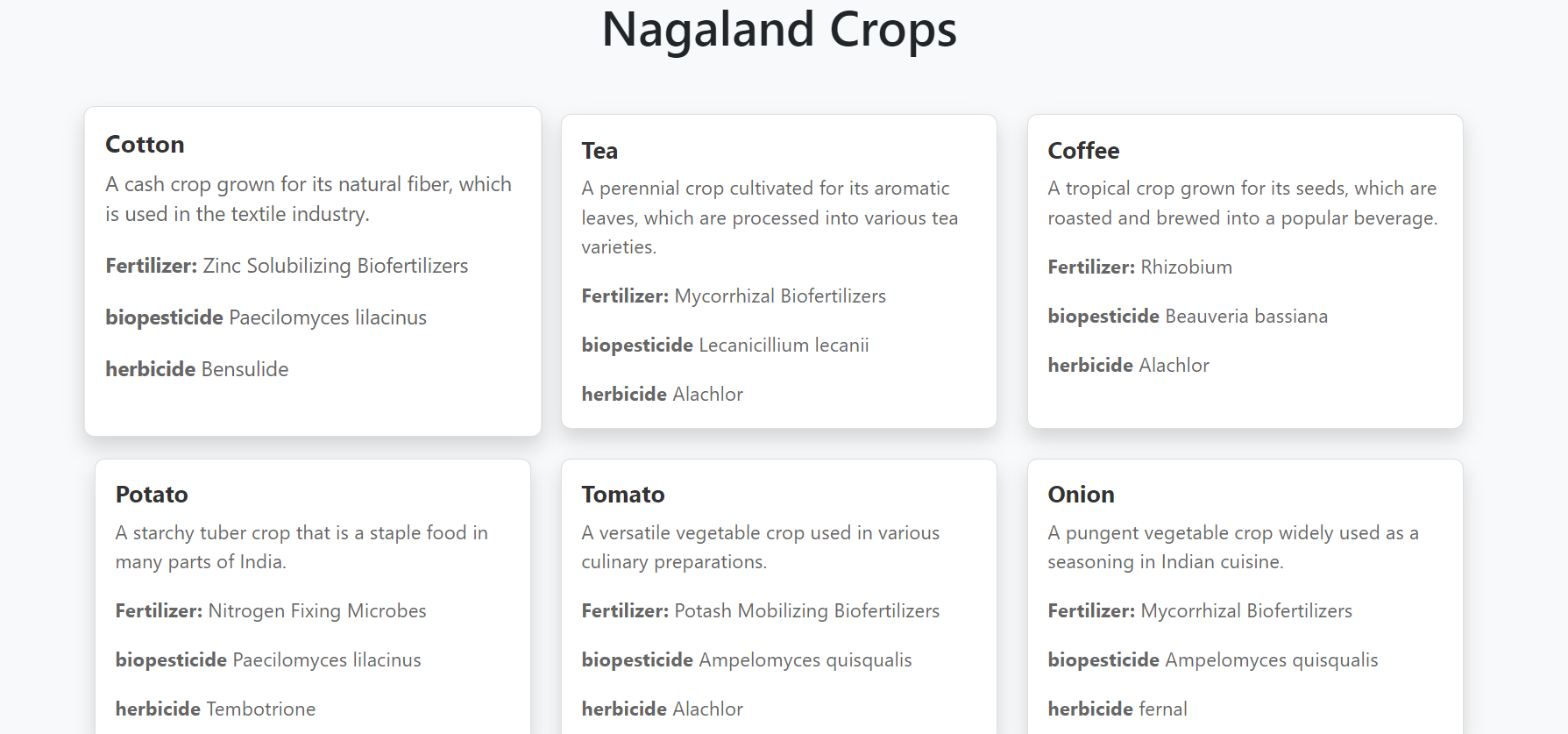
Example: Nagaland Crop list
-

Connect with us



Inspiration
The AgriVision project was inspired by the desire to revolutionize traditional farming practices by providing farmers with advanced technology to determine everything in advance and if we analyze today there are very less number of people who focus towards changing primary sector in our country, this project aims to help farmers specifically by allowing them to use latest technologies into their practical use on field. While modern farming techniques are becoming more data-driven, many farmers still face challenges with soil quality assessment and efficient irrigation. By integrating machine learning for soil type classification and an irrigation time calculator, this project aims to simplify these complex tasks and help farmers make better, more informed decisions. The idea for the Soil Type Classifier comes from the difficulty many farmers have in determining the specific type of soil on their land. Soil type is crucial for determining the best crop to grow and how much irrigation is needed. With the integration of image recognition and machine learning models, the classifier will help automate the process of soil identification, making it more accessible to farmers in remote areas. Additionally, the Irrigation Time Calculator was added to assist farmers with calculating the optimal time required for irrigation based on their field area and water outlet diameter, helping to prevent over-irrigation and water wastage.
What I Learned
Through the development of this project, I gained valuable experience in multiple areas:
Frontend Development: I strengthened my skills in HTML, CSS, and JavaScript to build an interactive and user-friendly interface. Bootstrap was used to ensure the website is mobile-responsive, making it accessible to users in rural areas who might rely on smartphones.
Backend Integration with Django: I enhanced my knowledge of Django to handle backend logic, particularly in processing form submissions and dynamically generating content. The integration with static and media files in Django helped to manage the images and other assets required for the project.
Machine Learning Basics: Although the machine learning model is still in the planning stage, the project sparked an interest in learning how to use Convolutional Neural Networks (CNNs) for image classification. I researched methods for image preprocessing, model training, and deployment.
API Handling with JavaScript: I explored JavaScript's Fetch API to asynchronously communicate with the backend, allowing for a seamless user experience when the irrigation time is calculated or when soil type predictions are retrieved.
User-Centered Design: I worked on creating a simple, intuitive interface, ensuring that users (mainly farmers) could easily navigate through the site, input data, and obtain results.
What it does
1.Predict Soil type: -Using latest machine learning model, helps predicting soil type. 2.Region based crop selection: -Based on state select crop that suites the most 3.weather predictor: -Farmers need to check weather time to time in order to cultivate, sow, harvest, etc and make early decisions to save there crops. 4.Irrigation time calculator: -where the user inputs the field area and water outlet diameter, and the system calculates how long irrigation will take based on a simple fluid dynamics formula, helping to prevent over-irrigation and water wastage. 5.Expected income calculator: -helps calculate net profit and choose crop that gives maximum profit.
How we built it
- Frontend Development:
- The project starts with the creation of a clean and responsive layout using HTML and CSS. I used Bootstrap to ensure the site is mobile-friendly, which is important for users in rural areas where mobile phones are more common than desktops.
- Interactive components like buttons, input forms, and dropdown menus were created using JavaScript, allowing users to input data (e.g., field area, water outlet diameter) and interact with the soil type classifier and irrigation time calculator.
- Backend Development:
- The backend was developed using Django, where I set up endpoints to handle form submissions, retrieve the appropriate data, and display results.
- I implemented functionality for dynamically loading states and their corresponding crops in the "Region based crop Selection" section.
- The backend was designed to serve static content such as images, and the {% static %} tag was used to handle image paths.
- Soil Type Classifier:
- Although the machine learning model for soil classification is still a future enhancement, the backend is already structured to integrate a Convolutional Neural Network (CNN) model for image classification.
- I researched potential datasets for soil images and model training processes that can be used to predict soil types based on images taken from the field.
- Irrigation Time Calculator:
- A key feature of this project is the Irrigation Time Calculator, where the user inputs the field area and water outlet diameter, and the system calculates how long irrigation will take based on a simple fluid dynamics formula.
- The calculation is done entirely on the frontend using JavaScript, ensuring quick results without the need for a server round-trip. The user is provided with the estimated time in hours, minutes, and seconds.
Challenges we ran into
- Image Processing and Machine Learning Integration:
- One of the biggest challenges was integrating the machine learning model for soil type classification. While I was able to set up the framework for processing images, training a model and achieving reliable accuracy will require additional work, including gathering and preparing soil image datasets.
- Responsive Design:
- Ensuring that the web application is responsive across different devices was tricky. While Bootstrap helped significantly, fine-tuning the layout for smaller screen sizes and ensuring that interactive elements functioned properly on mobile devices took extra effort.
- Handling Form Data and API Communication:
- I encountered some issues while handling form data and communicating with the backend. Ensuring that the JavaScript correctly interacted with the backend to retrieve data asynchronously was a challenge, but I overcame it by using the Fetch API to manage asynchronous data fetching and displaying results without page reloads.
- Irrigation Time Calculation Logic:
- Determining the correct formula for calculating irrigation time was another challenge. It took several iterations of testing to ensure the calculations were accurate and realistic based on the user inputs. I had to account for various factors such as water flow rate, field area, and water outlet diameter.
- Error Handling:
- Proper error handling was essential to ensure a smooth user experience. For example, when users input incorrect data or fail to fill out required fields, I had to display clear error messages to guide them.
Accomplishments that we're proud of
-One of our proudest accomplishments is creating a holistic platform that serves as a one-stop solution for farmers. From crop prediction to irrigation time calculators, weather forecasting, and income estimations, our project covers various aspects of farming that help farmers make informed decisions. We successfully integrated diverse features that cater to different needs, all on one platform. We developed an AI-driven crop prediction system that helps farmers determine the best crops for their region based on weather patterns, soil conditions, and available resources. This feature has the potential to boost crop yields and improve profitability for farmers by reducing the guesswork involved in crop selection.
What we learned
-The journey of developing our agricultural platform was not just about coding and problem-solving; it was also about personal growth, team collaboration, and understanding the agricultural sector more deeply. One of the most important lessons we learned was the critical importance of understanding our end-users—the farmers. While we initially approached the project from a purely technical angle, we quickly realized that the true success of our platform would depend on how easy it was for farmers to use. This led us to focus on building an intuitive, simple, and practical interface that would cater to farmers with varying levels of tech literacy.
What's next for AgriVision
-Detect Nearby Farmer Market:Farmers need to allow there real time location in order to detect nearby selling points according to crops. -Live Crops Price: Farmers can see live price of crops in different market place and choose to sell wherever the price is high. -Insurance Cover:If we further wants to expand our project we can tie up with insurance companies and provide farmers loan facilities and crop insurance.
- Advanced Irrigation Optimization: Adding more sophisticated irrigation models, such as those based on real-time weather data, could further optimize the irrigation calculations.
- Cloud Deployment: Once the project is complete, I plan to deploy it on a cloud platform such as Heroku or AWS, making it accessible from anywhere.
- Enhanced UI/UX: I plan to further enhance the user interface with more interactivity, such as providing visual feedback for the irrigation calculation or more detailed soil analysis reports.

Log in or sign up for Devpost to join the conversation.